

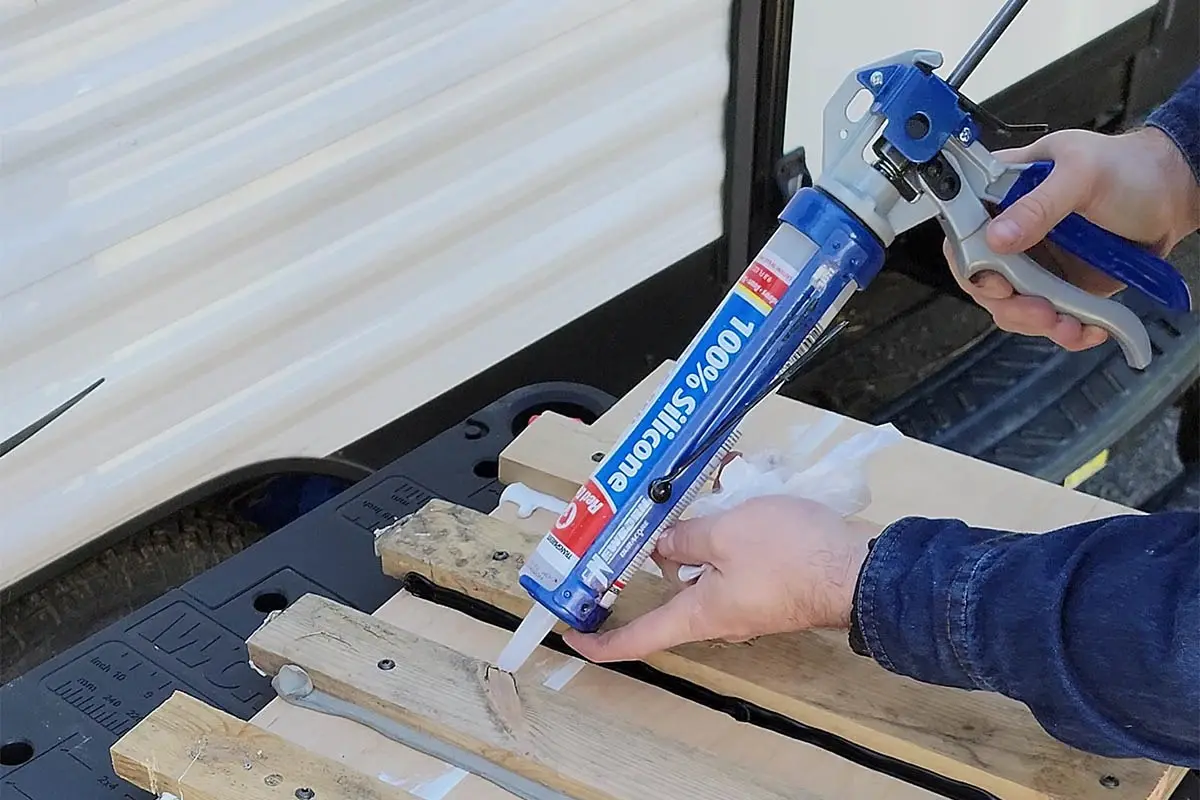
Protecting a home from the relentless onslaught of wind, rain, humidity, and shifting temperatures requires more than just a sturdy roof and solid walls. One of the most critical, yet frequently overlooked, aspects of home maintenance is exterior caulking. Applied correctly with a caulking gun, exterior sealants provide a simple, cost-effective defense mechanism that stops air leaks, bridges gaps, keeps moisture at bay, and deters invasive pests.
Designed to safeguard vulnerable junctions around windows, doors, siding, gutters, and masonry, this thick barrier material keeps a house completely waterproof against the elements. However, because different project surfaces demand specific performance metrics, finding the correct formula requires a nuanced understanding of material compatibility, gap dimensions, and paintability.
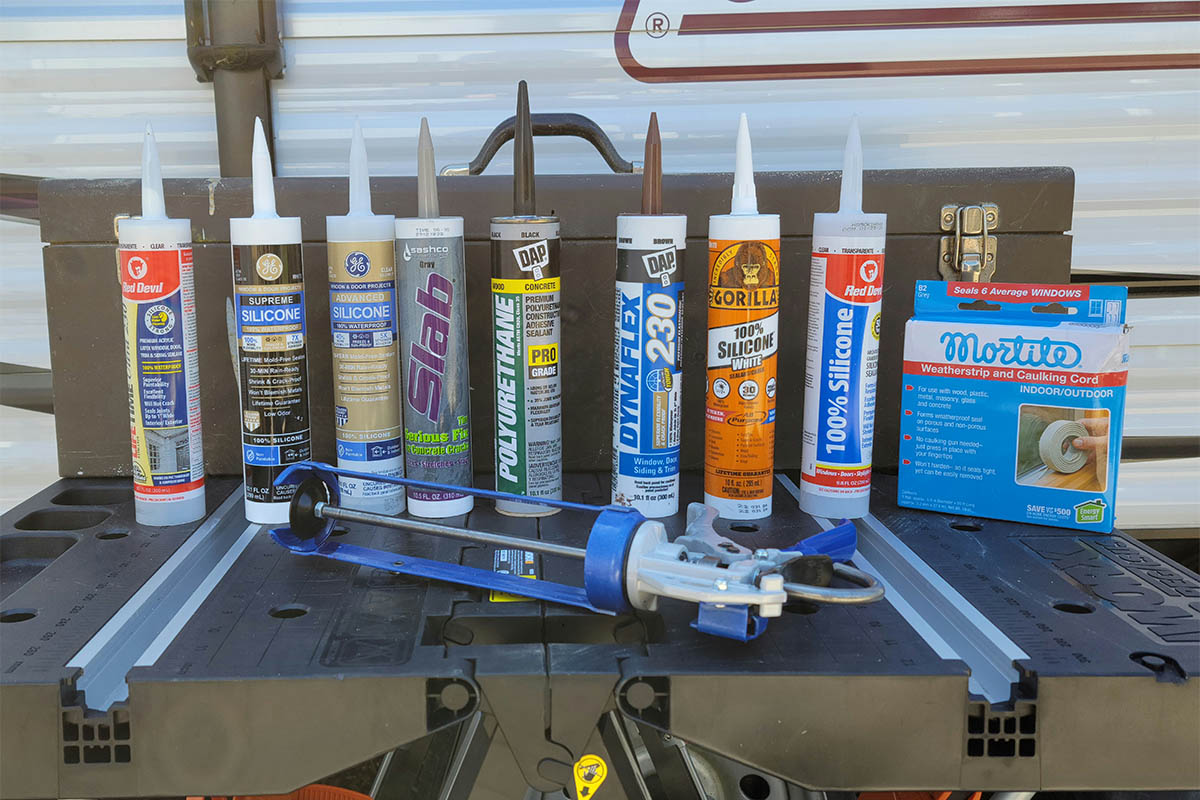
To help homeowners navigate the crowded marketplace, industry experts and veteran testers conducted extensive, hands-on evaluations of real homes to assess the durability, flexibility, and ease of application of leading exterior caulks. Earning our top overall award, DAP Dynaflex 230 Premium Elastomeric Sealant stood out for its effortless cleanup, robust crack resistance, and exceptional performance across a wide array of building substrates.
Main Facts: Understanding Exterior Sealants
Exterior caulk is the frontline defense for any residential structure. Without a proper seal, microscopic gaps around architectural transitions allow conditioned air to escape, driving up energy bills. More dangerously, they allow moisture intrusion that can lead to structural wood rot, toxic mold growth, and costly interior water damage.
- Core Purpose: To seal gaps, stop thermal air leaks, prevent pest entry, and waterproof exterior building components.
- Key Application Zones: Windows, exterior doors, lap siding, gutters, masonry cracks, roof flashing, and chimney joints.
- Evaluation Criteria: Choosing the right caulk depends on surface compatibility, dynamic movement capabilities (flexibility), and whether the final bead requires painting.
Following rigorous field tests and consultations with seasoned contractors, reviewers curated a definitive list of top-performing exterior caulks tailored to specific home improvement needs.
Chronology of Our Testing Methodology
To compile a trustworthy, authoritative guide on the market’s best exterior caulks, the testing team implemented a strict, multi-phase evaluation protocol.
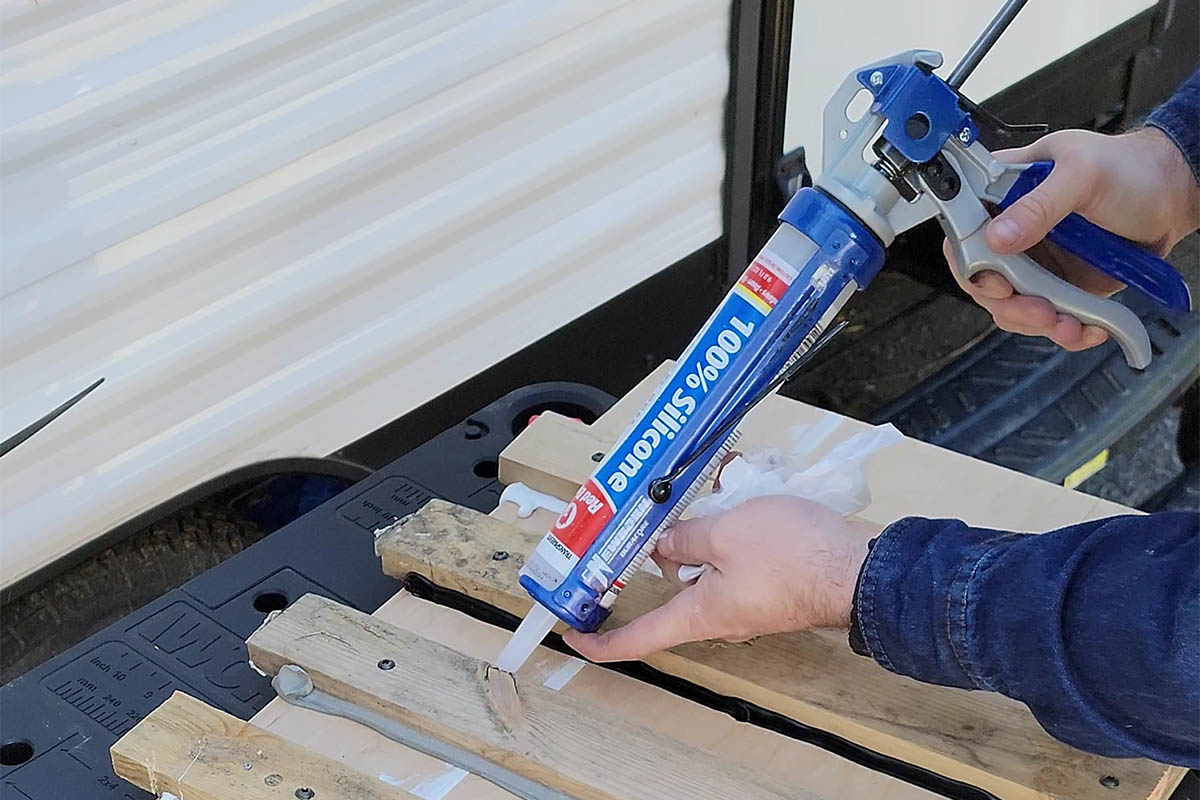
- Expert Consultation: The process began by consulting industry leaders. Bill Nishanian, owner of Nash Painting in Nashville, Tennessee, emphasized core performance characteristics: "Look for paintable, flexible, high-adhesion, and mold-and-mildew-resistant caulk that is not prone to cracking and crumbling." Similarly, John Mazzuca of Gambrick Construction offered crucial insights on application depth and substrate preparation.
- Initial Bench Testing: Reviewers set up controlled experiments to analyze viscosity, initial bead flow, and dry times under various environmental conditions, comparing real-world results against manufacturer claims.
- Real-World Field Application: The products were then taken directly to active job sites. Testers applied the caulks to exterior windows, expanding concrete cracks, brick masonry joints, metal gutters, and siding seams.
- Long-Term Performance Tracking: Over extended curing windows, testers monitored how each product handled direct UV exposure, moisture accumulation, and physical stress caused by ambient temperature swings.
Supporting Data: Top-Rated Exterior Caulks Compared
Through exhaustive testing, several products emerged as category leaders, each optimized for specific home repair challenges.
1. Best Overall: DAP Dynaflex 230 Premium Elastomeric Sealant
- Ideal For: General DIY projects, siding, windows, and trim.
- Key Features: Paintable latex hybrid with silicone-like durability, resists cracking, and accommodates gaps up to 2 inches wide (when paired with a backer rod).
- Tester Verdict: Highly flexible and smooth to tool, though it takes a full 2 hours to skin over and firm up. Testers praised its unique ability to bond effectively with wood substrates—a traditional weakness for pure silicone formulas.
2. Runner-Up: GE Supreme Silicone Window and Door Sealant
- Ideal For: High-moisture areas and metal/vinyl transitions.
- Key Features: 100% silicone formula offering 7x stronger bond strength, excellent temperature extremes resistance, and a 30-minute rain-ready window.
- Tester Verdict: Fast-drying and exceptionally flexible, though its non-paintable clear finish requires careful, clean application.
3. Best Bang for the Buck: Frost King Mortite Caulking Cord
- Ideal For: Budget-friendly seasonal winterization.
- Key Features: Non-hardening rope caulk sold in rolls; one roll seals up to six standard windows.
- Tester Verdict: While difficult to tool into a perfectly smooth, invisible bead for prominent aesthetic areas, its effortless removal makes it the gold standard for temporary winter draft-blocking.
4. Best for Concrete: Sashco Slab Concrete Crack Repair Caulk
- Ideal For: Driveways, walkways, and concrete patios.
- Key Features: Acrylic-based formula featuring a gritty texture that mimics natural concrete aggregate. Expands and contracts up to 35% to handle shifting slabs.
- Tester Verdict: Blends seamlessly into unpainted concrete surfaces, though its extended curing time (up to 3 to 4 days) requires patience in high-traffic zones.
5. Best for Windows and Doors: GE Advanced Silicone 2 Window and Door Sealant
- Ideal For: Drafty frames, vents, and moving glass assemblies.
- Key Features: Premium UV-resistant, 100% silicone formula that withstands extreme thermal expansion and contraction without shrinking or yellowing.
- Tester Verdict: One of the fastest-curing and most flexible formulas tested, providing long-term protection against air infiltration.
6. Best for Siding: Gorilla Waterproof Caulk & Seal 100% Silicone Sealant
- Ideal For: Lap siding seams and vulnerability points.
- Key Features: Forms a permanent waterproof seal within 30 minutes; resists mold, mildew, and yellowing over years of direct sunlight exposure.
- Tester Verdict: Requires slightly more trigger force in the caulking gun, but rewards the user with a thick, non-slumping, perfectly smooth bead.
7. Best for Brick: Red Devil Lifetime Ultra 230 Premium Acrylic Sealant
- Ideal For: Porous masonry, brick joints, and mortar repair.
- Key Features: Acrylic latex blend infused with antimicrobial properties; available in multiple colors (including brick-matching brown, tan, and gray) and paintable within 4 to 6 hours.
- Tester Verdict: Thinner and runnier than standard sealants, which proved to be an advantage when forcing the product deep into the complex nooks and crannies of textured brickwork.
8. Best for Roofs: DAP Polyurethane Construction Sealant
- Ideal For: Shingles, flashing, chimneys, and roof vents.
- Key Features: Commercial-grade black polyurethane adhesive that creates an intensely strong, waterproof bond capable of weathering heavy storms.
- Tester Verdict: Offers phenomenal adhesion to roofing materials, though users must account for a lengthy 4-to-7-day complete cure window.
9. Best for Gutters: Red Devil 100% Silicone Architectural-Grade Sealant
- Ideal For: Gutter end caps, seams, and downspout connections.
- Key Features: Adheres securely to glass, vinyl, ceramic, and sheet metal; can even be applied in freezing temperatures.
- Tester Verdict: Strikes the ideal viscosity balance—thick enough to prevent messy runs, yet pliable enough to tool smoothly with a gloved finger.
Official Responses and Expert Best Practices
Professional builders emphasize that product selection is only half the battle; technique dictates the ultimate longevity of any exterior caulking job.
According to John Mazzuca of Gambrick Construction, meticulous preparation is non-negotiable: "Cut the tip of the caulk very thin so you can squeeze material deep into the cracks. Just applying some caulk on the surface isn’t enough; ideally, you want to push it to the base of the gap so water and air can’t penetrate."
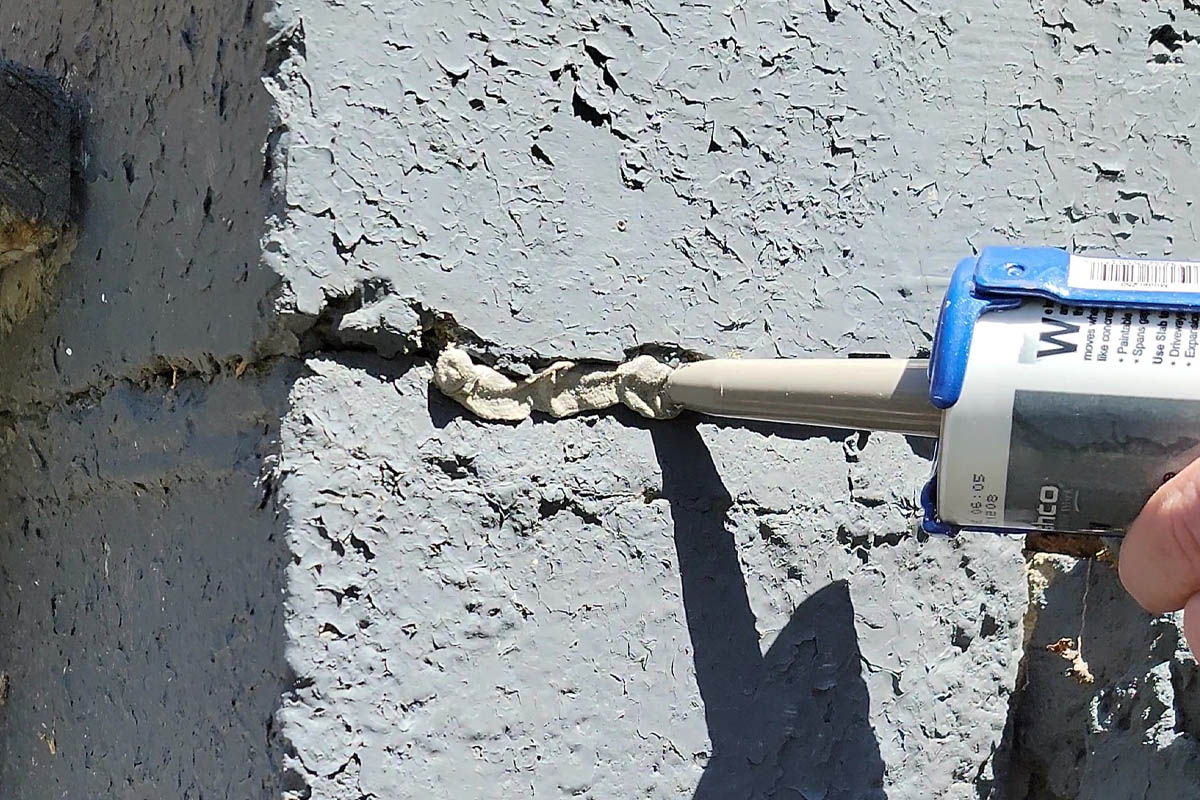
Furthermore, contractors stress these essential rules of thumb:
- Strip the Old Material: Never caulk over degraded, moldy, or crumbling old sealant. Use a utility knife and a putty knife to strip joints down to clean, bare substrate.
- Manage Gap Width: Never use standard caulk for gaps exceeding ¼ inch in width. Without a foam backer rod inserted to provide structural support, wide beads will sag, pull apart, and fail prematurely.
- Mind the Temperature: Check manufacturer guidelines regarding ambient application temperatures. While some specialized formulas can be applied in freezing conditions, most traditional acrylics and latexes require moderate weather (40°F to 80°F) to cure properly.
Implications for Homeowners
Failing to maintain exterior caulking can trigger a cascading series of expensive home repairs. Small, unsealed hairline cracks around window frames or siding seams allow moisture penetration during heavy rainstorms. Over time, trapped water rots structural framing, encourages destructive termite and carpenter ant infestations, and ruins interior drywall insulation.
Conversely, investing a modest amount of time and money into high-performance exterior sealants—such as DAP Dynaflex 230 for general joints or GE Advanced Silicone 2 for window frames—dramatically improves household energy efficiency, lowers utility costs, and protects structural integrity for five to ten years. By utilizing professional insights and selecting purpose-built formulas for masonry, siding, and roofing, DIYers can achieve contractor-grade weatherproofing results that stand the test of time.
