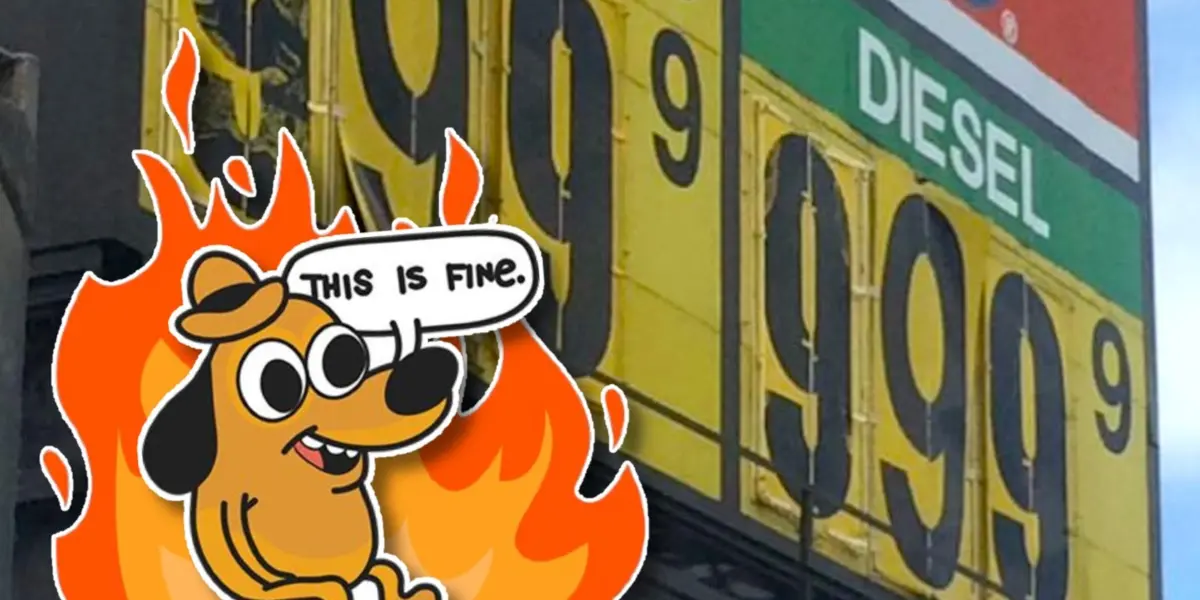
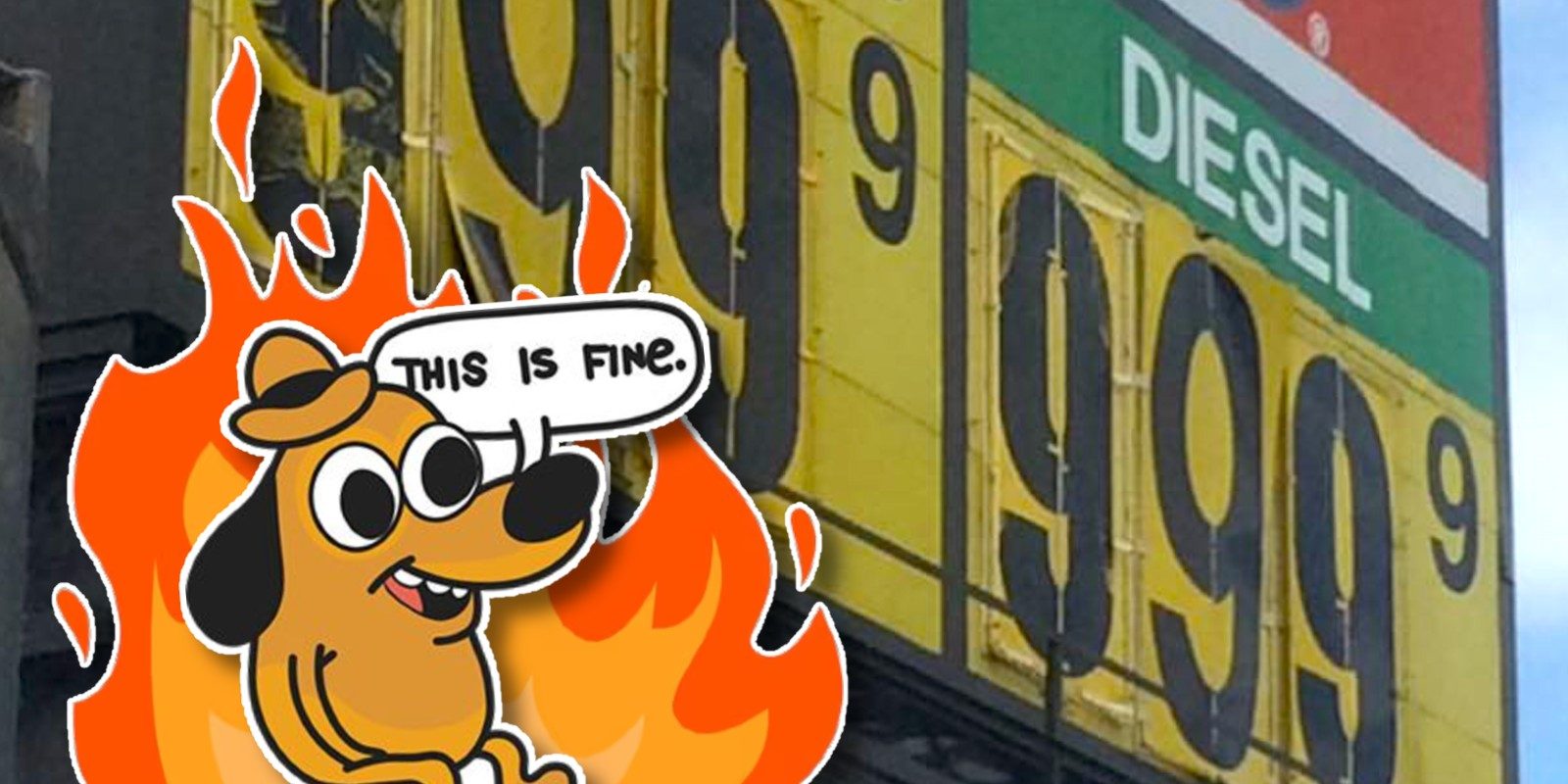
In the digital age, a single photograph of a digital gas station price sign can travel across the globe in seconds, igniting widespread panic long before logistics experts can verify the underlying reality. Over the past week, viral social media posts have captured a startling picture across parts of the United States: diesel pumps plastered with "Out of Service" signs or pinned stubbornly at $9.99—the absolute maximum limit that older electronic price boards are capable of displaying.
These viral glimpses into pump-side frustration arrive against a backdrop of severe geopolitical friction. Following US military strikes on Iran earlier this year—actions that resulted in the critical closure of the Strait of Hormuz—fears regarding global petroleum supply chains have remained razor-sharp. Consequently, any disruption at local fuel stations is instantly magnified by social media algorithms, leading to viral videos on YouTube, frantic discussions on Reddit, and a surge of anxiety among independent truckers and fleet managers.
Yet, beneath the sensationalism and digital hysteria lies a more nuanced, complex, and localized reality. While fuel prices are undeniably climbing to painful new heights, putting immense financial pressure on logistics, freight, and everyday consumers, industry-wide data suggests a different picture than the apocalypse depicted online. This comprehensive look examines the chronology of the current fuel price crisis, analyzes the supply and distribution dynamics driving localized shortages, evaluates official responses from industry watchdogs, and explores the broader implications for the future of transportation energy.
Main Facts: What is Actually Happening at the Pumps?
To understand the current state of diesel fuel availability, it is essential to separate viral perception from physical reality. The core facts of the situation can be categorized into pricing anomalies, localized outages, and the structural pressures facing fuel distribution networks.
The $9.99 Ceiling: In select areas, particularly heavy transit corridors in California and regions of the American South and Midwest, diesel prices have spiked so rapidly that they have hit the maximum ceiling of legacy pump displays ($9.99 per gallon).
Localized, Not National, Outages: Verified reports from platforms like X (formerly Twitter) and news outlets like Newsweek confirm that individual stations—ranging from North Texas to Orlando, Florida, and parts of the Chicago freight network—have temporarily run out of diesel. However, comprehensive industry data confirms these are isolated incidents rather than a systemic, nationwide supply collapse.
The Geopolitical Catalyst: The psychological and economic pressure on fuel markets traces its roots back to earlier military conflicts in the Middle East, which constrained maritime oil transit through vital chokepoints like the Strait of Hormuz, driving up global crude benchmarks and refined product costs.
Distribution Bottlenecks: Rather than a dry well at the national refinery level, experts point toward localized supply chain crunches. Major commercial truck stops (such as Love’s and Pilot/Flying J) are aggressively securing bulk fuel inventories to protect their operations, while smaller regional oil distributors face margin squeezes that hinder their ability to consistently supply independent local stations.
Chronology of a Crisis: From Geopolitical Shock to Viral Panic
The trajectory of the current diesel anxiety did not materialize overnight. It is the culmination of months of compounding economic, geopolitical, and digital events.
Phase 1: The Geopolitical Spark (Earlier This Year)
The foundational stress on the global petroleum market began when the United States launched military strikes on Iran. The subsequent closure and increased volatility surrounding the Strait of Hormuz choked off critical maritime shipping lanes responsible for moving vast quantities of crude oil and refined products. While crude markets absorbed the initial shock, refiners immediately adjusted to tighter margins and higher input costs, setting off a slow-burning fire beneath wholesale diesel and gasoline prices.
Phase 2: The Price Creep and the $9.99 Phenomenon
As wholesale costs climbed, retail prices at the pump followed suit through the spring and summer months. By mid-September, certain high-traffic diesel stations in California and Texas reached a tipping point. With prices pushing toward double digits, motorists and truckers pulled up to pumps displaying "9.99"—the physical limit of older digital pricing monoliths. For stations slow to upgrade their infrastructure, displaying the true market clearing price became technically impossible, leading some operators to temporarily halt sales or bag the handles until signs could be recalibrated.
Phase 3: The Social Media Amplification
As images of $9.99 diesel and bagged-up pump handles hit platforms like YouTube, TikTok, Reddit, and X, the tone shifted from economic commentary to panic. Content creators began framing localized hiccups as evidence of an imminent, total collapse of America’s fuel supply. Freight workers and logistics personnel in major hubs like Chicago shared their own localized observations of low inventory, further feeding the digital feedback loop.
Phase 4: Mainstream Media Scrutiny and Industry Clarification
By mid-September, mainstream outlets such as Newsweek and CNBC began addressing the swirling rumors. Industry analysts, most notably GasBuddy Head of Petroleum Analysis Patrick DeHaan, stepped in to calm the waters. Through television appearances and social media clarifications, data experts emphasized that while prices were soaring, real-time telemetry from national payment networks showed no signs of a widespread, systemic diesel shortage.
Supporting Data and Market Mechanics: Why Are Stations Running Out?
If national inventories are within normal operational parameters, why are individual drivers encountering "Out of Diesel" signs across the country? The answer lies in the microeconomics of fuel distribution and inventory hoarding.
1. Wholesale Hoarding and Commercial Prioritization
Large commercial trucking fleets and massive nationwide truck stop chains—such as Love’s Travel Stops and Pilot Flying J—operate on immense scales. When fuel prices trend sharply upward, these massive buyers frequently accelerate their purchasing to lock in supply and hedge against future spikes. This heavy, localized demand can temporarily drain regional terminal racks, leaving smaller, independent neighborhood gas stations struggling to secure timely deliveries from regional distributors.
2. The Plight of Regional Distributors
Independent oil distributors act as the critical middle layer supplying mom-and-pop gas stations and remote rural outposts. When wholesale prices spike rapidly, these smaller distributors face intense cash flow pressures. Purchasing a tanker truckload of diesel requires significantly more capital than it did months prior. Some regional distributors have found themselves priced out or forced to ration deliveries, resulting in empty underground storage tanks at independent stations.
3. The Hardware Limitation Theory
An intriguing secondary explanation offered by industry insiders involves station profitability and hardware constraints. If a station’s electronic price sign cannot display prices in double digits (e.g., $10.00 or higher), operating the pumps at market value becomes a logistical nightmare. Some station owners may intentionally keep pumps "out of service" or withhold inventory while waiting for technicians to upgrade their signage software, ensuring they do not inadvertently sell fuel below replacement cost.
According to data compiled by GasBuddy, however, these variables remain localized exceptions. Patrick DeHaan noted on social media:
"GasBuddy is not seeing any high level outages in our data, nor through our Pay with GasBuddy card. We constantly monitor outages, mainly during hurricanes, but they’re currently within norms at this time."
Official Responses and Expert Consensus
Navigating a period of acute price volatility requires leaning heavily on objective data rather than viral anecdotes. Institutional voices across the energy sector have worked to provide clarity amid the noise.
GasBuddy’s Empirical Tracking: By monitoring real-time transaction data via fuel payment cards and crowdsourced station status updates, GasBuddy serves as an early-warning system for fuel crises. Their official stance throughout the mid-September panic has remained steady: transaction failures due to outright fuel unavailability are statistically insignificant and mirror baseline historical norms typically observed outside of severe weather events like hurricanes.
Energy Analysts and Market Watchers: Commodity traders and petroleum analysts emphasize that the global diesel market is fundamentally tight due to refinery configurations and structural shifts in middle-distillate demand. However, physical barrels are still moving through pipelines and terminals. The crisis is primarily financial and psychological rather than logistical.
Mainstream Media Verification: Outlets investigating viral claims have consistently found that while individual photos of "Out of Diesel" signs are authentic, they represent isolated anomalies rather than a cascading failure of the American energy grid.
Implications: The Long-Term Toll on Consumers and the Shift to Electrification
While the immediate fear of a complete national diesel drought may be unfounded, the underlying reality—persistently high and volatile fuel prices—carries profound economic implications.
1. Compounding Inflation and Logistics Pressures
Diesel is the lifeblood of the global economy. It powers the semi-trucks, cargo ships, agricultural tractors, and freight trains that move raw materials, food, and manufactured goods to market. When diesel prices surge, the cost of moving goods skyrockets. This creates a cascading inflationary effect, driving up the price of groceries, construction materials, and retail goods, ultimately squeezing household budgets across the board.
2. Accelerating the Transition to Commercial EVs
For fleet operators and commercial freight companies, fuel price volatility represents an existential threat to operating margins. This economic pressure is acting as a powerful catalyst for fleet electrification. Commercial entities that once viewed electric trucks with skepticism are increasingly evaluating total cost of ownership (TCO) models that favor battery-electric or hydrogen fuel-cell alternatives insulated from the whims of international oil markets.
3. Personal Transportation and Home Energy Resilience
For the everyday driver, recurrent fuel panics serve as a sharp reminder of the fragility inherent in relying entirely on fossil fuel supply chains. Much like the old investment adage that "the best time to plant a tree was 20 years ago, and the second-best time is now," the current macroeconomic climate highlights the strategic value of diversifying personal energy sources.
Transitioning personal vehicles to electric mobility, pairing them with residential solar installations, and investing in home battery backup systems are increasingly viewed not merely as environmental choices, but as pragmatic steps toward personal energy independence and financial insulation against future geopolitical shocks.
Conclusion
The viral images of $9.99 price tags and empty diesel pumps are symptoms of a nervous market reacting to real economic pain and lingering geopolitical anxieties. While the data confirms that America is not running out of diesel—and that current supply outages remain isolated and localized—the underlying pressure on fuel prices is undeniable.
As the transportation sector grapples with the high cost of liquid fuels, the long-term imperative becomes clear: building an energy infrastructure defined by resilience, electrification, and domestic diversification. Whether through adopting electric vehicles, investing in renewable microgrids, or simply demanding greater transparency from energy markets, the lessons of this latest fuel scare will undoubtedly shape consumer behavior and commercial strategy for years to come.
What are you seeing at the pumps in your local area? Do you believe social media amplifies fuel scarcity, or are official reassurances missing the ground-level reality? Share your thoughts and observations in the comments section below.