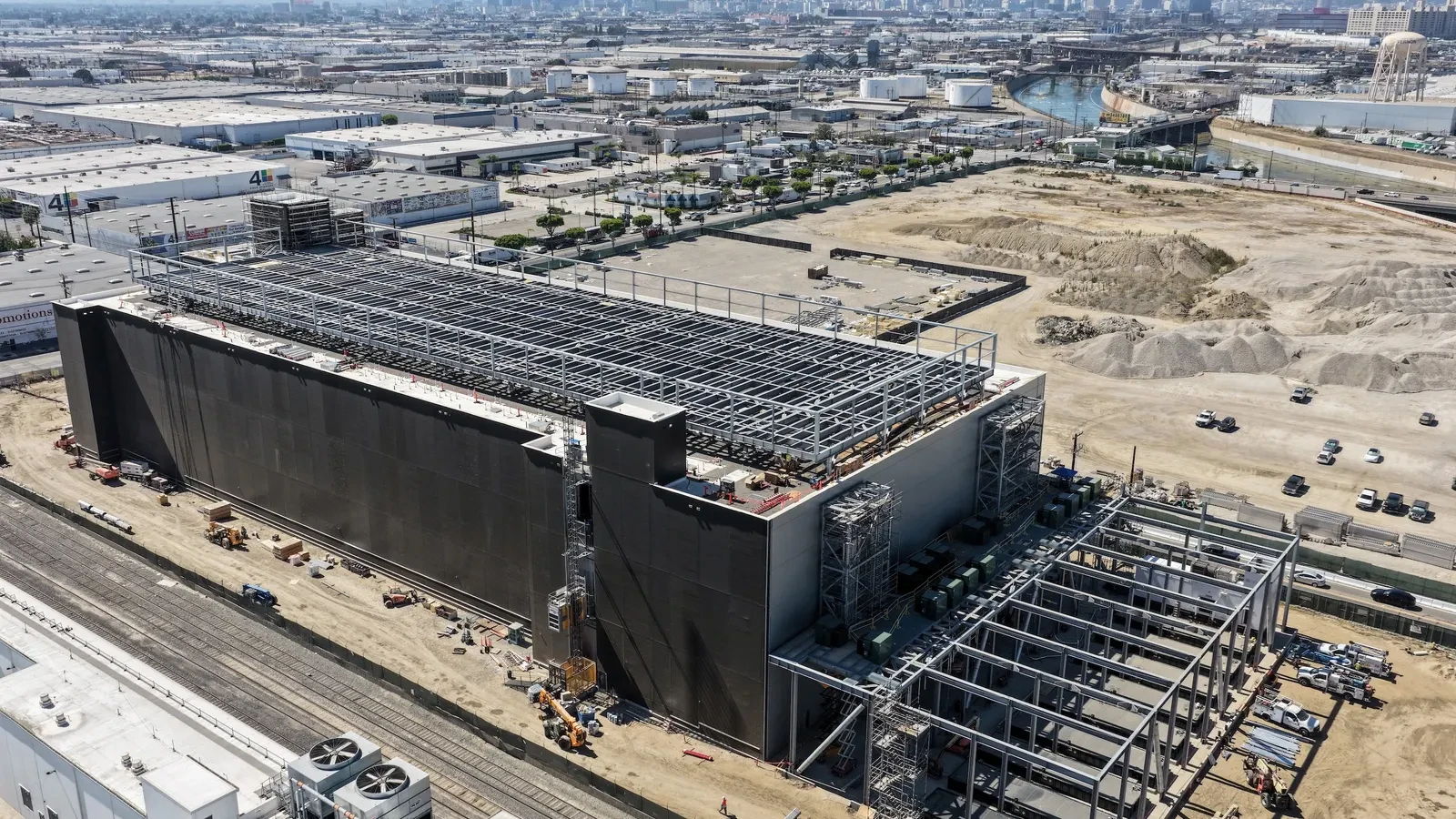
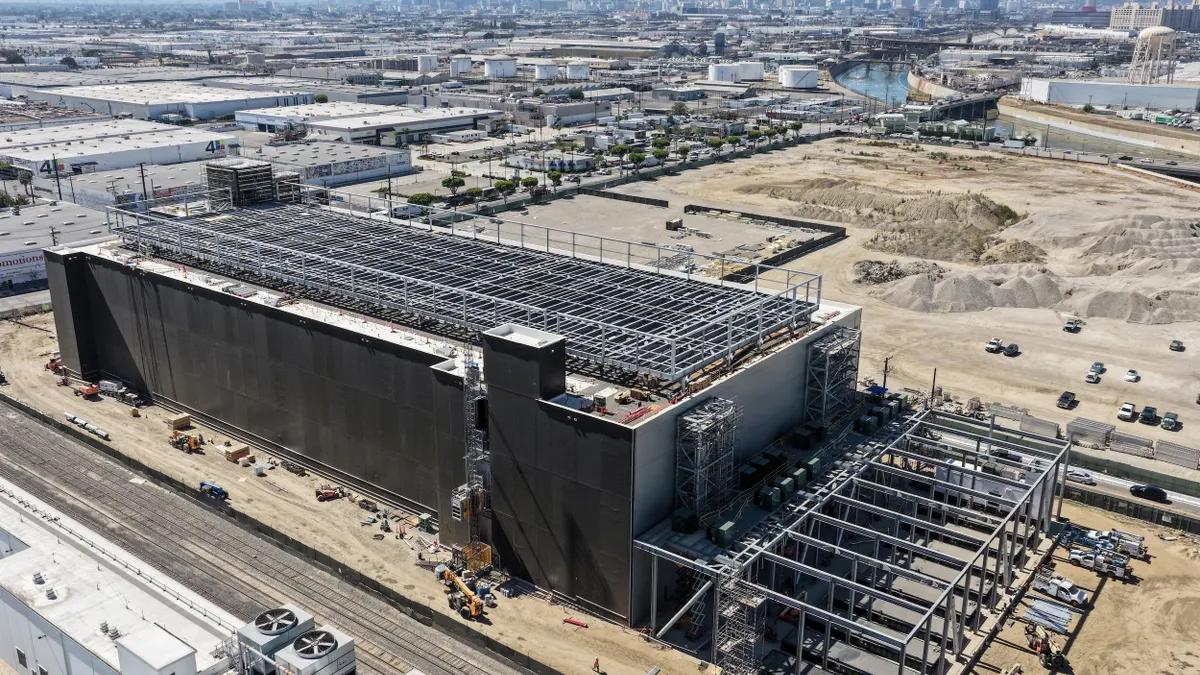
SACRAMENTO, Calif. — In a sweeping legislative crackdown aimed at reining in the explosive growth of the tech industry, California Governor Gavin Newsom signed a robust package of seven bills into law on Monday, September 23, 2026. The new legislation fundamentally shifts the financial and environmental responsibilities of powering and cooling the state’s digital infrastructure.
Under the newly enacted laws, data center developers across the Golden State will now be legally required to fully disclose their comprehensive energy and water consumption, shoulder the heavy financial burden of grid infrastructure upgrades, and undergo rigorous environmental reviews before breaking ground.
The move marks one of the most aggressive regulatory efforts by any U.S. state to address the unprecedented resource demands of the booming artificial intelligence and cloud computing sectors, signaling a major turning point in how state governments interact with Big Tech.
The Main Facts: What the New Laws Entail
As demand for data processing power skyrockets globally, California has emerged as a premier hub for digital infrastructure. However, this growth has come at a steep cost to local communities, natural resources, and everyday utility ratepayers.
The seven newly signed bills—comprising a mix of Senate and Assembly measures—establish a comprehensive framework designed to ensure that tech corporations, rather than local residents, pay for the externalities of their operations:
Grid Upgrades and Fair Share Costs (SB 1168, SB 886, SB 887): Developers are now mandated to pay for transmission and distribution upgrades, local load increases, and a larger share of wildfire mitigation and liability costs associated with the heavy electrical loads they draw.
Strict Environmental and Community Oversight (SB 886, SB 887): Data center projects must undergo thorough environmental reviews, giving local communities a formalized mechanism to voice concerns and maintain a say in developments within their jurisdictions.
Energy Transparency and Efficiency (AB 1577): Operators must submit monthly reporting metrics regarding energy consumption and efficiency directly to the California Energy Commission, while providing estimated energy usage to local planning agencies during the permitting phase.
Incentivizing Clean Energy (AB 2383): The state will actively incentivize developers to utilize onsite clean energy generation, reducing reliance on public grid capacity and promoting green technologies.
Water Scarcity and Conservation Mandates (AB 2469, AB 2619): Developers must complete comprehensive water supply assessments and develop detailed water scarcity plans during the permitting process, alongside statewide mandatory water reporting for business license acquisition and renewal.
Chronology: The Path to Landmark Legislation
The journey toward these historic regulations has been accelerated by the rapid, post-pandemic boom in generative artificial intelligence and high-performance computing. For years, local municipalities and utility watchdogs warned state lawmakers that existing regulatory frameworks were ill-equipped to handle the massive multi-megawatt facilities springing up across urban and suburban centers.
Early 2026: As energy grid strains became more pronounced and utility bills climbed, a coalition of California lawmakers introduced a wave of bipartisan and progressive bills targeting data center accountability. Committees on utilities, energy, and water began advancing parallel measures through the state legislature.
May 2026: Key legislative packages, including water transparency measures spearheaded by Assemblymember Diane Papan and broader consumer protection bills, successfully cleared major hurdles in both the Senate and Assembly. Lawmakers emphasized the urgent need to stop public utility subsidization of private tech campuses.
September 1, 2026: The California Legislature officially sent the comprehensive slate of data center ratepayer protection and environmental bills to Governor Newsom’s desk, backed by overwhelming support from consumer advocacy groups, environmentalists, and municipal leaders.
September 23, 2026: Governor Gavin Newsom officially signed the seven bills into law, enacting what policy analysts are calling the nation’s strictest regulatory regime for the data center industry.
Supporting Data: The Scale of California’s Digital Footprint
To understand the urgency behind Governor Newsom’s legislative action, one must examine the sheer volume of data infrastructure concentrated within California’s borders.
According to data compiled by Data Center Map, California is home to 296 active data centers. This gives the state the third-highest concentration of data facilities in the United States, trailing only behind larger land-mass states or specialized tax-haven hubs, but representing arguably the most densely populated urban footprints for such power-hungry facilities.
These facilities require constant, staggering amounts of electricity to run servers and even larger quantities of water to cool complex thermal systems.
The Energy Crunch: Modern hyperscale data centers often demand tens or even hundreds of megawatts of continuous power—equivalent to the electricity consumption of small cities. With California’s electrical grid already facing reliability challenges, extreme heat events, and wildfire threats, the unchecked addition of data center loads has threatened grid stability.
The Water Footprint: Millions of gallons of water are vaporized daily through cooling towers in arid regions across the state, exacerbating ongoing concerns over drought, groundwater depletion, and municipal water conservation.
Ratepayer Impact: Prior to the passage of SB 1168 and related bills, the multibillion-dollar investments required to upgrade transformers, substations, and high-voltage transmission lines to support new data centers were frequently socialized across all utility customers, indirectly forcing everyday families to subsidize the infrastructure needs of trillion-dollar technology corporations.
Official Responses and Political Reactions
The signing of the legislative package has drawn widespread praise from consumer advocates, environmental organizations, and state lawmakers who championed the bills, while prompting quiet re-evaluations among industry stakeholders.
Governor Newsom pulled no punches in his official statement following the bill-signing ceremony, framing the issue squarely around corporate responsibility and economic justice.
"Communities are left to deal with the consequences — higher electricity demand, grid constraints, water use, and pollution," Newsom said. "With these laws, we are ensuring that Californians remain in the driver’s seat — and that those profiting from data centers aren’t doing so at our expense."
Lawmakers who sponsored the individual components of the package echoed the governor’s sentiments, highlighting the urgency of protecting everyday citizens from soaring utility costs.
State Senator Jerry McNerney, author of SB 1168, pointed directly to the financial strain already felt by households across the state:
"Californians’ utility bills are already among the highest in the nation, and the rapid growth of data centers is threatening to send rates through the roof."
State Senator Steve Padilla, sponsor of SB 886 and SB 887, emphasized that the new laws establish a crucial baseline for corporate accountability:
"These are some of the nation’s strongest data center ratepayer protections — stopping Big Tech from sticking California families with the bill for their data centers."
On the water conservation front, Assemblymember Diane Papan, chair of the Assembly Water Committee and sponsor of AB 2469 and AB 2619, stressed the importance of tracking every resource consumed by massive server farms:
"Every drop counts. We cannot manage what we do not measure."
Assemblyman Rick Chavez Zbur, author of the clean energy incentive bill AB 2383, underscored the forward-looking nature of the regulatory framework:
"This helps California responsibly plan for the future of our electrical grid while keeping electricity costs down for consumers."
Broader Implications for the Tech and Construction Industries
The enactment of these seven laws is expected to trigger a significant ripple effect across the architecture, engineering, construction (AEC), and technology sectors, both within California and across the broader national landscape.
1. Shift in Site Selection and Design Strategies
Developers will no longer be able to select locations based solely on proximity to fiber-optic cables and cheap land. Moving forward, site selection teams must conduct exhaustive pre-construction due diligence regarding local water availability, regional grid capacity, and the feasibility of integrating onsite renewable energy generation (such as localized solar-plus-storage microgrids).
Furthermore, architectural designs will likely pivot heavily toward advanced closed-loop cooling systems that minimize water consumption, as well as heat-recovery systems that can repurpose server exhaust heat for nearby municipal or commercial use.
2. Slower Deployment Timelines
With mandatory environmental reviews now codified under SB 886 and SB 887, along with strict multi-agency reporting requirements, the timeline from initial concept to operational launch for California data centers is expected to lengthen significantly. Industry analysts predict that developers will need to allocate more time for public comment periods, local community engagement, and regulatory compliance filings.
3. A Potential Blueprint for Other States
As artificial intelligence adoption accelerates nationwide, other high-tech states—such as Texas, Virginia, Oregon, and Washington—are grappling with similar grid and resource strains. California’s legislative package is widely viewed as a test case. If these laws successfully curb utility rate hikes and environmental degradation without entirely driving tech investment out of the state, lawmakers across the country are expected to introduce similar "polluter-pays" and ratepayer-protection models.
4. Financial Re-allocations
Big Tech firms will have to bake substantial infrastructure and mitigation costs directly into their capital expenditure budgets for California projects. Rather than relying on public utility buildouts funded by residential ratepayers, tech giants will increasingly finance their own dedicated substations, transmission lines, and green energy power purchase agreements (PPAs).
Ultimately, California’s decisive legislative action signals the end of the "wild west" era for digital infrastructure development. By demanding total transparency and shifting the true cost of growth back onto the corporations reaping the profits, the state has set a new benchmark for balancing technological advancement with public welfare and environmental sustainability.