

Main Facts: A Paradigm Shift in Modern Living
This autumn, acclaimed interior designer Sarah Sherman Samuel is challenging homeowners to fundamentally re-evaluate their relationship with physical space. In collaboration with renowned luxury home brand Lulu and Georgia, Samuel has launched her latest seasonal furniture and decor lineup, aptly titled “Look Around.”
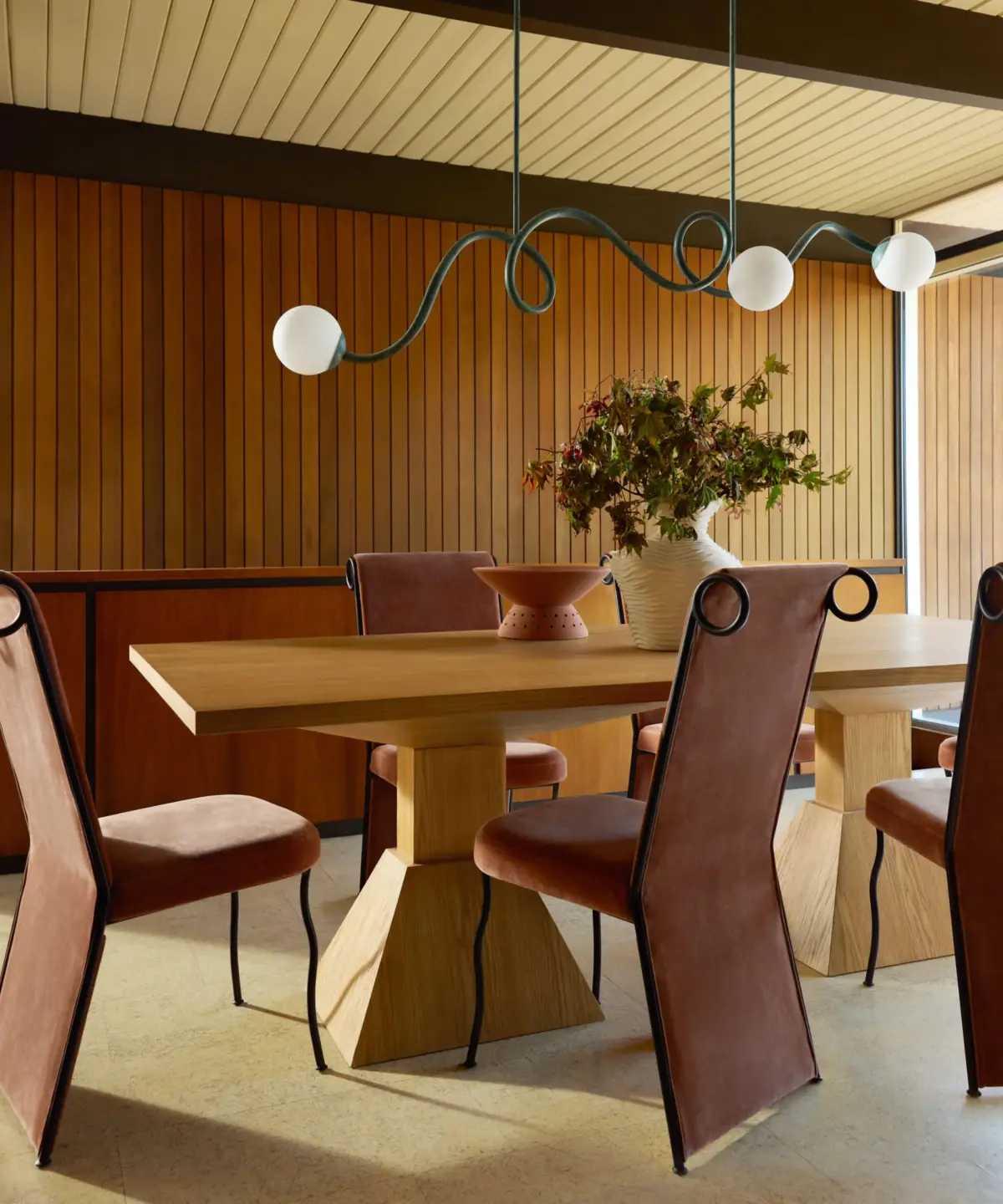
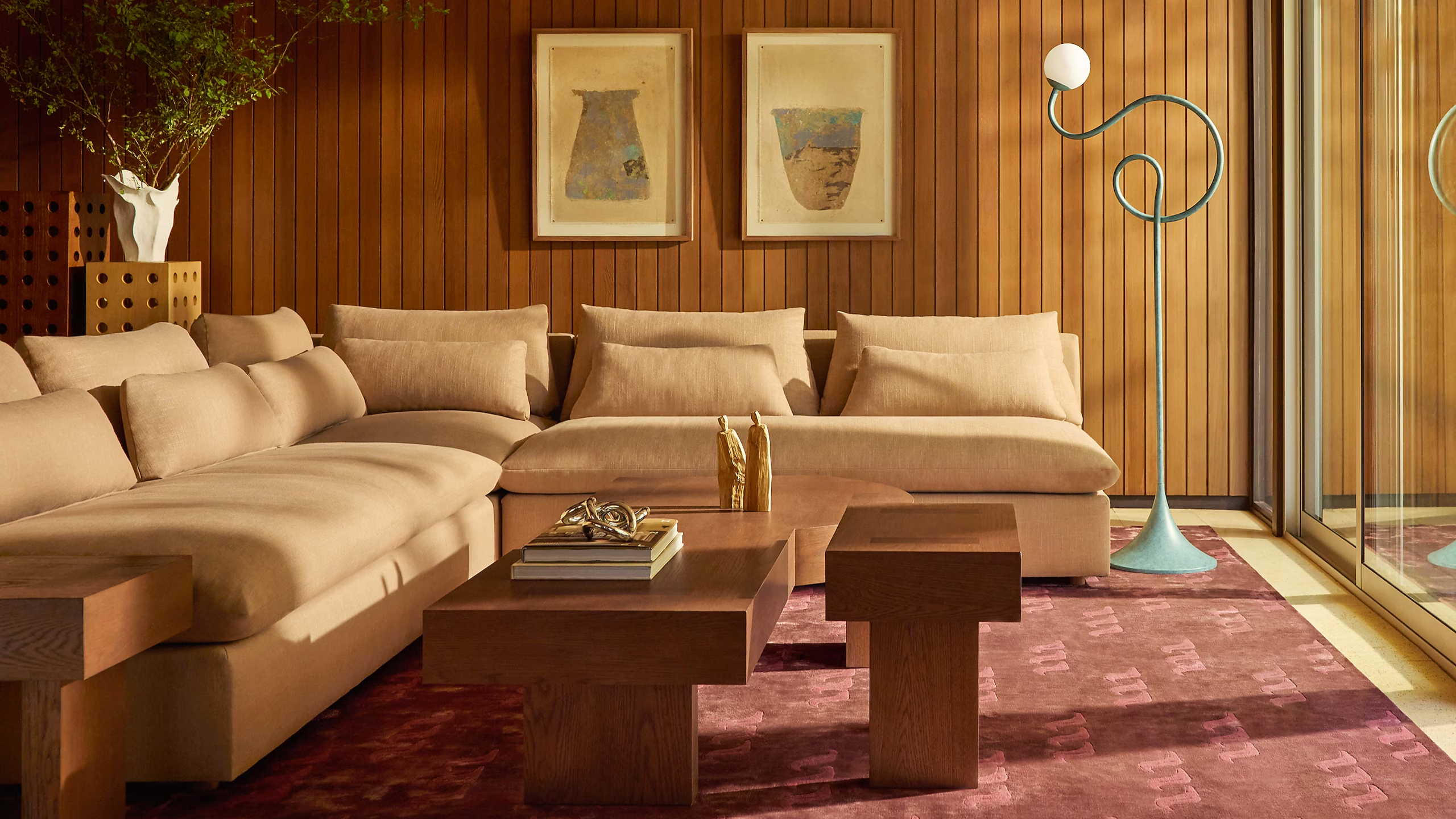
Designed to push the boundaries of conventional residential aesthetics, the collection bridges the gap between structured architectural forms and playful, surrealist geometry. Rather than relying on predictable symmetry or safe minimalism, the "Look Around" collection leans heavily into tactile contrasts, exaggerated curves, and experimental silhouettes. Key items drawing early acclaim include the twisting, doodle-inspired Calliope Floor Lamp, the fluid-framed Lenkki Dining Chair, and the stark, architectural anchor of the Lincoln Dining Table.
The collaboration marks a significant continuation of Samuel’s ongoing partnership with Lulu and Georgia, signaling a broader industry shift toward expressive, narrative-driven interiors that reject sterile uniformity in favor of warmth, character, and individualistic expression.
Chronology: The Evolution of Samuel’s Design Philosophy
To understand the weight of the "Look Around" collection, it is essential to trace the trajectory of Sarah Sherman Samuel’s design evolution.
- Early Foundations and Multi-Disciplinary Roots: Before becoming a household name in interior architecture, Samuel built a diverse career spanning graphic design, textile creation, and surface pattern development. This multidisciplinary background instilled in her an innate understanding of scale, color theory, and spatial rhythm.
- The Rise of Modern Organicism: Over the past decade, Samuel became a central figure in popularizing "modern organic" design—a style defined by warm woods, earthy palettes, and clean lines. Her previous collaborations with Lulu and Georgia established her as a master of blending rustic comfort with sleek, contemporary sensibilities.
- The Transition to Surrealism and Movement (2024–Present): In recent collections, observers noted a distinct pivot away from straight lines toward more sinuous, organic geometry. This evolution culminated in the conceptualization of the "Look Around" line, where Samuel consciously sought to blur the lines between functional furniture and sculptural art.
- The Fall 2024 Launch: Officially debuting this autumn, the collection represents the realization of months of prototyping, material experimentation, and a unified vision to encourage consumers to literally and figuratively "look around" their living environments with fresh eyes.
Supporting Data: Trend Analysis and Material Breakdown
The launch of the "Look Around" collection arrives at a pivotal moment in the interior design landscape, aligning with broader consumer shifts toward emotional, tactile, and expressive home environments.
Key Material and Form Statistics
- Curve Dominance: Industry data compiled by home styling publications indicates a 42% year-over-year increase in consumer demand for curved and organic silhouettes in living room and dining spaces, a trend heavily leveraged in pieces like Samuel’s Vanne and Lenkki chairs.
- Mixed-Medium Craftsmanship: The collection utilizes a diverse palette of raw materials, balancing cold, architectural stone against warm, tactile upholstery:
- Natural Stone & Marble: Highlighted by the geometric precision of the Marmori Marble Mirror.
- Solid Hardwoods: Showcased through the robust, grounding presence of the Lincoln Dining Table and the classic craftsmanship of the Tali Sideboard.
- Innovative Metals and Textures: Exemplified by the heritage-inspired pleats of the Laskos Sconce Light contrasted against the avant-garde metal shades of the Kromi Flush Mount.
The Psychology of Contrast
Design psychologists note that contemporary homeowners are increasingly seeking psychological comfort through visual dynamism. By deliberately pairing rigidity and traditional craftsmanship (such as the Tali Sideboard) with fluid, modern whimsy (such as the Pida Coffee Table), the collection achieves a balanced tension. This deliberate contrast prevents spaces from feeling flat, creating layered environments that encourage prolonged engagement and visual exploration.
Official Responses and Industry Perspectives
The design community and corporate partners have responded with immense enthusiasm to the rollout of "Look Around," highlighting its refreshing departure from algorithmic, fast-furniture trends.
Sarah Sherman Samuel on the Vision Behind the Collection
In recent statements regarding the conceptual framework of "Look Around," Samuel emphasized the importance of emotional resonance in design:
"This collection is really about breaking out of visual autopilot. We get so used to walking through our homes the same way every day, seeing the same arrangements, and accepting standard forms. I wanted to create pieces that demand a second look—items that feel like imaginative doodles suddenly brought to life in physical space. It’s about introducing a sense of wonder and unexpected perspective back into everyday life."
Lulu and Georgia Leadership on the Partnership
Executives at Lulu and Georgia echoed these sentiments, pointing to Samuel’s unique ability to anticipate what consumers desire before they can articulate it themselves. A representative for the brand noted:
"Sarah has an extraordinary gift for translating high-end, editorial design into livable, soulful pieces. ‘Look Around’ captures a sense of joyful sophistication. It doesn’t take itself too seriously, yet the quality of craftsmanship and the architectural rigor behind every piece are unmistakably high-tier. It represents the exact direction modern luxury is heading."
Implications: What "Look Around" Means for the Future of Interior Design
The introduction of Sarah Sherman Samuel’s fall collection carries significant implications for both residential interior decorators and mass-market furniture manufacturers.

1. The Decline of Uniform Minimalism
For years, hyper-minimalist, monochromatic interiors dominated consumer markets. The success and critical reception of "Look Around" underscore a definitive pivot toward maximalist expressionism—where personality, quirkiness, and tactile depth take precedence over sterile perfection. Homeowners are increasingly willing to invest in statement pieces that spark conversation rather than blending into the background.
2. Art as Function
By treating furniture as habitable sculpture—evidenced by cape-backed dining chairs and squiggle-inspired lighting—the collection blurs the boundary between fine art and utility. This trend suggests that future consumers will look for everyday home goods that double as individual art installations, elevating the baseline aesthetic of the American household.
3. Mindful Spatial Engagement
Ultimately, the core philosophy of "Look Around" extends beyond mere consumerism; it is a philosophy of mindfulness within the home. As hybrid work models and domestic-centric lifestyles continue to influence how we use our spaces, the demand for interiors that continually inspire, comfort, and surprise us will only grow. Sarah Sherman Samuel’s latest curation serves as both a practical toolkit and a philosophical blueprint for the future of modern living.
