

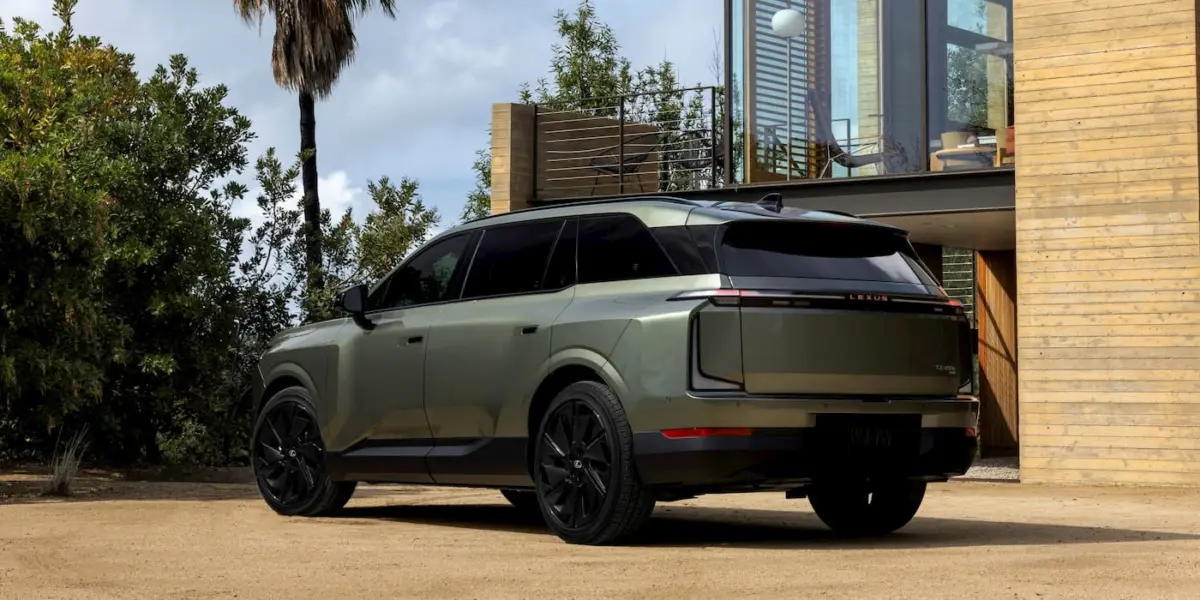
Main Facts: The Debut of Lexus’s First Three-Row All-Electric Flagship
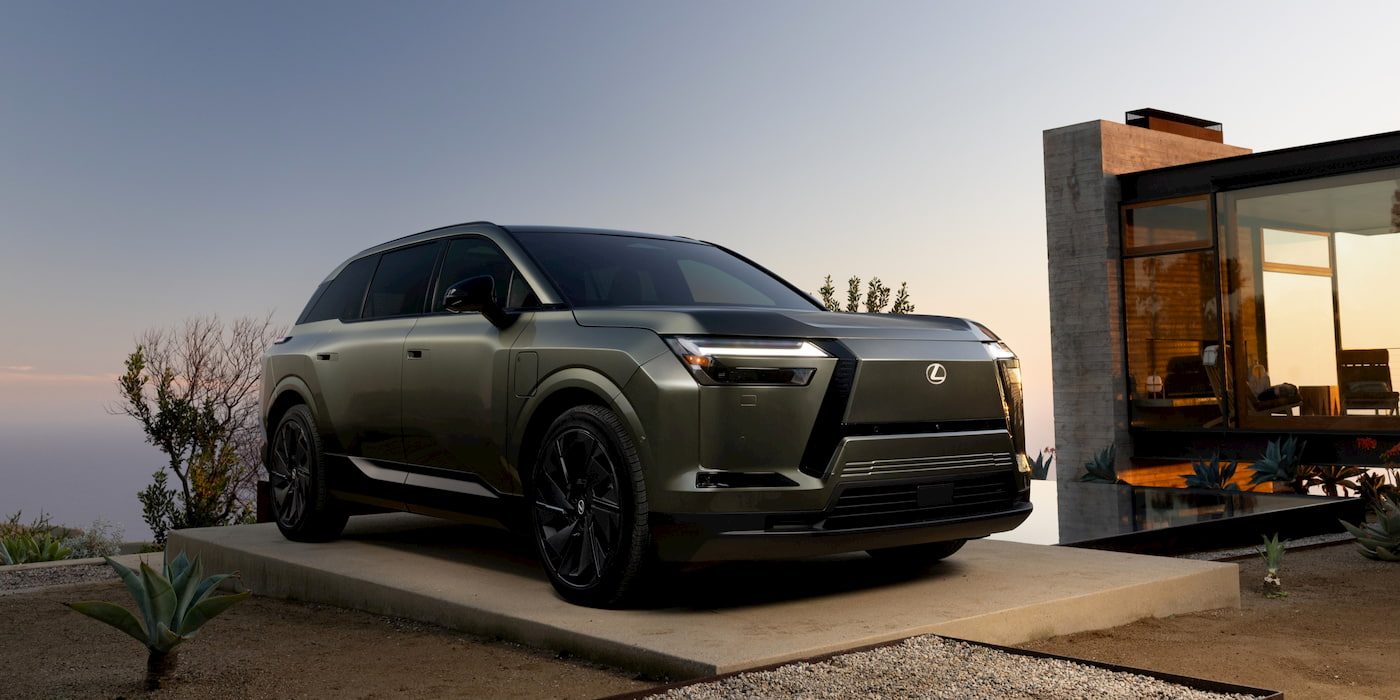
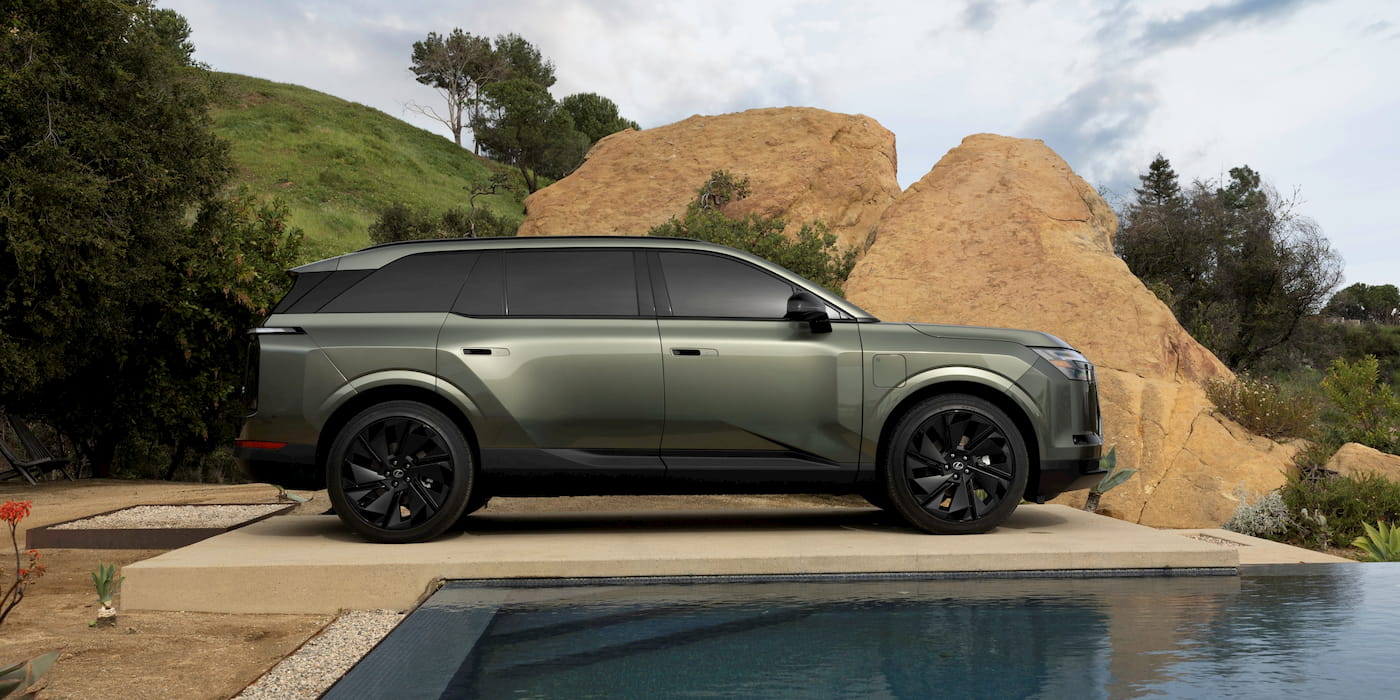
Lexus has officially pulled back the curtain on its highly anticipated entry into the three-row all-electric SUV segment. Confirming its rollout schedule, the brand announced that the 2027 Lexus TZ will officially go on sale later this year, carrying a starting price under $65,000. Designed to bridge the gap between mainstream family haulers and ultra-luxury zero-emission transport, the TZ arrives as a pivotal vehicle in Lexus’s broader electrification strategy.
Sharing its core architecture with forthcoming sibling vehicles within the Toyota and Subaru corporate family, the TZ is engineered to carve out a distinct identity through luxury craftsmanship, bespoke driving dynamics, and cutting-edge technology. Available in three distinct trim levels—the Premium AWD, Premium Touring AWD, and the flagship Luxury AWD—the TZ offers buyers a choice of two battery packs, an evolved dual-motor all-wheel-drive system, and a maximum EPA-estimated driving range of up to 315 miles on a single charge.
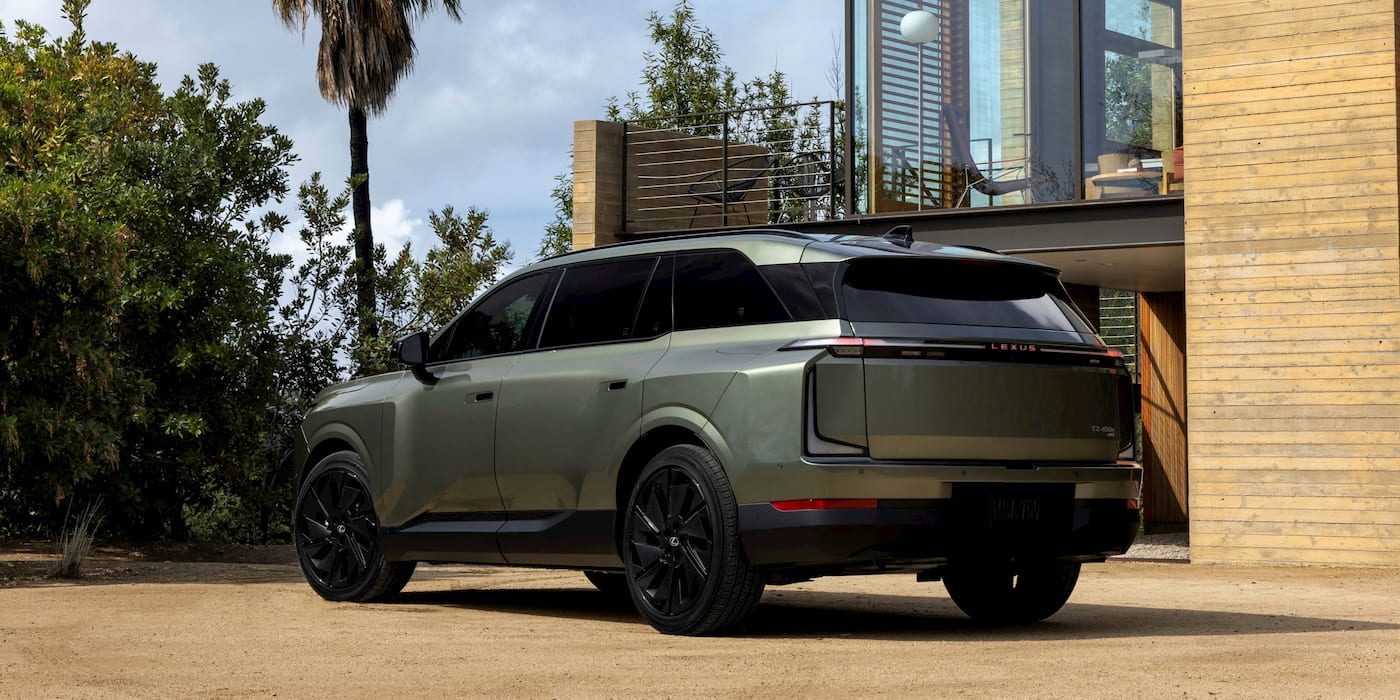
With overall dimensions measuring 200.8 inches in length, 78.3 inches in width, and 67.1 inches in height, alongside a generous 120.1-inch wheelbase, the Lexus TZ matches the physical footprint of established market competitors such as the Hyundai IONIQ 9 and the Volvo EX90. However, by beating corporate cousin Toyota—whose own Highlander BEV has been delayed to the 2028 model year—to market, Lexus has secured a crucial head start in the battle for family-oriented EV buyers.
Chronology: From Concept Whispers to Late-2026 Launch
The journey toward the 2027 Lexus TZ has been marked by strategic shifts, timeline adjustments, and rigorous development cycles within the global automotive landscape.
- Early Development & Platform Sharing: The foundational framework for the TZ was conceptualized alongside Toyota’s broader modular BEV architecture. Designed to underpin large-scale family vehicles, the platform was tailored to accommodate flexible battery configurations and multi-row seating.
- Initial Performance Projections (Mid-2025): Early industry previews and manufacturer disclosures suggested that the luxury three-row SUV would target aggressive performance figures, with initial estimates pointing toward a muscular 402 horsepower output from its dual-motor setup.
- Timeline Adjustments (September 2026): Strategic scheduling shifts at parent company Toyota resulted in the delay of the Highlander BEV and Subaru Getaway until the 2027 calendar year (arriving as 2028 models). Crucially, Lexus managed to fast-track its timeline, positioning the TZ to beat its corporate stablemates to showrooms.
- Official Pricing and Range Reveal (Late September 2026): Lexus confirmed finalized specifications, revealing staggered release dates for the vehicle’s three trim variants:
- Late 2026: The base TZ 450e Premium AWD launches first.
- Early 2027: The high-range Premium Touring AWD and top-spec Luxury AWD arrive at dealerships.
Supporting Data: Pricing, Range, Performance, and Specifications
A deep dive into the mechanical and financial metrics of the 2027 Lexus TZ reveals a vehicle built to balance capability, efficiency, and tier-specific luxury.
Trim-by-Trim Breakdown and Pricing
All published pricing includes a standard $1,550 delivery, processing, and handling fee:
| 2027 Lexus TZ Trim | Launch Timeline | Battery Capacity | Driving Range (EPA-Est.) | Starting Price (Incl. Delivery) |
|---|---|---|---|---|
| TZ 450e Premium AWD | Late 2026 | 76.96 kWh | 253 miles | $64,050 |
| TZ 450e Premium Touring AWD | Early 2027 | 95.82 kWh | 315 miles | $72,050 |
| TZ 450e Luxury AWD | Early 2027 | 95.82 kWh | 279 miles | $80,550 |
Battery, Charging, and Powertrain Dynamics
The TZ offers buyers two distinct energy storage solutions: a smaller 76.96 kWh pack featured on the entry-level Premium trim, and a larger 95.82 kWh pack utilized by the Touring and Luxury variants. While initial internal estimates projected a 320-mile ceiling for the larger pack, official EPA testing has certified the Premium Touring model at an impressive 315 miles of range. The heavier, feature-laden Luxury trim sees a slight reduction down to 279 miles due to added amenities and equipment weight.
Charging capabilities are optimized for modern road-tripping infrastructure. The TZ supports DC fast-charging at speeds up to 150 kW, enabling a 10% to 80% replenishment cycle in approximately 35 minutes. Furthermore, Lexus has equipped the vehicle with an integrated North American Charging Standard (NACS) port, granting owners native, adapter-free access to Tesla’s sprawling Supercharger network.
Powering the vehicle is an "evolved" iteration of Lexus’s proprietary DIRECT4 AWD system. Utilizing dual electric motors, the system delivers a combined output of 308 horsepower. While this figure represents a noticeable scaling back from early 402-horsepower projections, the powertrain is explicitly tuned for smooth, linear power delivery and responsive all-weather traction rather than raw track performance.
Official Responses and Engineering Philosophy
Speaking on the development of the TZ, Lexus engineering and executive teams have heavily emphasized that despite sharing a genetic blueprint with Toyota and Subaru models, the electric SUV will deliver an unmistakably authentic luxury experience.
"Our objective was never merely to dress up a shared platform," noted a senior Lexus product planner during the vehicle’s briefing. "The TZ is a true Lexus from the structural metal upward. Every element—from acoustic glass application to chassis rigidity—has been calibrated to meet the exacting standards of our discerning clientele."
To achieve this, Lexus engineers applied significant structural reinforcement to the vehicle’s core body architecture. They also integrated a finely tuned suspension setup accompanied by dynamic rear steering, a feature designed to enhance low-speed maneuverability in urban environments while stabilizing high-speed highway cruising.
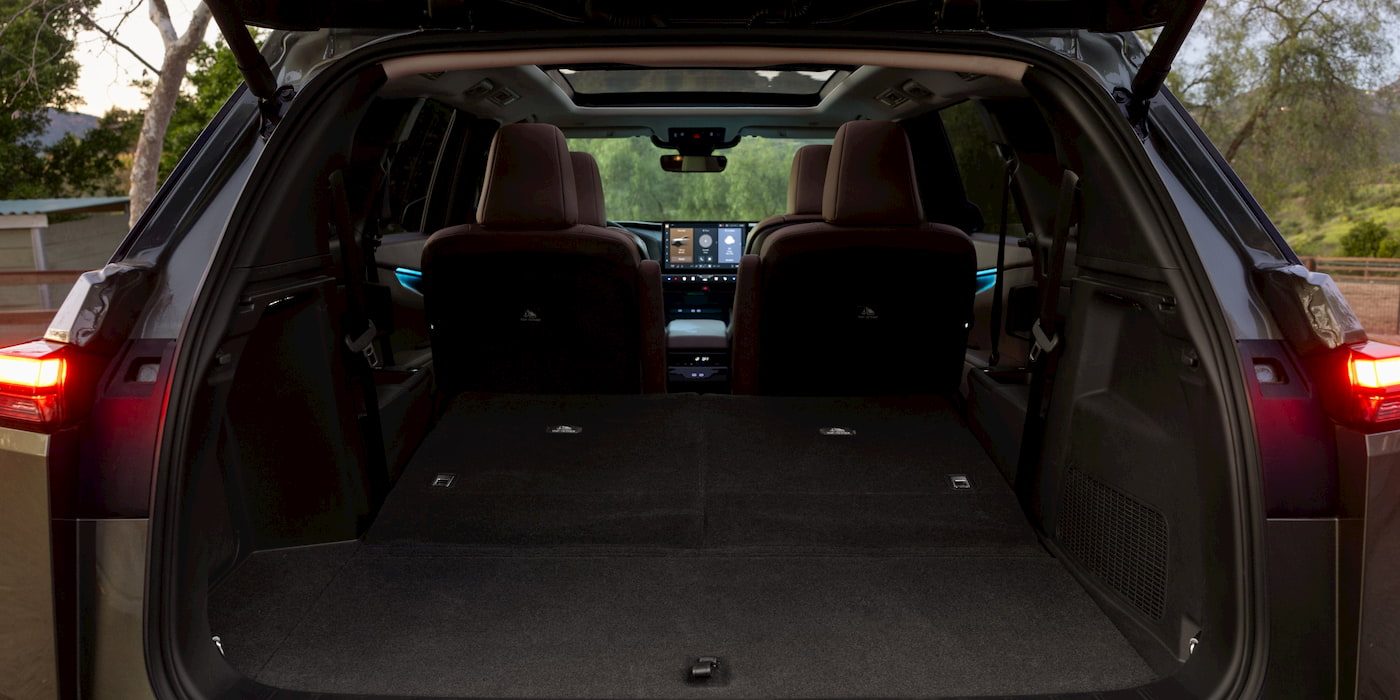
On the digital front, the cabin features the latest generation of the Lexus Interface multimedia system. This upgraded software suite introduces highly customizable home-screen widgets, a significantly faster and more intuitive Voice Assistant, and full-screen navigation integrated directly into the digital gauge cluster. Recognizing the unique needs of electric vehicle owners, Lexus has also embedded specialized native tools, including EV Routing and an interactive EV Range Map, designed to dynamically calculate remaining battery reserves against topography and traffic conditions to suggest optimal charging stops.
Market Implications: Competitive Positioning and Industry Impact
The arrival of the 2027 Lexus TZ carries profound implications for the luxury electric vehicle landscape, particularly within the booming three-row segment.
Navigating the Competitive Landscape
Priced with a base MSRP starting just beneath the $65,000 threshold ($64,050), the TZ occupies a very strategic pricing niche. It undercuts heavy-hitting European luxury alternatives—such as the Volvo EX90, which starts at $78,090—while positioning itself slightly above mainstream large electric crossovers like the Hyundai IONIQ 9, which opens at $60,555.

By threading this needle, Lexus is targeting affluent family buyers who desire the prestige, dealership network, and interior refinement associated with a luxury badge, but who remain conscious of value relative to six-figure flagship SUVs.
The Strategic Advantage of Timing
Perhaps the most potent weapon in the TZ’s market arsenal is timing. By successfully accelerating its production timeline to bring the TZ to showrooms ahead of corporate cousin Toyota’s Highlander BEV and the Subaru Getaway, Lexus captures early-adopter luxury buyers who might otherwise have waited years for a Japanese-engineered three-row EV. Additionally, the inclusion of native NACS compatibility neutralizes one of the most common consumer hesitations regarding non-Tesla electric vehicles—range anxiety and charging infrastructure friction.
As legacy automakers recalibrate their EV rollout cadences amid shifting market demand, Lexus’s decisive move with the TZ signals that traditional luxury brands are ready to compete aggressively on price, practical range, and ecosystem convenience. Whether the market responds enthusiastically to the 308-horsepower output and tiered pricing structure will become clear when the first models arrive at dealerships later this year.
