

By Electrek Newsroom
Published: September 2026
Main Facts
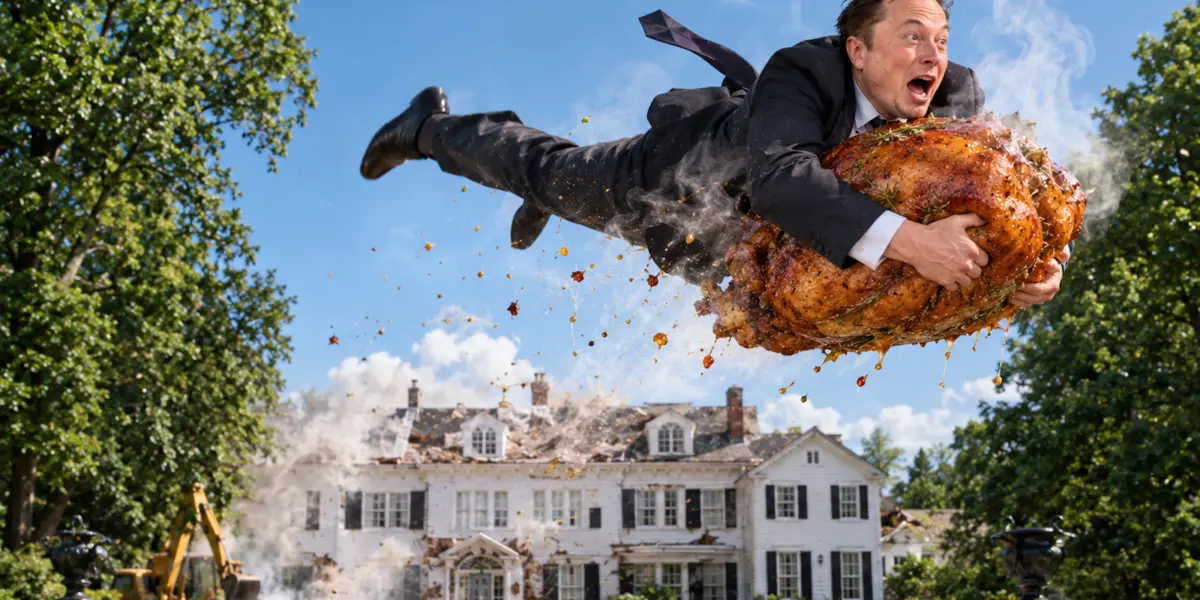
In what has become a familiar rhythm for the electric vehicle community, Tesla CEO Elon Musk has once again pushed back the much-anticipated unveiling of the next-generation Tesla Roadster. Originally scheduled to show off its alleged "flying" capabilities on October 1st, the debut has been delayed by another two weeks, reportedly due to unfavorable weather conditions.
This latest postponement adds yet another chapter to a saga that has stretched across nearly a decade of shifting timelines, missed production targets, and lofty promises. For reservation holders who put down quarter-million-dollar deposits nearly ten years ago for a vehicle they have never driven, touched, or even seen in its final production form, the wait continues.
Meanwhile, regulatory hurdles are mounting across the Atlantic. The European Union has officially delayed its vote to approve Tesla’s Full Self-Driving (Supervised) software until at least December. This regulatory pump-braking comes at a critical time for the company as it attempts to scale its autonomous ambitions globally while grappling with the complex legal, ethical, and technological liability questions surrounding robotaxi deployments.
Chronology of a Delayed Dream: The Roadster Timeline
To understand the frustration of reservation holders and industry watchers, one must look back at the remarkably protracted timeline of the Tesla Roadster 2.0.
- November 2017: Tesla holds a surprise unveiling event where Elon Musk pulls the Roadster 2.0 out of the back of a Semi truck. Musk makes staggering claims: 0 to 60 mph in 1.9 seconds, a top speed exceeding 250 miles, a 620-mile range, and an optional "SpaceX package" featuring cold gas thrusters that would allegedly allow the car to "hover." Reservations open immediately, requiring a $50,000 base deposit, with the "Founder’s Series" requiring the full $250,000 upfront.
- 2020–2021: Production is repeatedly pushed back as Tesla prioritizes the Model Y, the Cybertruck, and scaling global manufacturing capacity for its core high-volume vehicles. Musk notes that the Roadster is not a "crucial" volume driver and takes a backseat to engineering challenges.
- 2021–2023: Musk repeatedly hints at updated designs, suggesting that engineering work is wrapping up and production will begin "next year." However, prototypes remain scarce, and public demonstrations are virtually nonexistent.
- Early 2024: Musk takes to social media to announce a radical re-collaboration with SpaceX, teasing that the production design is finalized and that the vehicle will debut later in the year, with production slated to begin the following year.
- Late 2026: The goalposts move yet again. An October 1st reveal date is scuttled due to weather forecasts, shifting the timeline out by another fortnight. After nine years of waiting, the automotive world is left wondering if the "flying" Roadster will ever truly materialize outside of digital renders and promotional talking points.
Supporting Data: The Economics of Anticipation and Autonomy
The financial mechanics surrounding Tesla’s vaporware products and regulatory timelines paint a fascinating picture of consumer loyalty and corporate strategy.
The $250,000 Upfront Investment
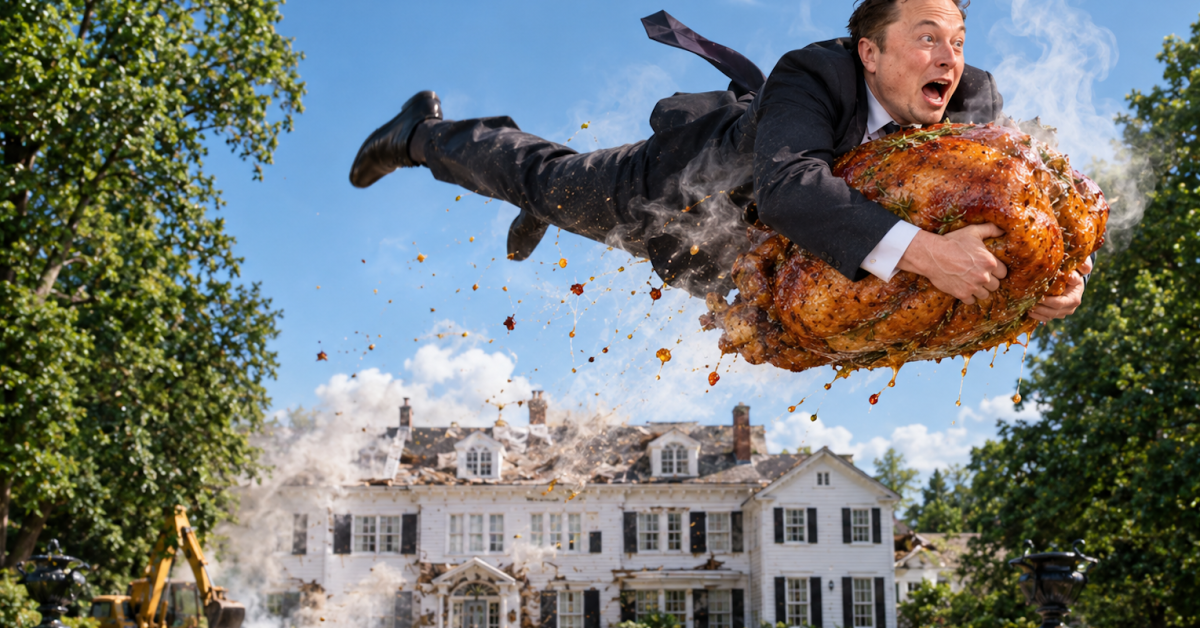
When Tesla opened reservations for the Founder’s Series Roadster in 2017, it secured millions of dollars in interest-free loans from early adopters and ardent fans. For nearly a decade, these consumers have tied up significant capital. To put this into perspective, a $250,000 investment placed into a modest index fund in late 2017 would have nearly doubled over the same nine-year period. Instead, those funds have remained parked in Tesla’s accounts, tied to a vehicle that serves more as a mythological symbol of technological ambition than a tangible consumer good.
The Regulatory Bottleneck in Europe
Tesla’s expansion of Full Self-Driving (Supervised) into international markets faces stiff resistance from European safety regulators. The EU’s General Safety Regulation (GSR) and the strict oversight managed by bodies like Germany’s Federal Motor Transport Authority (KBA) and the broader European Commission require exhaustive validation before permitting higher levels of driver assistance on public roads.
The decision to push the FSD vote to December reflects the cautious stance European regulators are taking toward autonomous systems, particularly in dense, complex urban environments unique to European cities. Unlike the regulatory patchwork found across various U.S. states, the EU operates under a harmonized framework where liability and safety margins are intensely scrutinized.
Official Responses and Industry Reactions
The latest delay and regulatory roadblocks have drawn mixed reactions from industry analysts, consumer advocates, and the broader tech community.
Tesla’s official stance, communicated primarily through Musk’s social media channels and company broadcasts, remains characteristically casual regarding timelines, framing engineering perfection and environmental conditions as legitimate reasons for caution. However, the corporate tone stands in stark contrast to the growing fatigue expressed by automotive journalists and long-term investors.
Consumer groups and safety watchdogs have seized on the EU’s delay regarding FSD. The debate over autonomy liability—specifically, who bears legal responsibility when an autonomous or semi-autonomous vehicle crashes—has become a central friction point. While Tesla maintains that human drivers remain fully responsible under "Supervised" modes, critics argue that the marketing nomenclature creates a dangerous gray area that encourages driver complacency.

Public sentiment, gauged through various automotive forums and podcast listener feedback, highlights a deep ideological divide. Die-hard supporters continue to defend the delays, arguing that revolutionary technology cannot be rushed and that Musk’s ambitious targets are merely victims of their own high-water mark. Conversely, skeptics view the repeated delays as a recurring pattern of over-promising and under-delivering designed to maintain stock momentum and distract from core manufacturing challenges.
Implications for the Future of Tesla and the EV Market
The convergence of delayed halo products and stalled regulatory approvals carries significant implications for Tesla’s market positioning as it transitions into the second half of the decade.
1. Brand Equity and Halo Vehicles
Halo cars like the original Roadster (which saved the company in its infancy) and the Roadster 2.0 are designed to serve as technological showcases that halo-effect the entire brand. When a halo vehicle is delayed for nearly a decade, it risks becoming a running joke rather than a beacon of innovation. As competitors from traditional luxury automakers and new EV startups bring genuine high-performance electric supercars to market, Tesla risks ceding the bleeding-edge performance crown it held uncontested for years.
2. The Global Autonomy Race
The EU’s delay on FSD approval underscores the geopolitical and regulatory fragmentation of the autonomous vehicle market. While Tesla continues to gather massive datasets on North American roads, its inability to deploy advanced driver-assistance features in Europe slows its transition toward a software-and-services-driven revenue model. If European regulators maintain strict boundaries, Tesla may be forced to fundamentally alter its software architecture or deploy region-specific iterations to comply with local safety laws.
3. Consumer Trust and Accountability
The intersection of the Roadster delays and the FSD liability debate touches on a broader question of corporate accountability in the tech and automotive sectors. When consumers are asked to finance vehicles that take nearly a decade to build—or trust software that shifts liability onto the driver while bearing names suggesting full autonomy—trust becomes the ultimate currency.
As the new target date for the Roadster reveal approaches, the automotive world watches with a mixture of eager curiosity and profound skepticism. Whether the vehicle will finally break cover in two weeks—and whether it will genuinely feature the physics-defying capabilities promised all those years ago—remains to be seen. But one thing is certain: in the world of Tesla timelines, the horizon is always just a little bit further away.
