As temperatures begin to drop and homeowners prepare for the inevitable chill of winter, the focus often turns to furnace tune-ups, heavy blankets, and sealing drafty windows. However, industry experts and environmental agencies point out that the single most critical battleground for home energy efficiency and structural preservation is located right above your ceiling: the attic.
According to data from the U.S. Environmental Protection Agency (EPA), properly insulating and sealing an attic can yield an average savings of 15 percent on heating and cooling costs. Beyond lowering monthly utility bills, a well-maintained attic acts as the cornerstone of a home’s thermal envelope, preventing costly winter catastrophes like ice dams, mold proliferation, and premature roof degradation.
Main Facts: Why Your Attic Determines Your Winter Experience
The attic is far more than an out-of-sight, out-of-mind storage space for holiday decorations and old photo albums. It is a dynamic thermodynamic system that directly interacts with the living spaces below and the harsh weather elements above.
When an attic lacks proper insulation, air sealing, or ventilation, warm indoor air naturally rises and escapes through tiny gaps, cracks, and penetrations in the ceiling. This phenomenon—known as the stack effect—pulls cold outdoor air into the lower levels of the house, creating uneven temperatures, cold drafts, and overworked HVAC systems.
Furthermore, escaping warm indoor air carries moisture. When this humid air hits the cold underside of a roof deck during freezing winter months, it condenses into water droplets. This moisture breeds mold, rots structural roof framing, damages insulation, and eventually leads to destructive ice dams along the eaves.
To help homeowners navigate these seasonal challenges, industry leaders have outlined a comprehensive, seven-step blueprint to inspect, repair, and optimize the attic before freezing weather sets in.
Chronology of Attic Maintenance: A Step-by-Step Seasonal Timeline
Preparing an attic for winter should be approached methodically. Attempting to insulate a space without sealing air leaks first, for example, renders the new insulation far less effective. Homeowners should follow a structured chronology to ensure maximum efficiency and safety.
Phase 1: Preparation and Safety
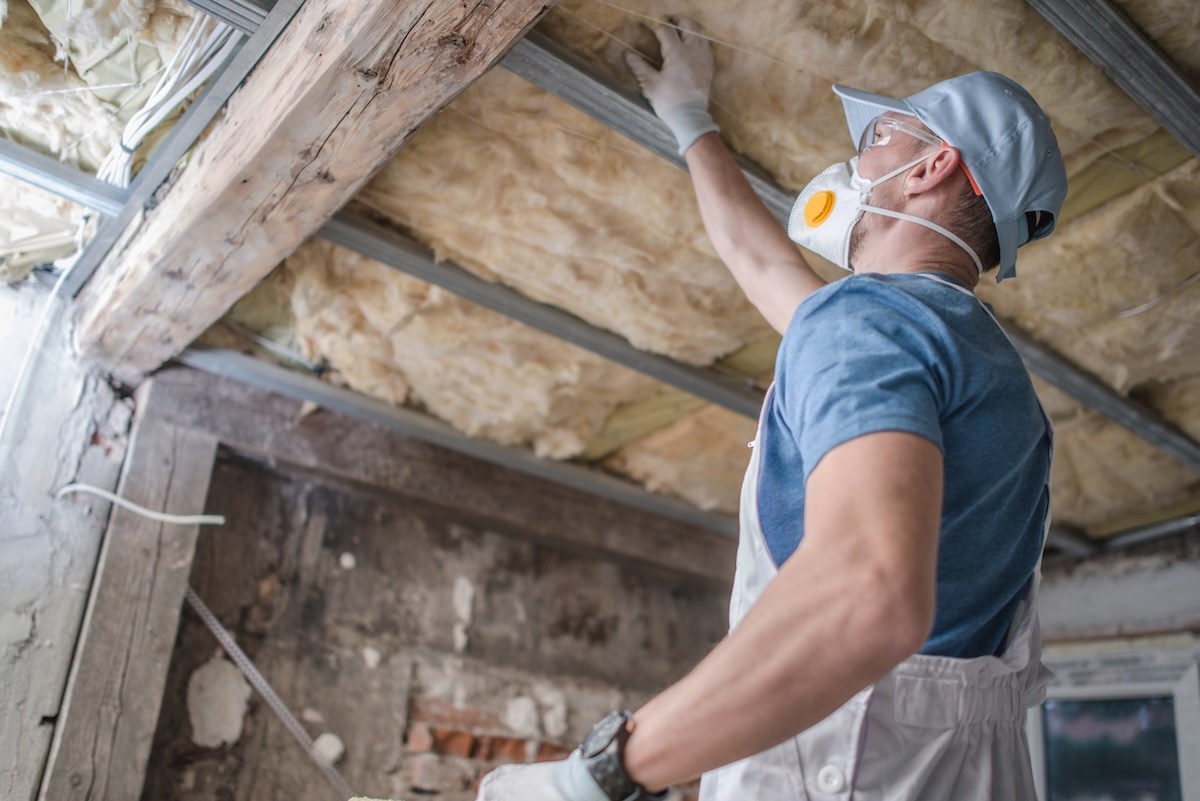
Before setting foot in an unfinished or semi-finished attic, prioritizing personal safety is paramount. Attics are notorious for harboring fiberglass fibers, dust, sharp framing nails, and occasionally, mold spores or pest waste.
Action Item: Always wear proper protective gear, including safety goggles, a dust mask or respirator, a hat, long sleeves, long pants, and closed-toe shoes. Ensure the attic is adequately lit before navigating the framing joists.
Phase 2: Sealing Air Leaks and Cracks
The first operational step in winterizing an attic is stopping air loss at its source.
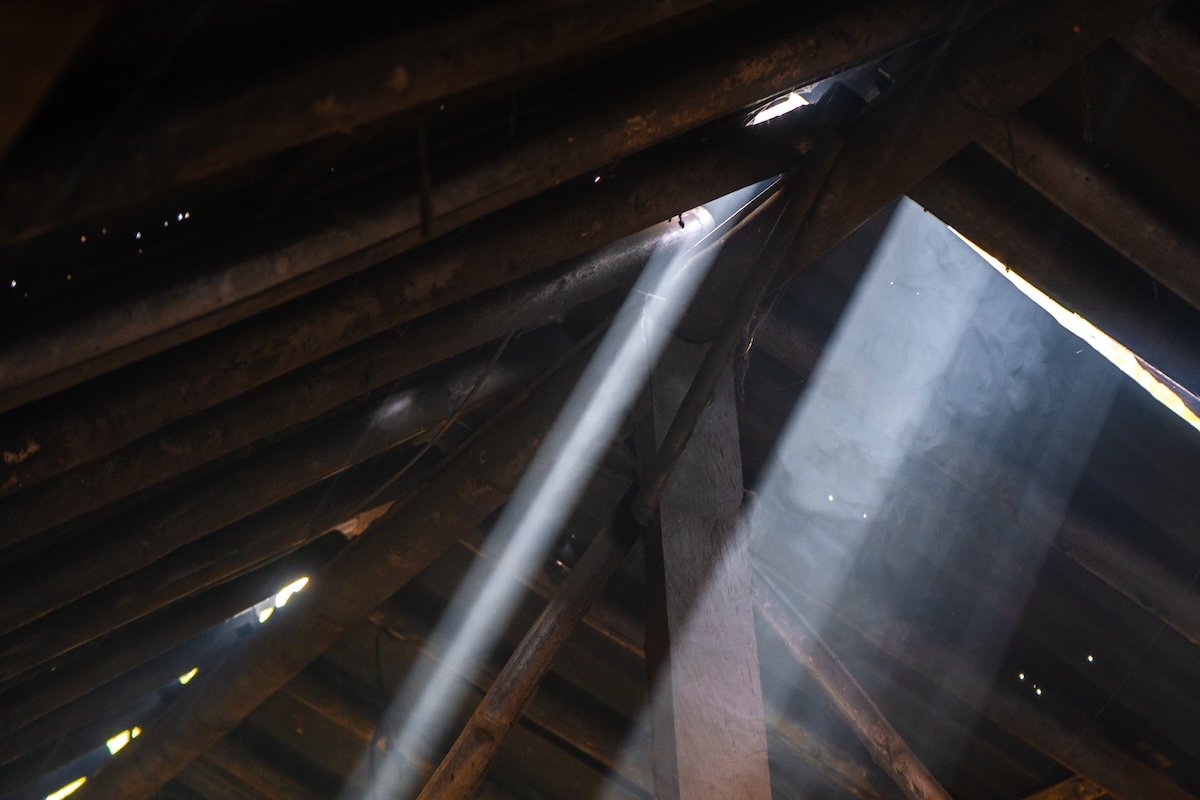
Action Item: Turn off all artificial attic lights and perform an inspection on a bright, sunny day. By blocking out indoor light, homeowners can easily spot tiny pinpricks of daylight filtering through the roof or ceiling deck. Additionally, look for dirty or dusty insulation patches, which serve as telltale signs of air leaking upward from the living space. Use high-grade caulk or expanding foam to seal gaps around plumbing penetrations, electrical wiring, recessed light fixtures, and attic access hatches.
Phase 3: Evaluating and Upgrading Insulation
Once air leaks are neutralized, the existing insulation must be evaluated.
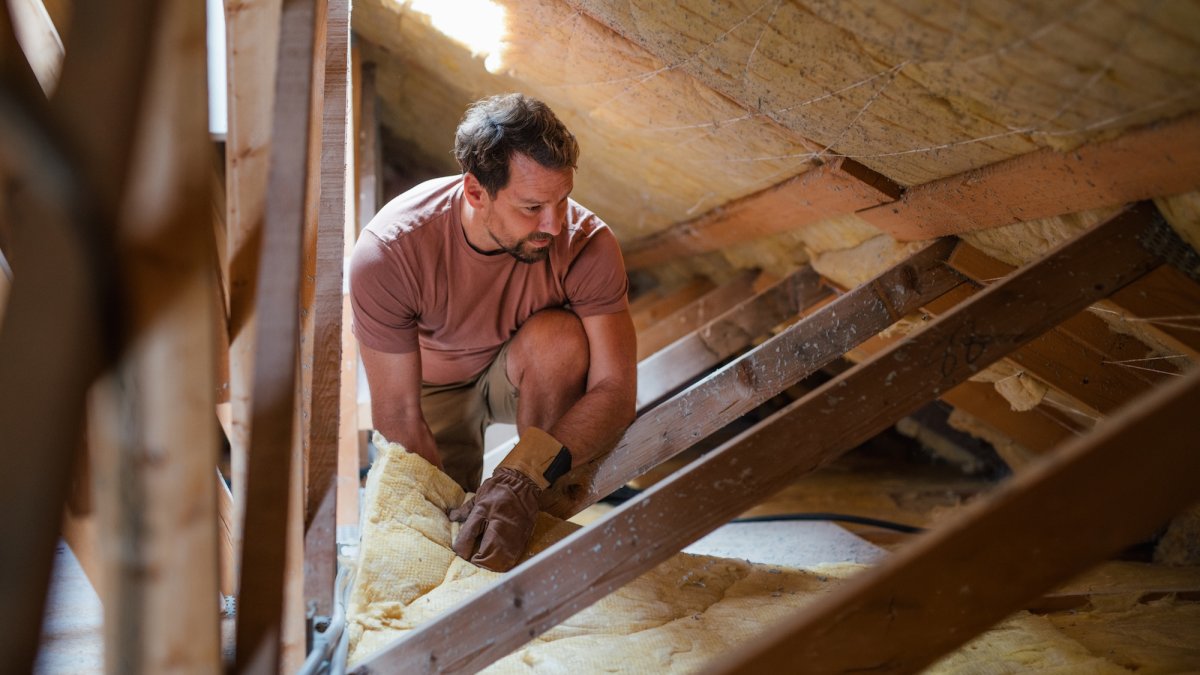
Action Item: Check the depth and condition of the insulation. Over time, materials can sag, compress, and lose their loft, diminishing their thermal resistance (R-value). If the insulation level falls below the floor joists or fails to meet regional recommendations—most U.S. climates require an R-38 value or higher—supplement it with fresh batts or blown-in insulation. Always remember: Seal first, then insulate.
Phase 4: Verifying Ventilation and Clearing the Roof
Proper attic ventilation ensures that outside air flows freely through the space, sweeping away residual moisture.
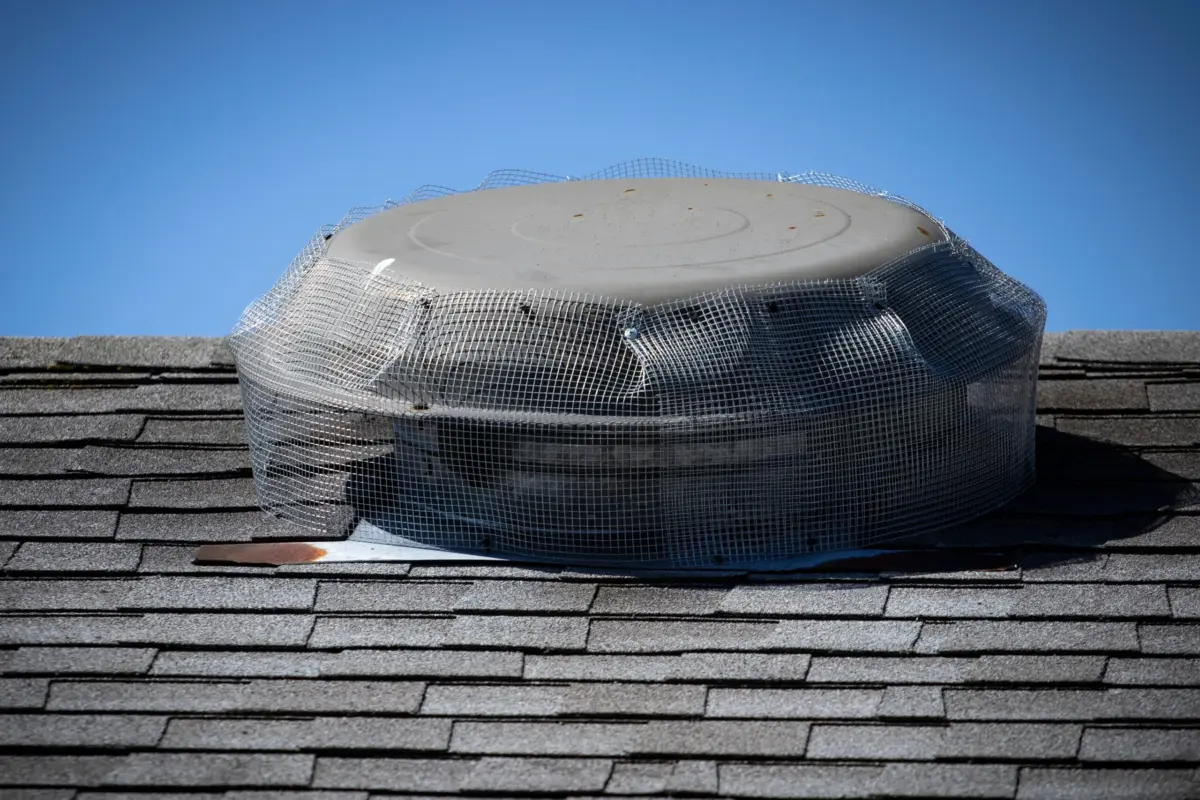
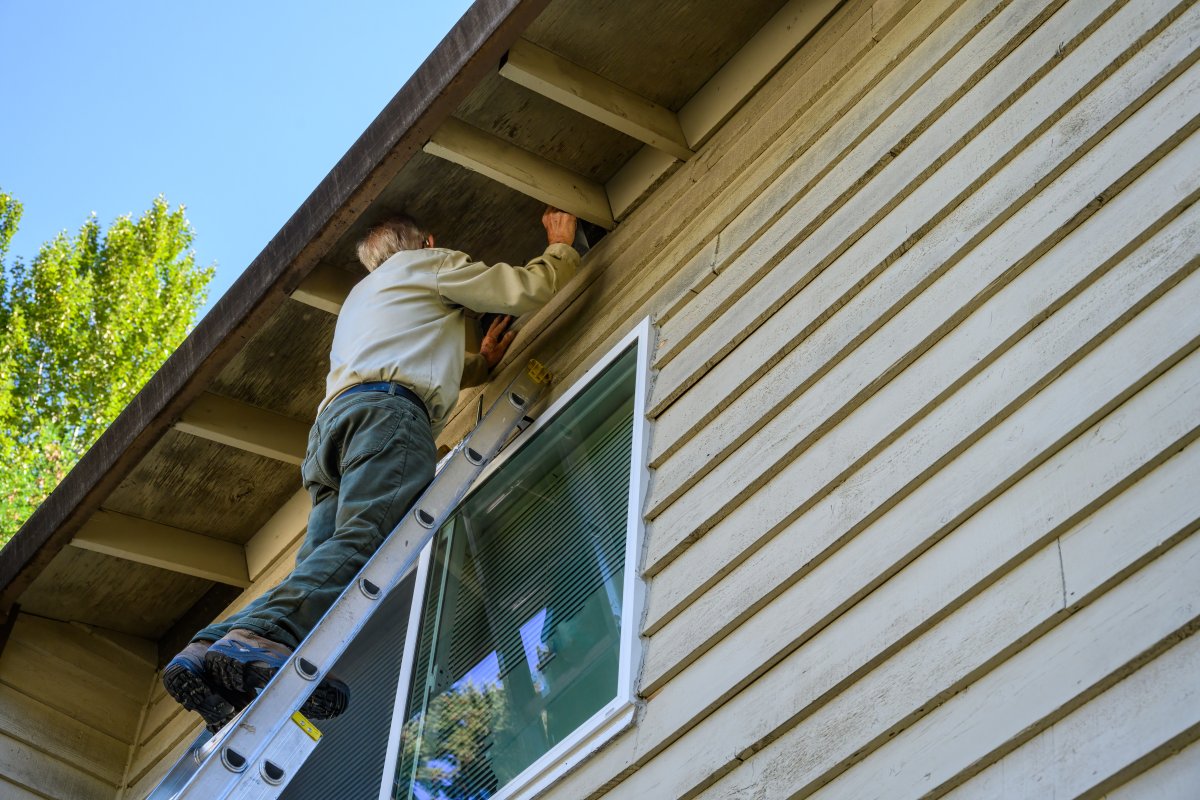
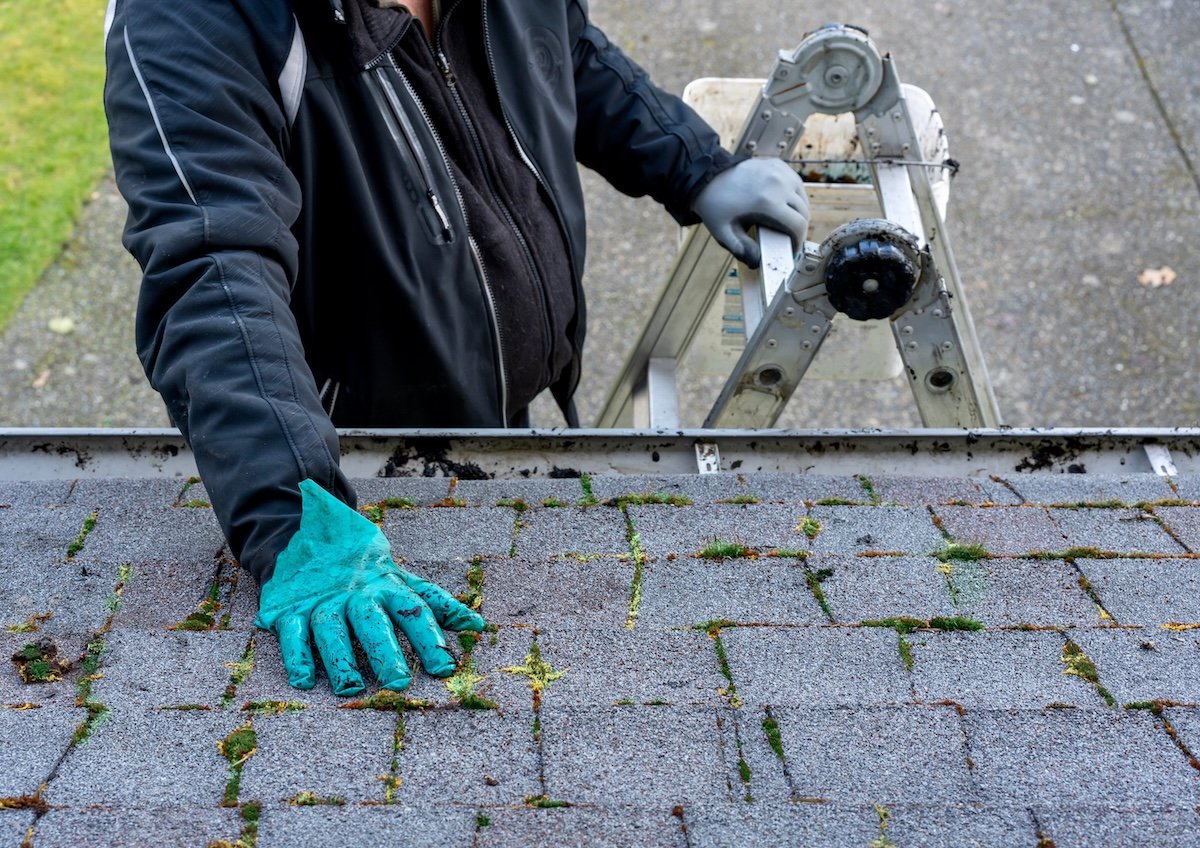
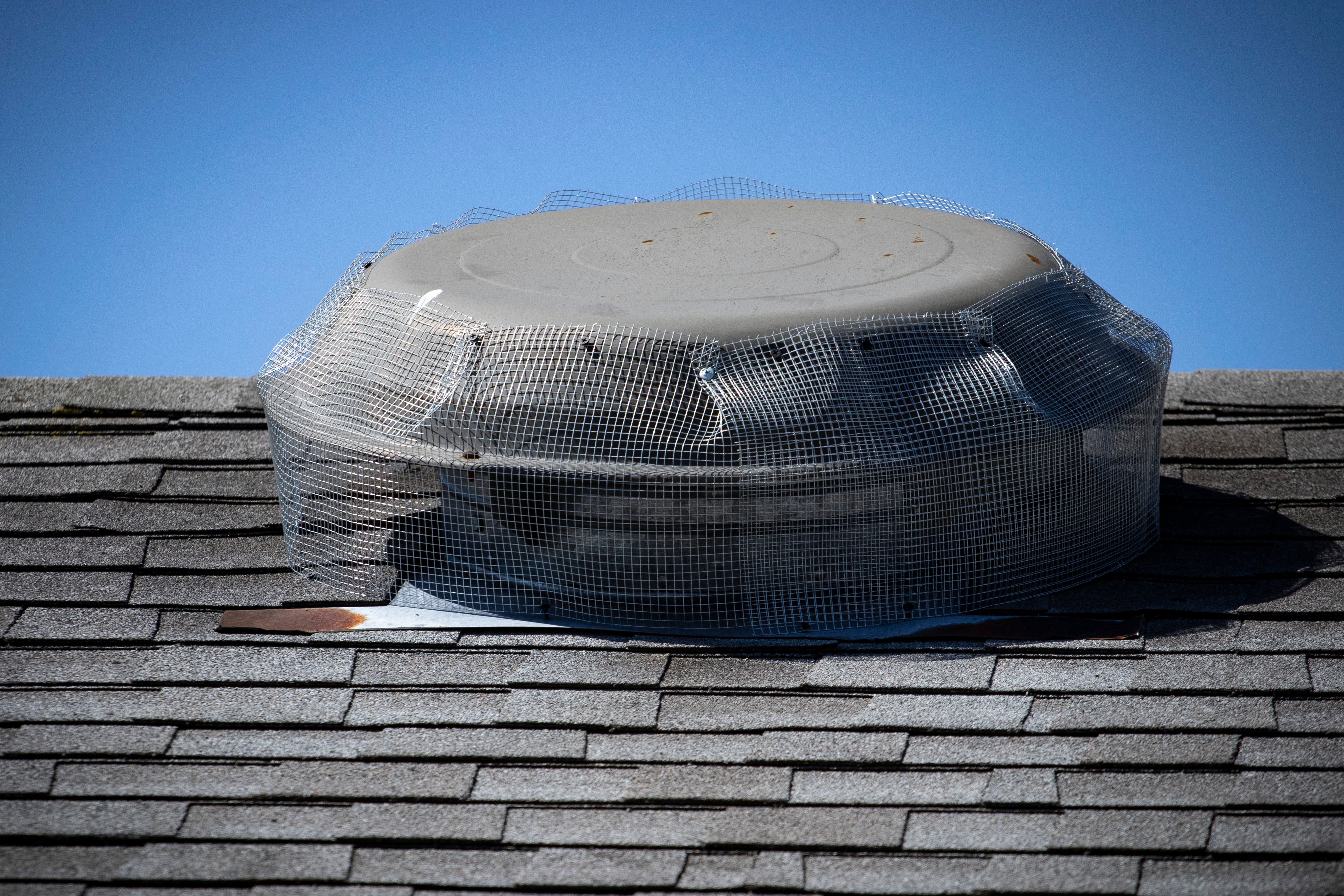
Action Item: Inspect soffit and ridge vents to ensure they are not blocked by insulation or debris. Check that motorized attic fans are clean and operational. Concurrently, inspect the exterior roof from the ground (or safely from a ladder) to clear away accumulated autumn leaves, branches, and moss that can trap water and weaken roofing materials.
Phase 5: Eradicating Pests and Cleaning Gutters
As temperatures drop outdoors, rodents and insects actively seek warm shelter inside homes, with attics being a prime target.
Action Item: Search the attic for droppings, chewed wiring, or damaged insulation. After sealing entry points to keep new pests out, deploy humane traps or contact a professional exterminator. Finish exterior preparations by clearing out gutters and downspouts to prevent heavy ice and water buildup that can damage the fascia and invite roof leaks.
Supporting Data and Technical Specifications
Understanding the technical standards behind attic maintenance empowers homeowners to make cost-effective decisions.
The 15 Percent Rule: The EPA’s widely cited figure indicates that air sealing and insulating attics (along with crawlspaces and basement rims) can trim up to 15 percent off heating and cooling costs, or roughly 11 percent of total energy costs.
R-Value Requirements: The thermal resistance of insulation is measured by its R-value. According to Department of Energy guidelines, insulation requirements vary by geographic zone, but cold-climate regions typically demand an attic R-value between R-49 and R-60, while milder regions require around R-30 to R-38.
The Danger of Compression: Research from building science experts shows that compressed fiberglass insulation loses a significant percentage of its rated R-value. If insulation is squashed down to fit into a shallow space or compressed by stored items, its ability to trap air and resist heat transfer is severely compromised.
Official Responses and Expert Insights
Industry professionals emphasize that a proactive approach to attic maintenance pays dividends not only in utility savings, but also in home longevity and family health.
"The attic should be seen as a critical part of the home’s thermal envelope," explains Mickey Chastain, Director of Product and Technical Training at Knauf Insulation, Inc. "When it’s properly insulated, it can help maintain consistent indoor temperatures, support heating efficiency, and reduce the risk of winter issues such as drafts, cold spots, and ice damming." Chastain also warns that neglecting the attic drastically increases the likelihood of moisture accumulation, mold colonies, and pest invasions.
Air quality and building performance experts echo these warnings. Sam Gordon, Owner of Air Quality Express, notes specific warning signs that property owners should monitor: "You should be concerned if rooms that run cold, ice-related roof issues, or heating bills climbing faster than they should usually point back to the attic."
Highlighting the mechanics of heat loss, Jeff Gordun, Vice President of Delivery (Phoenix) at Power Home Remodeling, points out a common DIY pitfall: "Most homeowners pile insulation on top of gaps around recessed lights, the attic hatch, and plumbing and wiring penetrations, but warm, moist air leaking up through those gaps is what drives both heat loss and winter condensation. Seal first, then insulate to the recommended depth."
Furthermore, Courtney Klosterman, Home Insights Expert at Hippo Insurance, emphasizes the interconnected nature of the roof and the attic. "Because attic issues often start with roof damage, keeping your roof and gutters maintained is a key part of getting your attic ready for winter," Klosterman advises, noting that dirty insulation is often the smoking gun for hidden air leaks.
Implications for Homeowners: Financial and Structural Impact
Failing to winterize your attic carries significant financial and structural implications that extend far beyond a single cold season.
Escalating Utility Bills: When warm air continually escapes through an under-insulated attic, heating systems must work overtime to maintain comfortable indoor temperatures. This constant cycling accelerates wear and tear on HVAC equipment, potentially leading to premature system failure and expensive replacement costs.
Structural Decay: Unchecked moisture accumulation in the attic attacks wooden roof rafters, ceiling joists, and drywall. Over time, wood rot compromises the structural integrity of the roof deck, creating a safety hazard that can cost thousands of dollars to remediate.
Health Hazards: Trapped moisture creates an ideal breeding ground for toxic mold and mildew. As air circulates through the home via the stack effect, mold spores can be drawn down into living areas, triggering allergies, asthma attacks, and other respiratory ailments for occupants.
The Comprehensive Solution—Home Energy Audits: For homeowners looking to take the guesswork out of the process, conducting a professional home energy assessment is the gold standard. Certified energy auditors utilize advanced diagnostic tools, such as blower door tests and thermographic (infrared) scans, to map out exact air leakage paths and thermal bridging. Beyond identifying inefficiencies, completing professional remediation based on an audit can often qualify homeowners for federal energy efficiency tax credits and local utility rebates, transforming a necessary home maintenance chore into a smart, high-return investment.