

By Ananya Nayak
Published: October 8, 2026
ArchDaily Topics: The Architecture of Water: Territories, Tensions & Transformations
Main Facts: The Intersection of Heritage and Urban Survival
For generations, India’s monumental stepwells (baolis, vavs), neighborhood wells, and subterranean rainwater harvesting reservoirs (tankas) have been viewed primarily through a conservationist lens. Encountered by tourists, urban explorers, and architectural historians alike, these structures are typically appreciated as the artistic relics of a bygone era. They are meticulously photographed, cataloged, and interpreted as static evidence of a sophisticated pre-industrial water culture.
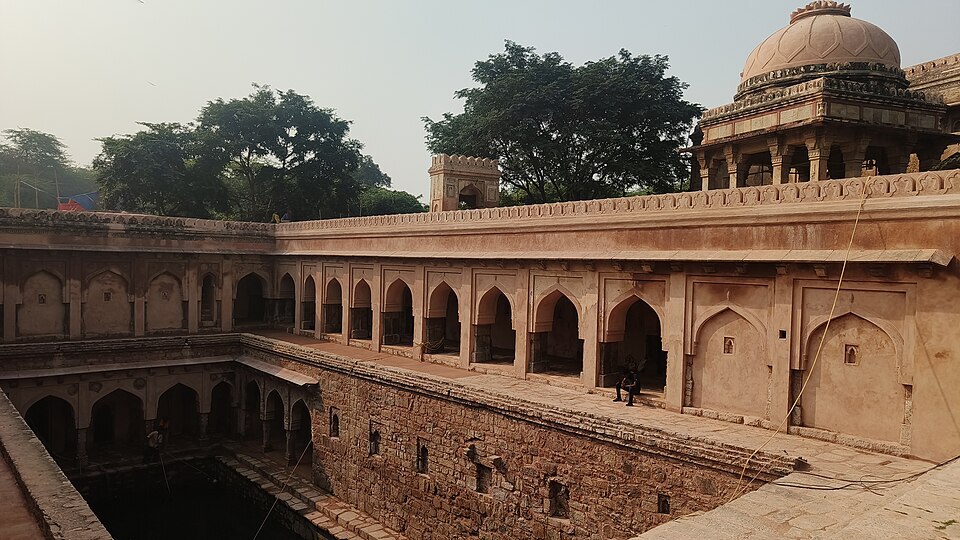
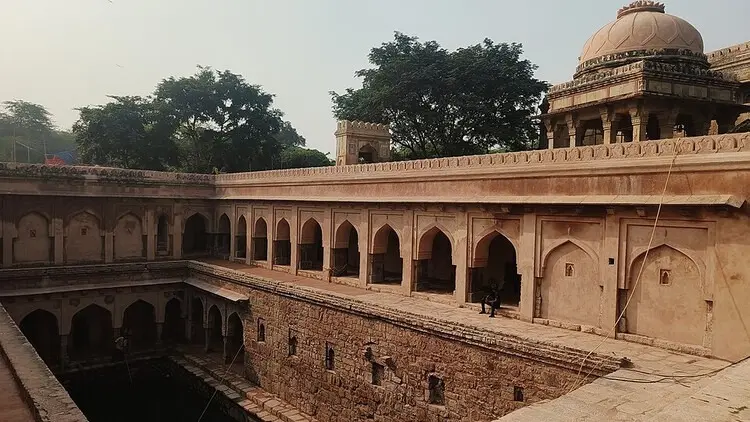
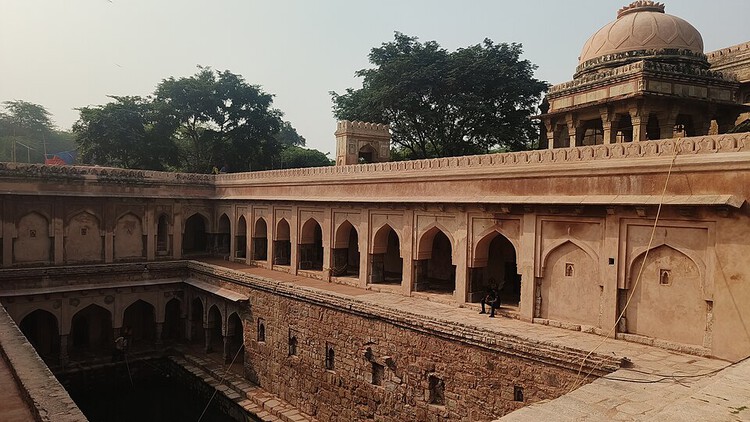
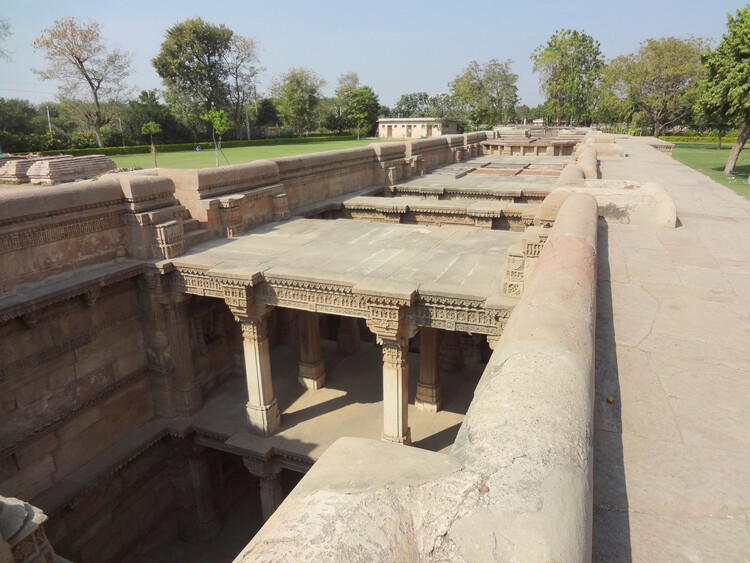
However, beneath the intricately carved stone facades, descending symmetrical stairs, and multi-tiered columned pavilions lies a pressing, highly practical question: What happens when a structure engineered to manage water is put back to work?
As contemporary Indian cities grapple with unprecedented water stress, erratic seasonal monsoons, and extreme pressure on municipal supply grids, a growing body of research is investigating whether these traditional architectural marvels can once again function as active municipal infrastructure. Recent studies published in academic journals such as Built Heritage suggest that historical water systems—ranging from the subterranean domestic tanks of Ahmedabad to the monumental multi-million-liter stepwells of Hyderabad—possess the spatial and mechanical capacity to supplement stressed urban water networks.
Yet, reviving these ancient systems is not merely a matter of clearing away debris and patching up lime mortar. It demands a holistic re-evaluation of how contemporary urban planning, regulatory governance, community responsibility, and architecture intersect.
Chronology: The Evolution, Decline, and Rebirth of India’s Waterscapes
To understand the potential of these structures today, urban planners must look backward to trace how India’s relationship with water infrastructure evolved over the centuries.
- Pre-19th Century (The Decentralized Era): Water management was deeply embedded in the civic and architectural DNA of Indian settlements. In regions with deep groundwater tables or difficult clay geology—such as the historic Walled City of Ahmedabad—urban design relied on distributed systems. Courtyards served as catchments, roofs directed precipitation, and underground tankas stored clean water for domestic use. Concurrently, grand stepwells acted as public civic nodes, religious sanctuaries, and climate-moderation devices.
- 1892 (The Centralized Shift): The inauguration of the Dudheshwar Water Works in Ahmedabad marked a pivotal structural turning point. The gradual expansion of centralized, piped municipal water supplies and modern stormwater drainage systems steadily rendered localized, decentralized rainwater harvesting obsolete.
- Mid-20th to Late 20th Century (Obsolescence and Abandonment): As municipal taps delivered water directly to homes, traditional structures like tankas and neighborhood wells were neglected. While tankas frequently remained buried beneath domestic courtyards—silent witnesses to a discarded lifestyle—many monumental stepwells suffered a far worse fate, becoming dry, neglected dumpsites choked with municipal waste and construction debris.
- 2004 (Early Municipal Interventions): Local authorities began recognizing the need for groundwater revival. For instance, the Ahmedabad Municipal Corporation initiated artificial recharge programs for historic structures like the 18th-century Amritvarshini Vav, signaling an early institutional shift back toward traditional water-retention assets.
- Recent Years (The Restoration Wave): Landmark grassroots and municipal projects began demonstrating the physical viability of revitalization. Notably, the 17th-century Bansilalpet Stepwell in Hyderabad was spectacularly resurrected after decades of neglect, requiring the removal of over 2,000 tonnes of debris to expose a hidden freshwater source beneath.
- 2026 (The Academic Reckoning): Comprehensive studies published in Built Heritage and related environmental journals formally evaluated surviving subterranean infrastructure—estimating, for instance, that nearly 10,000 historic tankas still exist beneath Ahmedabad’s historic pols. These studies shifted the discourse from pure heritage conservation to actionable urban infrastructure strategies.
Supporting Data: Scale, Capacity, and Public Sentiment
The transition of historic water systems from passive heritage sites to active infrastructure is underpinned by compelling quantitative data emerging from recent urban research and civil engineering reports:
- Subterranean Density: A 2026 survey published in Built Heritage estimates that approximately 10,000 historic tankas remain intact beneath domestic courtyards and historic neighborhoods (pols) in Ahmedabad alone.
- Spatial Distribution: Within greater Ahmedabad, while 94 stepwells are formally documented, only 14 lie directly within the densely built historic Walled City. This disparity highlights that while monumental stepwells dominate visual culture, smaller, decentralized elements like neighborhood wells and domestic tankas are far better scaled for dense urban fabrics.
- Revival Capacities: High-profile restorations have proven the sheer volume these structures can reclaim. The clearance and restoration of the Bansilalpet Stepwell in Hyderabad successfully uncovered a freshwater table approximately seven meters below ground, yielding a staggering water-carrying capacity of 2.2 million liters.
- Public Readiness: Despite institutional bottlenecks, public appetite for sustainable alternatives is remarkably high. The 2026 Built Heritage study revealed that 90 percent of surveyed residents expressed a willingness to reintegrate historic tanka water back into the active urban metabolism, provided safety and governance frameworks are established.
- Geological Drivers: In Ahmedabad, the prevalence of dense clay strata—where natural groundwater tables often sit deeper than 40 meters—historically necessitated localized surface catchment. Collecting monsoon rainwater right where it fell via courtyards was not just a design choice, but an environmental necessity that modern green-infrastructure planners are eager to emulate.
Official Responses and Institutional Perspectives
While grassroots organizations, civil engineers, and heritage architects champion the physical reclamation of these water systems, municipal authorities and institutional bodies face complex operational realities.
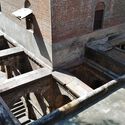
The Municipal Dilemma
City planners acknowledge that centralized water treatment plants and piped distribution networks are increasingly strained by rapid urbanization, population surges, and climate change-induced droughts. Integrating decentralized heritage structures offers a tempting auxiliary network. However, municipal authorities point out significant legal, jurisdictional, and logistical hurdles:
- Private vs. Public Ownership: Many tankas are located beneath private residential properties within historic neighborhoods. Regulating, inspecting, or drawing from infrastructure on private land complicates municipal jurisdiction.
- Water Quality Assurance: Public health standards require rigorous testing and purification. Historic tankas and wells often collect runoff from unmonitored domestic roofs, raising legitimate concerns about biological and chemical contamination.
- Financial and Maintenance Responsibility: Authorities question who bears the long-term cost of structural maintenance, desilting, water testing, and pipe upkeep.
Academic and Expert Consensus
Researchers spearheading the 2026 urban studies argue that current municipal governance frameworks severely lack the incentives necessary to foster citizen participation in heritage-based water reuse. They advocate for a collaborative co-management model—a hybrid system uniting municipal technical capacity with community-led operational routines.
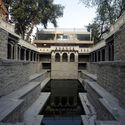
According to these experts, restoring the masonry of a stepwell or cleaning out a tanka is meaningless without restoring the socio-cultural "routines of care." A historic water system only functions when seasonal cleaning, roof preparation, water testing, and communal stewardship operate as an unbroken social cycle.
Implications: Redefining the Architecture of Water
The movement to transform India’s historic water systems from relics into active infrastructure carries profound implications for the future of urban architecture, climate resilience, and heritage management.
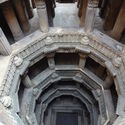
1. Architectural and Urban Integration
Integrating historic water systems into modern municipal networks forces architects and urban designers to rethink the relationship between buildings and natural resources. At the scale of the individual home, the tanka transforms the roof and courtyard back into an active catchment apparatus. At the neighborhood (pol) scale, wells become shared communal buffers against scarcity. At the metropolitan scale, stepwells re-emerge as vital nodes that link hydrological management with public civic life.
2. The Nuance of Adaptive Reuse
Reusing an ancient water structure inevitably introduces friction. Contemporary safety regulations (such as handrails and secure perimeters), strict public health standards, and modern drainage interfaces do not neatly align with medieval engineering. Consequently, architects must design sensitive contemporary interventions that allow these spaces to function simultaneously as active infrastructure, public civic plazas, and protected heritage attractions.
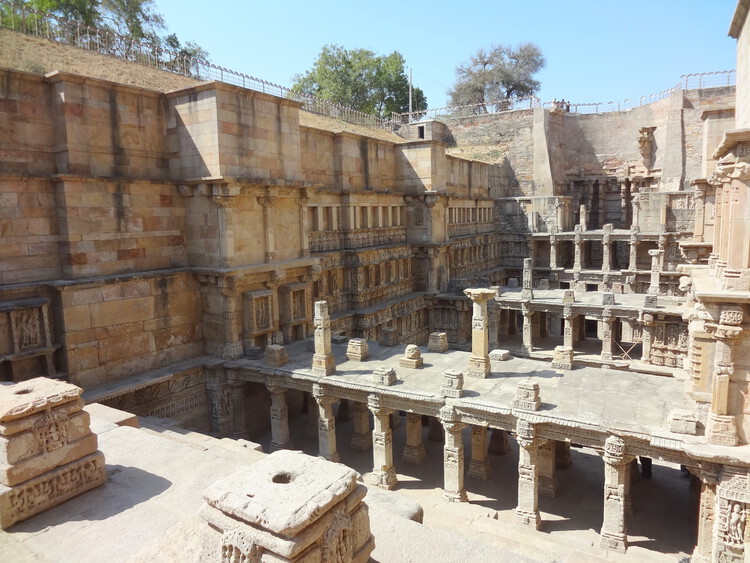
3. Fostering a Culture of Shared Responsibility
Ultimately, the future of India’s historic water systems depends on a cultural paradigm shift. As cities face tightening water budgets, the survival of these structures demonstrates that sustainable infrastructure cannot rely entirely on top-down municipal engineering.
By bridging the gap between ancestral spatial wisdom and modern water science, India has a rare opportunity to prove that heritage is not merely a monument to the past, but a living, breathing foundation for a resilient urban future.
This article is part of the ArchDaily Topic: The Architecture of Water: Territories, Tensions & Transformations.
