The nonresidential construction landscape is undergoing a subtle yet significant shift. While the unprecedented data center building boom continues to anchor commercial market valuations, new data reveals that broad-based strength across institutional sectors and select commercial segments is actively driving overall planning activity.
According to the latest figures released by Dodge Construction Network, the Dodge Momentum Index (DMI)—which tracks nonresidential building projects entering the early planning stages—climbed 2.4% month-over-month in September. This upward movement pushed the overall index 3.7% higher than its September 2025 benchmark, signaling resilient foundational demand heading into the latter half of the decade.
The modest monthly gain was spearheaded by a substantial surge in institutional planning, which jumped 9.4% during the month. This institutional expansion successfully compensated for a slight 1.3% dip in commercial planning, demonstrating a healthy bifurcation within the broader construction economy.
Main Facts
Dodge Momentum Index Performance: The DMI rose 2.4% month over month in September, bringing the index 3.7% above its level from September 2025.
Sector Divergence: Institutional planning experienced a dramatic 9.4% monthly increase, while commercial planning contracted slightly by 1.3%.
Year-Over-Year Institutional Growth: Institutional planning, driven heavily by healthcare, education, and government facilities, surged 17.2% year over year in September.
The Data Center Paradox: Despite recent cooling trends, data centers continue to prop up the broader commercial segment. Without data center investments, commercial planning would have plummeted 14.9% year over year in September, rather than posting a modest 3% decline.
Megaproject Volume: Dodge reported that 45 distinct projects valued at $100 million or more entered the planning phase during September.
Chronology of Market Shifts
To understand the trajectory of the construction sector in late 2026, industry analysts look back at the rapid acceleration of digital infrastructure spending that defined the preceding two years.
Early 2024 to Late 2025: The Data Center Era
For nearly three years, the nonresidential planning pipeline was almost entirely defined by hyperscale data center developments. Driven by generative artificial intelligence, cloud computing demands, and massive enterprise migrations, tech giants poured billions into digital infrastructure. During this period, data center projects routinely masked sluggish performance in traditional commercial subsectors like office buildings, retail centers, and hospitality spaces.
Mid-2026: The Cooling Phase
As the construction sector moved through the summer of 2026, early signs of normalization began to appear in the digital infrastructure pipeline. Data center planning experienced modest month-over-month pullbacks in August and September. However, rather than dragging the entire commercial sector down into a deep slump, this normalization coincided with a surprising resurgence in alternative commercial assets—such as retail spaces, hotels, parking structures, and suburban office buildings.
September 2026: A Balanced Expansion
The release of the September metrics marked a transitional turning point. Institutional building planning—historically slower to cycle than private commercial real estate—took center stage. With healthcare providers, school districts, and municipal governments advancing large-scale capital improvement programs, the nonresidential market found a new engine of growth that reduced its total reliance on the tech sector.
Supporting Data and Sector Breakdown
A granular look at the Dodge Momentum Index reveals distinct subsector dynamics that explain the resilience of the September numbers.
Institutional Surge
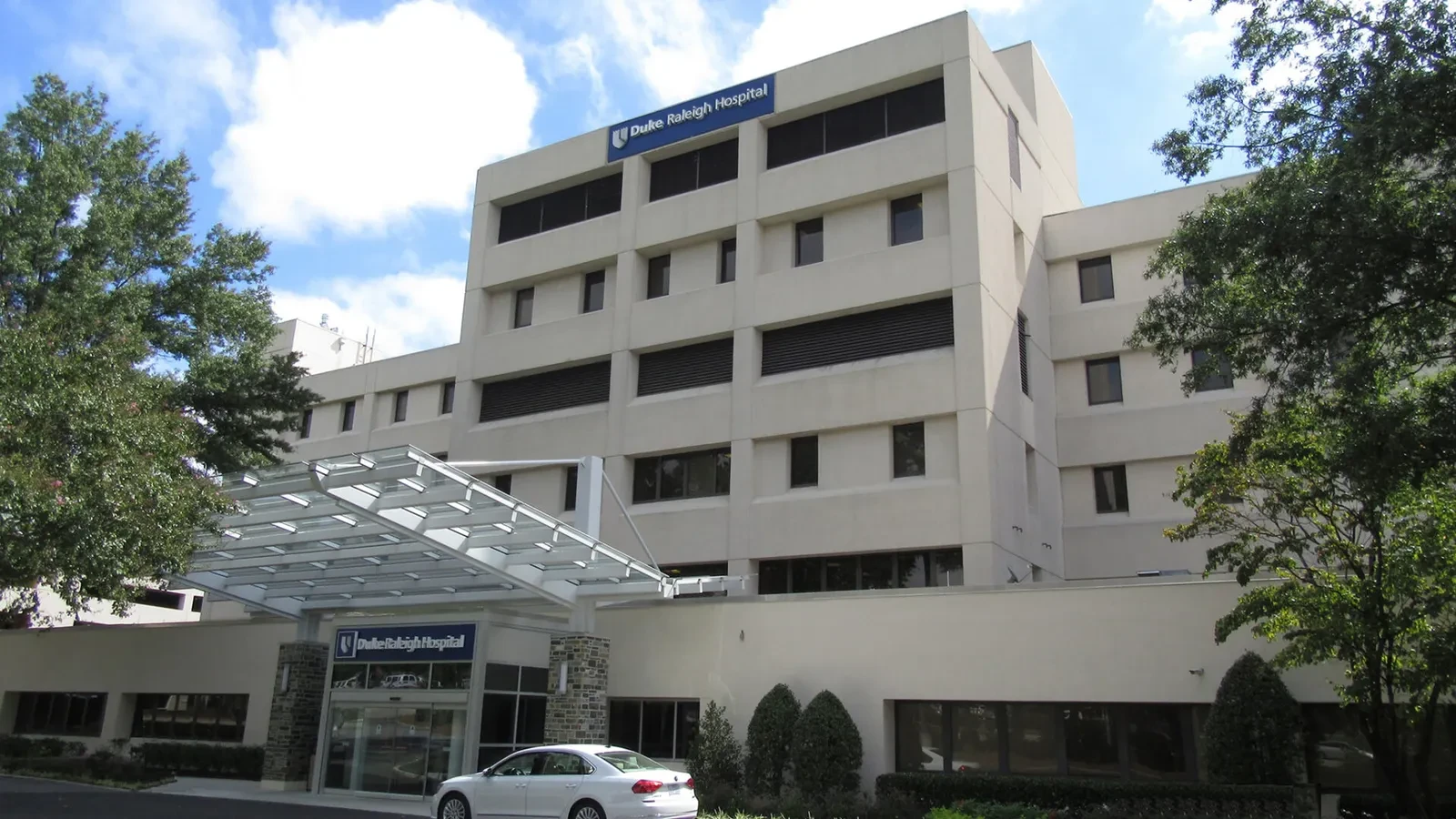
The 9.4% monthly jump and 17.2% year-over-year expansion in institutional building planning reflect robust long-term investments in community infrastructure. Healthcare facility modernization—such as major regional hospital expansions—alongside higher education campus upgrades and public administration buildings, accounted for the bulk of this activity.
Within the commercial segment, the 1.3% monthly contraction masks an underlying tug-of-war between declining mega-scale digital projects and improving main-street commercial real estate. Planning activity actually improved month over month across several traditional categories, including:
Retail developments
Hospitality and hotel construction
Office building modernizations
Parking garage infrastructure
However, these gains were partially neutralized by weaker planning volumes in warehouses and data centers compared to their hyper-active peaks earlier in the year.
The Megaproject Pipeline
The scale of early-stage nonresidential work remains immense. Dodge reported that 45 projects valued at $100 million or more crossed the threshold into the planning phase in September. These high-value undertakings serve as the primary pipeline for general contractors, engineering firms, and trade labor unions as they look toward late 2027 and 2028 execution schedules.
Official Responses and Industry Analysis
Industry leaders and economic researchers have emphasized that the diversification observed in September is a healthy development for the construction economy.
Sarah Martin, director of economic research at Dodge Construction Network, highlighted the broadening base of market demand in her commentary accompanying the release:
"Institutional planning led this month’s growth, alongside a strong uptick in education, healthcare, and government building planning. Milder growth was seen across several other commercial sectors, as well."
Martin further noted that as planning activity gains momentum across nonresidential sectors outside of tech infrastructure, actual construction spending and groundbreakings in those fields are positioned to perform solidly.
"As planning grows in other nonresidential projects, construction spending in those sectors should post a marginally stronger late 2027," Martin stated.
At the same time, market analysts continue to underscore the structural importance of the data center sector. Even with recent stabilization, digital infrastructure remains the titan of commercial planning. Dodge’s dataset indicates that without data center work, the commercial planning subsegment would have suffered a steep 14.9% year-over-year drop in September, rather than the mild 3% contraction actually recorded. This data illustrates that while diversification is taking root, tech-driven infrastructure remains the primary floor supporting commercial valuations.
Implications for the Construction Industry
The September 2026 Dodge Momentum Index carries several critical takeaways for contractors, developers, architects, and building product manufacturers.
1. Risk Mitigation Through Sector Diversification
For general contractors and specialty trade contractors heavily exposed to commercial tech builds, the cooling of data center planning serves as a reminder of the cyclical nature of niche markets. The simultaneous surge in healthcare and education projects offers a viable strategic pivot. Contractors with adaptable portfolios are well-positioned to capture institutional capital flowing from federal, state, and private healthcare endowments.
2. Supply Chain and Labor Projections
Planning indices serve as a reliable leading indicator for construction put-in-place roughly 12 to 24 months down the line. The steady growth of institutional projects entering the pipeline in late 2026 points toward sustained site activity through late 2027 and into 2028. Project owners and construction managers must continue to monitor skilled labor availability, as institutional projects—particularly complex hospital builds—demand specialized MEP (mechanical, electrical, and plumbing) expertise and strict regulatory compliance management.
3. Financing and Capital Costs
The willingness of developers and public entities to advance 45 major megaprojects valued at over $100 million in a single month suggests that project stakeholders are successfully navigating prevailing financing environments. As institutional clients leverage municipal bonds, tax revenues, and philanthropic capital alongside private equity, the nonresidential pipeline remains insulated from localized credit crunches that occasionally afflict pure speculative commercial real estate.
Outlook
As the construction sector closes out 2026, the story is no longer solely about the digital gold rush. The revival of institutional building planning, paired with localized recovery in retail, hospitality, and office sectors, points toward a more balanced, resilient marketplace. While data centers will remain a dominant force, the wider economy is proving its capacity to generate independent momentum.