

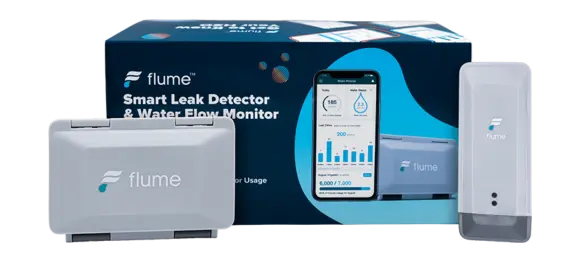
PROVIDENCE, R.I. — In an aggressive move to combat one of the most persistent and expensive hazards facing residential property owners, Amica Insurance has announced a strategic partnership with smart-home technology firm Flume. The collaboration introduces a groundbreaking complimentary program designed to put advanced water leak detection monitoring directly into the hands of policyholders.
By equipping homeowners with cutting-edge real-time monitoring tools, the insurer aims to shift the paradigm of property insurance from reactive claims processing to proactive, preventative risk management. As non-weather-related water damage continues to plague residential communities across the United States, this initiative represents a significant technological leap forward in safeguarding homes against catastrophic plumbing failures.
Main Facts
The core of the new initiative centers on a joint venture between Amica Insurance and Flume, a recognized leader in residential water monitoring systems. Under the terms of the agreement, eligible homeowners insured by Amica will receive the Flume Smart Home Water Monitor entirely free of charge, bundled with three years of complementary leak monitoring services.
The hardware itself is engineered for ultimate consumer convenience. Unlike traditional leak detection systems that require professional plumbers, complex pipe cutting, or invasive alterations to household plumbing infrastructure, the Flume device straps directly onto a home’s existing water meter. According to both companies, the installation process takes mere minutes and can be completed by the homeowner without specialized tools.
The rollout of this program features a tiered geographic strategy:
- Complimentary Access: Policyholders residing in California, Connecticut, and Rhode Island are currently eligible to receive the Flume hardware and three years of monitoring services at zero cost.
- Discounted Expansion: For Amica policyholders residing outside of these three initial launch states, the insurer has arranged an exclusive purchasing option, allowing them to acquire the Flume device at a heavily discounted rate.
The overarching goal of the partnership is to empower consumers with real-time visibility into their household water consumption, enabling them to intercept minor drips, slow leaks, and catastrophic pipe bursts before they manifest into major structural catastrophes or expensive insurance claims.
Chronology
While the formal partnership and regional rollout announcement was made public recently, the journey toward proactive water mitigation has been years in the making for both insurance providers and technology developers.
The Rise of PropTech in Insurance (2018–2021)
Over the past decade, the property and casualty (P&C) insurance sector has grappled with escalating payout costs driven by severe weather and internal household plumbing failures. As smart-home technology matured—moving from simple security cameras to sophisticated environmental sensors—insurers began searching for reliable hardware partners. Flume established itself early in this space by developing a non-invasive strap-on sensor capable of measuring total household water use directly from the main water meter, attracting the attention of municipal water utilities and major enterprise partners alike.
Pilot Programs and Data Gathering (2022–2023)
Prior to launching this multi-state consumer offering, insurance carriers and tech firms engaged in extensive pilot programs. During this period, industry data revealed that policyholders equipped with continuous water monitoring systems suffered significantly fewer and less severe claims. These internal studies served as the catalyst for Amica to formalize its alliance with Flume, transitioning from experimental pilot offerings to a structured, consumer-facing value-add program.
The 2024 Amica-Flume Launch
With supply chains stabilized and the mobile application ecosystem refined, Amica officially rolled out the program targeting high-risk and high-volume water loss regions. By selecting California, Connecticut, and Rhode Island for the initial phase, Amica targeted diverse geographic climates ranging from drought-prone western regions susceptible to shifting soils and aging municipal lines to northeastern states historically vulnerable to winter freeze-thaw cycles.
Supporting Data: The High Cost of Water Damage
To understand the strategic significance of Amica’s new initiative, one must examine the staggering statistics surrounding residential water damage. In the landscape of modern homeowners insurance, internal plumbing failures and non-weather water losses represent an omnipresent financial drain.
Frequency and Severity of Claims
According to internal data cited by Amica, 1 in every 60 policyholders experiences a non-weather-related water loss every single year. The financial impact of these incidents is rarely trivial; the average water damage claim exceeds $21,000. When multiplied across hundreds of thousands of policyholders, the aggregate payout figures reach billions of dollars annually across the broader insurance industry.
Common culprits include:
- Frozen and Burst Pipes: Particularly devastating during sudden winter temperature drops, leading to rapid, high-volume flooding.
- Appliance Failures: Deteriorating supply lines connected to washing machines, dishwashers, and water heaters.
- Fixture Malfunctions: Continuously running toilets, worn-out O-rings in dripping faucets, and undetected slow leaks behind bathroom walls or beneath slab foundations.
- Overflows: Unattended bathtubs, sinks, and clogged drainage systems.
Proven Risk Reduction Metrics
Flume’s proprietary technology and recent independent studies of insurance carriers utilizing its devices provide compelling evidence of the program’s potential efficacy. Data compiled from insurance partners deploying Flume technology demonstrates dramatic improvements in loss ratios:
- 60% Reduction in Claim Frequency: Homes equipped with the Flume monitoring system experienced more than a twofold drop in the number of water damage claims filed compared to unmonitored control groups.
- 24% Reduction in Claim Severity: For incidents that did occur, the overall cost of remediation and repair dropped by nearly a quarter, largely because leaks were caught in their infancy before spreading through subflooring, drywall, and foundational framing.
These metrics underscore a fundamental truth in property insurance: time is the most critical variable. A pinhole leak identified within ten minutes via a mobile alert can be resolved with a towel and a $5 washer, whereas the same leak left undetected for ten days can result in mold remediation, structural rot, and a five-figure renovation project.
Official Responses and Leadership Vision
The partnership has garnered significant praise from corporate leadership at both organizations, highlighting a shared vision of modernizing home protection through preventative innovation.
Amica’s Proactive Stance
Ted Shallcross, President and CEO of Amica Insurance, emphasized the company’s commitment to client-centric risk management during the rollout announcement.
"By offering this service to our policyholders, we’re providing a simple, proactive way to identify potential water problems early," Shallcross stated.
His remarks reflect a broader industry evolution. Traditionally, insurance business models have been reactive: an event occurs, the policyholder files a claim, an adjuster assesses the damage, and a check is issued. By distributing preventative hardware, Amica is fundamentally altering this dynamic, investing upfront capital to prevent losses before they materialize. This protects the policyholder from the emotional stress of property displacement and preserves the insurer’s loss reserves.
Flume’s Technological Mission
Representatives from Flume echoed these sentiments, pointing to the company’s founding mission to bridge the gap between resource conservation and property protection. Flume’s ecosystem is engineered to serve multiple stakeholders—including municipal water utilities, Fortune 500 enterprises, and major residential insurance carriers—by fostering heightened awareness of water usage habits.
By eliminating installation barriers—such as requiring a licensed plumber to cut into pressurized copper or PEX piping—Flume has successfully democratized smart home water security. Homeowners who might otherwise feel intimidated by smart home tech can install the device in minutes, instantly unlocking a suite of diagnostic tools.
Implications for Policyholders and the Insurance Industry
The launch of the Amica-Flume partnership carries profound implications that stretch far beyond the borders of California, Connecticut, and Rhode Island. As this program scales, its effects will likely reshape consumer expectations, insurance underwriting practices, and broader environmental sustainability efforts.
1. The Shift Toward Preventive Underwriting
For the insurance industry at large, the success of Amica’s initiative serves as a powerful proof-of-concept for "preventive underwriting." Insurers are increasingly realizing that providing risk-mitigation technology is vastly more profitable than merely raising premiums to cover escalating loss trends. In the coming years, we can expect to see more property and casualty insurers offering smart-home devices—ranging from water shut-off valves and leak detectors to smart smoke alarms and automated security systems—as standard perks of policy enrollment.
2. Empowering the Consumer
For the everyday homeowner, programs like this remove the friction and expense traditionally associated with home hardening. Premium smart-home gadgets can often cost hundreds of dollars upfront, deterring budget-conscious families from investing in preventative infrastructure. By absorbing these costs—either entirely through free distribution or via deep discounts—Amica is making state-of-the-art property protection accessible to a much broader demographic.
3. Real-Time Diagnostics and Behavioral Change
Beyond avoiding catastrophic floods, Flume’s mobile application encourages everyday water conservation. By providing granular, real-time data regarding water consumption down to the individual appliance level, users gain unprecedented insight into their daily habits. Identifying a silent toilet leak that wastes hundreds of gallons a day not only prevents structural water damage but also lowers monthly municipal utility bills. In regions prone to severe drought, such as California, this dual benefit of property protection and water conservation aligns corporate insurance initiatives with vital environmental stewardship goals.
4. Future Outlook
As connected-home ecosystems continue to evolve, the integration of IoT (Internet of Things) devices with insurance policies will likely become the gold standard of the industry. Programs like the Amica and Flume collaboration signal the dawn of an era where insurance is no longer just a safety net purchased after disaster strikes, but an active, daily partnership dedicated to keeping homes safe, dry, and secure.
