

Main Facts
Horror visionary Mike Flanagan is currently experiencing one of the most prolific and high-profile stretches of his career. Fresh off the premiere of his Prime Video television adaptation of Stephen King’s Carrie and gearing up for the theatrical release of the DC Comics-inspired body-horror film Clayface on October 23, Flanagan has shifted his focus to his next major cinematic endeavor: The Exorcist: Martyrs.
During a high-energy Blumhouse panel at New York Comic Crucial, Flanagan made a bold claim that immediately grabbed the attention of the horror community, describing the upcoming film as "the scariest movie I’ve ever made."
The project represents a major handoff in horror legacy. Launched in 1973 by director William Friedkin and based on William Peter Blatty’s seminal novel, The Exorcist franchise is a cornerstone of modern cinema. After David Gordon Green’s 2003 soft-reboot, The Exorcist: Believer, left critics and audiences divided, Blumhouse has enlisted Flanagan to revitalize and reshape the overarching mythology.
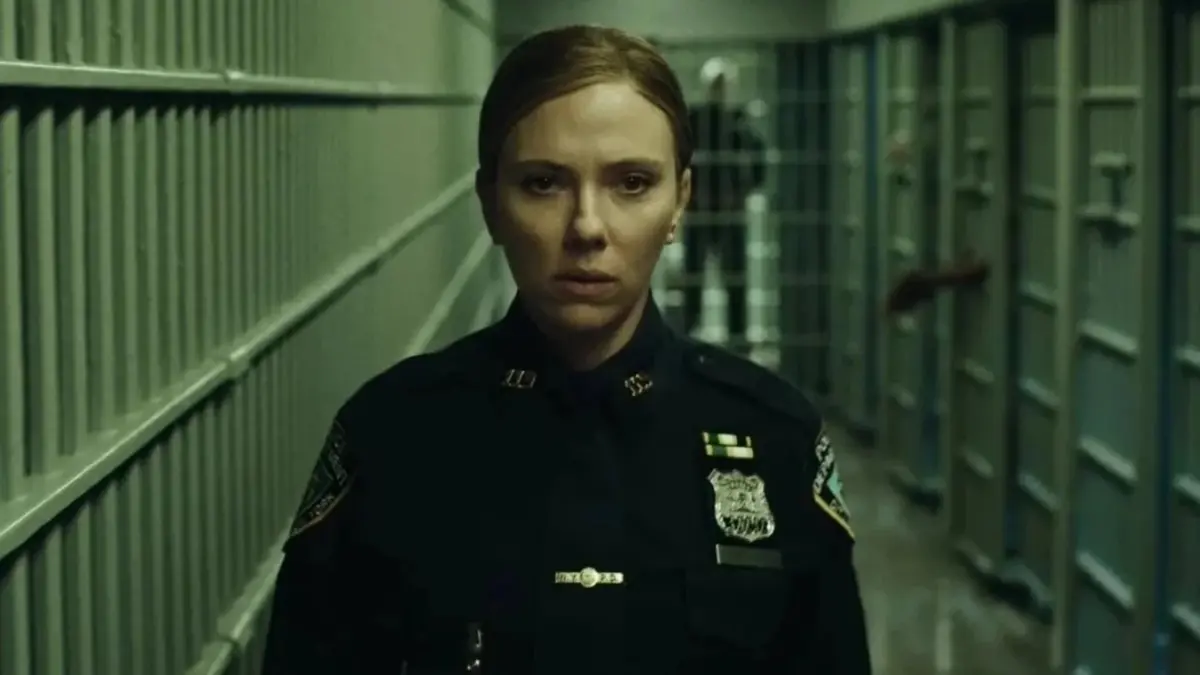
Rather than relying purely on standard demonic possession tropes, The Exorcist: Martyrs infuses the franchise with a Mindhunter-style procedural serial killer narrative. The newly released trailer showcases a brooding, atmospheric aesthetic that has drawn immediate comparisons to both David Fincher’s psychological crime dramas and the fan-favorite, atmospheric tone of The Exorcist III.
The film boasts a powerhouse ensemble cast led by Scarlett Johansson as an NYPD detective tracking a macabre serial killer known as "Father Sunday," played by John Leguizamo, who incorporates chilling Catholic iconography into his crimes. The star-studded roster also features Chiwetel Ejiofor, Laurence Fishburne, Sasha Calle, and Jacobi Jupe.
The Exorcist: Martyrs is slated to officially debut in theaters nationwide on Friday, March 12, 2027.
Chronology of the Franchise and Production
To understand the weight and significance of Mike Flanagan stepping into The Exorcist universe, it is essential to trace the historical timeline of the iconic property, as well as the recent developments in Flanagan’s own career trajectory.
The Evolution of The Exorcist (1973–2023)
- 1973: William Friedkin’s cinematic adaptation of William Peter Blatty’s The Exorcist premieres. It becomes a massive cultural and financial phenomenon, terrifying global audiences and earning 10 Academy Award nominations.
- 1977–1990: The franchise expands erratically. John Boorman directs the widely panned sequel Exorcist II: The Heretic (1977). Years later, Blatty himself writes and directs The Exorcist III (1990), which, despite a troubled production, later achieves cult-classic status for its cerebral, atmospheric scares.
- 2004–2005: Hollywood attempts to explore the origins of the mythology with two distinct versions of a prequel: Paul Schrader’s Exorcist: The Beginning and Renny Harlin’s Dominion: Prequel to the Exorcist.
- 2016–2018: Fox attempts a television continuation with The Exorcist series, which runs for two critically acclaimed seasons before cancellation due to low ratings.
- 2023: Blumhouse and director David Gordon Green launch a planned trilogy with The Exorcist: Believer. While commercially viable, the film is met with a lukewarm critical reception, prompting Universal and Blumhouse to pivot their strategy for future installments.
Mike Flanagan’s Rise and Slate (2013–2027)
- 2013–2016: Flanagan cements his status as a premier modern horror auteur with acclaimed indies and thrillers like Oculus (2013), Hush (2016), and Gerald’s Game (2017).
- 2018–2023: Flanagan achieves massive success on Netflix with elevated horror series, including The Haunting of Hill House (2018), Midnight Mass (2021), and The Fall of the House of Usher (2023).
- 2024–2026: Flanagan expands his commercial footprint. His Prime Video series adaptation of Stephen King’s Carrie premieres, followed closely by his script contributions to the DC Comics body-horror film Clayface, hitting theaters on October 23, 2026.
- Friday, March 12, 2027: The Exorcist: Martyrs is scheduled to premiere in theaters worldwide.
Supporting Data and Production Details
While full plot details for The Exorcist: Martyrs remain tightly under wraps, the promotional rollout at New York Comic Con has offered substantial clues regarding the film’s tone, visual style, and thematic ambitions.
Cast and Creative Lineup
The casting choices reflect a deliberate pivot toward prestige cinema talent, blending A-list dramatic actors with seasoned genre veterans:
- Scarlett Johansson: Stars as the lead NYPD investigator, bringing emotional gravity and grounded procedural intensity to the narrative.
- John Leguizamo: Takes on the antagonist role of "Father Sunday," a terrifying serial killer whose modus operandi relies heavily on warped religious rituals and Catholic iconography.
- Chiwetel Ejiofor: Fresh off his work in internet-phenomenon and liminal-space exploration projects like The Backrooms, Ejiofor rounds out the dramatic core.
- Laurence Fishburne, Sasha Calle, and Jacobi Jupe: Provide additional depth to an ensemble designed to elevate the material beyond traditional jump-scare tactics.
Aesthetic and Narrative Shift
The stylistic choice to incorporate a Mindhunter-style psychological investigation bridges the gap between classic supernatural horror and gritty crime thrillers. Industry analysts have noted that by leaning into procedural realism—examining the human psyche alongside the demonic—Flanagan is attempting to recapture the intellectual dread that made William Peter Blatty’s original source material so enduring.
Furthermore, the nods to The Exorcist III in the official teaser trailer suggest that the film will prioritize psychological tension, dialogue-driven dread, and institutional decay over endless iterations of projectile vomiting and head-spinning gimmicks.

Official Responses and Industry Reactions
The reception to the initial footage of The Exorcist: Martyrs has been overwhelmingly positive, both from live convention attendees and online fan communities.
During the Blumhouse panel, Mike Flanagan addressed the immense pressure of taking on such a sacred cow of horror cinema. Recognizing the mixed reactions that have historically plagued sequels and reboots in the franchise, Flanagan emphasized his reverence for the original films while explaining his desire to chart completely new thematic territory.
"When you look at a franchise with this much history, your job isn’t to mimic what came before—it’s to find the underlying nerve that made people lose sleep in the first place," Flanagan told the New York Comic Con audience. "With Martyrs, we wanted to ask what happens when the horrific things humans do to one another intersect with forces that defy all logical explanation."
Blumhouse leadership has similarly expressed absolute confidence in Flanagan’s vision. Studio executives noted that after the polarized response to The Exorcist: Believer, giving creative control to a proven, auteur-driven filmmaker like Flanagan was the logical next step to restore critical prestige and long-term viability to the intellectual property.
Fans online have similarly flooded social media platforms with positive commentary, contrasting the brooding, procedural tone of the trailer favorably against recent trend-chasing horror releases. Many have pointed out that Martyrs feels like a spiritual homecoming for Flanagan, channeling the intricate, character-driven architecture of his celebrated Netflix works rather than standard studio-mandated formulas.
Implications for the Horror Genre and Universal Pictures
The release of The Exorcist: Martyrs carries significant strategic implications for both Universal Pictures and the broader theatrical horror landscape.
1. The Death (and Rebirth) of the Legacy Sequel
In recent years, Hollywood has leaned heavily into "requels"—legacy sequels that bring back original cast members decades later, as seen with Halloween (2018), Ghostbusters: Afterlife, and The Exorcist: Believer. However, Believer‘s mixed box-office and critical trajectory demonstrated that audience fatigue for this specific formula is setting in. By pivoting away from direct legacy nostalgia and instead hiring a distinct auteur to construct an entirely unique narrative within the universe, Universal is testing a new model: treating horror franchises more like comic book runs, where different acclaimed directors can apply their unique visual and thematic signatures to established lore.
2. Elevating Studio Horror Through Prestige Talent
The inclusion of heavyweights like Scarlett Johansson, Chiwetel Ejiofor, and Laurence Fishburne highlights a continuing industry trend: A-list dramatic actors are increasingly willing to anchor horror projects if the material is driven by respected auteurs. This convergence of prestige drama and high-concept terror elevates the cultural profile of the genre, making it more competitive during awards season and expanding its demographic reach beyond traditional horror enthusiasts.
3. Mike Flanagan’s Status as a Genre Titan
With Carrie, Clayface, and now The Exorcist: Martyrs all converging within a tight timeframe, Flanagan is cementing his status as the definitive horror maestro of his generation. Success with Martyrs could permanently cement him as the go-to filmmaker for managing Hollywood’s most prized intellectual properties—while keeping fans eagerly waiting for eventual updates on his oft-discussed, long-term dream project: an adaptation of Stephen King’s The Dark Tower.
As March 12, 2027, approaches, all eyes will be on Blumhouse and Mike Flanagan to see if The Exorcist: Martyrs can truly live up to its promise of being the scariest film of the director’s storied career.
