

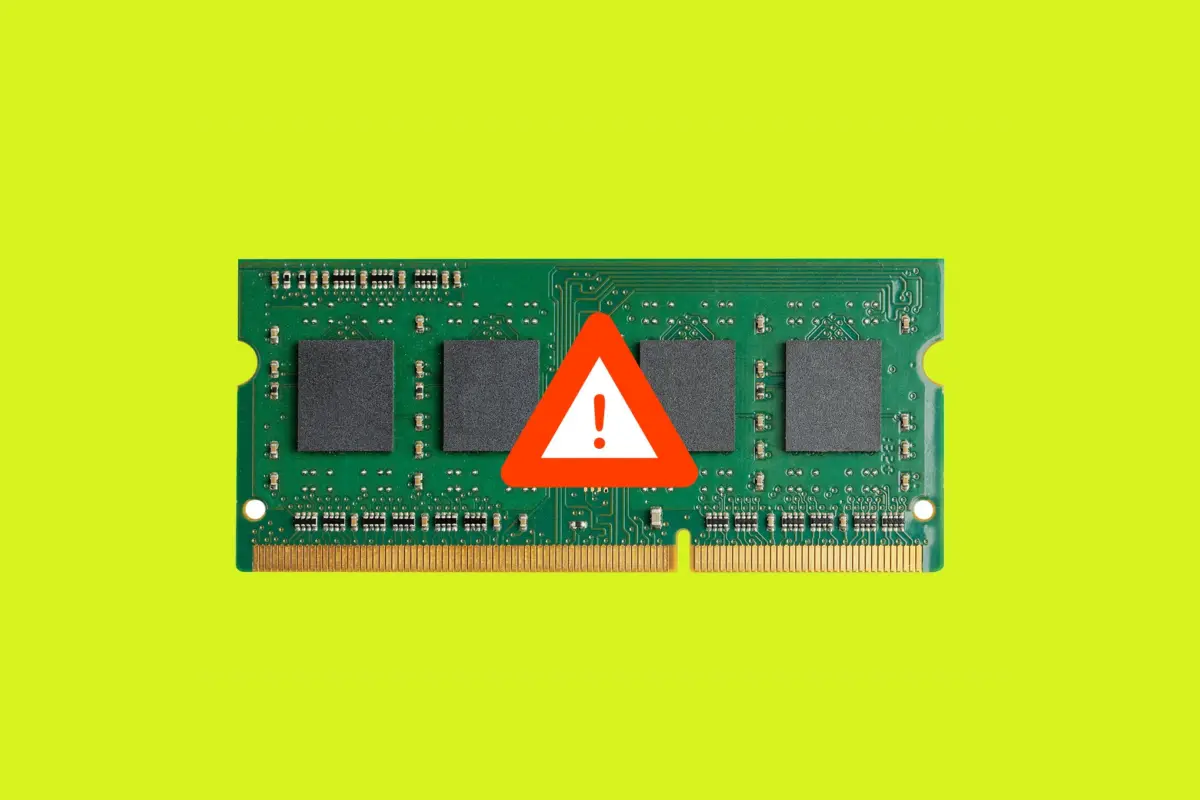
For over a decade, the standard trajectory of PC hardware has been a relentless forward march. Consumers have grown accustomed to a predictable upgrade cycle: a new generation of central processing units (CPUs) arrives, accompanied by a new motherboard socket, which in turn demands a transition to the latest, fastest generation of system memory. Those who wished to embrace future-proof performance had little choice but to stomach the high costs associated with bleeding-edge technology.
However, the laws of the tech industry are currently colliding with harsh economic realities. A prolonged and severe global RAM shortage has sent the price of modern memory skyrocketing, pricing countless enthusiasts and everyday users out of the upgrade market. Faced with stagnating hardware sales and mounting consumer frustration, major CPU manufacturers are executing a pragmatic, unprecedented retreat.
Both Intel and AMD—fierce rivals who usually race toward the newest technological horizons—are orchestrating a strategic pivot back to the past. By reviving support for last-generation DDR4 memory through new CPU and motherboard releases, these tech giants are attempting to throw a lifeline to budget-conscious PC builders. It is a calculated move that upends years of industry dogma, proving that when components become too expensive to buy, even the most forward-looking companies must learn to look backward.
Main Facts: The Return of the Legacy Standard
The core development centers around an abrupt shift in hardware roadmaps for both Intel and AMD platforms. Rather than forcing consumers into expensive, DDR5-only ecosystems, the industry is resurrecting older architectures to provide affordable entry points into modern processing power.
The most notable indicator of this trend emerged from hardware manufacturer Gigabyte. In an official announcement, the company revealed that two of its upcoming motherboard lines will extend support to new processors built on Intel’s aging LGA 1700 socket. This socket originally debuted in late 2021 alongside Intel’s 12th-generation Alder Lake CPUs—a hybrid-architecture lineup that famously bridged the gap by supporting both legacy DDR4 and the then-nascent DDR5 standards.
While Intel subsequently phased out dual-format support in favor of a strict DDR5-only approach for its newer sockets, market pressures have apparently forced a change of heart. According to Gigabyte’s disclosures, new LGA 1700-compatible chips are slated to launch in early 2027, reviving a platform that many analysts believed was headed for the history books.
AMD is executing a parallel strategy. The company has moved to shore up its enduring AM4 platform—a socket that first launched in 2016 and utilizes DDR4 exclusively. Alongside the 10th-anniversary relaunch of legendary chips like the Ryzen 7 5800X3D, manufacturers are rolling out fresh series of AM4 motherboards.
By keeping older platforms alive with new silicon, both Intel and AMD are effectively acknowledging a grim reality: the cost of entry for modern memory has become a major bottleneck for the entire PC hardware ecosystem.
Chronology: How We Got Here
To understand why the industry is backtracking to 2014-era memory technology, it is necessary to examine the timeline of how memory standards evolved and how the current crisis developed.
- 2014: DDR4 SDRAM makes its commercial debut, offering significant speed and efficiency improvements over its predecessor, DDR3. Over the next several years, it becomes the undisputed gold standard for consumer desktops, servers, and laptops.
- Late 2021: Intel launches its 12th-generation "Alder Lake" processors utilizing the LGA 1700 socket. Recognizing that DDR5 supply will initially be constrained and expensive, Intel designs the platform with cross-compatibility, allowing users to choose between budget-friendly DDR4 and high-performance DDR5 motherboards.
- 2022–2023: DDR5 slowly gains market share as manufacturing yields improve and prices begin a gradual, expected downward slide. AMD introduces its AM5 platform, which commits entirely to DDR5.
- 2024: Intel transitions away from dual-format support, rolling out newer desktop generations that demand DDR5 memory exclusively. Industry forecasters assume DDR4 is in its final twilight.
- Mid-2025: Macroeconomic factors, supply chain disruptions, and surging enterprise demand for AI-related infrastructure begin to severely pinch consumer memory supplies. Prices for DDR5 begin an aggressive, sustained climb.
- August 2025: Gigabyte announces a new wave of AM4 motherboards, signaling that AMD is willing to leverage its legacy platform to capture budget-conscious builders amid the worsening RAM crunch.
- Late 2025/Early 2026: The price disparity between DDR4 and DDR5 widens into a chasm. Industry analysts warn that the RAM shortage could persist for years.
- Early 2027 (Projected): Intel’s revived LGA 1700 chips are scheduled to launch, marking the official corporate endorsement of older sockets as a legitimate solution to market inflation.
Supporting Data: The Stark Cost of Progress
Under normal economic circumstances, advising consumers to purchase new hardware tethered to a technology that is over a decade old would be irresponsible. However, the math of system building has been fundamentally altered by the current memory crisis.
The price disparity between DDR4 and DDR5 has become so extreme that the performance advantages of the newer standard are frequently negated by the sheer financial penalty of adoption. Real-world retail tracking illustrates this crisis with alarming clarity:
- DDR5 Pricing: A standard 32GB kit of Corsair Vengeance DDR5 RAM currently commands an astronomical price tag of roughly $620 at major online retailers.
- DDR4 Pricing: Conversely, a comparable 32GB Corsair Vengeance DDR4 kit sits at around $260.
While $260 is notably higher than what 32GB of DDR4 typically cost during periods of normal market health in mid-2025, it represents less than half the cost of the DDR5 equivalent. Consumers are being asked to pay more than a 130% premium simply for the privilege of transitioning to a newer memory standard.
DDR5 undeniably offers superior technical specifications: higher baseline clock speeds, increased bandwidth, and enhanced power efficiency. Yet, in practical desktop applications, gaming, and productivity tasks, the real-world performance gains rarely justify paying more than double the price. For the average consumer, spending an extra $360 solely on RAM means severely compromising on other vital components, such as the graphics card, storage, or the CPU itself.
Official Responses and Industry Silence
As this hardware reversal unfolds, the corporate response from the semiconductor giants has been telling. Gigabyte, acting as an intermediary and barometer for motherboard demand, has been transparent about its product pipelines, publicly detailing the incoming LGA 1700 processors and the continuation of AM4 support.
However, the primary architects of these platforms have been far more guarded. When approached for comment regarding the revival of DDR4-compatible LGA 1700 chips, Intel did not immediately respond. This corporate silence is unsurprising; admitting that a flagship platform strategy has been undermined by economic factors runs counter to the perpetual marketing narrative of forward-facing innovation.
Behind closed doors, however, component makers are acutely aware that their ecosystem thrives on volume. If high memory prices choke off motherboard and CPU sales entirely, the entire hardware pipeline suffers. By quietly blessing the continuation of older platforms, companies like Intel and AMD are deploying a pragmatic damage-control strategy—satisfying consumer demand for affordable upgrades without formally declaring defeat on their high-end roadmaps.
Implications: What This Means for the Future of PC Building
The official return of legacy sockets and chipsets carries profound implications for the PC hardware market, consumers, and the broader tech industry.
1. Relief for Budget Builders
For the average consumer, this pivot is a welcome reprieve. It means that builders whose RAM kits fail, or those looking to upgrade an aging system without taking out a small loan, will have viable pathways to modern processing power. Keeping platforms like LGA 1700 and AM4 clinically alive ensures that entry-level and mid-range PC building remains accessible.
2. A Prolonged RAM Crisis
Perhaps the most sobering implication is the timeline of the crisis itself. Major corporations do not re-engineer product pipelines, spin up older socket support, and coordinate with motherboard vendors on a whim. The fact that Intel and AMD are planning product releases around legacy memory standards for years out indicates that industry insiders expect the RAM shortage to persist for a long time. Market analysts suggest it could be years before memory manufacturing capacity catches up to global demand—driven heavily by high-margin enterprise AI accelerators that devour similar silicon resources.
3. The Value of Longevity
This era highlights the incredible value of hardware longevity. AMD’s unwavering support for the AM4 platform has already gone down in enthusiast lore as one of the best consumer-friendly decisions in tech history, and its continued utility during a crisis only cements that legacy. Similarly, Intel’s historical choice to build cross-compatibility into the initial LGA 1700 design has inadvertently handed them a safety net. Moving forward, consumers and reviewers alike may place a much higher premium on platforms that offer multi-generational flexibility and memory backward compatibility.
Conclusion
The resurgence of DDR4-supporting processors is a fascinating study in corporate adaptability. While the tech industry prefers to look toward an idealized future of high-speed DDR5 and beyond, economic reality has forced a temporary truce with the past. For PC enthusiasts staring down inflated component prices, the message is clear: holding onto your DDR4 RAM isn’t just a cost-saving measure anymore—it is the smartest way to survive the current hardware landscape.
