

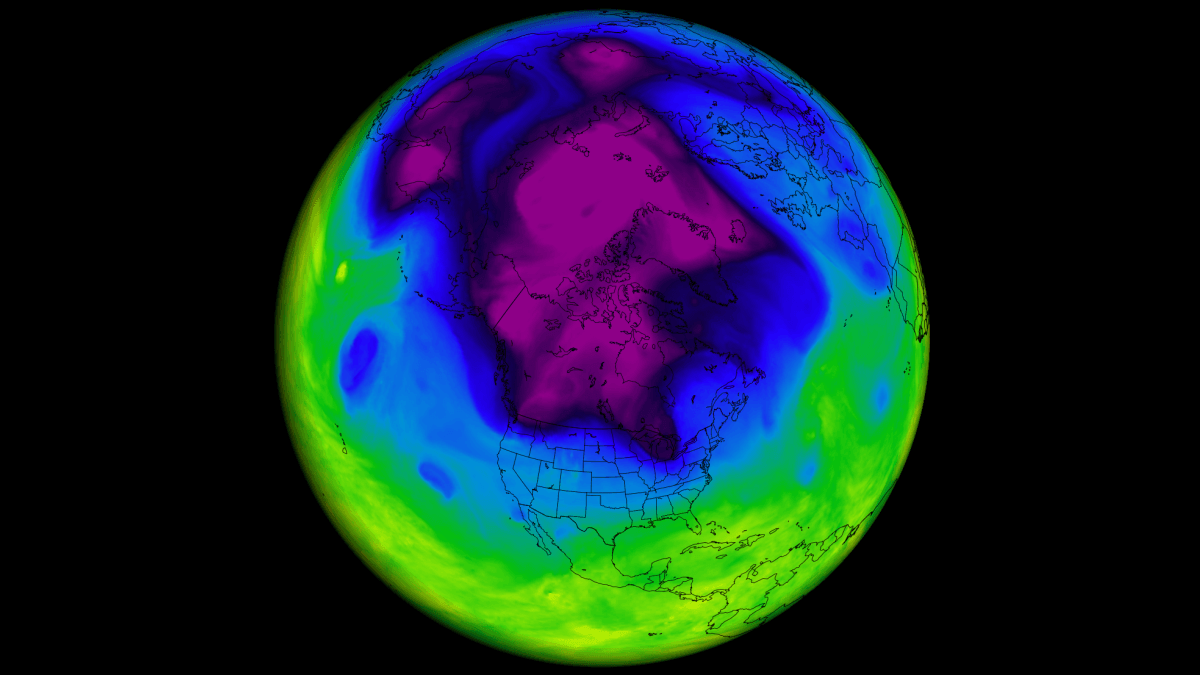
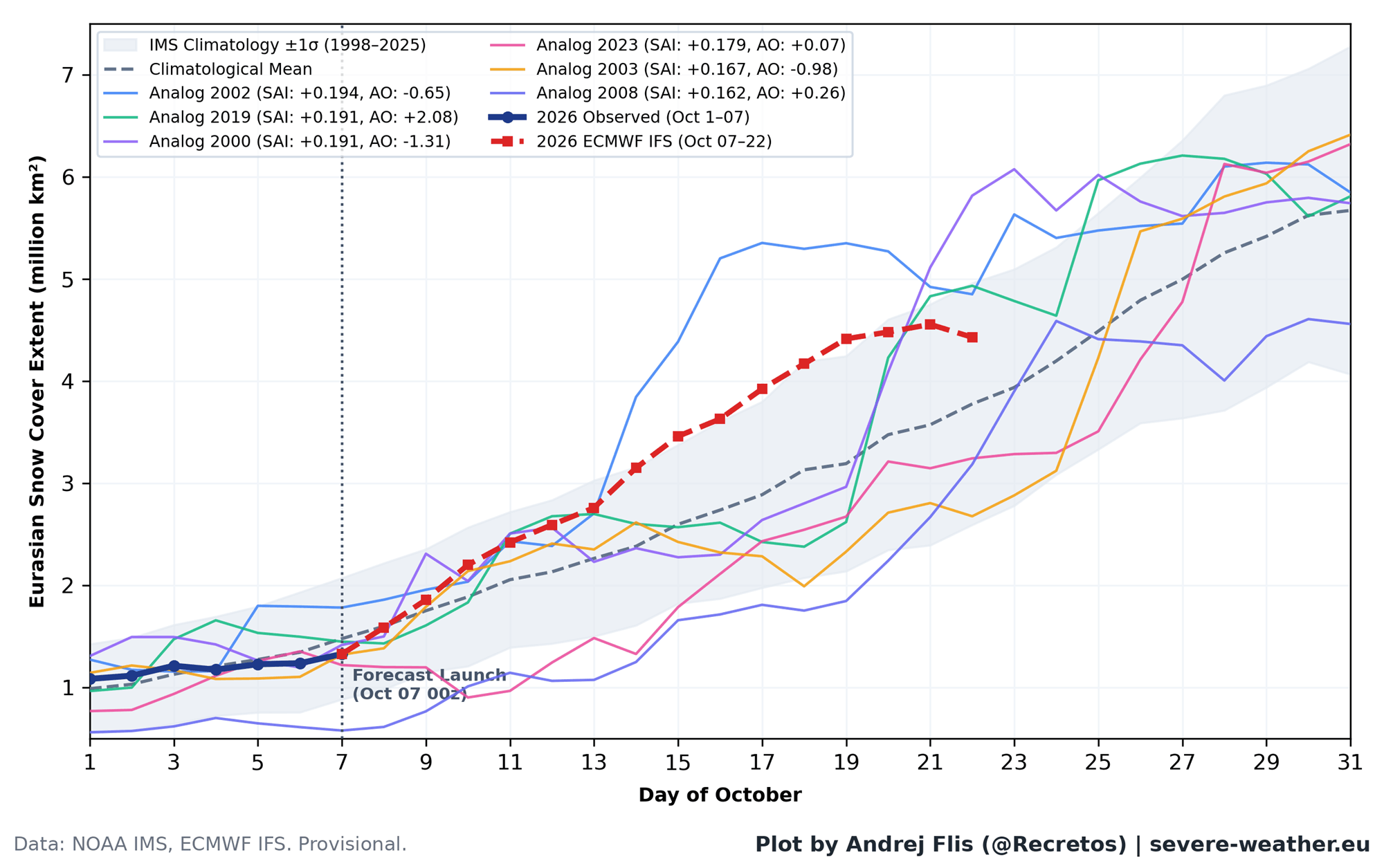
Every autumn, as the first chills of winter begin to settle across the Northern Hemisphere, a familiar discussion dominates weather forums, academic circles, and social media platforms: Is snow covering Siberia at a record pace? For more than a decade, weather enthusiasts and long-range forecasters have treated a rapid October snow advance across Eurasia as an early, highly reliable warning sign for a bitter, snowy winter across the United States, Canada, and Europe.
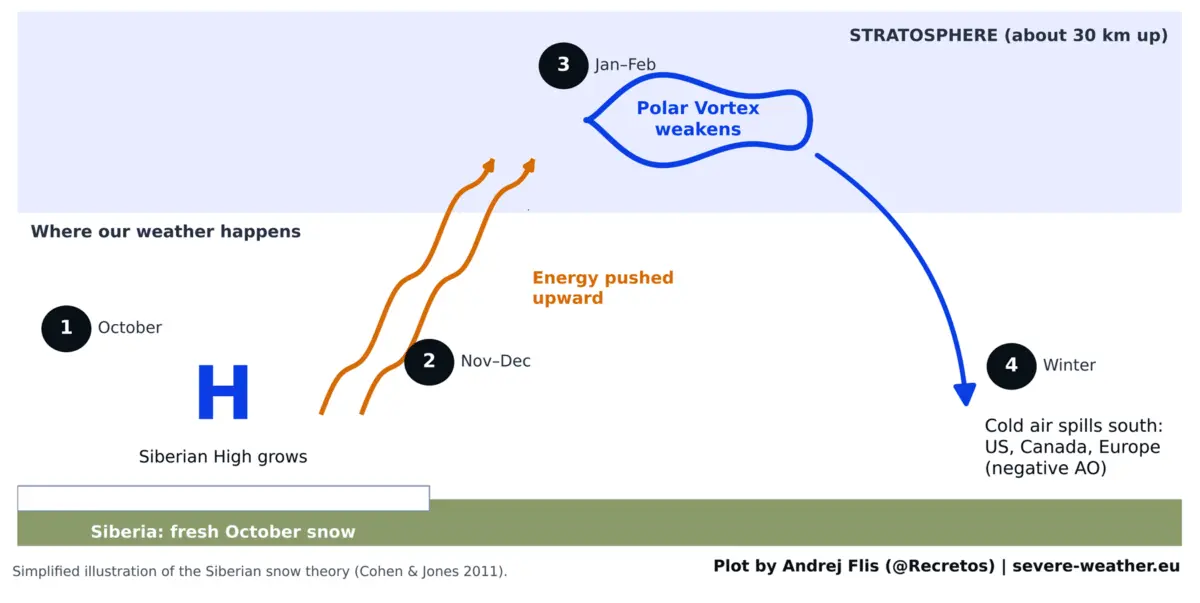
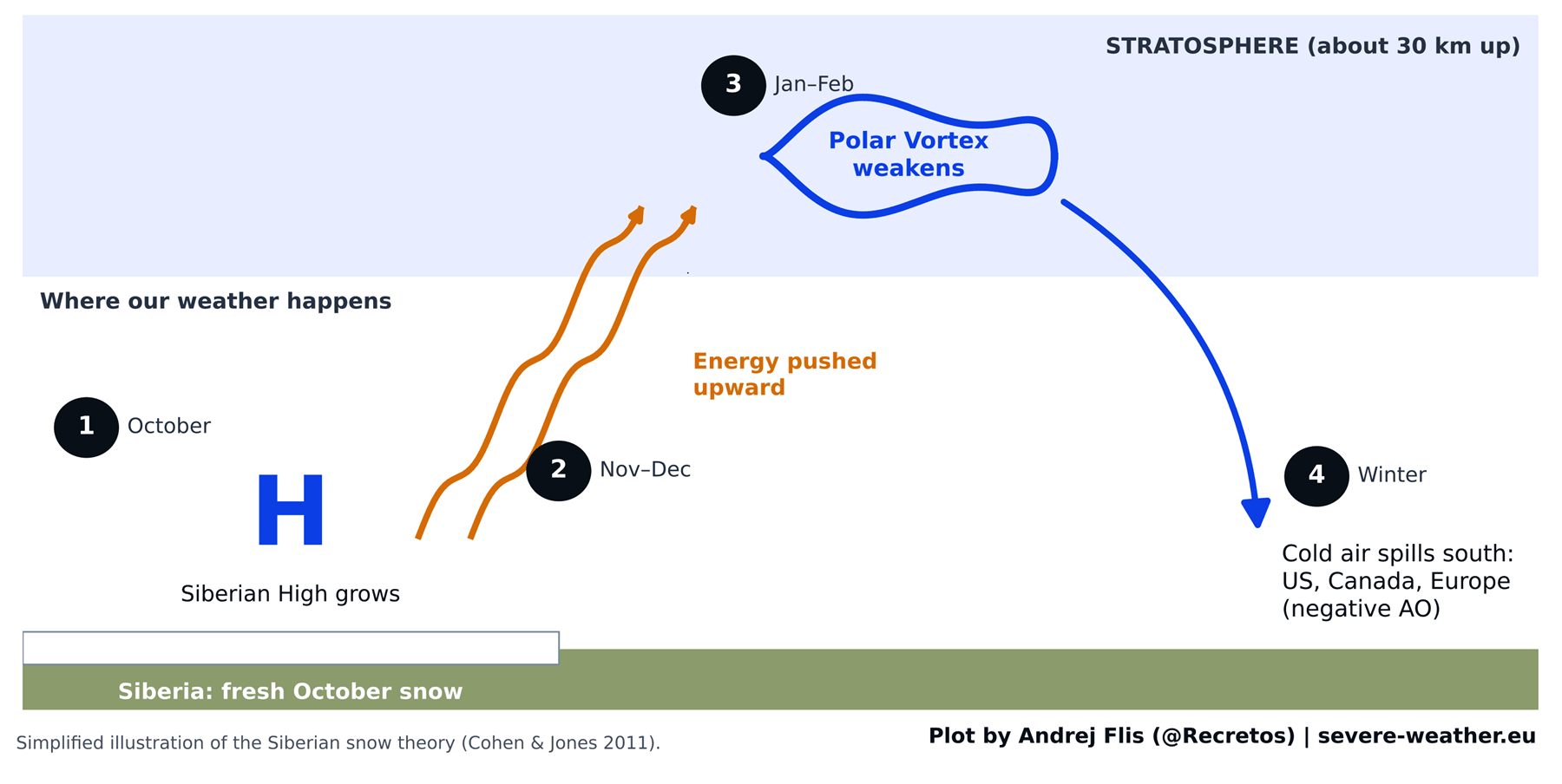
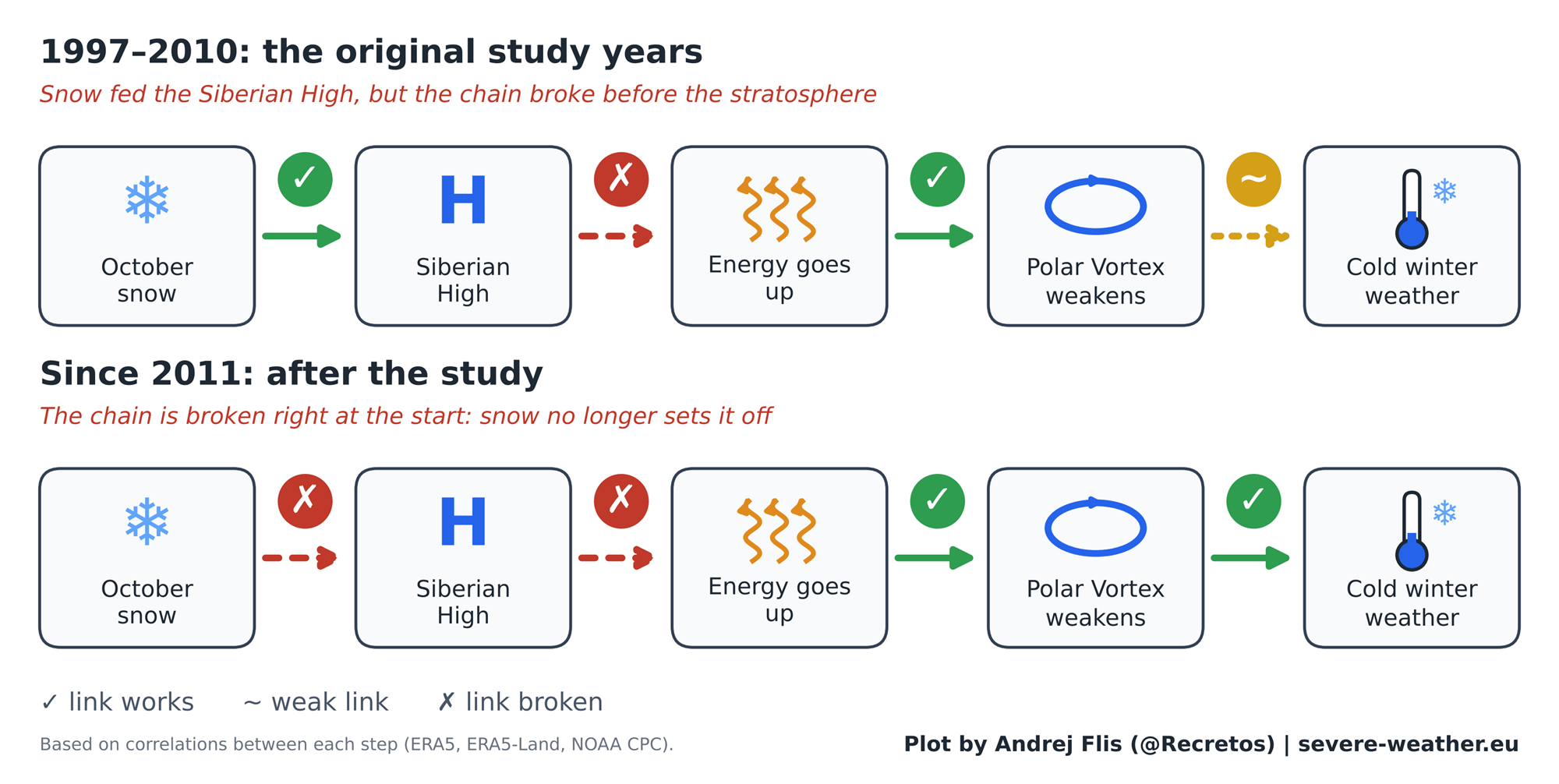
The concept is anchored in a widely cited 2011 scientific study by researchers Judah Cohen and Justin Jones. The foundational theory suggests that rapid snow accumulation in October supercharges the Siberian high-pressure system, sending waves of energy high into the stratosphere to disrupt the Polar Vortex. When the vortex weakens or collapses, lobes of frigid Arctic air are theoretically unleashed into the mid-latitudes.
However, with another fast snow surge forecast for October, meteorologists are asking a critical question: Does this classic forecasting tool still hold weight in the modern era? To find out, a comprehensive analysis of 47 winters of data spanning from 1979 to 2025 was conducted, utilizing four distinct snow datasets—including the exact satellite observations referenced in the original research. The results challenge long-held assumptions, redefining how meteorologists must evaluate October snow cover as we look ahead to the winter season.
Chronology of a Paradigm: How the Theory Evolved
The 2011 Breakthrough
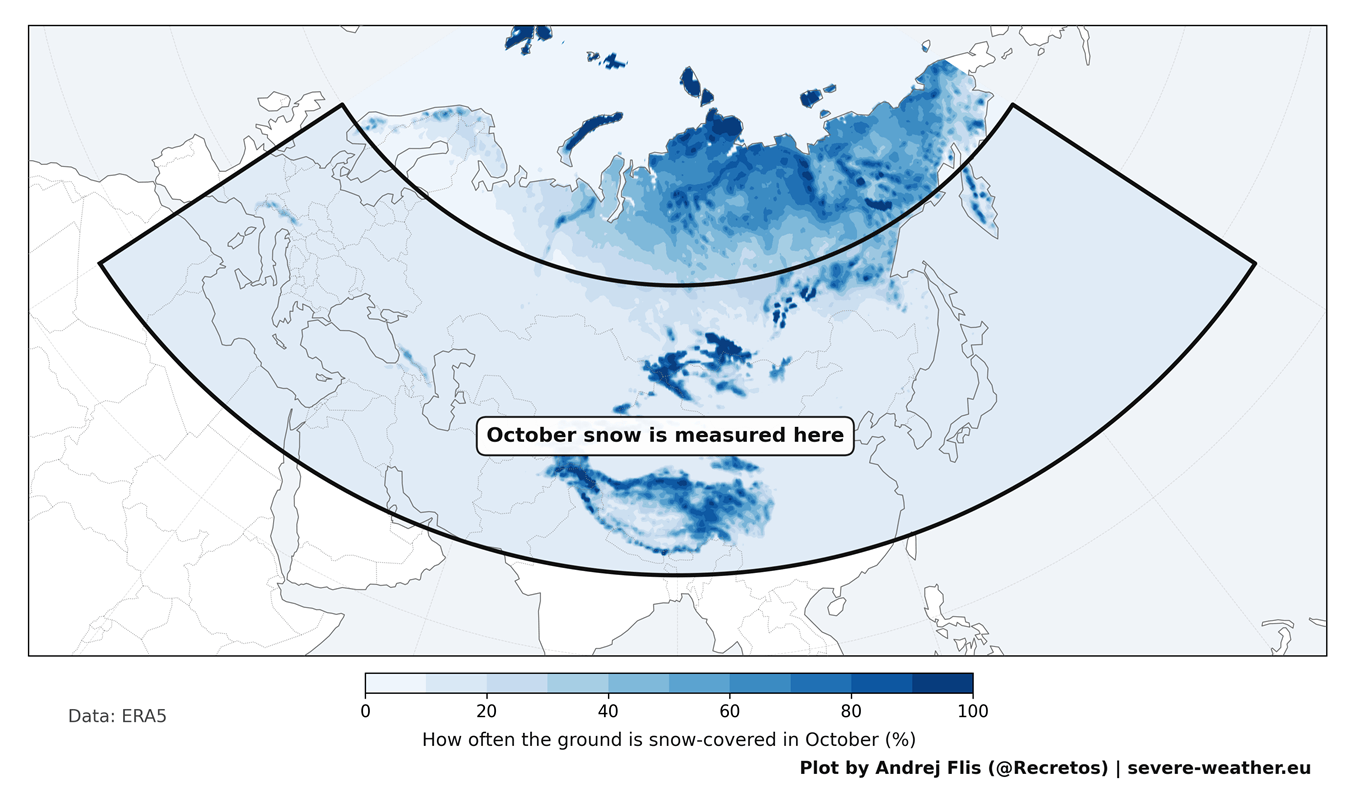
In 2011, the meteorological community was electrified by the discovery of a tangible connection between Eurasian snow cover and mid-latitude winter weather. Cohen and Jones demonstrated that the speed of snowpack expansion across a massive geographic stretch—ranging from Western Europe to the Pacific coast, including southern Siberia, Mongolia, and the Tibetan Plateau—correlated strongly with subsequent winter outcomes.
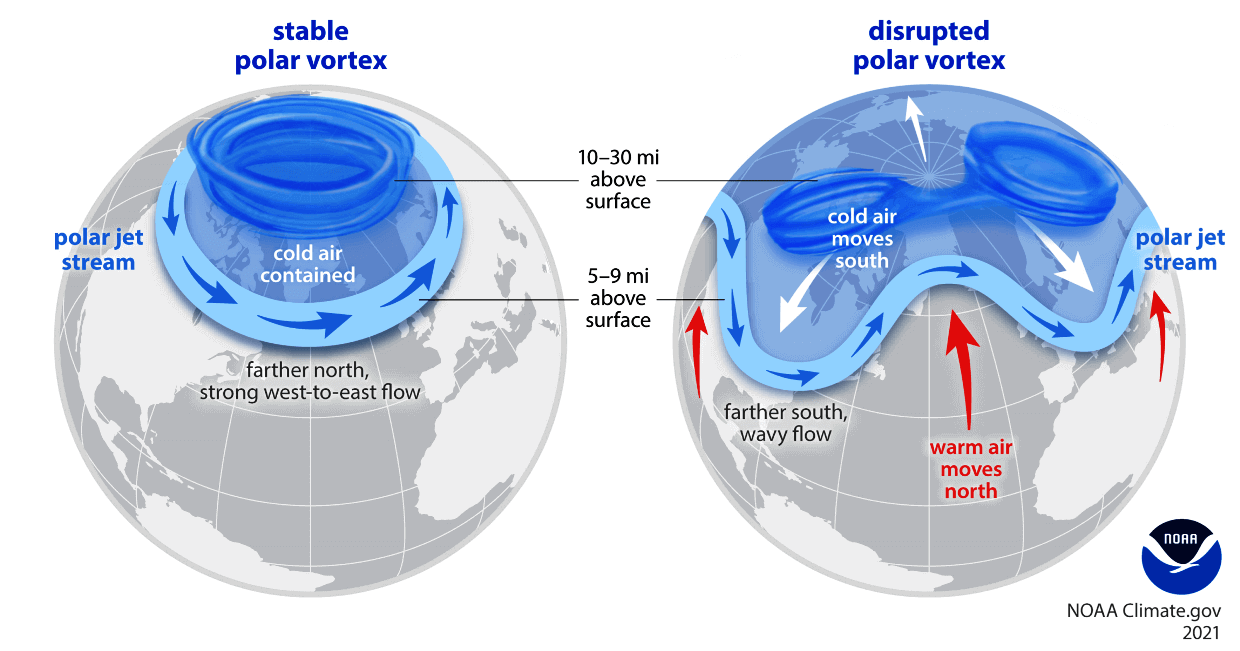
The physical mechanics of the theory appeared airtight:
- Surface Cooling: Fresh, bright snow cover dramatically cools the underlying ground, intensifying the Siberian High.
- Stratospheric Wave Energy: The strengthened high-pressure zone forces atmospheric energy upward into the stratosphere, roughly 18.5 miles (30 km) above the surface.
- Polar Vortex Disruption: This upward-surging energy disrupts the Polar Vortex—the swift ring of stratospheric winds that normally traps the coldest air safely above the North Pole.
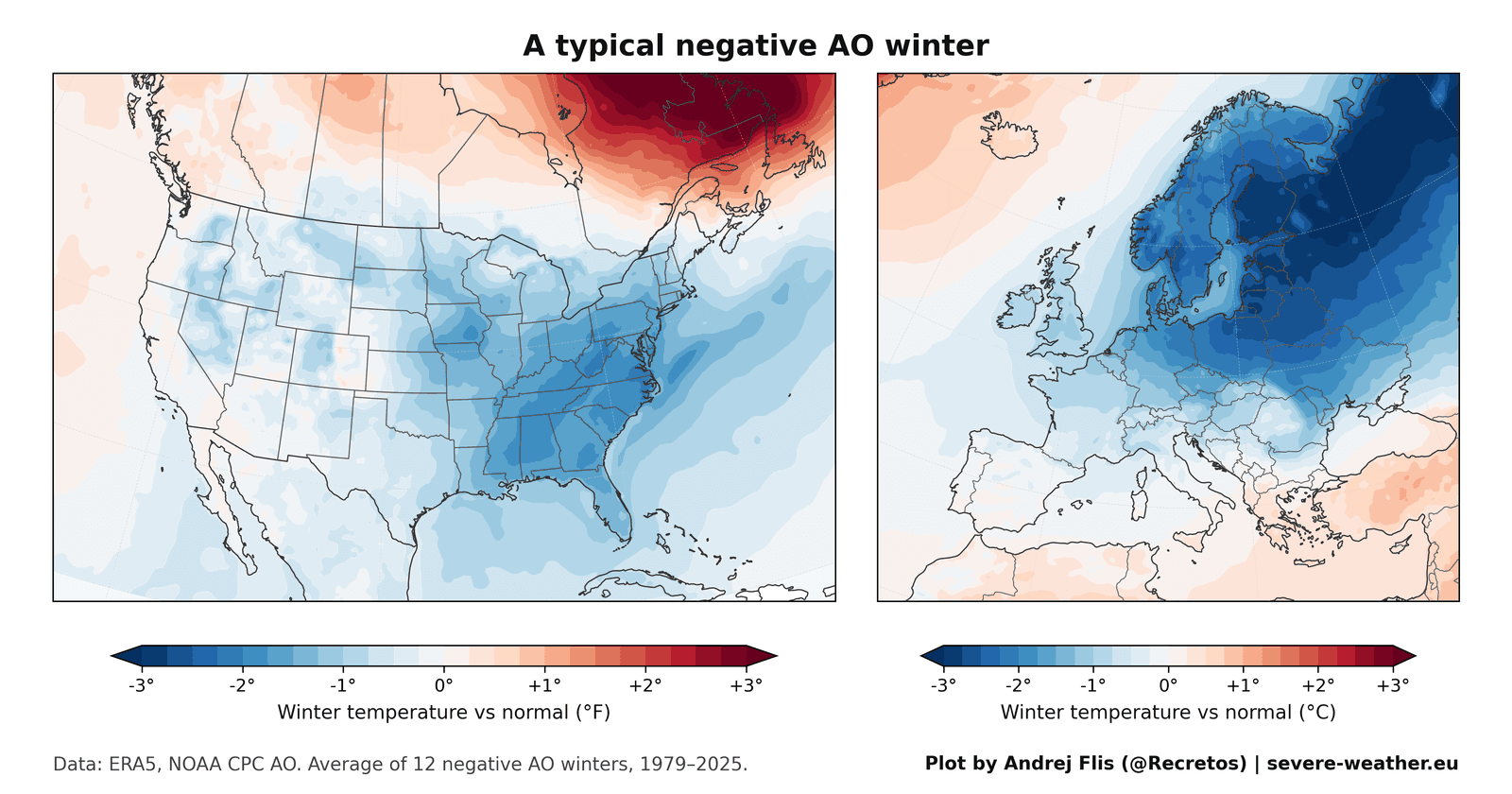
- The Negative Arctic Oscillation (AO): A disrupted vortex causes the Arctic Oscillation to trend negative, creating a "wobbly" or stretched vortex that spills Arctic air southward into North America and Eurasia.
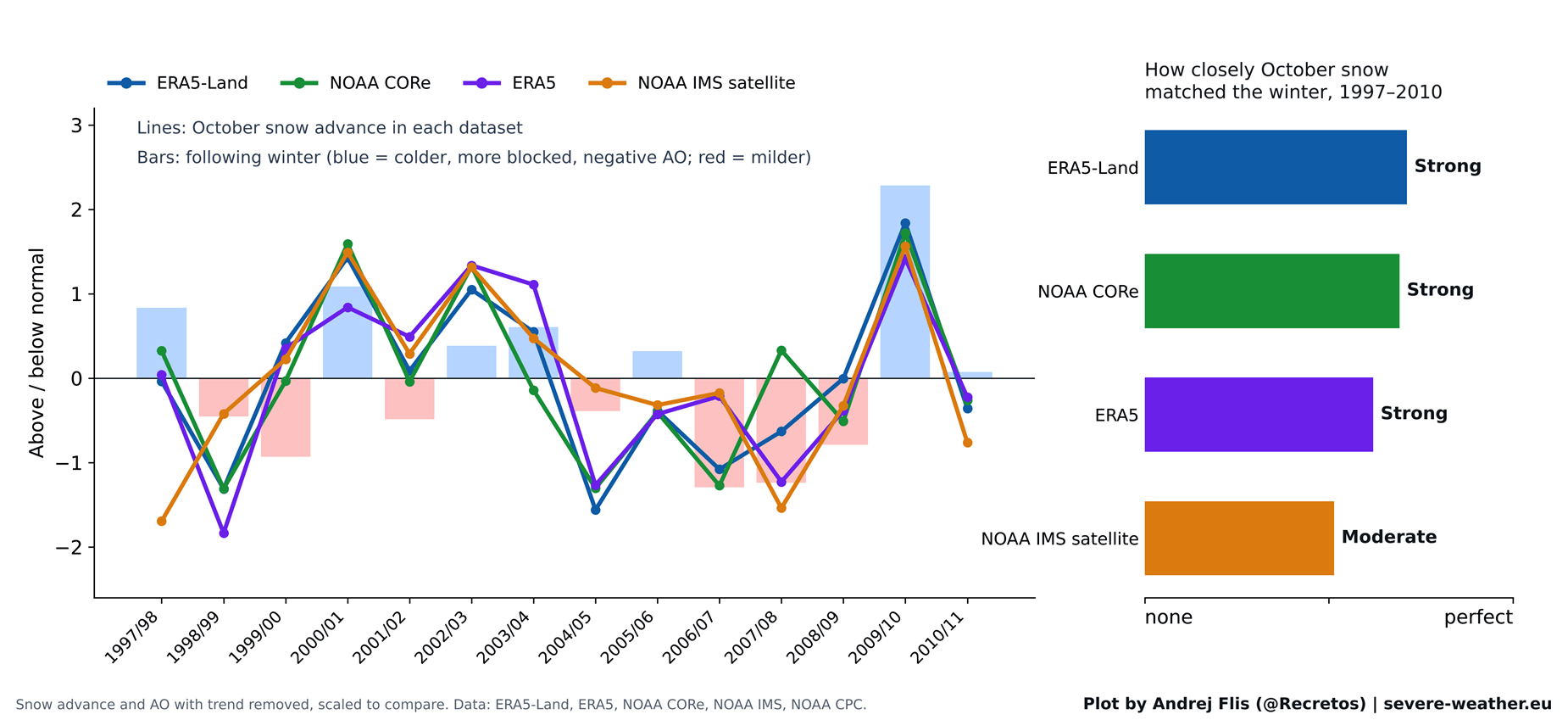
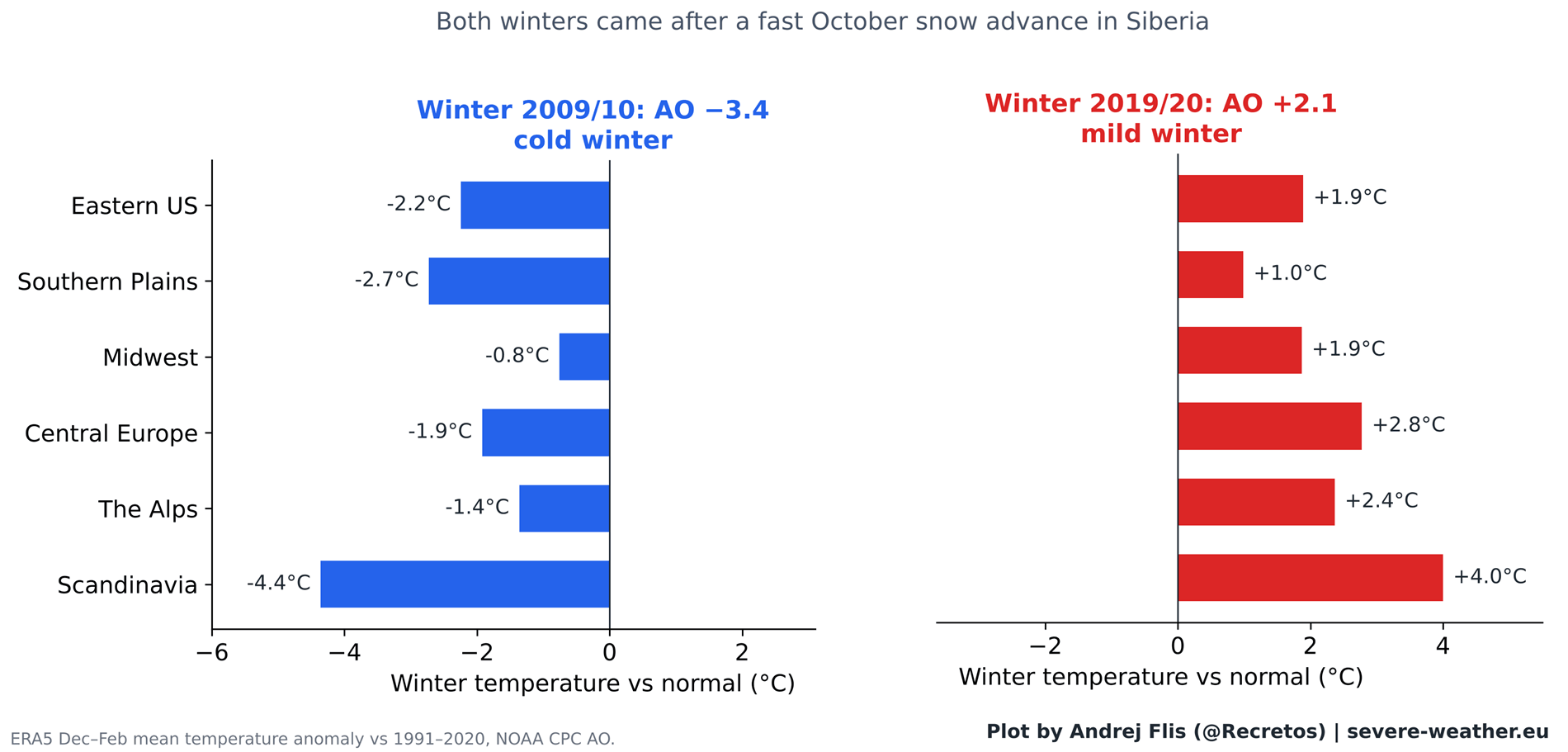
During the late 1990s and 2000s, this theory enjoyed an impressive predictive streak, culminating in winters like 2009/2010. That particular season followed a blistering October snow advance and produced a record-setting negative AO, delivering severe cold to Europe and legendary February 2010 snowstorms to the Eastern United States.
The Fading Signal
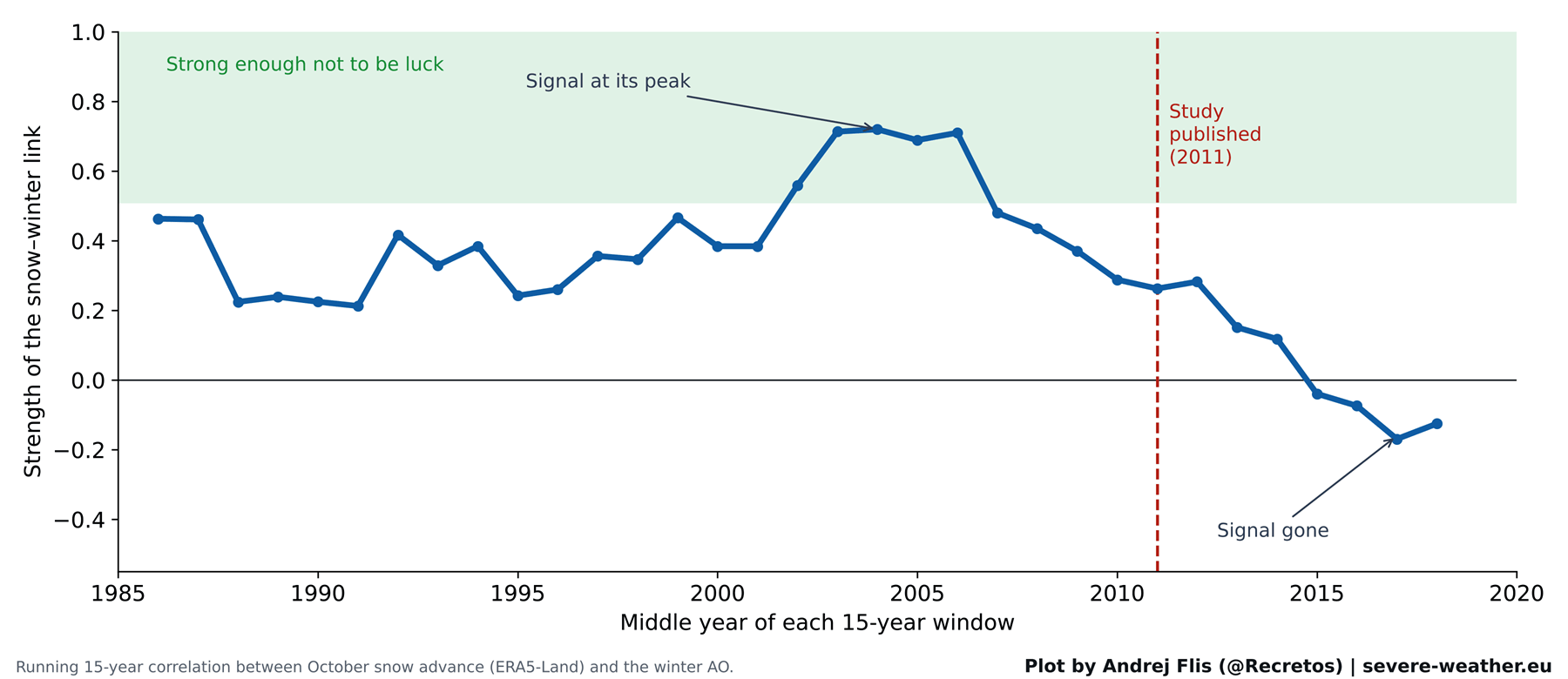
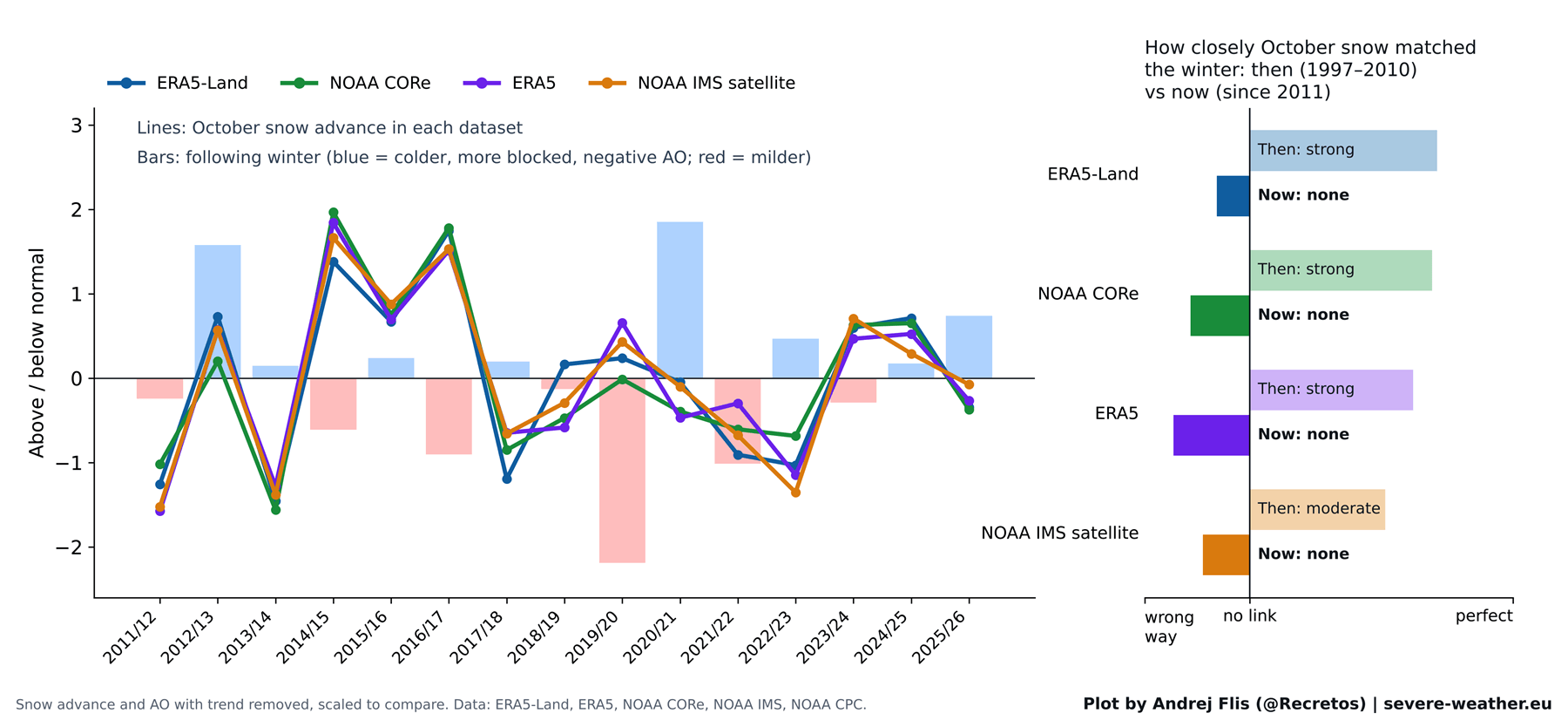
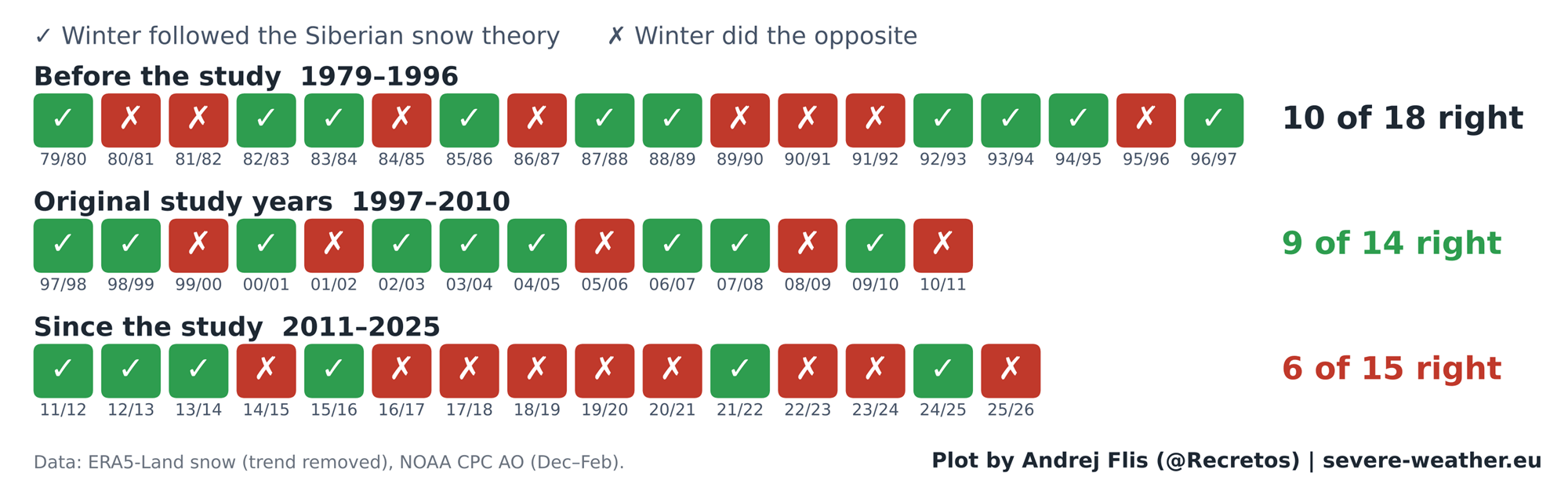
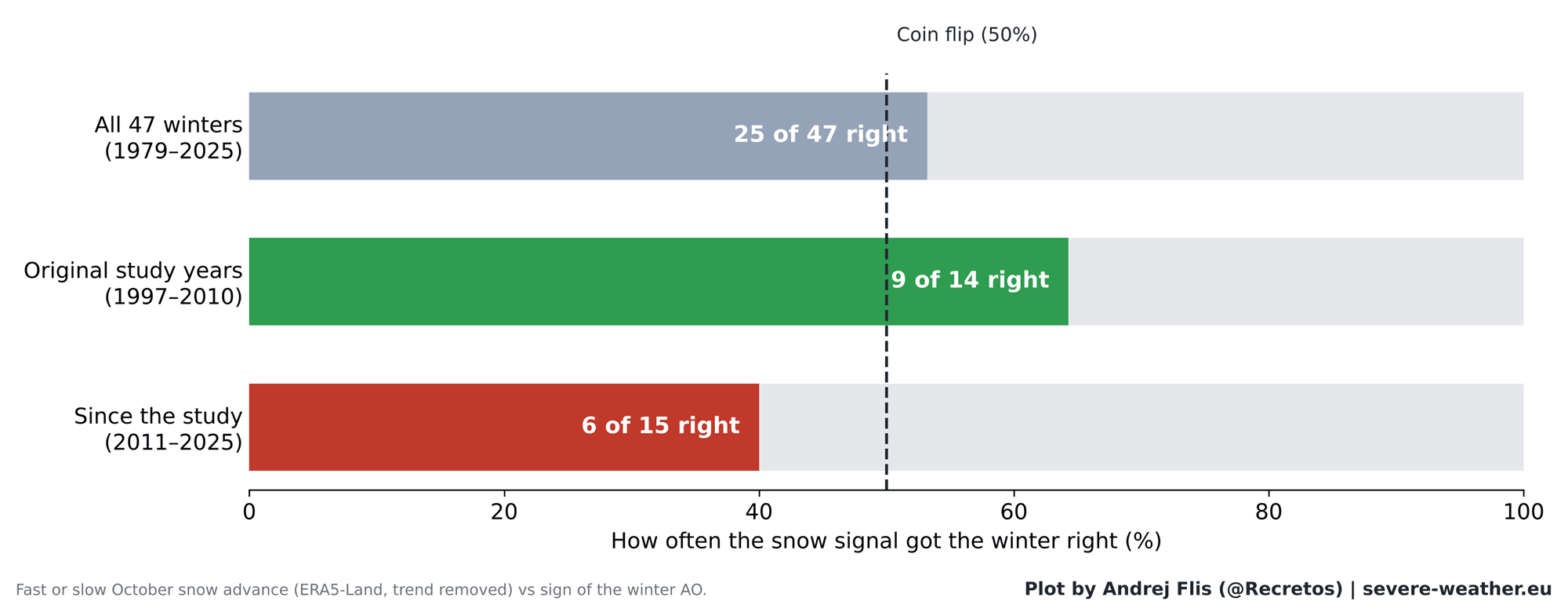
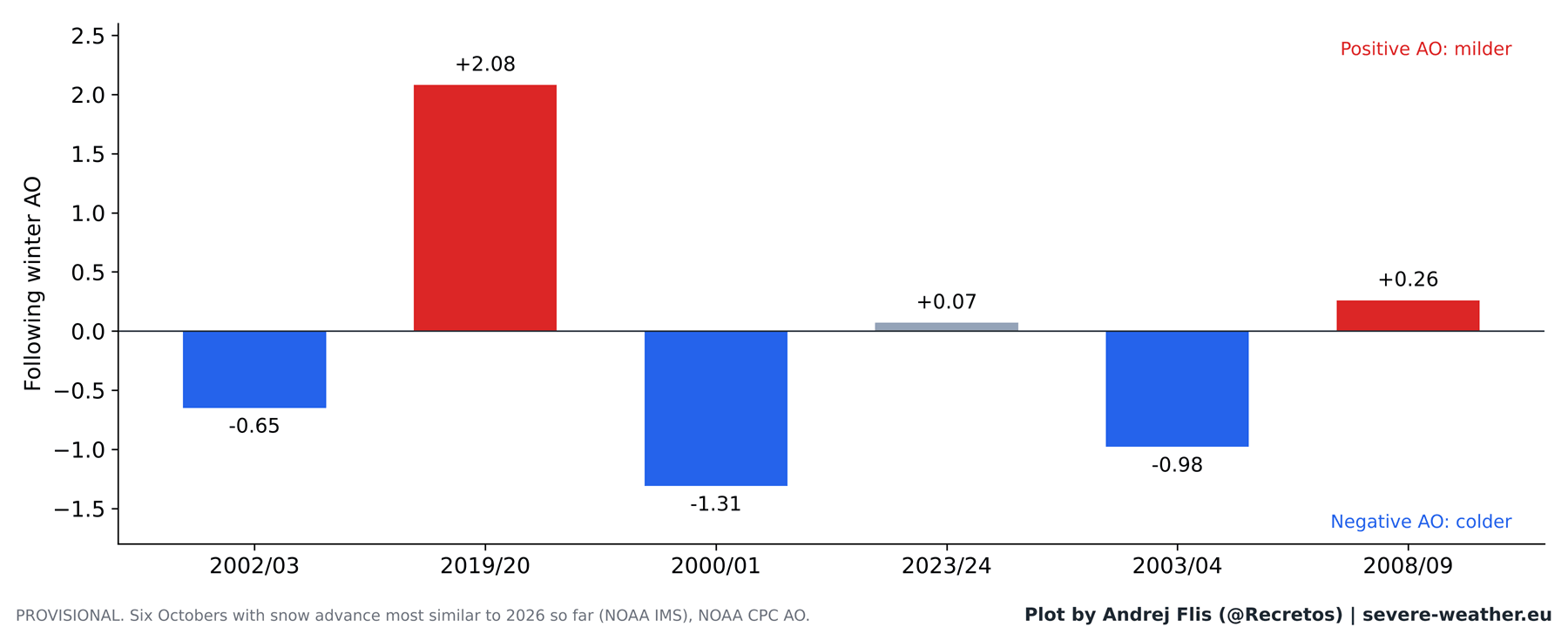
Despite its early success, modern reanalysis reveals a different reality. When researchers tested the snow-advance index against the 15 winters that followed the 2011 publication, the predictive signal vanished entirely. Over the full 47-year dataset (1979–2025), the October snow metric successfully anticipated the correct winter AO mode 25 times while failing 22 times—essentially performing on par with a coin flip. During the post-2011 era specifically, the indicator was accurate in only 6 out of 15 winters, falling well below statistical chance.
Supporting Data: What 47 Years of Reanalysis Reveals
To ensure absolute scientific rigor, the recent investigation cross-examined four independent datasets: ERA5, ERA5-Land, NOAA IMS 24 km satellite observations, and NOAA CORe weather reanalysis.
Breaking Down the Chain Reaction
The data reveals a fascinating nuance within the atmospheric chain reaction. While the upper-level atmospheric physics remain entirely valid—meaning that increased upward energy transfer in November and December does reliably weaken the Polar Vortex in January and February—the missing link is at the very beginning of the sequence. October snow cover no longer reliably forces that initial pulse of energy upward into the stratosphere.
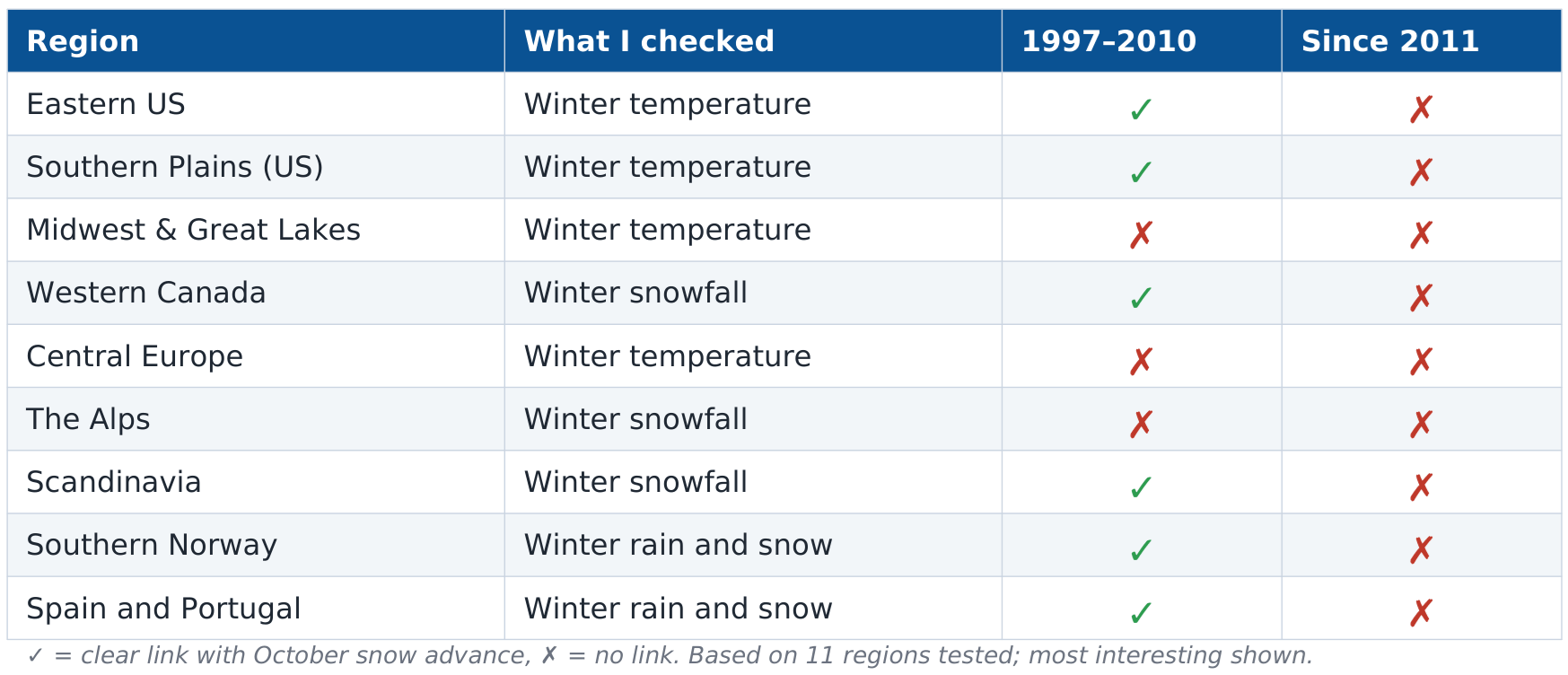
Furthermore, regional analyses tracking temperature, snowfall, and precipitation trends across 11 distinct zones in North America and Europe highlight a complete breakdown of localized predictability. While pre-2011 data showed distinct correlations between fast October snow advances and colder winters in the eastern United States, those regional signatures have since flattened into statistical noise.
A Technical Caveat on Reanalysis Data
In the pursuit of precise historical tracking, researchers also identified a notable quirk within the standard ERA5 dataset: Eurasian October snow cover drops by roughly 40% abruptly in the year 2004. Cross-referencing with independent NOAA datasets confirmed that this artifact is unique to ERA5, coinciding with the integration of early satellite snow-mapping algorithms over Siberian lowlands between 50°N and 70°N. Fortunately, because ERA5-Land and alternative datasets corroborated the broader trends, the core conclusions regarding the snow index remain secure.
Implications for Winter: Moving Beyond Siberian Snow
With the October snow signal effectively downgraded from a reliable indicator to an inconsistent historical quirk, long-range forecasters are shifting their attention to more dominant atmospheric and oceanic drivers.
The True Drivers of Winter
Rather than relying on early-season snow in Siberia, modern forecasting models point toward two primary factors dictating mid-latitude winter patterns:
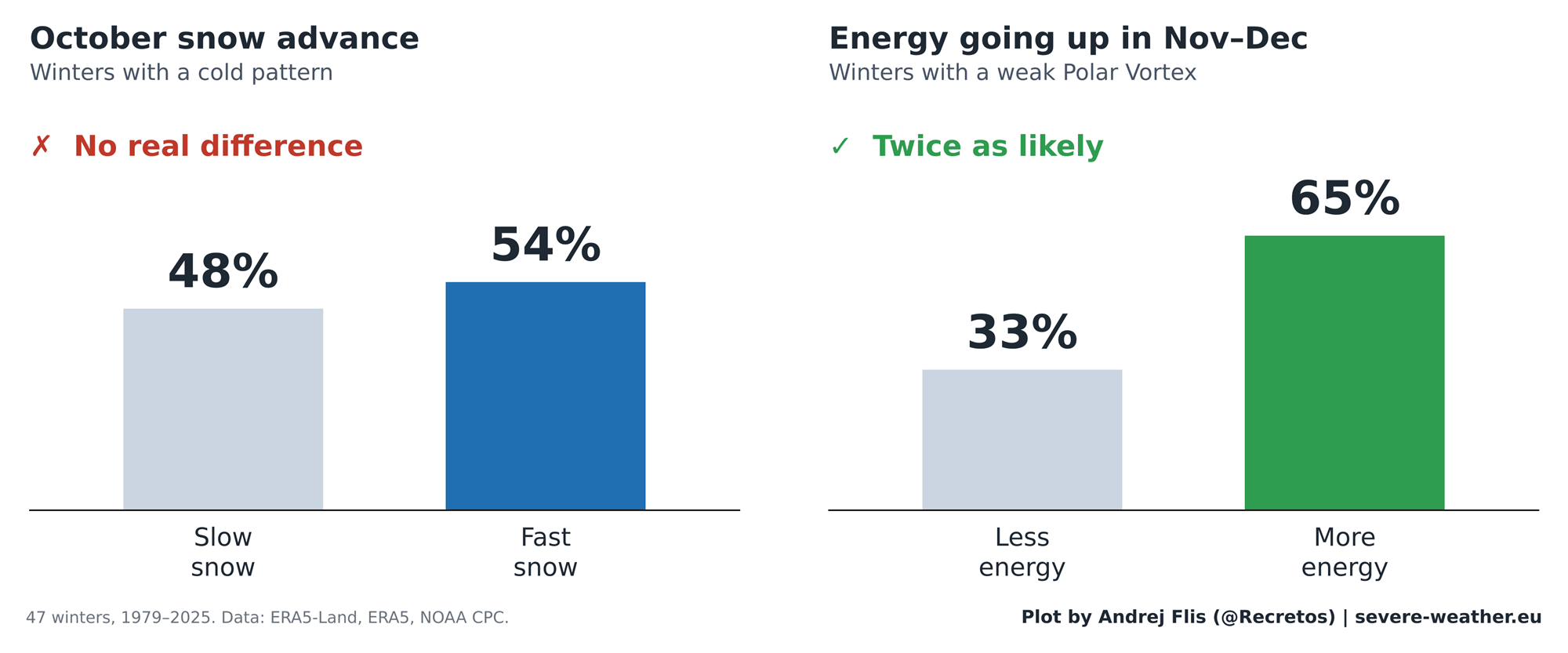
- Stratospheric Energy Fluxes: The rate at which planetary wave energy propagates upward into the stratosphere during November and December remains an invaluable early warning metric. When significant energy transfers occur, the statistical odds of a weakened or disrupted Polar Vortex double.
- The Super El Niño Phenomenon: By far the most influential player on the global stage is the active Super El Niño unfolding across the Pacific Ocean. Sea surface temperature anomalies in the tropical Pacific are exerting profound control over the jet stream, global storm tracks, and stratospheric wind structures.
Stratospheric Modeling and the Polar Vortex
Recent meteorological simulations demonstrate that strong El Niño events trigger significant stratospheric deceleration, dampening the winds of the Polar Vortex during the second half of winter. ECMWF seasonal forecasts for mid-to-late winter 2026/2027 show zonal wind speeds dropping significantly below the long-term historical average by January, raising the probability of a Sudden Stratospheric Warming (SSW) event or a full vortex collapse.
When a major stratospheric warming event occurs, the resulting surface weather anomalies typically establish a classic "Polar Express" pattern. Historically, the 30 days following such disruptions feature heightened probabilities of cold-air outbreaks cascading across the central and eastern United States, alongside variable impacts across Europe.
Official Outlook and Regional Expectations
As weather agencies finalize their seasonal outlooks, the regional distribution of winter risks is coming into clearer focus:
- North America: ECMWF temperature projections for late winter suggest a classic Super El Niño signature. This configuration features an amplified southern jet stream, which keeps persistent cloud cover and precipitation anchored across the southern and central United States, resulting in a cooler temperature anomaly trend in those regions. Meanwhile, parts of northern North America may trend milder.
- Europe: Current European forecasts depict a predominantly milder westerly flow dominating the continent, with true cold-air anomalies largely confined to high northern latitudes like Scandinavia. Unlike North America, Europe currently lacks the immediate structural setup to tap directly into a weakened polar vortex, leaving the higher probability of severe cold targeted toward the United States.
Ultimately, while weather enthusiasts will continue to monitor the rapid advance of October snow across Siberia as a tradition of the season, empirical data dictates a shift in perspective. A snowy October no longer guarantees a bitter winter, nor does a slow start rule one out. As meteorology enters an era of advanced reanalysis and high-resolution modeling, forecasters will continue to look past surface-level anomalies, focusing instead on the complex, global choreography of stratospheric dynamics and oceanic super-drivers to decode the winter to come.
