

As the crisp edge of autumn settles into the air and the vibrant displays of summer begin to fade, gardeners face a crucial seasonal turning point. While the temptation may be to let nature take its course until the arrival of spring, proactive intervention is the key to preserving your most prized tender plants.
Lifting, moving, and properly storing summer-blooming bulbs, tubers, and rhizomes before the first hard frost strikes can mean the difference between a flourishing garden next year and costly, disappointing losses. This comprehensive guide explores the science of winterizing, examines specific handling requirements for popular tender perennials, and provides a chronological framework to ensure your garden survives the winter freeze.
Main Facts: The Golden Rules of Overwintering
At its core, overwintering tender plants is a simple yet vital act of horticultural conservation. Plants that thrive in the warmth of summer—such as tuberoses, calla lilies, and tropical water lilies—often lack the hardiness to withstand freezing ground temperatures or waterlogged winter soils.
The primary enemies of stored plants during the colder months are freezing temperatures and excessive moisture. While dormant bulbs and rhizomes require cool, dry, and frost-free conditions to remain viable, evergreen tender plants need varying degrees of light and occasional hydration to keep their root systems alive.

Furthermore, soil drainage plays an equally critical role. Soggy storage environments can foster fungal pathogens just as effectively as sub-freezing temperatures, quickly turning healthy rhizomes into mush. By investing a small amount of labor in autumn to lift and store these plants, gardeners reap substantial rewards the following year: stronger displays, larger plant clumps, and a bounty of established roots that far outperform newly purchased stock.
Chronology: A Season-by-Season Guide to Winter Plant Care
Successful winterization is not a single weekend chore; it is a progressive process dictated by weather patterns rather than strict calendar dates.
Late Summer to Early Fall: Assessment and Preparation
As days grow shorter, begin observing your garden for the first signs of slowing growth and yellowing foliage. This is the ideal window to gather your winterizing toolkit. Essential supplies include breathable mesh bags or crates, waterproof garden labels, sharp and sterilized pruning shears, and shallow storage trays. Pre-sorting your storage containers and organizing your workspace ensures that once the frost warning is issued, you can act swiftly.
Mid-Fall: The Harvest and Lifting Phase
When the local forecast threatens the first unexpected hard frost, it is time to act.
- Cease Watering: For plants in the ground, reduce or stop watering as foliage yellows to encourage the plant to enter dormancy.
- Lift Carefully: Using a garden fork or spade, gently dig around the root zone of tender perennials to avoid slicing into tubers, bulbs, or rhizomes.
- Clean and Dry: Brush away loose soil and let the harvested specimens dry in a warm, well-ventilated, shaded spot for a few days.
- Inspect: Discard any specimens showing visible signs of damage, bruising, or early rot.
Winter Maintenance: The Monthly Checkup
Storage is not a "set-it-and-forget-it" endeavor. Throughout December, January, and February, make it a habit to inspect your stored roots and containers at least once a month. A rapid five-minute check allows you to catch and isolate any developing rot before it spreads to neighboring plants.
Early Spring: Awakening and Replanting
As winter thaws and the danger of hard freezes passes, reverse the process. Pot up your stored bulbs and rhizomes in warm, bright indoor spaces to jump-start their growth cycle, ensuring they are strong and robust before transitioning them back into outdoor beds and containers.
Supporting Data: Tailored Care for Specific Summer Favorites
Different species possess unique botanical structures and hardiness thresholds. Understanding these differences ensures high survival rates across your collection.
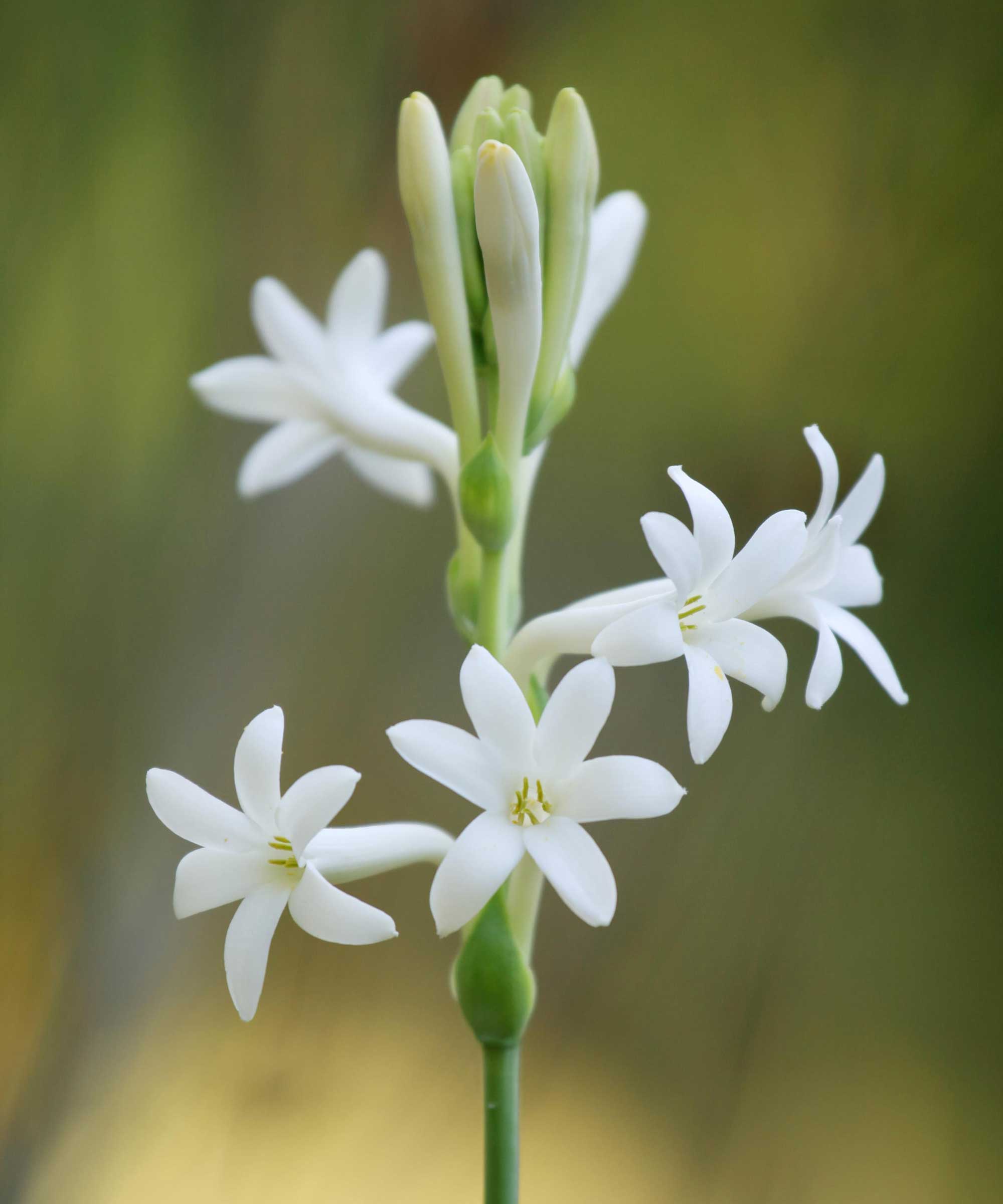
1. Tuberose (Agave amica, formerly Polianthes tuberosa)
Famed for its tall stems of waxy white flowers and intoxicating fragrance, tuberose is exceptionally tender.

- The Process: Once foliage turns yellow, allow the plant to dry down, lift the bulbs gently, and clear away soil. Store them in a paper bag or ventilated tray in a cool, frost-free location.
- Pro Tip: Always label your varieties with waterproof markers to eliminate spring guessing games.
2. Pineapple Lily (Eucomis sp.)
Recognizable by its jaunty tuft of leaves atop a striking flower spike, the pineapple lily is typically hardy in USDA Zones 7 through 10. However, wet winter soil can cause rot even in mild climates.
- The Process: In colder zones, lift the bulbs after foliage dies back. If grown in a container, simply relocate the pot to a sheltered, dry area under cover, ensuring the compost never becomes waterlogged.
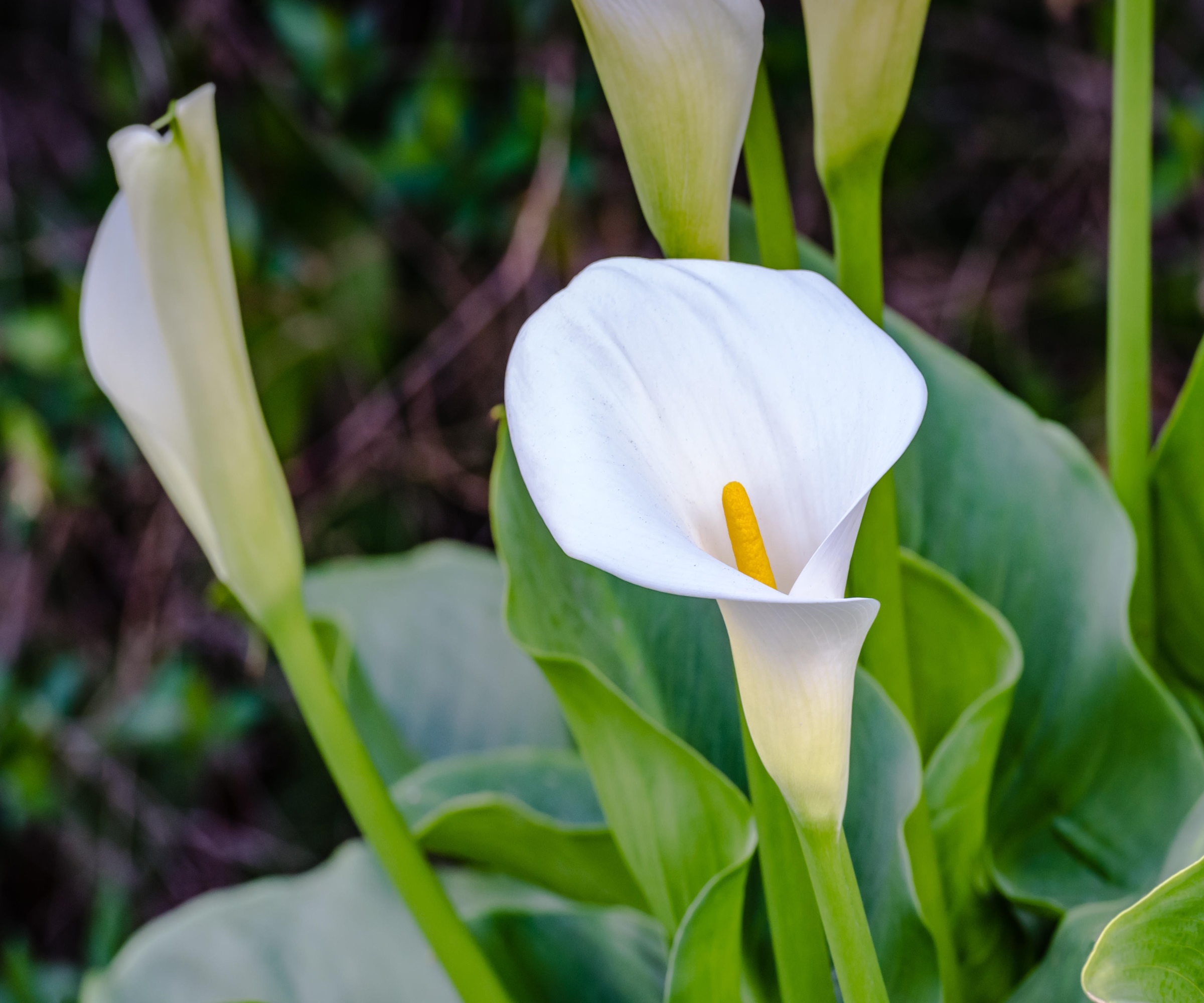
3. Calla Lily (Zantedeschia sp.)
Providing clean, sculptural elegance, calla lily rhizomes can survive outdoors in mild regions (USDA Zone 8 and warmer) with exceptional soil drainage.
- The Process: In cooler climates, lift the rhizomes after flowering ceases and foliage yellows. Store them in a breathable bag or box in a cool, dry environment, discarding any specimens that turn soft.
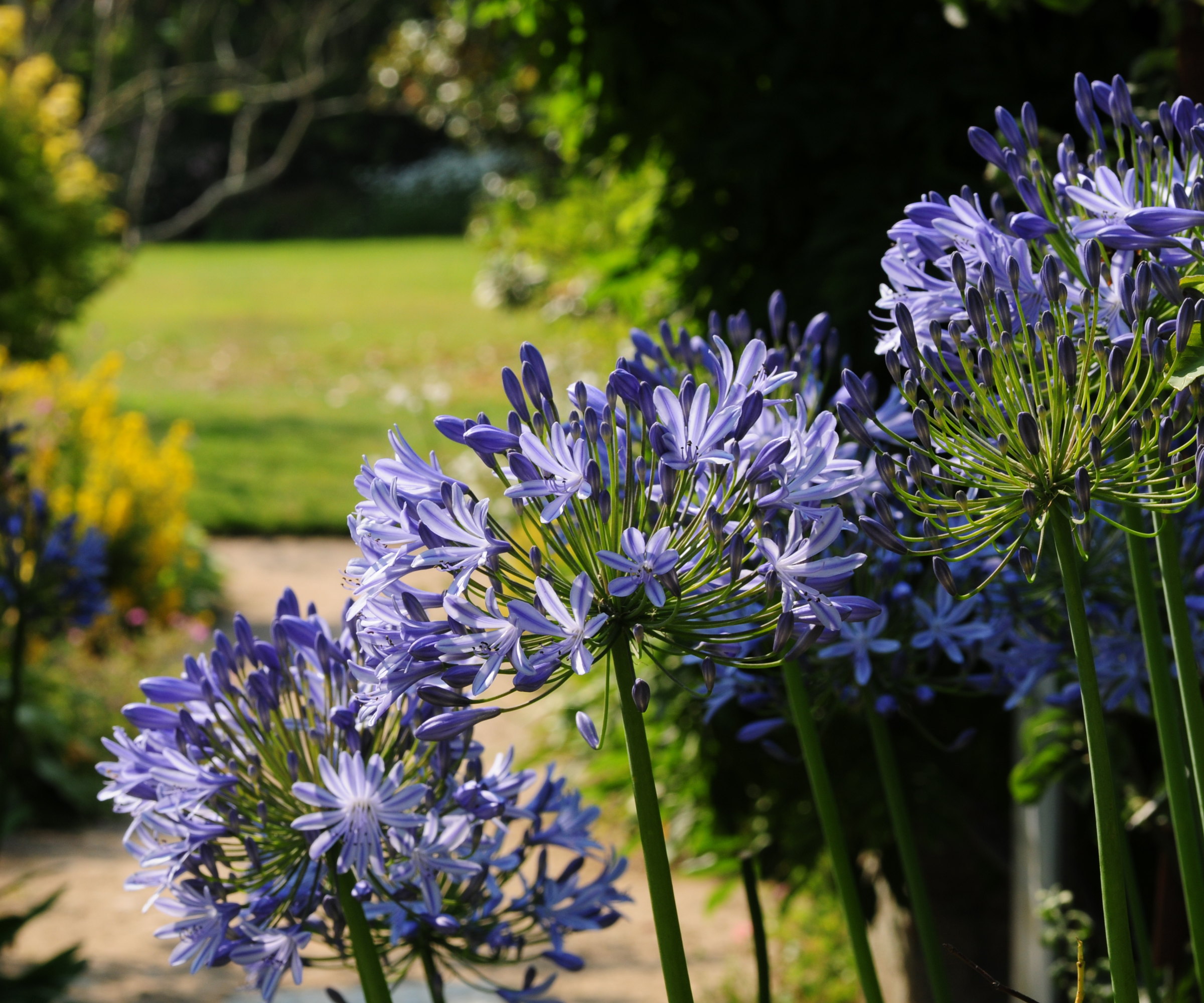
4. Agapanthus (African Lily)
Agapanthus produces stunning rounded blue or white flower heads. Deciduous varieties can be cut back after the foliage dies down and stored in a cool, frost-free space. Evergreen types, conversely, require a bright, sheltered indoor spot with sparing, occasional hydration to keep their root systems from drying out entirely.
5. Tropical Water Lily (Nymphaea sp.)
Unlike hardy water lilies that can remain submerged in outdoor ponds over winter, tropical water lilies cannot tolerate freezing temperatures.
- The Process: Lift the planting basket, harvest the small tuber near the crown, and store it in a sealed container filled with slightly damp sand or sphagnum moss. Maintain a stable temperature between 55°F and 60°F in a dark basement or frost-free cellar.
6. Tuberous Begonias (Begonia × tuberhybrida)
Blooming well into late autumn, these plants brighten shady borders just as other species fade.
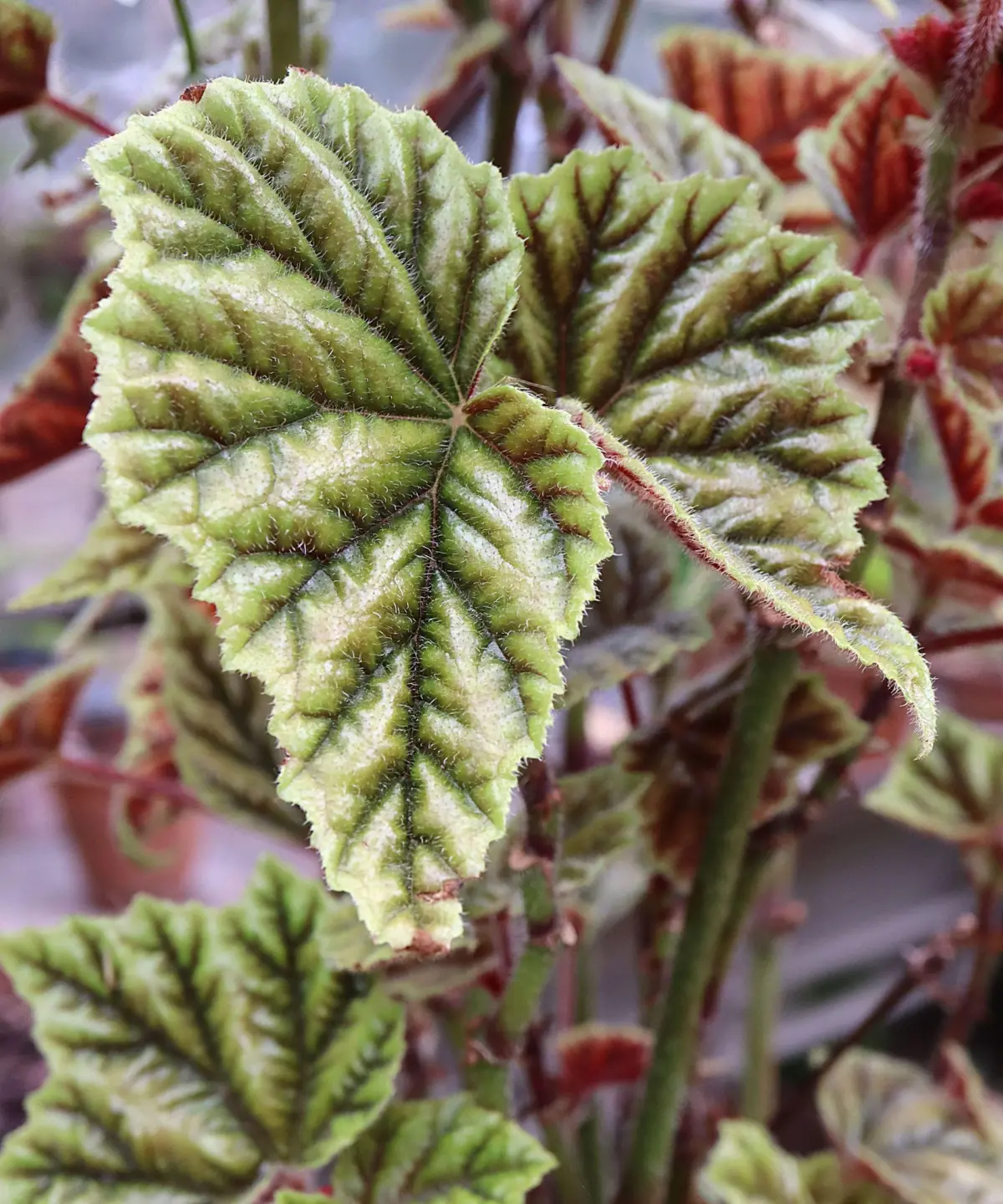
- The Process: As leaves yellow, reduce watering, lift the tubers while leaving a short piece of stem attached, and cure them in a dry, airy spot. Store them in shallow seed-starting trays or open paper bags, ensuring no trapped moisture causes fungal decay.
Official Responses and Horticultural Guidance
Agricultural extension offices and botanical authorities consistently emphasize that regional microclimates dictate winterization success far more than arbitrary calendar dates.
According to leading horticultural educators, gardeners must assess their specific USDA hardiness zone and monitor local meteorological forecasts closely. A plant that thrives as a perennial in Zone 8 may function strictly as an annual or require indoor lifting in Zone 6.
Furthermore, plant pathologists stress the importance of sanitation. Using sterile pruning tools, maintaining proper air circulation in storage units, and immediately culling infected or mushy tubers are officially recognized as the most effective defenses against common storage diseases such as Botrytis and soft bacterial rots.
Implications: The Long-Term Benefits of Proper Winterization
The practice of overwintering tender plants extends far beyond mere plant preservation; it carries significant financial, ecological, and aesthetic implications for the modern gardener.
Economically, annually replacing a collection of mature tuberoses, agapanthus, and large tuberous begonias represents a substantial financial investment. By mastering the art of lifting and storing, gardeners dramatically reduce recurring landscape costs.
Aesthetically, mature bulbs and rhizomes yield exponentially superior displays compared to immature starter plants purchased off the shelf in spring. Large, established clumps produce more robust root systems, heavier foliage, and an abundance of blossoms that establish a mature garden landscape much earlier in the growing season.
Ultimately, dedicating time to autumn garden maintenance transforms winter from a period of horticultural dormancy into a season of quiet preparation—guaranteeing that when spring finally arrives, your garden rebounds with renewed vigor, beauty, and resilience.
