

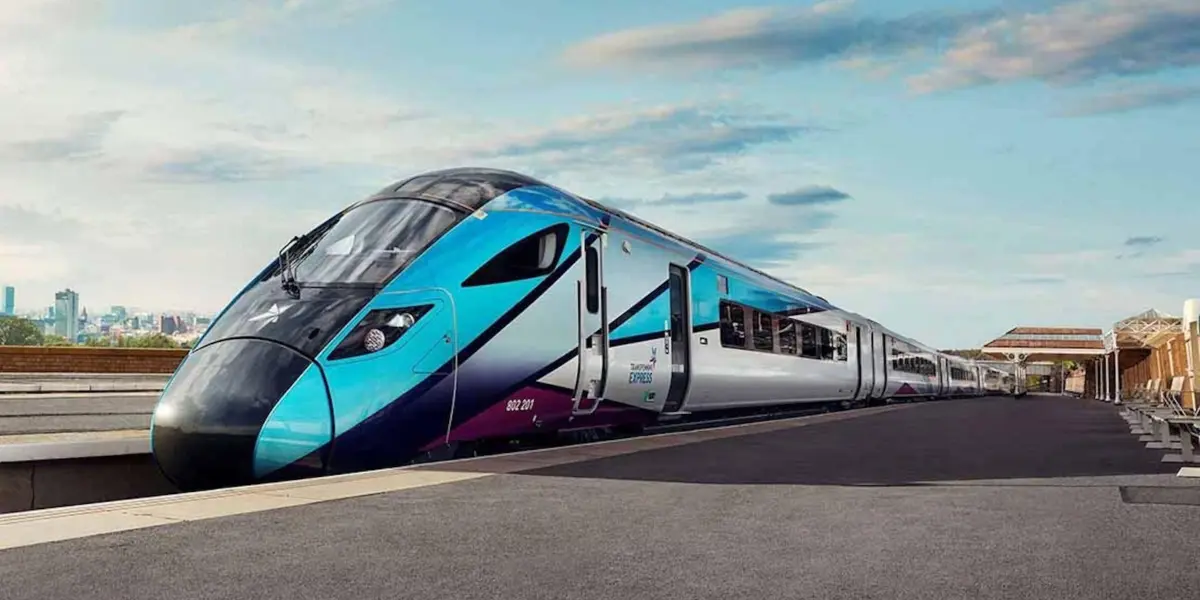
LONDON — In a landmark development for the future of British mass transit, Alstom and TransPennine Express have finalized contracts totaling more than €1.2 billion to design, build, and deploy the United Kingdom’s first-ever fleet of mainline battery-electric trains. Scheduled to enter commercial service in 2034, the ambitious project promises to overhaul long-neglected rail links across northern England, cut carbon emissions, and spark a major manufacturing boom centered in the industrial heartlands of the country.
While the British rail system has historically faced heavy public criticism for frequent delays, aging infrastructure, and complex ticketing systems, this multi-million-euro investment signals a decisive turn toward modernization. The initiative will introduce 29 cutting-edge, fully electric Adessia Stream trains capable of operating on long-distance mainline routes—setting a new benchmark for sustainable rail travel in the UK.
Main Facts
The core of the agreement centers on the deployment of 29 advanced Adessia Stream battery-electric multiple units (BEMUs). Manufactured by Alstom, these state-of-the-art trains will operate primarily on battery power while achieving top speeds of up to 110 miles per hour.
Key details of the €1.2 billion infrastructure and rolling stock agreement include:
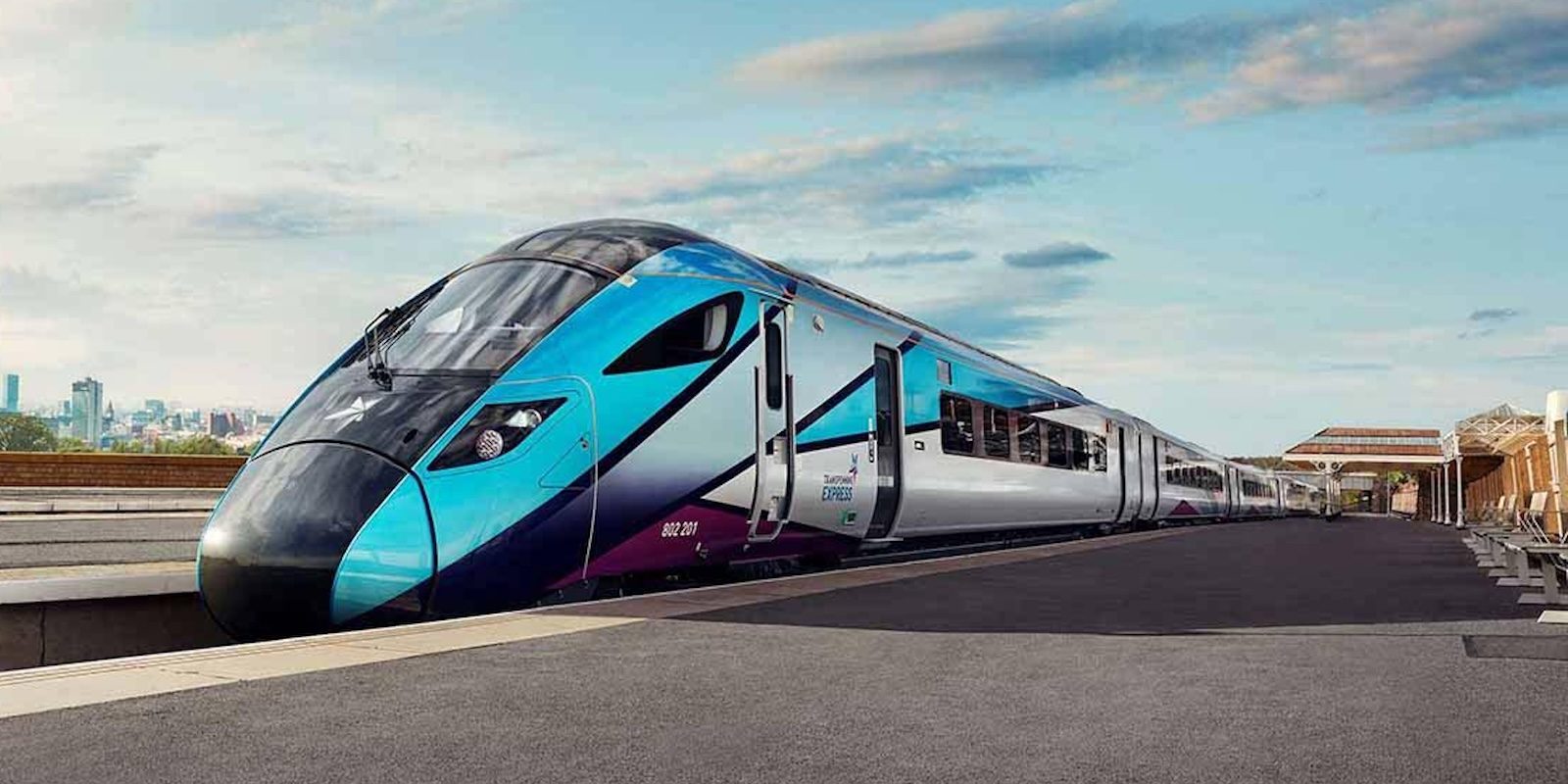
- The Manufacturer and Operator: Built by Alstom and operated by TransPennine Express, forming a crucial component of northern England’s regional connectivity, particularly on routes running between Liverpool and Cleethorpes.
- Capacity and Comfort: Each train will accommodate approximately 300 passengers, featuring an upgraded First Class section equipped with modern catering and dining facilities designed to elevate the passenger experience.
- Economic Impact: The manufacturing process will take place in Derby, directly supporting more than 6,000 permanent, high-skilled engineering and manufacturing jobs across the United Kingdom.
- Timeline: Slated for official commercial launch in 2034, following years of preceding technological trials and regional infrastructure adjustments.
Chronology: From Experimental Trials to Mainline Adoption
The path to Britain’s first mainline battery-electric fleet did not happen overnight; it is the culmination of years of iterative engineering, testing, and policy shifts aimed at decarbonizing the nation’s railways.
Early Concepts and Regional Pressures
For decades, non-electrified mainline routes across northern England relied heavily on aging diesel-powered locomotives. As climate targets tightened and commuter frustration peaked over chronic delays and cancellations, regional authorities began pushing for cleaner, more reliable alternatives that did not require the prohibitive capital costs of full overhead electrification across thousands of miles of track.
The 2024 Hitachi and TransPennine Trials
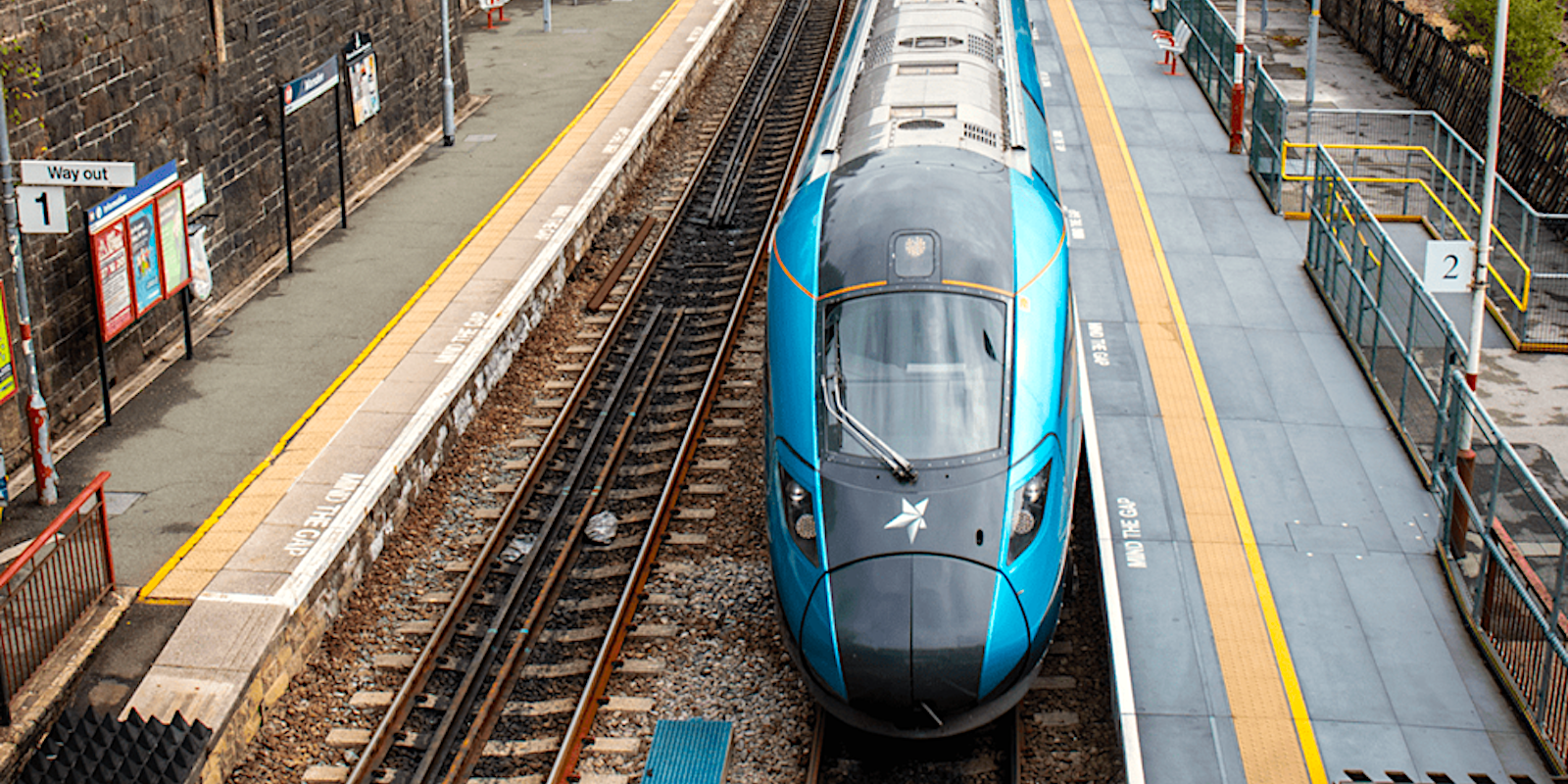
A critical stepping stone for the current agreement occurred in 2024, when TransPennine Express initiated live operational testing of battery-electric hybrid technology on its intercity network. In this pilot project, engineers replaced a diesel engine in a Class 802 Nova 1 train with an advanced battery-electric system developed by Hitachi.
The success of these trials proved that battery-electric traction could successfully handle demanding intercity schedules, paving the way for a dedicated, purpose-built fleet rather than a retrofitted hybrid solution.
The €1.2 Billion Agreement (September 2026)
Following months of negotiations and policy alignments, Alstom and TransPennine Express officially penned the €1.2 billion contracts in September 2026. The agreement immediately cemented Derby as the production hub for the 29 Adessia Stream trains, shifting the UK closer to its long-term decarbonization goals while laying the groundwork for a decade-long manufacturing ramp-up leading to the 2034 launch.
Supporting Data and Technological Specifications
The transition from diesel to battery power on mainline intercity routes represents a major leap in railway engineering. Fully electrifying entire rail networks through traditional overhead line equipment (OLE) is exceptionally costly and environmentally disruptive, particularly in rural or heritage-heavy regions. Battery-electric technology offers a pragmatic and highly efficient alternative.
Engineering the Adessia Stream
Alstom’s Adessia Stream platform is tailored specifically to bridge the gap between electrified corridors and non-electrified stretches.
- Dual-Capability Propulsion: The trains utilize high-capacity onboard energy storage systems that charge dynamically from overhead lines where available, then seamlessly switch to pure battery power on non-electrified segments without interrupting passenger service or losing speed.
- Performance Metrics: Capable of sustained speeds of 110 mph, the new fleet matches the performance metrics of conventional electric and high-speed diesel trains, ensuring that schedules remain fast and reliable.
- Passenger Metrics: With roughly 300 seats per train, the layout prioritizes space, accessibility, and passenger comfort, addressing long-standing complaints regarding overcrowded carriages on northern regional routes.
Economic and Environmental Figures
- Job Creation: The UK government has confirmed that the Derby manufacturing operations and associated supply chains will sustain upward of 6,000 permanent jobs.
- Emissions Reductions: By phasing out diesel engines on key TransPennine routes, the fleet will eliminate thousands of metric tons of carbon dioxide annually, directly supporting the UK’s legally binding net-zero carbon targets by 2050.
Official Responses and Stakeholder Perspectives
The announcement has garnered widespread praise from industry leaders, manufacturing executives, and senior political figures alike, who view the project as a catalyst for both economic regeneration and social mobility in the north of England.

Rob Whyte, Managing Director UK at Alstom, emphasized the national pride and engineering prowess tied to the project.
"This agreement is a landmark moment for Britain’s railway, and we couldn’t be prouder that the country’s first mainline battery-electric trains will be designed and built in Britain," Whyte said. "The fleet will transform journeys across northern England while showcasing the very best of British engineering, innovation, and advanced manufacturing."
The human cost of unreliable public transit was highlighted by British political leaders who have long campaigned for regional transport equity. Reflecting on public feedback regarding chronic rail failures, regional leaders pointed out that missed trains directly translate to missed opportunities for everyday citizens.
Expressing the urgency of the transport overhaul, British political figures noted:

"I’ve lost count of the number of times someone has stopped me to tell me about the train that never came. And when that happens, it means missed shifts, missed appointments, and missed opportunities," leadership remarked following the announcement. "Today that starts to change. These 29 new trains will bring faster, more reliable journeys to the north, and thousands of British jobs for the next generation."
Broader Implications for the Future of Rail
The introduction of Alstom’s battery-electric mainline fleet carries far-reaching implications for the global railway industry, offering a blueprint for decarbonization that other nations with partial electrification may soon follow.
Overcoming Infrastructure Bottlenecks
Traditional railway electrification requires billions in infrastructure spending, complex planning permissions, and years of disruptive civil engineering work along tracks. By utilizing high-performance battery systems that can recharge rapidly during transit, operators can extend zero-emission rail services deep into rural and regional branches without the exorbitant capital expense of stringing overhead wires over every single mile of track.
The Global Contrast in Mass Transit Investment
As the UK commits significant capital to sustainable, high-capacity electric rail infrastructure, international comparisons highlight stark differences in transit philosophy. While European and select international markets continue to double down on proven steel-wheel electric rail and high-speed corridors—such as recent rapid-transit electric expansions in urban and intercity sectors globally—other regions grapple with delays, cost overruns, and experimental unproven transit concepts that fail to deliver reliable public utility.

A Catalyst for British Manufacturing
Beyond environmental metrics, the 2034 rollout secures a vital pipeline of work for Britain’s industrial manufacturing base. By anchoring production in Derby, Alstom ensures that the economic benefits of the green transition remain domestic, upskilling a new generation of engineers and technicians in advanced battery management, lightweight carriage construction, and modern digital rail signaling.
As testing continues over the coming years and manufacturing ramps up, the 2034 debut of the Adessia Stream fleet stands as a defining test for the modernization of British transport—proving that sustainable travel, economic growth, and passenger reliability can travel down the exact same track.
