

By Architectural News Desk
Published: September 7, 2026
Main Facts
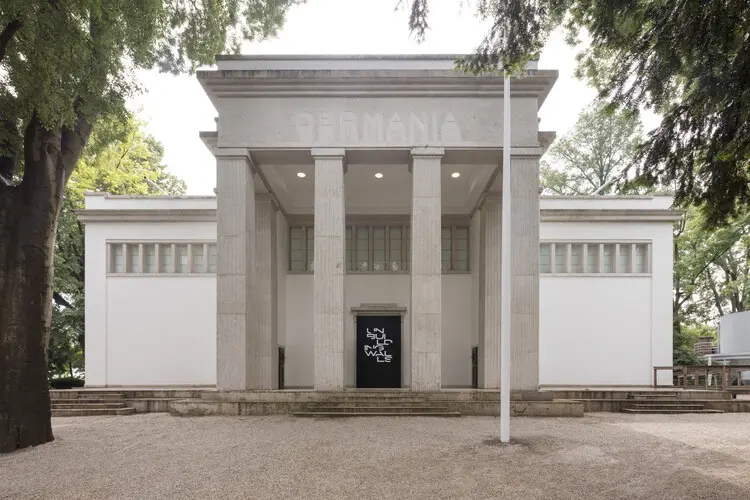
As cities grapple with compounding housing crises, escalating social isolation, and widening political polarization, the German Federal Ministry for Housing, Urban Development and Building has chosen to look inward at the micro-geographies of everyday life. The Ministry has officially appointed Kawahara Krause Architects—alongside prominent architectural theorist and curator Andres Lepik and researcher Olga Cobuscean—to curate the prestigious German Pavilion for the 20th International Architecture Exhibition – La Biennale di Venezia 2027.
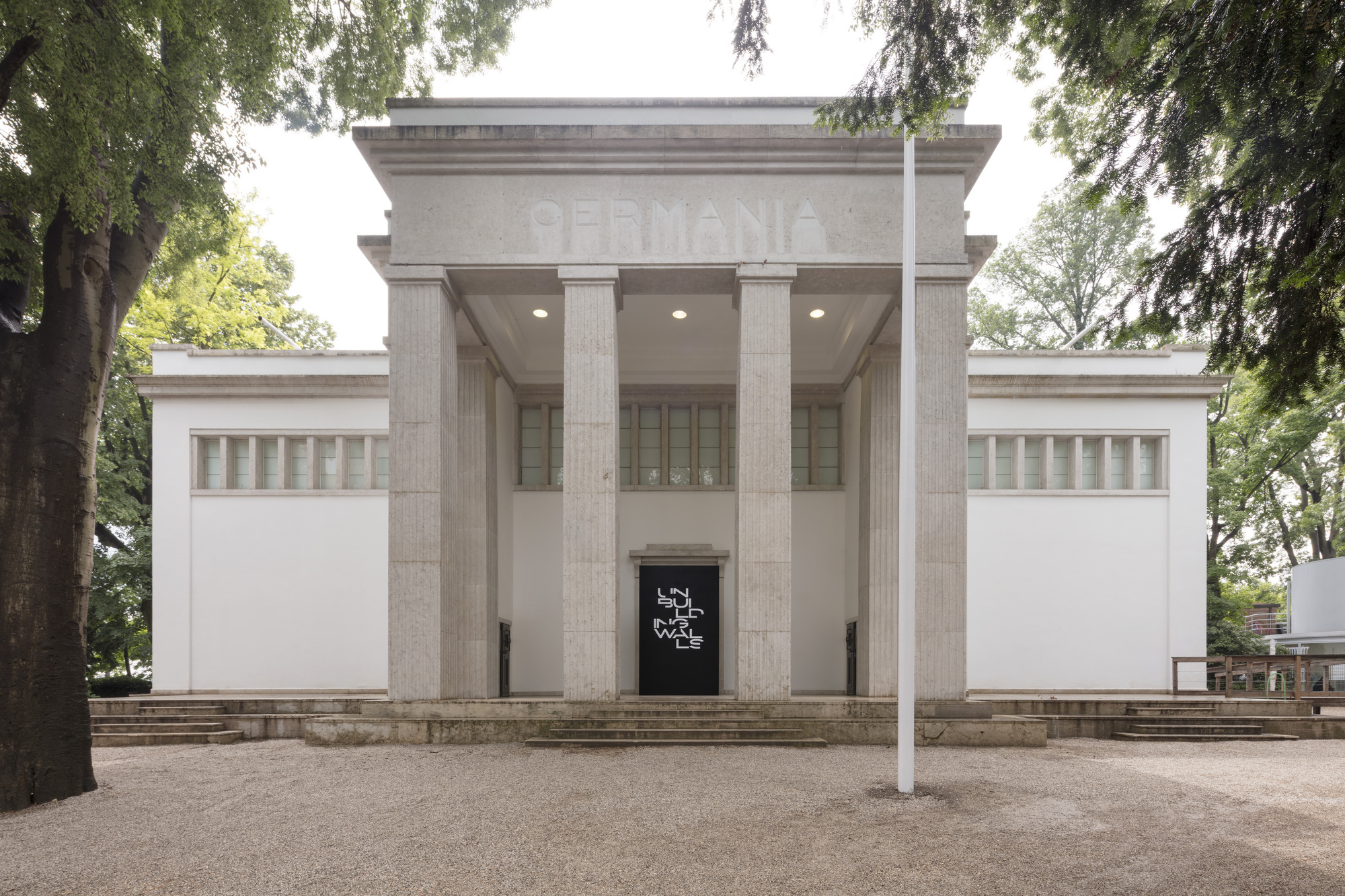
Titled "CONVIVERE — A Repertoire of Living Together," the upcoming exhibition shifts the architectural lens away from grand masterplans and high-speed construction pressures. Instead, it focuses on the neglected, "in-between" zones of residential architecture: the threshold, the stairwell, the internal courtyard, and the semi-public space immediately outside a front door.
According to the curatorial team, these overlooked transitional spaces are the physical bedrock where trust, neighborliness, and civic society are quietly forged. By mediating between the deep privacy of the domestic interior and the overwhelming anonymity of the contemporary metropolis, these spatial thresholds either foster community or drive alienation. The 2027 German Pavilion seeks to investigate how precise architectural design can actively reinforce the foundational fabric of democratic coexistence.
The exhibition is backed by an extensive collaborative research network involving students and professors from four major German academic institutions:
- RWTH Aachen University (Led by Prof. Anne-Julchen Bernhardt)
- RPTU Kaiserslautern (Led by Prof. Oda Pilmke)
- Technische Universität München (Led by Prof. Benedikt Boucsein)
- Staatliche Akademie der Bildenden Künste Stuttgart (Led by Prof. Tatsuya Kawahara)
Chronology: The Lead-Up to Venice 2027
The trajectory toward the 2027 Venice Biennale represents a multi-year convergence of academic research, curatorial planning, and pressing socio-political shifts across Europe.

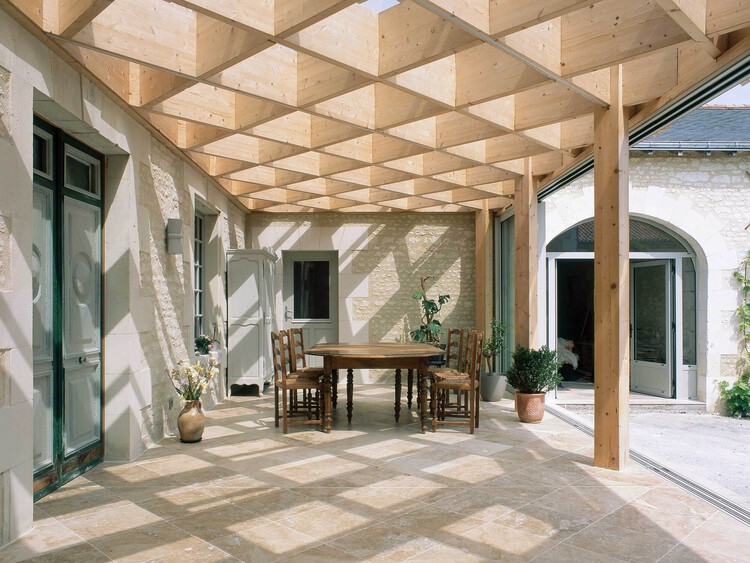
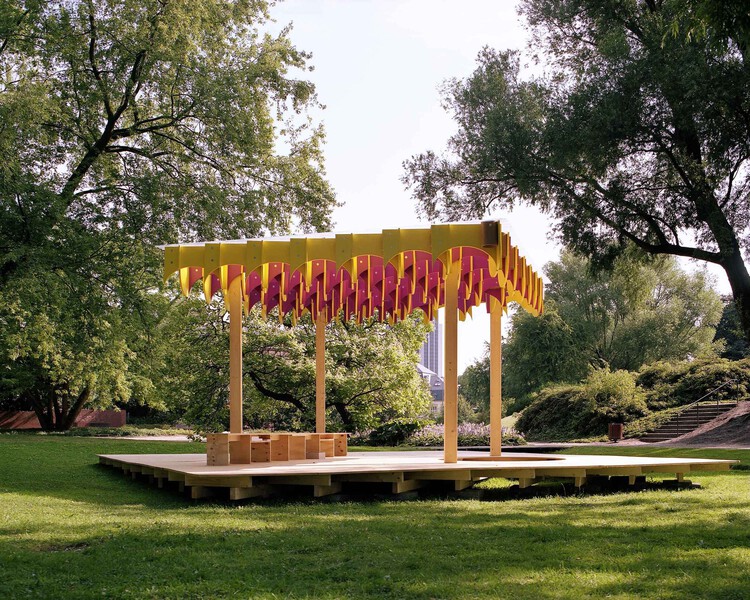
- 2013: Hamburg-based practice Kawahara Krause Architects—founded by Tatsuya Kawahara and Ellen Kristina Krause—gains international recognition, receiving the prestigious Bauwelt Prize for their debut built installation, "Line, Surface, Space" (Linie, Fläche, Raum). This foundational project establishes their long-term fascination with minimalist spatial boundaries and human interaction.
- Mid-2020s: Against the backdrop of post-pandemic urban loneliness, hyper-densification, and rising populist political polarization, German cultural and housing authorities begin searching for architectural themes that address societal cohesion rather than mere square-meter production.
- September 7, 2026: The German Federal Ministry for Housing, Urban Development and Building formally announces the curatorial team of Kawahara Krause Architects, Andres Lepik, and Olga Cobuscean for the 20th Venice Architecture Biennale.
- Late 2026 – Early 2027: Collaborative research workshops commence across the four partner universities in Aachen, Kaiserslautern, Munich, and Stuttgart. Students begin cataloging and analyzing historical and contemporary housing typologies across Germany to compile the "repertoire" of spatial interactions.
- Early 2027: The curatorial team is scheduled to release comprehensive, in-depth details regarding the final interior layout and specific installations planned for the German Pavilion.
- May 6–7, 2027: Official Biennale preview and press days open to international media and critics.
- May 8 – November 21, 2027: The 20th International Architecture Exhibition – La Biennale di Venezia officially opens to the general public.
Supporting Data & Contextual Framework
To fully understand the gravity of the CONVIVERE concept, one must examine the credentials of the curatorial collective and the broader intellectual climate surrounding the 2027 Biennale.
The Curatorial Collective
The leadership team bridges the gap between hands-on architectural practice and rigorous theoretical critique:

- Kawahara Krause Architects (Tatsuya Kawahara & Ellen Kristina Krause): Operating out of Hamburg, the German-Japanese studio is celebrated for its sensitivity to material economy, spatial atmosphere, and human-scale design. Both principals have maintained active teaching engagements at various universities, marrying academic inquiry with built reality.
- Andres Lepik: A renowned art and architectural historian, Lepik brings institutional weight to the pavilion. His past leadership roles include curatorial positions at the Neue Nationalgalerie Berlin and the Architecture and Design Department of the Museum of Modern Art (MoMA) in New York, alongside professorships focused on architectural history and curatorial practice.
- Olga Cobuscean: A researcher, writer, and educator whose work concentrates on the everyday lived experiences of inhabited architecture, exploring how the built environment can better serve the common good.
International Parallels at the 2027 Biennale
The German Pavilion enters a global conversation alongside other national selections that similarly grapple with societal fracture, resource scarcity, and spatial memory:
- The Ukrainian Pavilion ("Pool of Questions"): Designed by the CO-HATY volunteer initiative, this exhibition explores displacement and shared living by highlighting efforts to transform abandoned structures into stable homes for internally displaced persons.
- The Türkiye Pavilion ("Spolia Futures"): Examining the concept of spolia—traditionally understood as the medieval recycling of architectural fragments—the Turkish exhibition reframes reuse not merely as historical preservation, but as a dynamic, forward-looking architectural methodology.
- The Australian Pavilion ("Lived-In"): Drawing from the ongoing Housing Atlas of Australia research project, the Australian contribution investigates multi-dwelling housing models through comprehensive data, film, and photography.
Official Responses & Perspectives
The announcement of CONVIVERE has drawn positive reactions from cultural policymakers and architectural critics alike, who view the theme as a timely antidote to the techno-centric housing debates dominating current political agendas.

Speaking on behalf of the ministerial appointment, federal representatives emphasized that the pressures of modern housing delivery—often measured purely in construction speed and units built—frequently neglect the qualitative dimensions of domestic life. By focusing on thresholds rather than just private floor plans, the Ministry hopes to redirect public discourse toward the emotional and social resonance of architecture.
The curators themselves issued a joint statement outlining their core thesis:
"In a society marked by increasing fragmentation, the spaces where we brush past our neighbors—the stairwell, the walkway, the shared courtyard—are vanishingly rare or poorly designed. CONVIVERE is not about grand monuments; it is an exploration of precise spatial decisions. It asks how architecture can cultivate proximity, trust, and a sense of shared belonging, acting as the quiet infrastructure upon which democratic life relies."
Academic collaborators from RWTH Aachen, RPTU Kaiserslautern, TU Munich, and the Stuttgart State Academy of Fine Arts have equally praised the participatory nature of the project. By integrating architecture students directly into the archival research and mapping of German housing typologies, the pavilion bridges generational divides in architectural education.
Implications for the Future of Housing and Democracy
The implications of the CONVIVERE exhibition extend far beyond the temporary exhibition spaces of the Giardini in Venice. As European cities face compounding crises of housing affordability, social isolation, and political polarization, the relationship between spatial design and civic health has never been more urgent.
1. Shifting the Metric of Housing Success
For decades, quantitative metrics—cost per square meter, construction speed, and zoning density—have dominated housing policy. The German Pavilion challenges this technocratic paradigm. By cataloging architectural "micro-situations" that actively invite social interaction, the curators argue that the true success of a housing project lies in its capacity to foster human connection.
2. Architecture as Civic Infrastructure
Democracy is frequently discussed in abstract political or legal terms, but its daily experience is spatial. When apartment buildings isolate residents behind hermetically sealed corridors and privatized, hyper-defensible spaces, the public sphere retracts. Conversely, thoughtfully designed thresholds encourage the casual encounters, negotiations, and mutual recognition that form the bedrock of a tolerant, democratic civil society.
3. A Repertoire for Future Planners
By compiling a historical and contemporary repertoire of spatial transitions across Germany, the pavilion aims to provide a practical toolkit for architects, urban planners, and municipal policymakers. Rather than romanticizing the past, CONVIVERE seeks to extract timeless spatial principles that can be adapted to contemporary densification strategies.
As the architectural world turns its attention toward Venice ahead of the May 2027 opening, the German Pavilion stands poised to offer a profound meditation on how the simplest architectural gestures—a wide threshold, a shared courtyard, an open stairwell—can help heal a fractured public sphere.
