

Main Facts
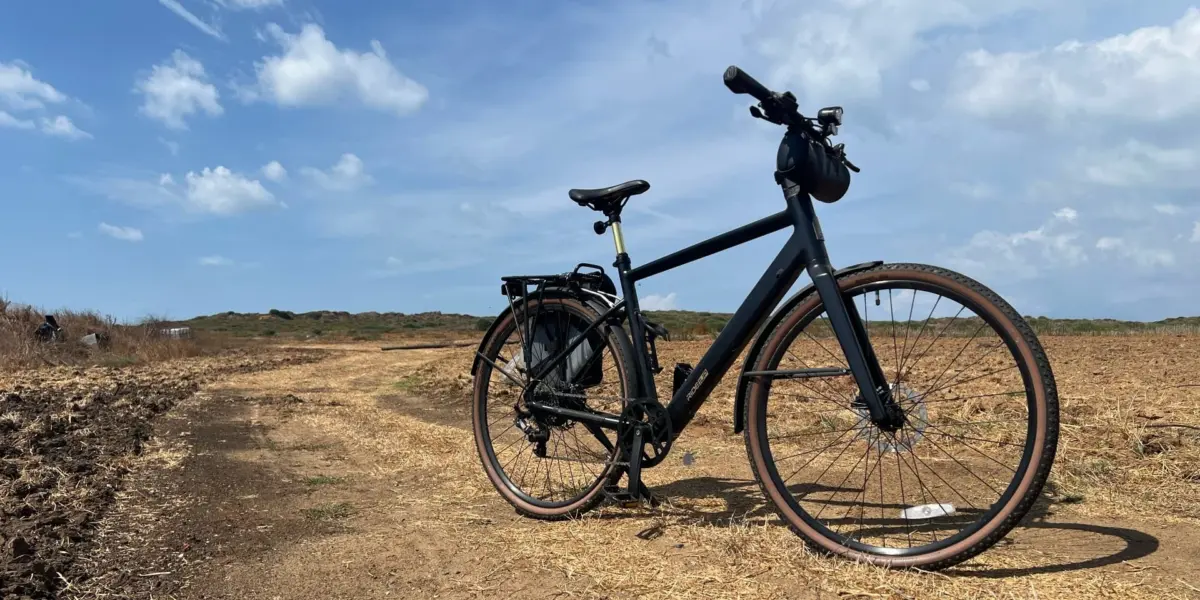
The Ride1Up Roadster V3 challenges the conventional boundaries of what an affordable urban electric bike can accomplish. Priced competitively at $1,295, this lightweight commuter is primarily engineered for daily city navigation, bike lanes, and urban asphalt. However, recent real-world testing proves that its capabilities extend far beyond the concrete jungle. Weighing in at a modest 40 pounds (18 kg)—or slightly heavier with aftermarket accessories like a rack, bags, and a dropper seat post—the Roadster V3 stands in stark contrast to the bulky, 70- to 80-pound fat-tire e-bikes dominating the modern market.
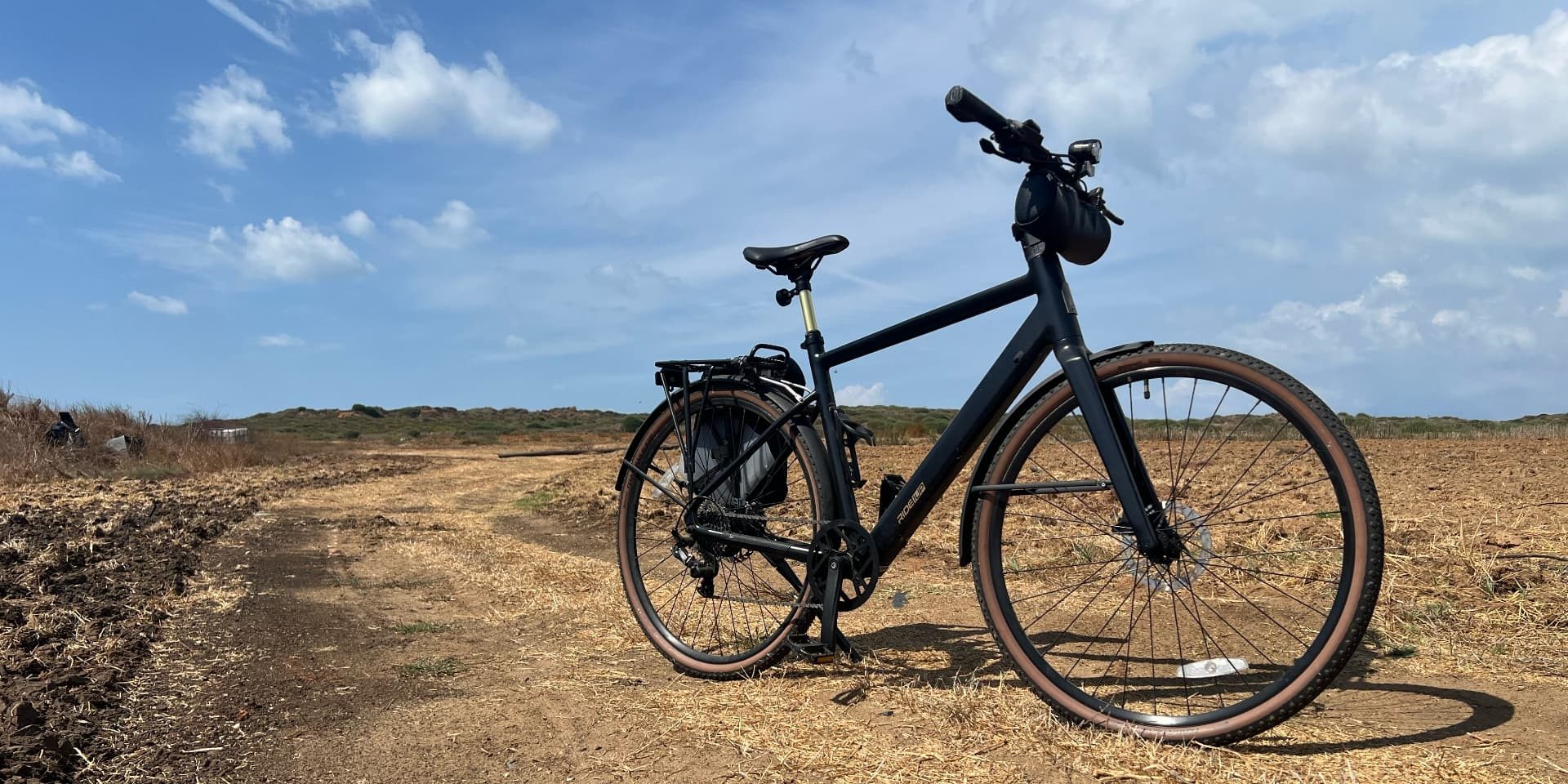
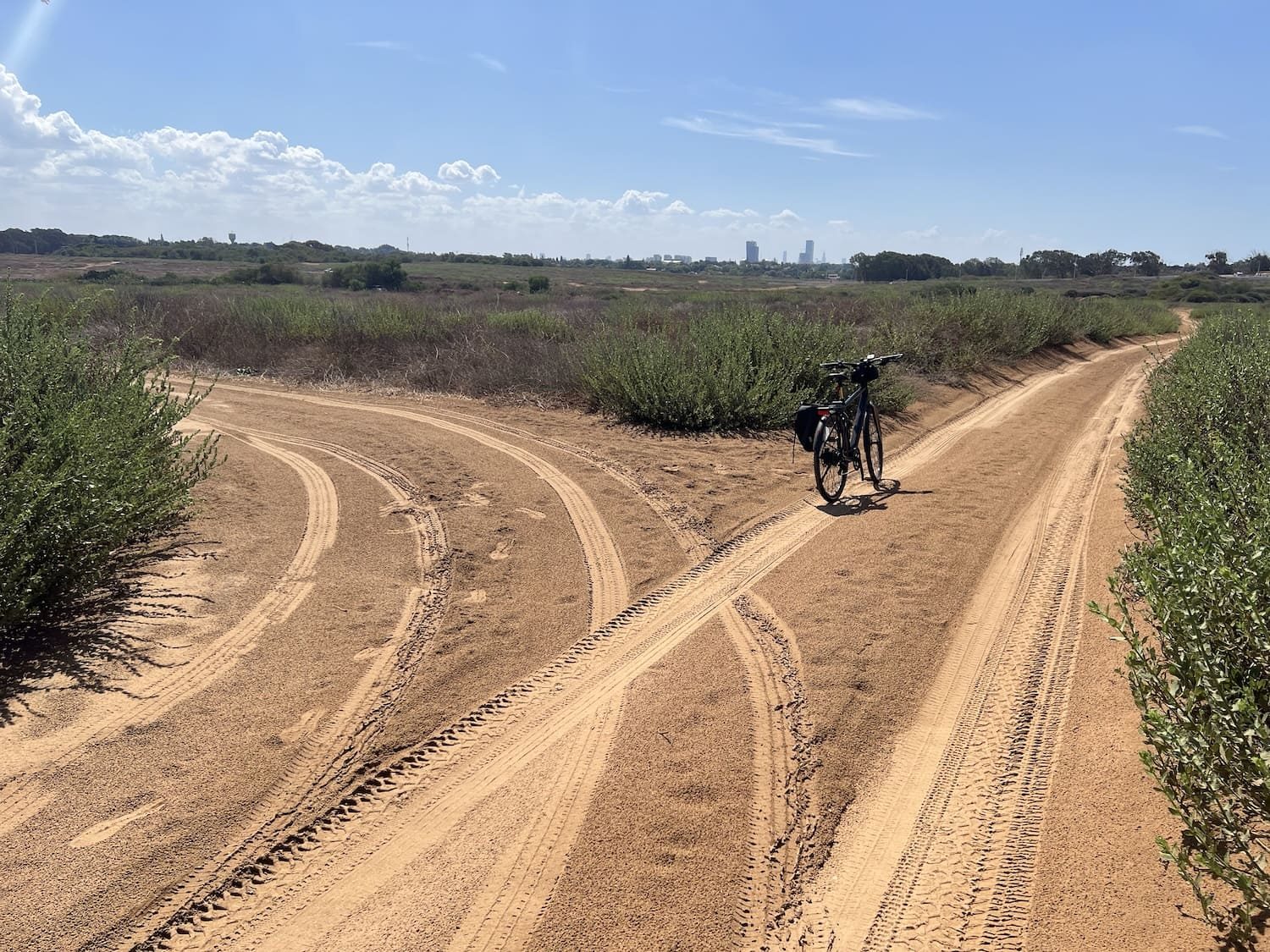
Equipped with a responsive MiVice torque sensor, Continental 700x45c tires, a compact 360Wh battery, and a stealth throttle, the Roadster V3 offers an analog-cycling experience enhanced by an electric tailwind rather than a motorcycle-like throttle-only ride. When subjected to a rigorous 38-kilometer (24-mile) mixed-terrain excursion encompassing gravel roads, hard-packed dirt, loose sand, mud, and rocky climbs, the urban commuter successfully completed the route while retaining roughly a third of its battery capacity.
Chronology of the Off-Road Test
Phase 1: Transit and Portability
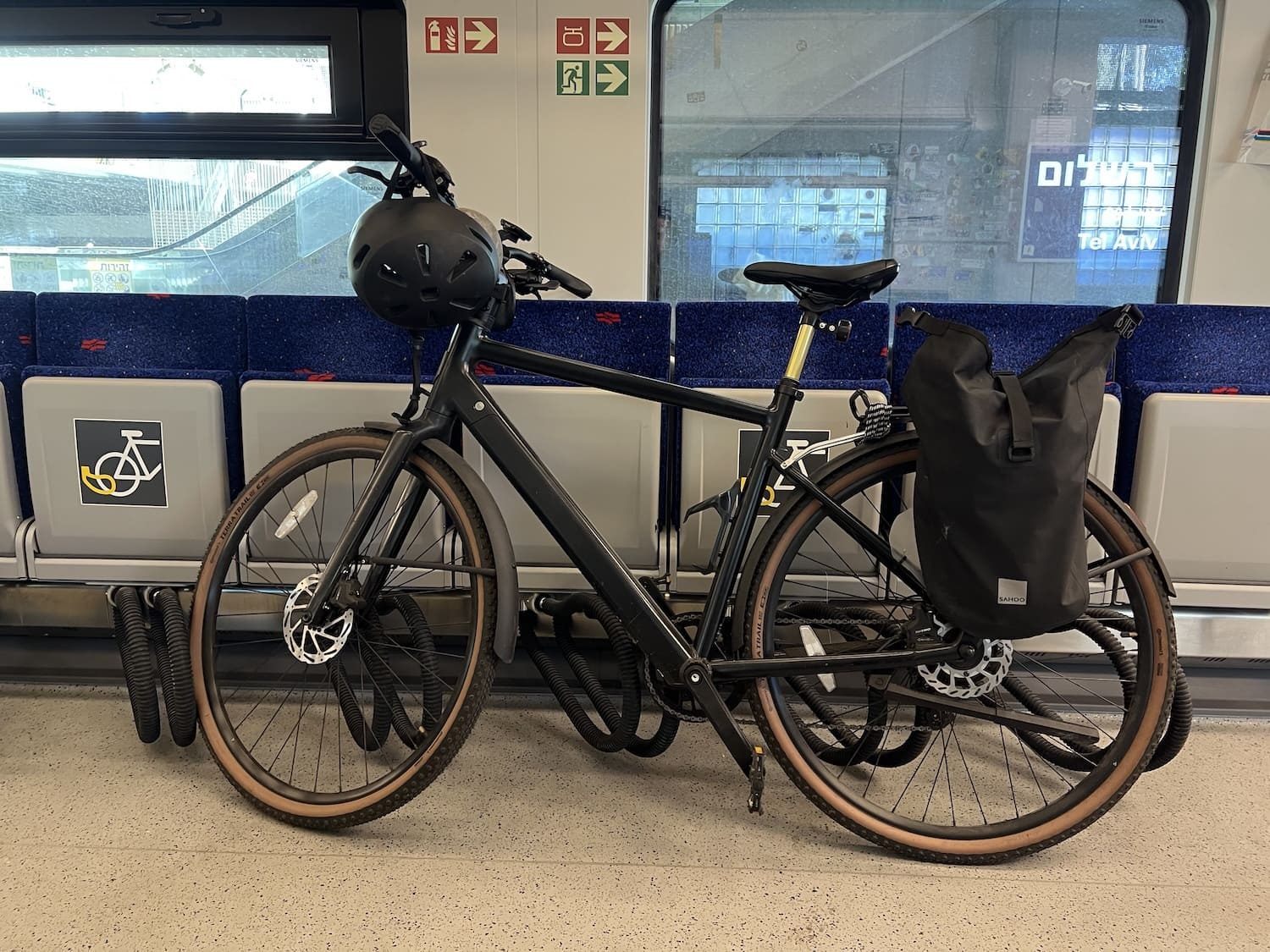
The 38 km endurance test began well before the tires hit the dirt, kicking off with a commuter train journey north of the city. This initial leg underscored one of the Roadster V3’s most understated advantages: its exceptional portability. Navigating crowded train stations, hoisting the machine onto the railcar, and managing it across platforms and escalators highlighted the massive practical benefits of a 40-pound frame. Unlike heavy-duty utility e-bikes that require dedicated freight space or physical strain to transport, the Roadster V3 integrates seamlessly with public transportation, opening up distant trailheads and regional routes that would otherwise be inaccessible.
Phase 2: Hitting the Dirt and Eco-Mode Efficiency
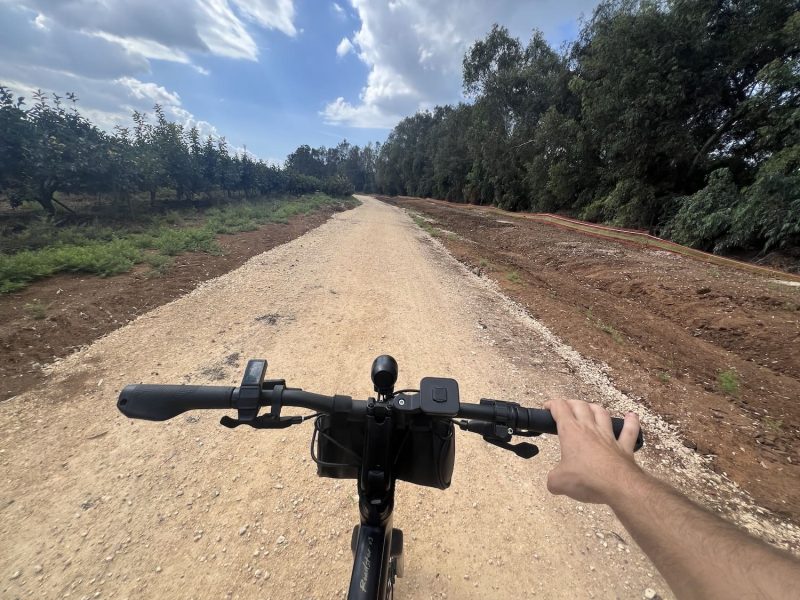
Upon disembarking from the train, the testing phase transitioned immediately into mixed-surface riding. Throughout the journey, the e-bike was kept primarily in Eco mode. Thanks to the MiVice torque sensor, the power delivery remained remarkably organic, translating rider effort into forward momentum seamlessly.
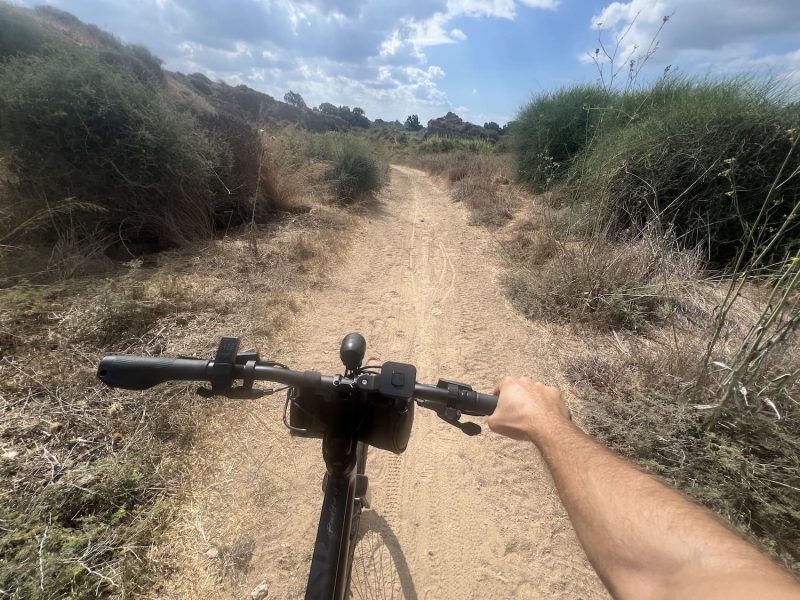
The route quickly escalated in difficulty, featuring a chaotic mix of gravel roads, hard-packed dirt, and muddy puddles left behind by a recent drizzle. Here, a feature often overlooked on dedicated gravel bikes proved invaluable: full fenders. By preventing muddy water from spraying up the rider’s back, the commute remained remarkably clean despite the dreary trail conditions.
Phase 3: Navigating Technical Ascents and Deep Sand
As the trail grew more demanding, the terrain shifted to punishing sections of loose, deep sand and rocky ascents.
- The Sand Challenge: The Roadster’s relatively narrow Continental 700x45c tires lack the floatation of massive four-inch fat tires, causing the bike to wander laterally through deep sand patches. Maintaining momentum and applying delicate bike-handling finesse were required to keep the rubber side down.
- The Steep Climbs: Encountering unexpected steep climbs in too high of a gear presented a classic cycling dilemma. Instead of grinding to a halt while attempting a high-load downshift, the rider utilized the bike’s stealth throttle as a momentary momentum-saver. A quick blip of the throttle allowed the rider to ease pedal pressure, execute smooth gear shifts, and conquer rocky obstacles without stalling.
- The Dropper Post Advantage: The integration of an aftermarket dropper seat post proved to be a game-changer during technical sections. It allowed the rider to quickly dab a toe on the ground for stability and instantly reset the saddle height to optimal pedaling position without ever needing to dismount.
Phase 4: Return and Battery Longevity
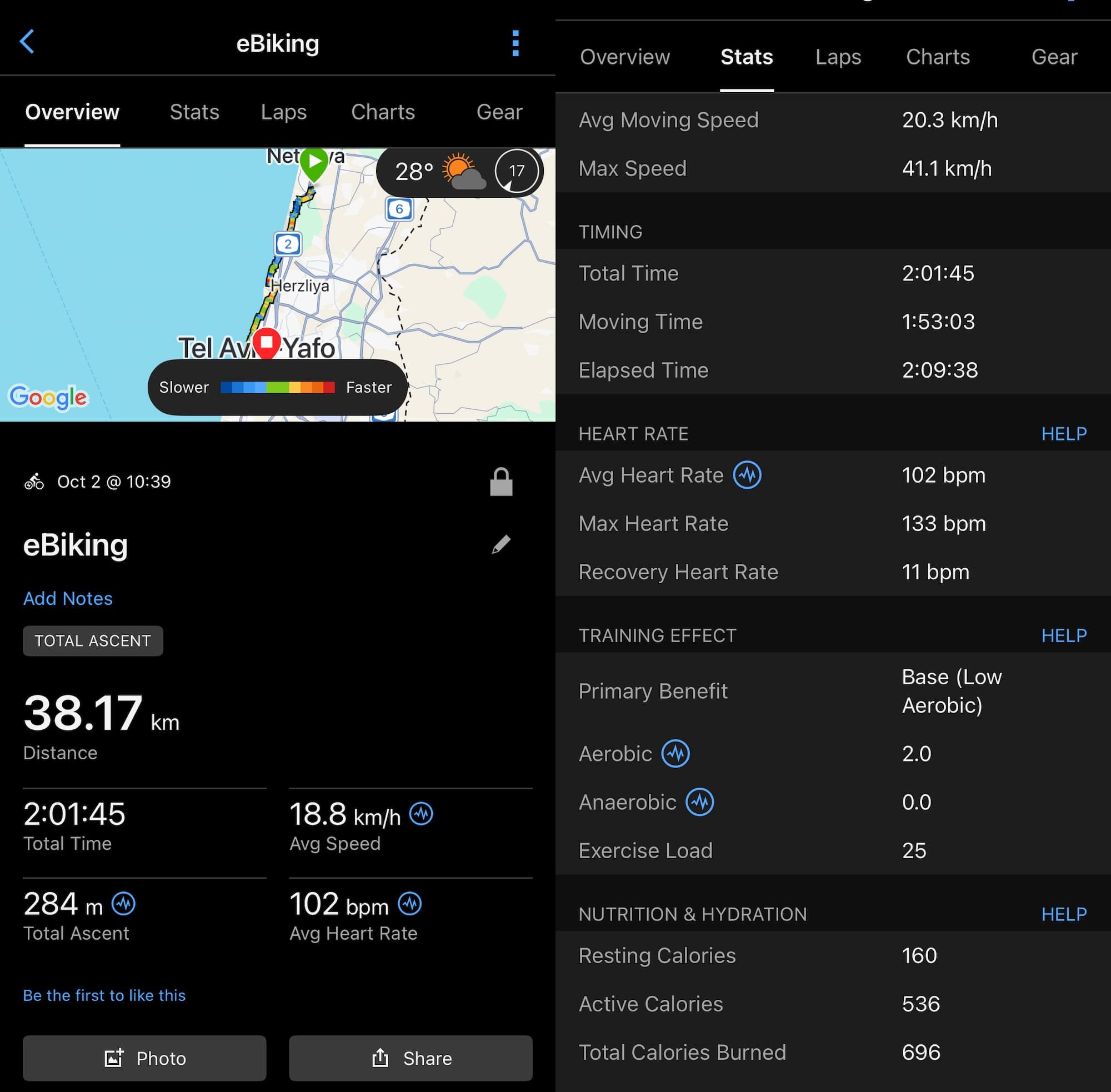
After approximately 1 hour and 50 minutes of active riding across punishing terrain, the Roadster V3 rolled back to its starting point. Post-ride diagnostics revealed that the compact 360Wh battery still held roughly one-third of its total charge, translating to an extrapolated off-road range of approximately 57 km (35 miles).
Supporting Data and Technical Metrics
To accurately gauge the performance and efficiency of the Ride1Up Roadster V3 under duress, comprehensive data points were logged throughout the 38 km test:
- Retail Price: $1,295 USD
- Stock Weight: 40 lbs (18 kg)
- Battery Capacity: 360Wh
- Tire Specifications: Continental 700x45c multi-role tires
- Sensor Type: MiVice torque sensor
- Total Distance Covered: 38 km (24 miles)
- Total Riding Time: 1 hour, 50 minutes
- Estimated Off-Road Range: ~57 km (35 miles per charge)
- Standard Urban Range: Up to 70 km (44 miles per charge)
- Rider Energy Expenditure: ~696 active calories burned (estimated via Garmin smartwatch metrics)
The high caloric burn rate emphasizes that the Roadster V3 is an active-engagement machine. Rather than relying on a high-output motor to pull dead weight, the system rewards active pedaling, functioning as a true bicycle hybrid.
Official Responses and Manufacturer Positioning
While Ride1Up officially positions the Roadster V3 as a budget-focused daily driver urban commuter rather than a dedicated gravel grinder, the vehicle’s underlying architecture demonstrates surprising adaptability.
Industry analysts and company communications highlight that the Roadster series was intentionally designed to strip away unnecessary weight and complex components found on heavy adventure e-bikes. By focusing on a stealthy profile, clean lines, integrated urban accessories (like fenders), and a natural torque-sensing pedal-assist system, Ride1Up has captured a distinct segment of the market: urban cyclists who want an electric vehicle that still feels and rides like a traditional bicycle.
Furthermore, company catalog offerings—such as the recently introduced suspended variant featuring a dedicated front fork—indicate an ongoing evolution toward meeting the demands of riders seeking enhanced comfort on uneven infrastructure.
Implications for Urban Cyclists and the E-Bike Market
1. The Redefinition of "Urban" Versatility
The success of the Roadster V3 on unpaved trails challenges the rigid categorization currently plaguing the e-bike industry. Consumers are frequently funneled into strict purchasing choices: heavy fat-tire bikes for all-terrain utility, delicate road bikes for speed, or cumbersome cargo haulers for commuting. This test proves that a lightweight, affordable urban commuter can successfully bridge the gap for spontaneous weekend adventures, provided the rider possesses basic bike-handling skills.
2. The Rise of Natural-Feel Assist Systems
As e-bike technology matures, consumer preferences are shifting away from high-powered throttle-centric mopeds toward sophisticated torque-sensor setups. The MiVice sensor implementation in the Roadster V3 underscores a growing demand for bicycles that amplify human effort rather than replace it. For fitness-conscious commuters and cycling enthusiasts, this design philosophy prevents the sedentary habits sometimes fostered by aggressive throttle-only e-bikes.

3. Value Proposition in the Budget Tier
At $1,295, the Roadster V3 disrupts the notion that adventure-capable e-bikes must command premium four-figure price tags. By delivering reliable range, intelligent power delivery, structural durability, and practical commuter features like integrated fenders at an accessible price point, the vehicle broadens market accessibility for budget-conscious riders seeking both daily transportation and recreational freedom.
Ultimately, while dedicated gravel racers and heavy-duty off-road rigs maintain distinct technical advantages for extreme terrain, the Roadster V3 demonstrates that unexpected adventures are well within reach for anyone willing to push the limits of their daily driver.
