

In partnership with BOA Fit System
WASHINGTON, D.C. — Over the past two decades, the industrial workwear sector has experienced a quiet technological renaissance. Manufacturers have poured billions of dollars into research and development, resulting in work boots that are lighter, more breathable, and ergonomically superior to their predecessors. Innovations such as advanced synthetic textiles, air-infused cushioning midsoles, and antimicrobial treatments have dramatically improved daily comfort for millions of laborers.
Yet, despite these sweeping modernizations, one fundamental component of the work boot remained stubbornly archaic: the lacing system. For centuries, workers have secured their footwear using the exact same crisscross string method.
Until recently.
Enter the BOA Fit System, an engineered alternative to traditional laces that is fundamentally changing what workers should expect from their footwear. To understand the engineering behind this shift, industry analysts and trade specialists have taken a deeper look into the technology, combining field tests of BOA-equipped work boots with technical briefings from the company’s engineering teams. The results reveal a compelling case for a shift in how we think about foot security on the jobsite.
Main Facts: Deconstructing the BOA Fit System
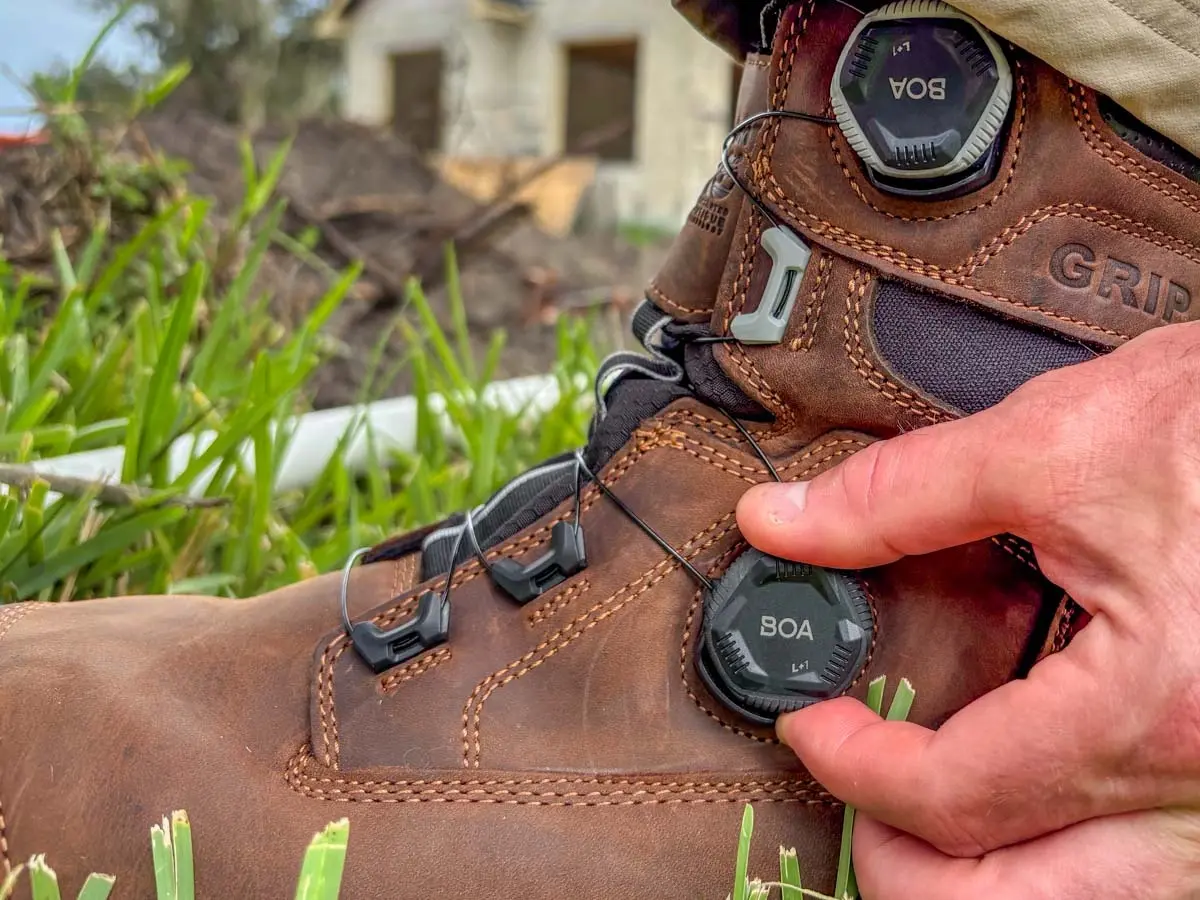
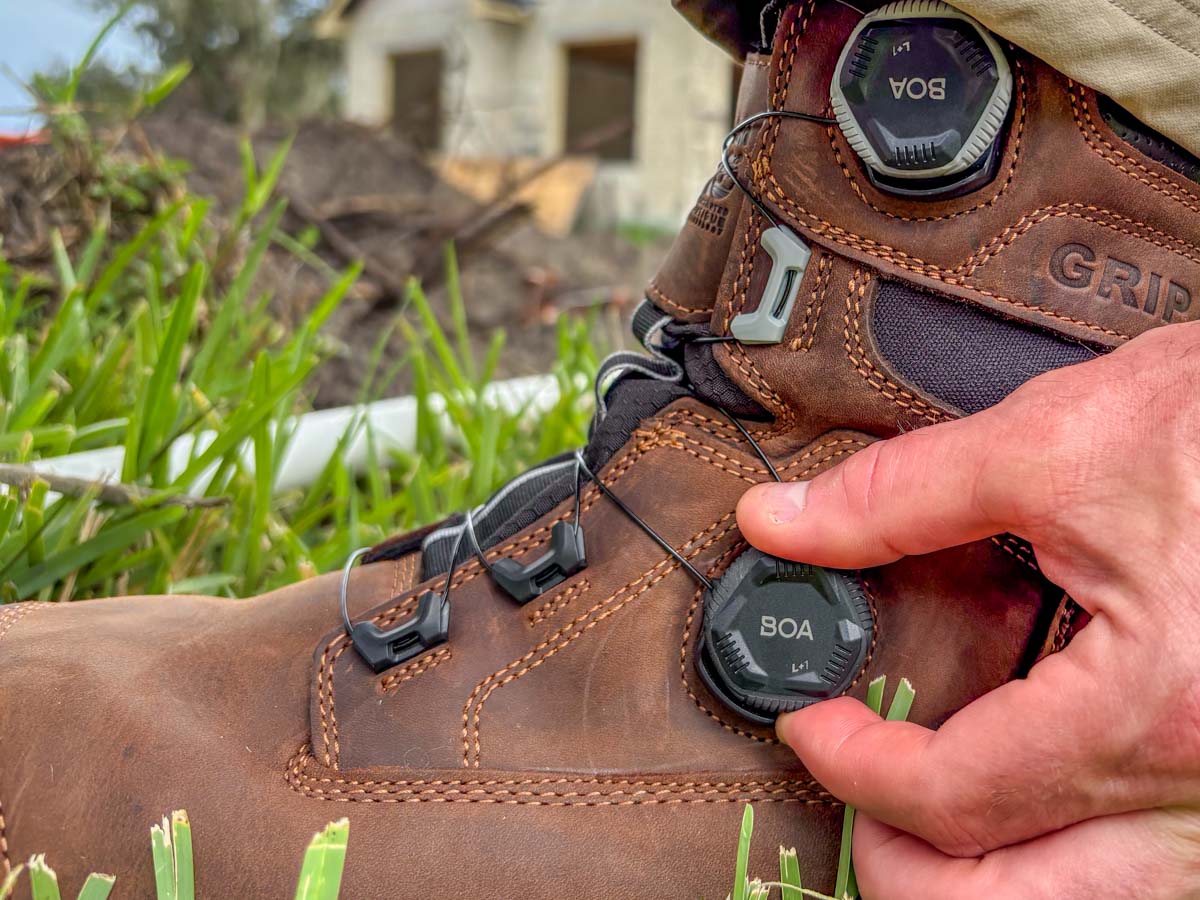
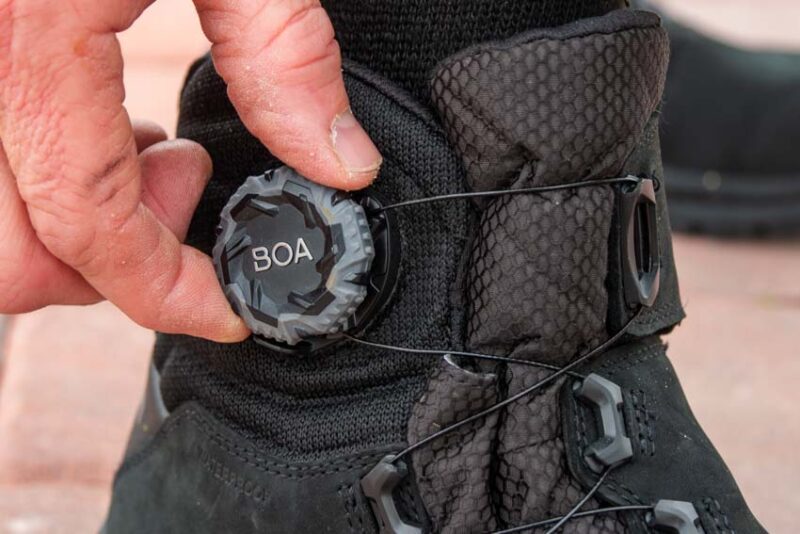
At its core, the BOA Fit System replaces traditional fabric or nylon laces with three primary, highly engineered components: a micro-adjustable dial, high-tensile steel-core laces, and low-friction lace guides.
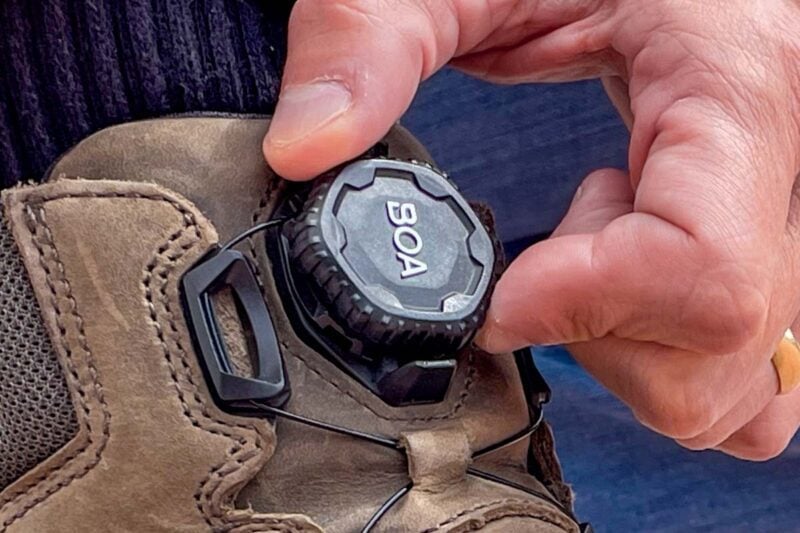
The mechanics are intentionally straightforward. Users push the dial inward to engage the system and rotate it clockwise to tighten the laces in precise, millimeter-level increments. To remove the boots, the wearer simply pulls the dial outward, instantly releasing the tension for a quick slip-off.
While the concept sounds simple, the operational advantages it introduces to high-intensity work environments are profound. By eliminating traditional bows, knots, and loose strands, the system solves several chronic occupational hazards—such as untied laces catching on scaffolding, ladders, or machinery—while simultaneously delivering a customized, fatigue-reducing fit.
Chronology of Innovation: From Snow Peaks to Industrial Jobsites
The journey of the BOA Fit System from a niche athletic enhancement to a staple of industrial safety gear is a study in cross-industry engineering.
- Late 1990s to Early 2000s: The technology was originally conceptualized and deployed in extreme endurance sports. Snowboarders and skiers were the first to adopt the dial-based fit system, seeking a reliable, glove-friendly alternative to frozen laces in sub-zero alpine conditions.
- 2010s: Encouraged by its success on the slopes, BOA expanded into adjacent athletic markets. Cycling shoes, running footwear, hiking boots, and golf shoes quickly integrated the dials, proving the system’s durability under high-impact, repetitive-motion conditions.
- The Industrial Transition: Recognizing that construction workers, electricians, and tradespeople endure far more grueling daily wear-and-tear than most athletes, elite workwear brands began exploring the technology.
- Present Day: Today, the BOA Fit System is no longer a novelty. It is a cornerstone feature found across top-tier industrial brands—including Red Wing, Timberland Pro, Wolverine, Danner, and Ariat—with adoption rates continuing to climb across the global jobsite.
Supporting Data: Precision Fit, Ergonomics, and Field Durability
The advantages of ditching traditional laces extend far beyond mere convenience. According to peer-reviewed biomechanical studies cited by BOA, the transition to a dial-based system yields quantifiable performance and health benefits.
The Science of the PerformFit Wrap
By replacing decentralized laces with the BOA PerformFit Wrap, footwear designers can construct upper shoe panels that uniformly contour over the foot. This locks down the heel and enhances midsole connection while leaving the forefoot the natural space it requires.
Data from biomechanical testing indicates that this optimized fit delivers:
- Up to 9% improved energy efficiency for the wearer.
- Up to 7% improved stability and control on uneven or slippery terrain.
For laborers logging 8- to 12-hour shifts, these percentages translate directly into preserved energy and reduced muscular fatigue by the end of the day.
Micro-Adjustability and the Dual-Dial Advantage
Human feet naturally swell throughout the workday due to heat, humidity, and prolonged standing, causing traditional boots to pinch or ache. With standard laces, workers are forced to untie and guess at a new tension, often leaving them loose to avoid the hassle. The BOA system permits seamless, millimeter-by-millimeter adjustments on the fly.
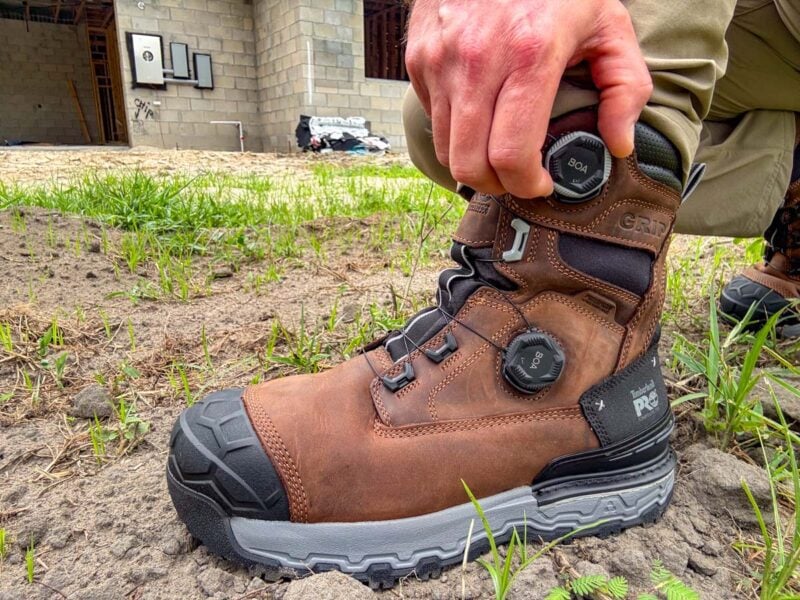
Furthermore, workers seeking the ultimate custom fit can turn to dual-dial systems—such as those found on the Timberland Pro Boondock. Dual-dial configurations allow independent tension control for the upper ankle and lower forefoot, securing the heel without exerting excessive pressure on the metatarsals.
Industrial-Grade Durability
Skeptics frequently question whether a mechanical dial and thin cables can survive the punishing conditions of a construction site. However, BOA subjects its systems to rigorous testing regimens that far exceed normal wear-and-tear. More than 50,000 hours of design and stress testing go into every generation of the product.
- The Dial: Engineered to withstand over 5,500 adjustment cycles without performance degradation. Assuming a worker adjusts their boots four times a day, five days a week, this equates to more than five years of continuous service.
- The Laces: Despite their sleek profile, the laces feature a stainless-steel core wrapped in a low-friction shielding, rendering them strong enough to handle ten times the tension required for a secure fit.
- Field Statistics: The BOA Fit System boasts an extraordinarily low warranty claim rate of less than 0.2%. Long-term field tests—such as tradespeople wearing Red Wing Traction Tred Lite boots daily for over two years—demonstrate that the footwear’s leather and soles often wear out long before the BOA components show any sign of failure.
Official Responses and Maintenance Guarantees
Manufacturers and safety coordinators have largely embraced the technological leap. Brands partnering with BOA emphasize that modern laborers demand gear that works as hard as they do, minimizing downtime and physical strain.
To back up these claims, BOA offers a robust Lifetime Guarantee covering the reels and laces for the practical lifespan of the product.
- Field-Repairable Design: Should a component somehow be damaged on the job, repairs do not require shipping boots off to a factory or visiting a retail storefront. BOA provides online replacement parts free of charge under warranty, with kits arriving at the user’s door within 48 hours. The entire repair process takes between 5 and 10 minutes using basic tools.
- Preparedness: For workers deployed in remote areas where waiting 48 hours is not feasible, backup dial and lace kits can be purchased independently, ensuring zero downtime on mission-critical projects.
Implications for the Future of Workwear
The integration of the BOA Fit System into industrial footwear signifies a broader cultural shift in the trades: the normalization of high-performance ergonomic technology in blue-collar professions.
As climate conditions grow warmer, jobsites become more demanding, and the workforce ages, managing physical fatigue is paramount. Features that were once considered luxury upgrades—such as micro-adjustable closures, uniform pressure distribution, and quick-release mechanisms—are rapidly transforming into baseline expectations for professional-grade safety gear.
For safety managers, contractors, and individual tradespeople alike, upgrading to a BOA-equipped work boot is no longer just about trying a new gadget; it is a calculated investment in daily comfort, structural stability, and long-term joint health on the jobsite.
