

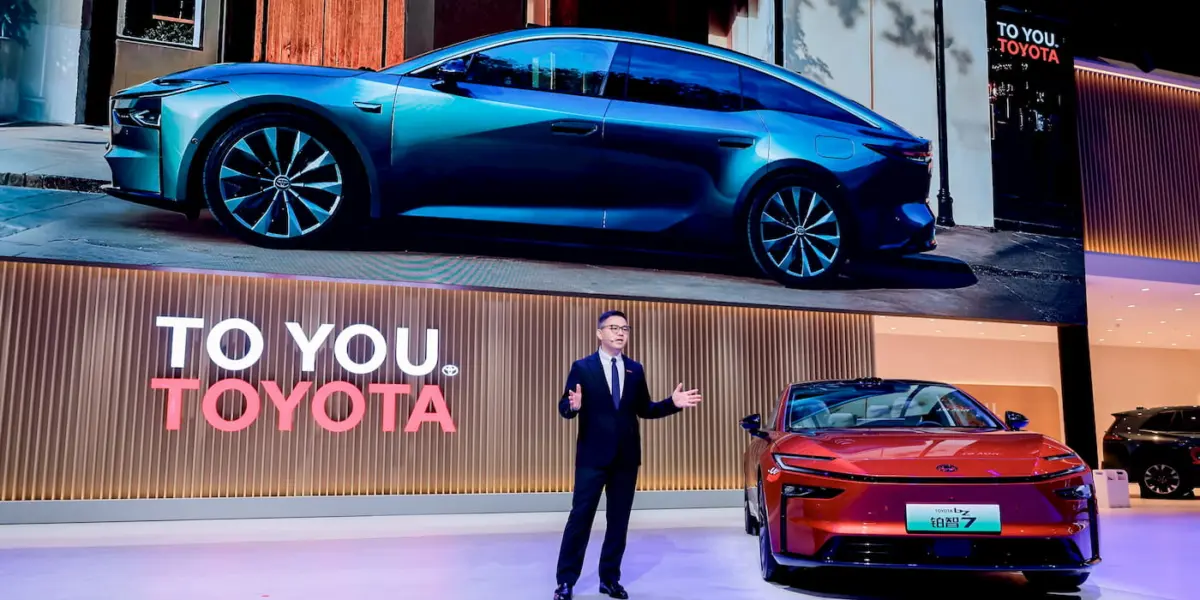
In a historic break from decades of corporate tradition, automotive giant Toyota is officially upending its operational blueprint. For the first time in its storied history, the Japanese carmaker is bypassing its domestic market for the initial development and production of a flagship electric vehicle, choosing instead to plant its flag in Shanghai, China.
The move marks a profound watershed moment for a company that has long prided itself on doing things the "Toyota Way"—a philosophy deeply rooted in Japanese engineering heritage, rigorous validation cycles, and home-market manufacturing primacy. Faced with the blistering speed of the Chinese electric vehicle (EV) market and relentless pressure from domestic giants like BYD, Toyota has realized a stark reality: if you cannot beat them, you must learn from them, and you must do it on their turf.
Main Facts: The Shanghai Shift and the New Lexus SUV
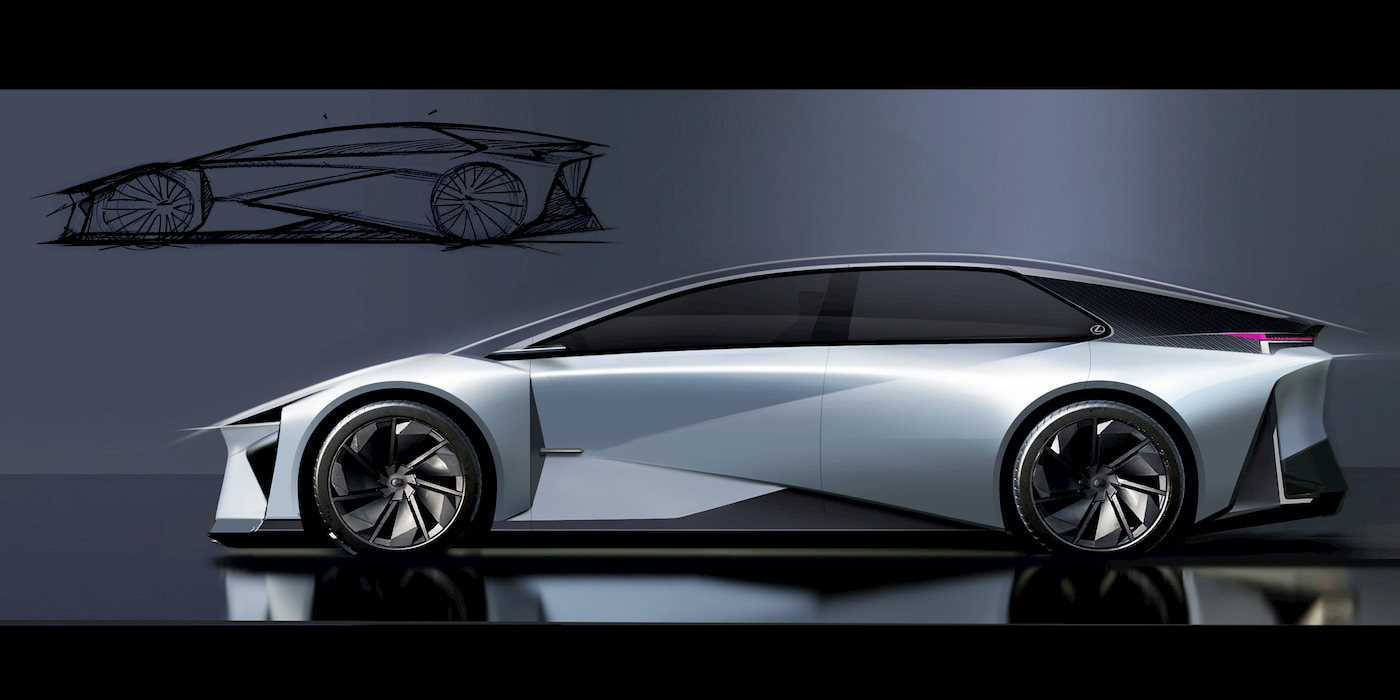
At the core of this strategic pivot is a brand-new, independent manufacturing plant in Shanghai, for which Toyota broke ground in June 2025. According to reports from Nikkei, this facility will serve as the birthplace of an upcoming, next-generation electric SUV under Toyota’s luxury Lexus brand.
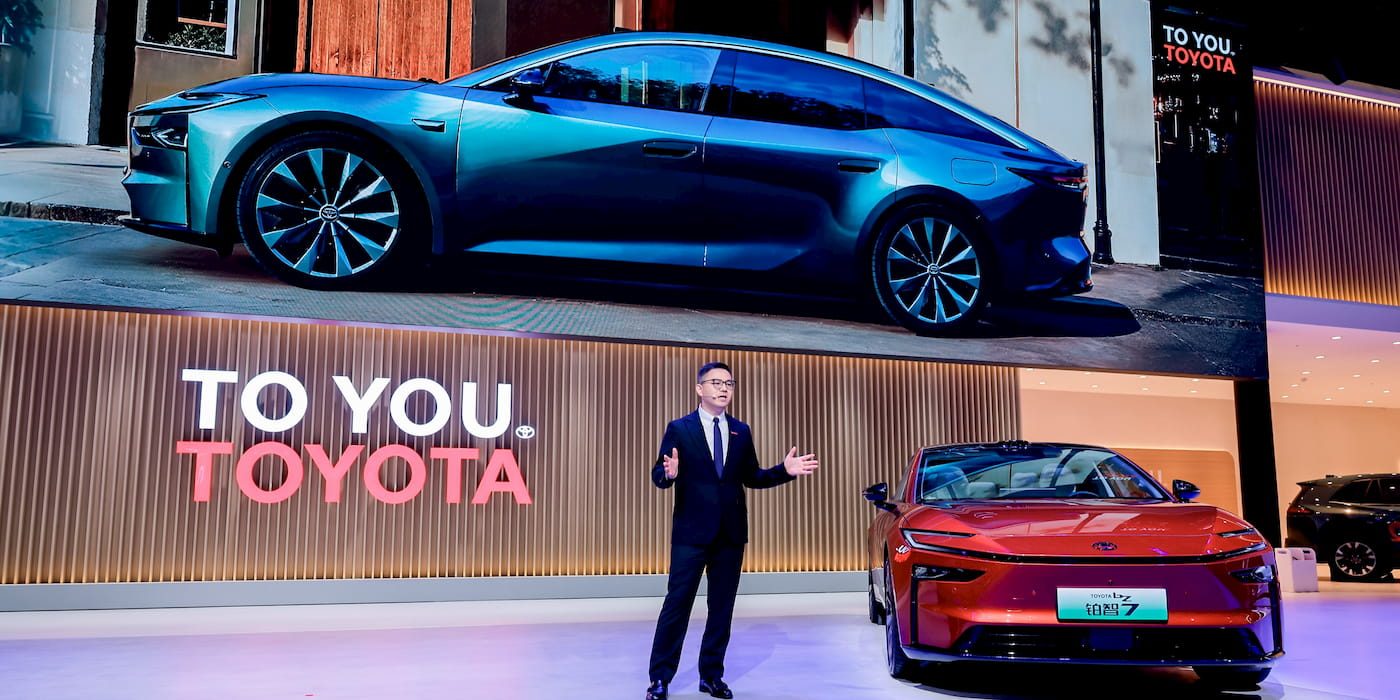
Rather than engineering the vehicle in Japan—as has been the traditional practice for global luxury nameplates—Toyota will leverage its new Chinese facility to kickstart production next fall.
- Initial Scale: Production is slated to begin at a modest rate of approximately 1,000 vehicles per month next year.
- Rapid Expansion: Toyota plans to rapidly scale manufacturing output to "tens of thousands" of units annually by 2028.
- Cutting-Edge Tech: The new Lexus EV will utilize advanced manufacturing methodologies, most notably gigacasting—a process pioneered to drastically reduce component counts, lower production costs, and accelerate assembly timelines.
- The Strategic Urgency: The pivot follows Toyota’s decision earlier this year to scrap plans for a similar flagship next-gen Lexus EV that was originally slated for development in Japan using comparable production methods.
Chronology of a Paradigm Shift: From Hesitation to Acceleration
To understand the weight of Toyota’s current decision, it is necessary to examine how the company’s strategy in China has evolved over recent years amid a fiercely competitive landscape.
June 2025: Breaking Ground in Shanghai
Toyota officially broke ground on its first independent Lexus EV manufacturing plant in Shanghai. Executives touted the project as the genesis of "Lexus speed," an internal initiative designed to help the luxury brand pivot away from cumbersome legacy timelines and match the agility of Chinese EV startups. Construction on the facility was scheduled to wrap up in late 2026, setting the stage for a 2027 rollout.
Early 2026: Scrapping Domestic Plans
Realizing that traditional development cycles in Japan were too slow to address shifting global demands, Toyota officially scrapped plans to develop its next-generation flagship Lexus EV natively in Japan. The pivot cleared the path for Shanghai to take center stage as the primary incubation hub for the brand’s next-generation EV architecture.
Mid-2026: Financial Pressures Mount
Amid a wave of hyper-competitive, low-cost domestic vehicles flooding the Chinese market, Toyota’s sales figures began to feel the pinch. Through the first seven months of the year, Toyota sold just under 810,000 vehicles in China—representing an 18% decline compared to the same period in 2025. The drop underscored the urgent need to accelerate next-generation EV deployment.
Fall 2027 (Projected): The First Vehicles Roll Off the Line
Production at the Shanghai Lexus plant is scheduled to commence, marking the first time a core Toyota or Lexus EV is built in China prior to any domestic Japanese assembly line.
Supporting Data: The Global EV Landscape
The numbers tell a clear story about why legacy automakers are altering their geographical footprints. The pivot to China is not merely a matter of convenience; it is a battle for survival in the world’s most dominant automotive arena.
- Market Dominance: According to data from GlobalData, China accounted for approximately 60% of all global EV sales in 2025.
- Volume Discrepancy: The scale of the Chinese market dwarfs traditional strongholds. In 2025, EV sales volume in China was roughly 100 times greater than that of Japan.
- Toyota’s Global Standing: While China remains Toyota’s third-largest market globally (trailing behind the United States and Japan), it is the most volatile and rapidly evolving region in the company’s portfolio.
- The Speed Differential: Traditional automotive manufacturing requires roughly four to five years to fully conceptualize, engineer, and bring a new vehicle to market. In stark contrast, Chinese EV manufacturers have compressed this timeline to as little as two years, leaving legacy brands struggling to keep pace.
Official Responses and Strategic Disconnects
Toyota’s corporate strategy currently highlights a striking geographic dichotomy. In Western markets like the United States, as well as in its home market of Japan, Toyota continues to champion its "multi-pathway" strategy. This approach hedges bets against a purely electric future by prioritizing hybrids, plug-in hybrids (PHEVs), and internal combustion engine (ICE) vehicles tailored to local infrastructure and consumer demand.
In China, however, the playbook is entirely different.
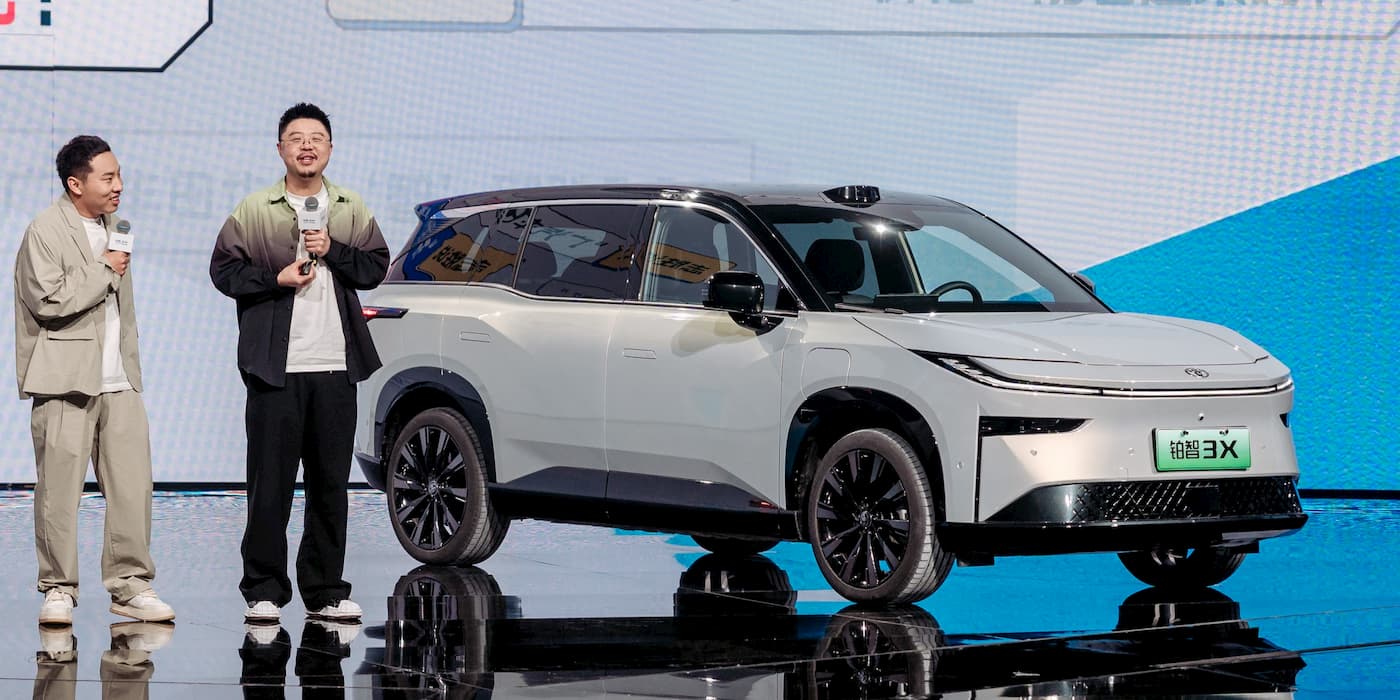
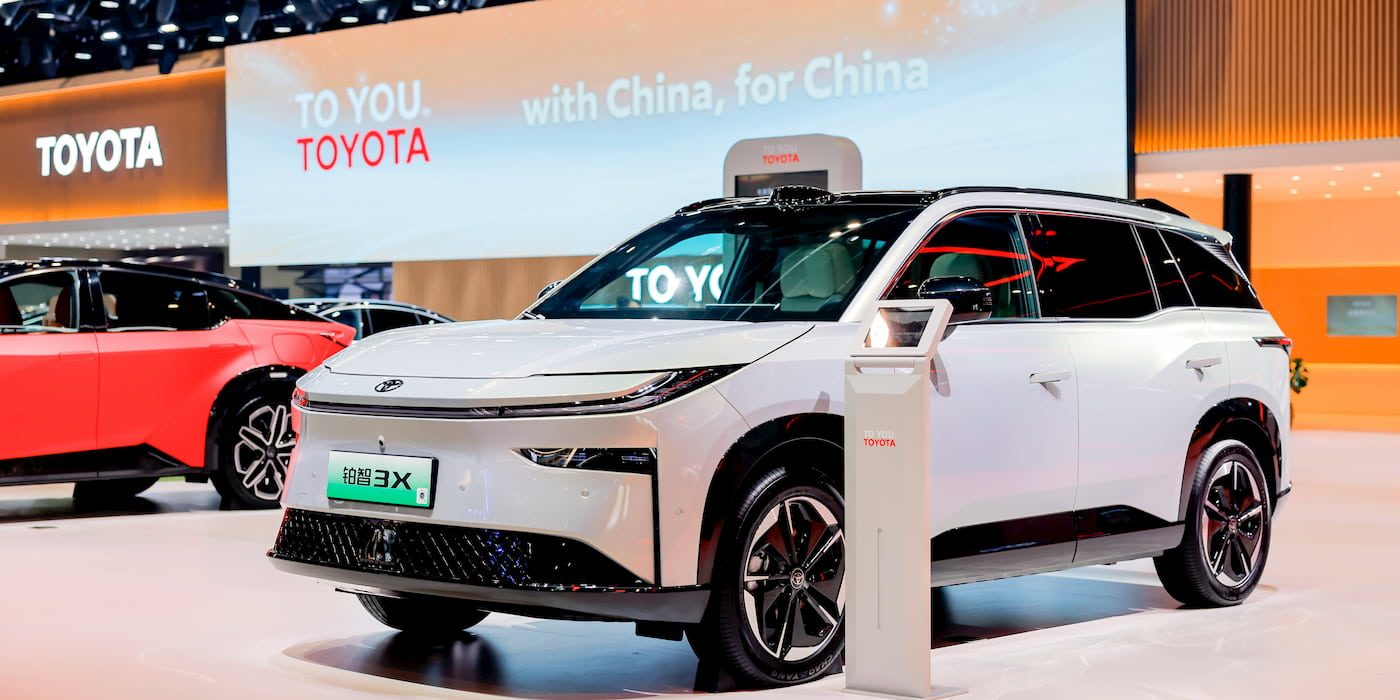
"In China, it’s a whole different game," industry analysts note. Legacy automakers operating within the country are being forced to adapt dynamically or risk being completely priced and engineered out of the market. While Toyota does currently produce several electric vehicles in China—such as the bZ3X SUV—these have historically been manufactured through local joint ventures with domestic partners like GAC and FAW.
The decision to build a proprietary Lexus EV independently in China first represents a deeper level of integration. Toyota is no longer just manufacturing cars in China for Chinese consumers; it is utilizing China’s advanced industrial ecosystem as a foundational springboard for technological advancement.
Implications: The Looming Threat to Global Supremacy
The ripple effects of Toyota’s decision extend far beyond corporate boardrooms in Aichi and Shanghai. They signal a profound shift in the global automotive hierarchy.

1. The Influx of Chinese Supply Chains and Know-How
For decades, Japanese and European automakers exported their manufacturing expertise to the rest of the world. Today, legacy OEMs are finding themselves in the unfamiliar position of importing technology. By tapping into China’s hyper-advanced battery supply chains, localized software ecosystems, and revolutionary manufacturing methods like gigacasting, Toyota is attempting to close a competitive gap that caught its leadership flat-footed.
2. The Threat from BYD
The urgency behind Toyota’s moves is underscored by the meteoric rise of domestic competitors. BYD, which recently surpassed legacy giants like Ford in global scale and influence, has its sights set much higher. BYD CEO Wang Chuanfu has publicly stated his belief that his company will overtake Toyota in total global sales within the next five years. If a domestic Chinese titan manages to unseat Toyota from the global throne, it will be due in large part to the exact speed, cost-efficiency, and technological prowess that Toyota is now trying to replicate in Shanghai.
3. A Precedent for Other Legacy Automakers
Toyota will not be the last traditional manufacturer to break its home-market rules. As Chinese EV makers eye aggressive international expansion into Europe, Southeast Asia, and eventually the Americas, legacy brands across the globe are discovering that their traditional domestic manufacturing hubs can no longer insulate them from global disruption.

By taking the leap and trusting its Shanghai facility to build a premier Lexus EV before Japan ever sees the assembly line, Toyota has crossed a Rubicon. The question remains whether "Lexus speed" will arrive quickly enough to fend off the rising tide of the global EV revolution.
