

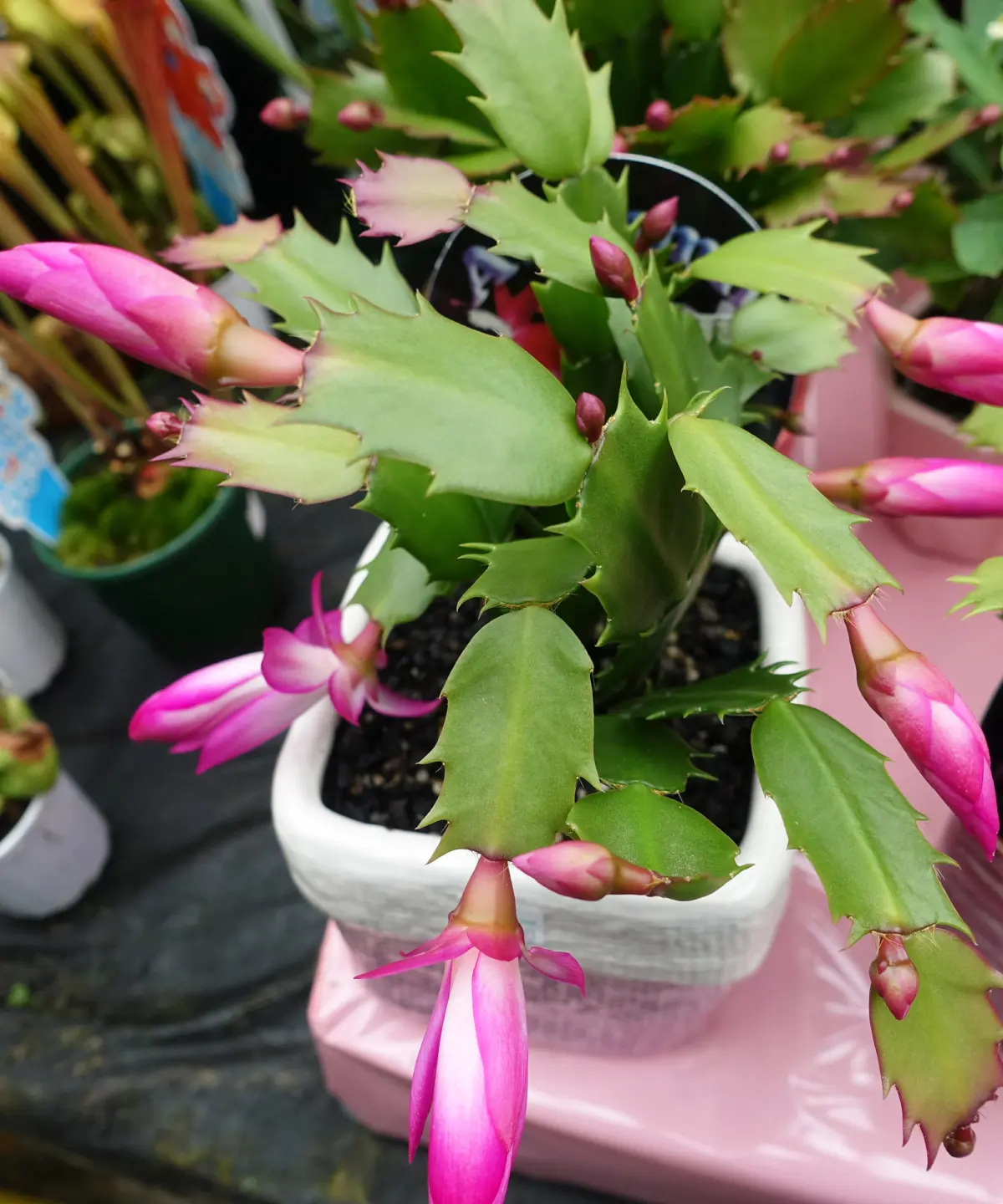
As summer fades and the early hints of autumn begin to color the landscape, the average houseplant enthusiast might look at their Thanksgiving cactus (Schlumbergera truncata) and feel a mild sense of underwhelm. Right now, the tropical epiphyte often looks distinctly ordinary—a collection of flat, green, segmented stems sitting quietly in a pot, showing no outward sign of the vibrant floral show to come.
However, horticultural experts emphasize that the unassuming appearance of the plant is deceptive. Behind the scenes, September serves as the crucial physiological turning point of the year for the Thanksgiving cactus. Unlike many standard houseplants that maintain a uniform care routine year-round, Schlumbergera truncata is a photoperiodic and temperature-sensitive organism. How you treat this unique rainforest native during the transition from September to October will dictate whether it rewards you with a breathtaking cascade of iridescent blooms by late November, or drops its buds and remains stubbornly foliage-bound.
To help plant parents unlock the full potential of their holiday cacti, we have broken down the essential horticultural practices, timelines, expert advice, and common pitfalls associated with September preparation.
Main Facts: The Biological Blueprint of Schlumbergera truncata
To care for a Thanksgiving cactus effectively, one must first understand its natural habitat. Native to the coastal mountains of southeastern Brazil, Schlumbergera truncata is not a desert cactus. Instead, it is an epiphyte—a plant that grows harmlessly upon other plants, typically tree branches, in high-humidity tropical rainforests.
In its native environment, the plant experiences specific environmental triggers that signal it is time to reproduce:
- The Light Shift: As days grow shorter in the Southern Hemisphere (corresponding to September in the Northern Hemisphere), the duration of uninterrupted darkness increases.
- The Thermal Drop: Ambient temperatures naturally cool down from the intense heat of the summer months.
- Moisture Dynamics: While the plant appreciates moisture, the shift in seasons brings different evaporation rates and soil drying cycles.
"September is a key month for Thanksgiving cactus care because the plant is beginning to respond to changing light and temperature conditions," explains Rachel Bull, Head of Gardens at Homes & Gardens. "Give it bright, indirect light and avoid sudden changes to its environment. If you’re bringing it indoors after summer, acclimate it gradually to help keep the plant healthy as it prepares to flower."
Chronology: The 7-Step September-to-November Timeline
Achieving a flawless holiday display requires a systematic, chronological approach to plant management. Here is your step-by-step roadmap to guiding your Thanksgiving cactus from late-summer dormancy to peak winter bloom.
1. Transition and Lighting: Relocate to a Brighter, Filtered Spot
As daylight hours diminish, your Thanksgiving cactus requires careful light management. If your plant has spent the summer outdoors—a common practice that encourages vigorous growth—September is the time to bring it indoors before nighttime temperatures drop too low or the threat of early frost looms.
- Where to place it: Position the plant near an east- or north-facing window where it can receive abundant bright, indirect light. South- and west-facing windows can expose the plant to harsh afternoon sun, which can scorch its segmented stems; if you use these locations, employ a sheer curtain to filter the light.
- Artificial supplementation: If your home lacks natural light, consider supplementing with a full-spectrum LED grow bulb, such as the Feit Electric A19 or a flexible multi-head unit like the Bell + Howell Bionic Grow Light, to ensure the plant maintains its energy reserves.
2. Temperature Regulation: Embrace the Chill
Thanksgiving cacti are notoriously responsive to ambient thermal shifts. If your plant has been sitting in a warm, climate-controlled room all summer, it will benefit immensely from a move to a slightly cooler environment as autumn sets in.
- The ideal range: Nighttime temperatures hovering between 55°F and 65°F are optimal for triggering flower bud development.
- What to avoid: Keep the plant far away from heating vents, active fireplaces, and drafty window frames. Rapid temperature fluctuations are a primary culprit behind premature bud drop. Monitoring conditions with a digital hygrometer-thermometer (such as the Govee Bluetooth model) can help you pinpoint the ideal microclimate in your home.
3. Precision Watering: Scale Back and Avoid Waterlogging
One of the most frequent causes of houseplant failure is improper watering, and Schlumbergera truncata is particularly sensitive to root saturation.
- The moisture rule: Check the potting mix before adding water. If the top inch feels dry, water the plant thoroughly until excess liquid drains freely from the bottom of the pot. Never allow the container to sit in standing water, as this invites fungal pathogens and root rot.
- Tools for success: Utilizing a soil moisture meter like the XLUX Long Moisture Meter removes the guesswork, while a precision watering can with a long, slim spout (such as the Fiskars Indoor Watering Can) helps deliver water directly to the soil without splashing the stems. As temperatures cool, your watering frequency should naturally decrease.
4. Cease Fertilization: Let the Plant Rest
If you have been feeding your Thanksgiving cactus regularly through the spring and summer growing seasons, September marks the absolute deadline to wind down applications.
- Why stop? Fertilizer encourages leafy, vegetative growth. When a plant is transitioning into its reproductive (flowering) phase, excess nutrients—particularly nitrogen—can disrupt bud formation.
- The golden rule: Extension experts uniformly recommend withholding fertilizer entirely in early fall. A healthy plant has already stored ample energy over the spring and summer to fuel its upcoming floral display. Save gentle liquid organic foods (like Espoma Organic Indoor Houseplant Food or Miracle-Gro Organic Indoor Plant Food) for when the growing cycle resumes next spring.
5. Managing Photoperiods: Enforce Longer Periods of Darkness
As a short-day plant, the Thanksgiving cactus relies heavily on extended periods of uninterrupted darkness to initiate blooming.
- The dark-period requirement: To trigger robust bud production, the plant needs approximately 12 to 14 hours of total darkness each night starting in mid-September.
- Consistency over complexity: You do not need an elaborate routine involving dark closets every single day; simply place the plant in a room that is not subjected to bright evening artificial lighting. If the room is used late into the night with lights blazing, consider moving the plant to a quiet, unlit guest room or office during the evening hours. Once the buds set, you can return it to its normal display location.
6. The Hands-Off Rule: Do Not Move the Plant Once Buds Appear
This is perhaps the most critical rule in holiday cactus care. Once the tiny, rice-grain-sized flower buds begin to form along the tips of the stems, the plant enters a delicate state of transition.
- Avoid relocation: Moving, rotating, or shifting the plant—even turning it to face a different direction toward the light—can shock the system.
- The consequence: Sudden changes in light angle, ambient temperature, or moisture levels will frequently cause the plant to jettison its developing buds entirely.
- Expert consensus: "Once buds appear, consistency is key," reiterates Rachel Bull. "Try to keep your cactus in the same spot until it has finished flowering."
7. Pest and Health Inspections: Clean House Before Bringing It In
Before moving an outdoor summer cactus inside, or as a general routine check for indoor specimens, September is the ideal time to perform a comprehensive health inspection.
- Inspection checklist: Examine the soil surface and the joints of the stem segments for discoloration, soft or mushy patches (indicators of root rot), or hitchhiking pests such as mealybugs, scale, and spider mites.
- Pruning and treatment: Use clean, sharp micro-tip pruning snips (such as Fiskars Micro-Tip Pruning Snips) to trim away any dead, damaged, or diseased sections. If pests are detected, treat the plant proactively with a gentle, organic horticultural spray like Bonide Captain Jack’s Neem Max before it takes up residence among your other indoor greenery.
Supporting Data: Understanding the Plant’s Environmental Triggers
Horticultural studies and agricultural extension services consistently point to three variables as the primary drivers of holiday cactus flowering:
- Photoperiod Sensitivity: Research indicates that exposure to more than 12 hours of continuous light daily will strictly inhibit flower bud formation in Schlumbergera species, keeping them in a vegetative state indefinitely.
- Thermal Thresholds: While the plant can tolerate daytime temperatures up to 75°F, prolonged exposure to night temperatures above 70°F during September and October significantly reduces the total number of flower buds produced. The optimal bud-induction temperature range sits firmly between 55°F and 68°F.
- Root Volume: Thanksgiving cacti actually prefer to be slightly root-bound. Repotting should only be performed every two to three years, and ideally after the plant has finished flowering in the winter or early spring, rather than in the fall when it is preparing to bloom.
Official Responses and Expert Perspectives
Botanists and master gardeners emphasize that the common frustration of a Thanksgiving cactus failing to bloom usually boils down to modern home environments.
"Modern homes are marvels of climate control, but that can actually work against short-day plants," notes a senior extension horticulturist specializing in indoor flora. "Between constant indoor heating, recessed lighting that stays on past 11 PM, and irregular watering schedules, plants get mixed signals. September acts as a biological reset button. If the grower steps in to mimic natural seasonal shifts—cooler nights, longer dark periods, and reduced water and fertilizer—the plant’s innate programming takes over effortlessly."
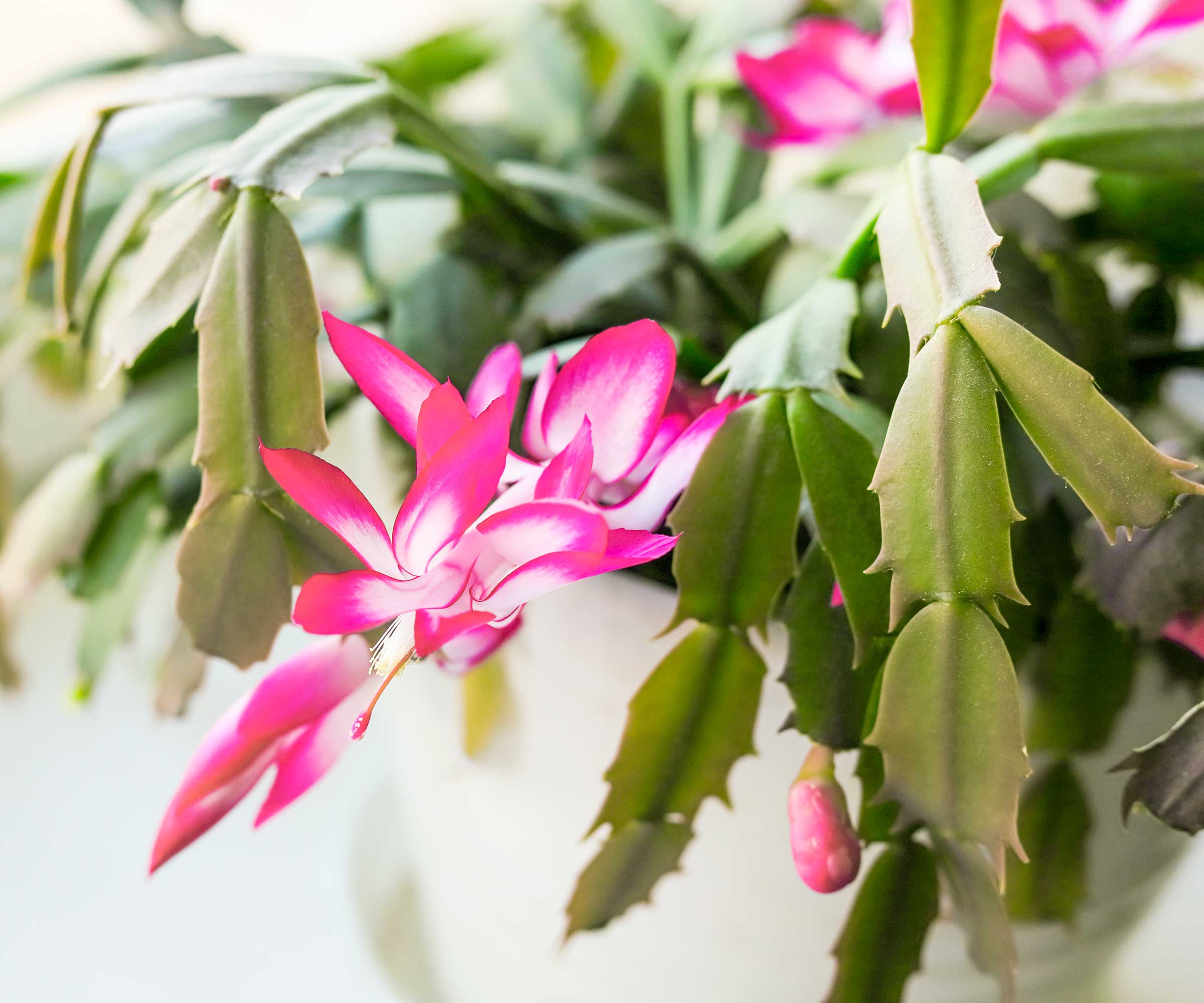
Furthermore, botanical registries remind consumers that retail labeling can often be a source of confusion. The Thanksgiving cactus (Schlumbergera truncata) features distinctive, pointed, claw-like teeth along the margins of its stem segments, whereas the true Christmas cactus (Schlumbergera buckleyi) features rounded, scalloped stem edges and blooms slightly later. Despite these minor botanical differences, both plants respond favorably to the exact same September preparation protocols.
Implications: What Happens Next?
By investing a modest amount of intentional care throughout September, plant owners set in motion a rewarding chain of events that transforms an ordinary, understated houseplant into a breathtaking holiday centerpiece.
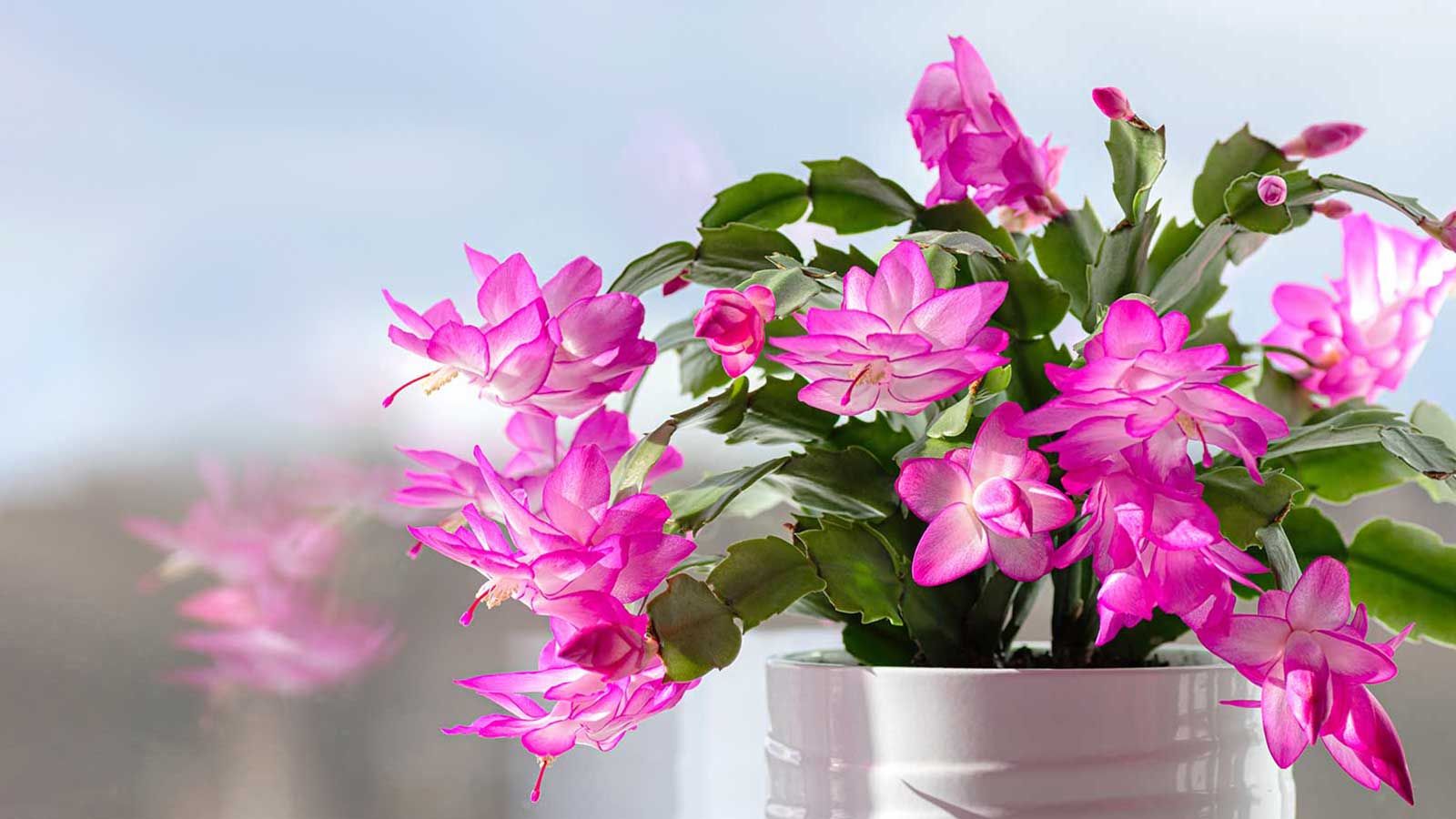
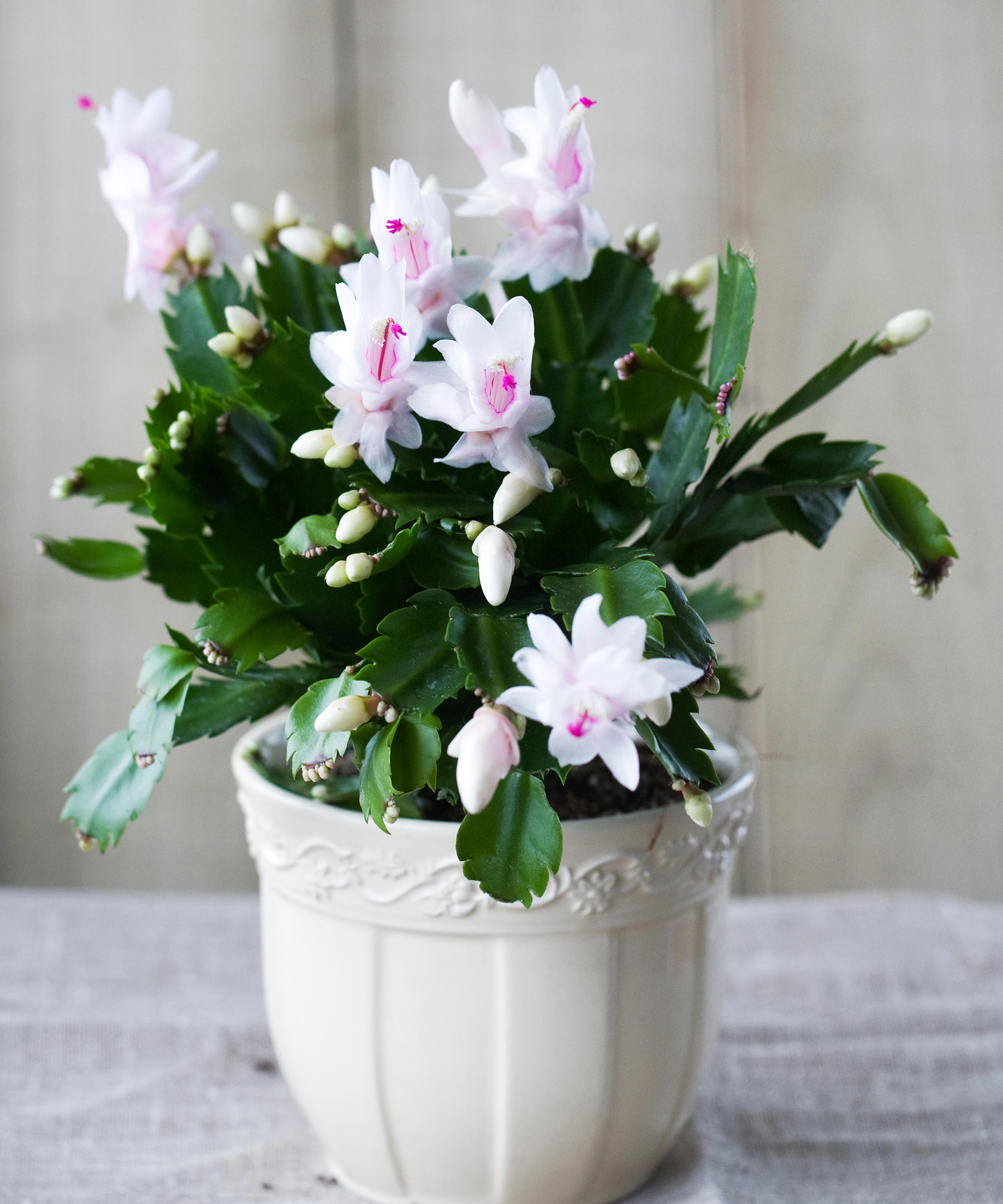
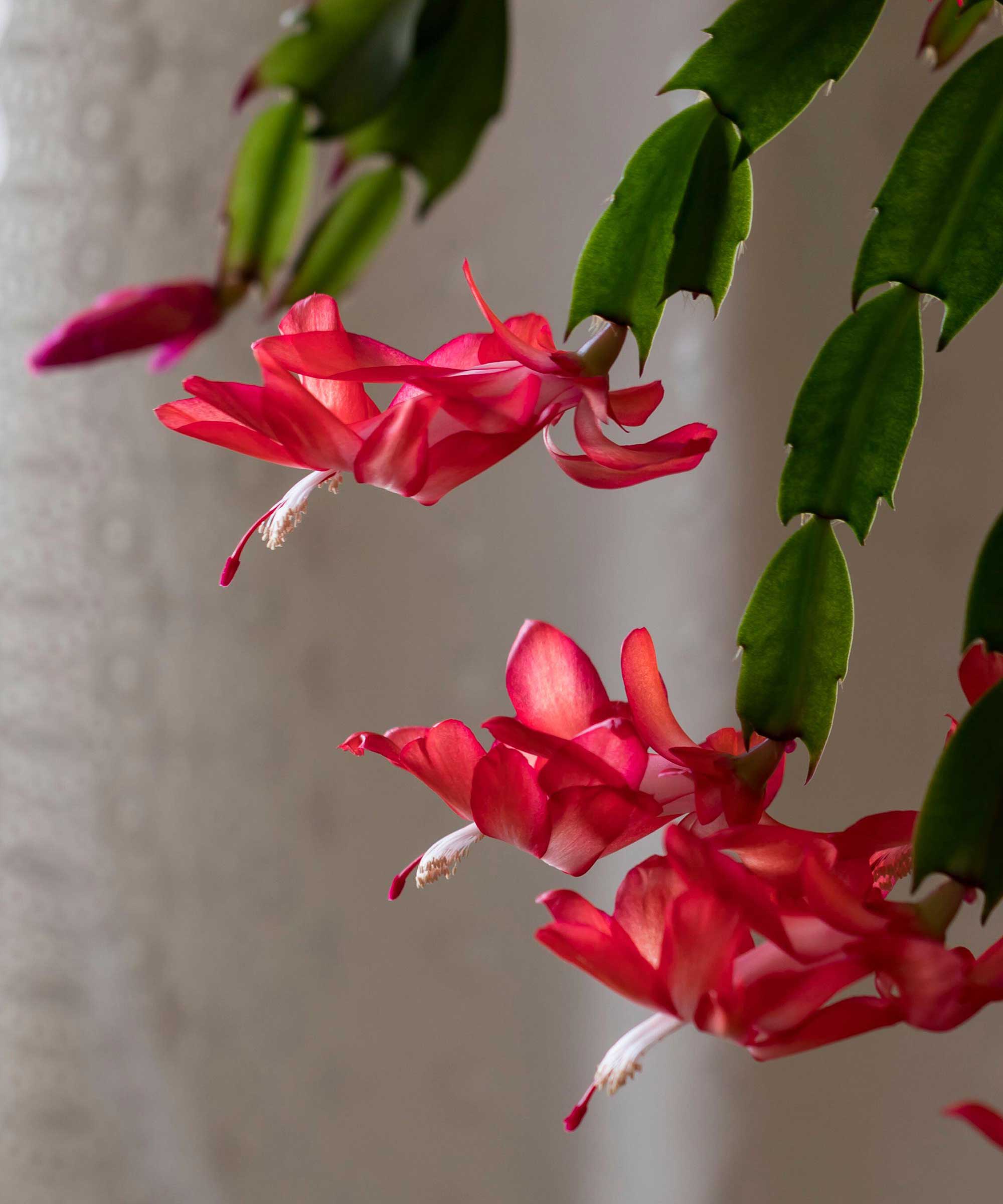
When the proper balance of light, dark, temperature, and moisture is achieved, the plant responds by pushing out dense clusters of zygomorphic (bilaterally symmetrical) flowers in shades of brilliant pink, white, red, orange, or purple. These vibrant blooms typically begin opening right around late November—just in time for family gatherings and festive celebrations.

Ultimately, the lesson of the September shift is one of patience and observation. A Thanksgiving cactus does not require constant fussing; rather, it demands respect for its natural seasonal rhythms. By establishing a stable, supportive environment right now and resisting the urge to over-fertilize or over-manage once the buds appear, growers can look forward to months of dazzling, colorful beauty that anchors the indoor garden through the darkest months of the year.
