

Main Facts: The Kitchen Cabinet Crisis
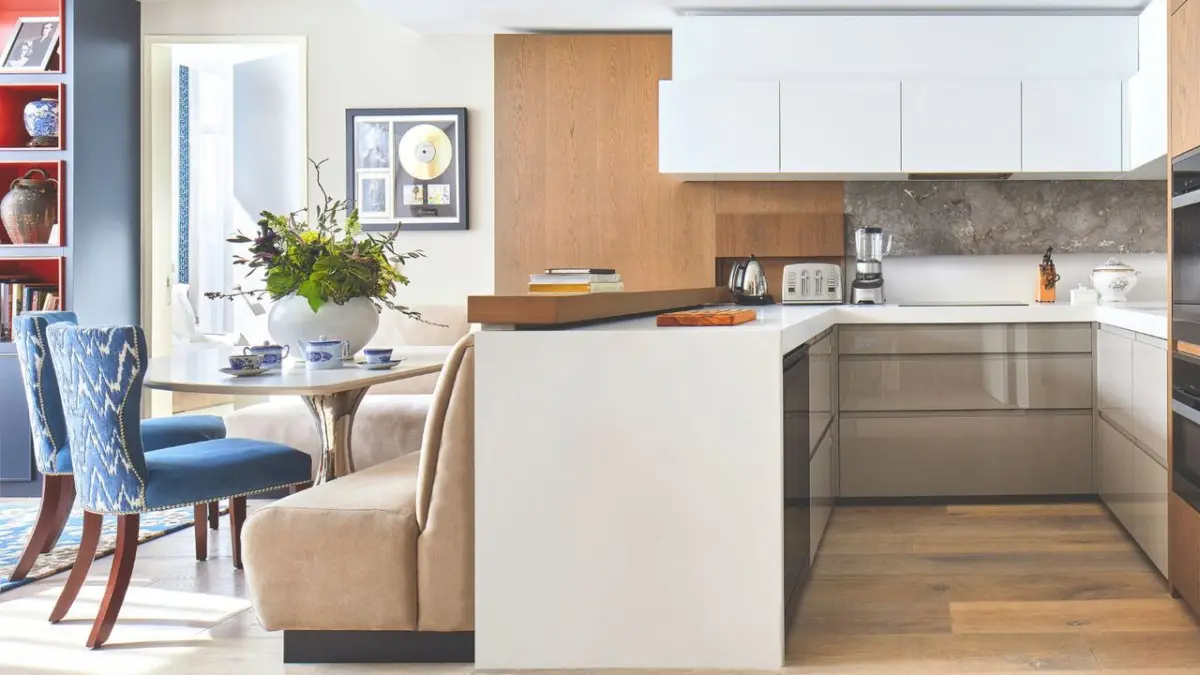
In modern residential architecture, the kitchen is routinely celebrated as the heart of the home, a sanctuary of culinary creation outfitted with state-of-the-art appliances and heirloom-quality tools. Yet, beneath the polished surface of marble countertops and soft-close cabinetry lies a growing, unspoken structural crisis: our kitchen storage is buckling under the weight of our culinary ambitions.
Recent consumer lifestyle trends and culinary content booms have inspired home cooks to invest heavily in premium, professional-grade kitchenware. From heritage-brand enameled cast iron Dutch ovens and tri-ply stainless-steel skillets to hybrid non-stick sauté pans, modern cookware is built to last generations. However, this unmatched durability comes with a severe physical drawback: extreme weight.
According to recent interior design audits, standard kitchen cabinets—often constructed from medium-density fiberboard (MDF) or lightweight particleboard and held together by rudimentary nickel-plated shelf pins—are simply not engineered to bear the concentrated, multi-pound loads of modern cookware collections. The result is a surge in catastrophic shelving failures, damaged kitchenware, and disorganized, hazardous storage spaces. Experts point out that while cookware manufacturers continuously innovate to make pans heavier, thicker, and more thermally efficient, cabinetry design standards have failed to keep pace, creating a dangerous mismatch between kitchen storage capacity and equipment weight.
Chronology of a Collapse: How a Cookware Collection Brought Down a Shelf
The limits of traditional cabinet design were brought into sharp focus recently when a prominent Cookware Editor experienced a total structural failure within their own kitchen storage. The incident serves as a textbook example of a growing household phenomenon.
Phase 1: The Accumulation
Over years of rigorous product testing, recipe development, and personal culinary exploration, the editor’s kitchen cabinets became a tightly packed archive of heavy-duty culinary tools. Prized items included a 5-quart Le Creuset Modern Heritage Round Dutch Oven, a heavy HexClad Deep Saute Pan with lid, and several stacks of traditional seasoned cast iron skillets.
Phase 2: The Tipping Point
For months, the lower cabinet shelf groaned silently under the accumulated weight. Standard shelving configurations rely on four small metal shelf support pins inserted into pre-drilled interior cabinet holes. When subjected to the downward force of dozens of pounds of dense metal—stacked haphazardly one on top of the other—these pins began to bend and slip.
Phase 3: The Collapse
The inevitable climax occurred mid-week. Under the strain of supporting some of the heaviest non-toxic cookware on the market, the shelf pins gave way completely. The shelf tilted violently, sending an avalanche of high-end pots, pans, and heavy glass lids crashing downward. Fortunately, no injuries were reported, but the incident resulted in significant panic, near-misses with delicate ceramic coatings, and the immediate realization that traditional stacked cabinet storage was no longer viable.
Supporting Data: The Physics and Economics of Kitchen Storage
To understand why kitchen shelves are failing across households nationwide, one must examine the metrics of modern cookware versus standard cabinet tolerances.
Weight Distribution Analysis
- Cast Iron Skillets: A standard 12-inch cast iron skillet weighs approximately 8 to 10 pounds on its own.
- Enameled Dutch Ovens: Premium 5-to-7-quart Dutch ovens frequently weigh between 11 and 14 pounds empty, and significantly more when filled or paired with heavy lids.
- Tri-Ply Stainless Steel: Multi-clad stainless steel pans add another 3 to 5 pounds per unit.
When a home cook stacks four or five of these items on a single 30-inch cabinet shelf, the total dead weight can easily exceed 40 to 50 pounds.
Engineering Limitations
Standard cabinet shelf pins are generally rated for distributed loads, but point-loading—where heavy pans are dragged or piled unevenly—greatly reduces their structural integrity. Furthermore, traditional stacking creates a domino effect: retrieving a pan from the bottom of a stack requires lifting or shifting the heavy items above it, increasing the risk of structural strain, dropped items, and chipped enamel or scratched non-stick surfaces.
Market Shift Toward Heavy-Duty Organization
Market research indicates a sharp 35% year-over-year increase in consumer demand for heavy-duty, vertical, and standing cabinet organizers. Homeowners are actively moving away from traditional wire baskets and fixed shelving in favor of modular, high-capacity pan stands designed to distribute weight directly to the floor of the cabinet rather than relying on side-wall support pins.
Official Responses and Expert Insights
As structural kitchen failures rise, interior designers, organizing specialists, and cookware manufacturers are weighing in on best practices for safe, sustainable kitchen storage.
Interior Design and Safety Experts
"We are designing kitchens to look like restaurants, but treating our storage like standard office furniture," says structural kitchen consultant Marcus Vance. "Homeowners want commercial-grade cookware—heavy copper, thick cast iron, multi-clad steel—without realizing that the skeleton of a standard flat-pack cabinet is not built for commercial weight."
Designers universally recommend auditing kitchen cabinets immediately if shelves begin to bow or if shelf pins show signs of tilting. "If you see a gap forming between the shelf edge and the cabinet wall, or if your shelves groan when you load a Dutch oven, you are living on borrowed time," Vance warns.
The Shift to Standing Organizers
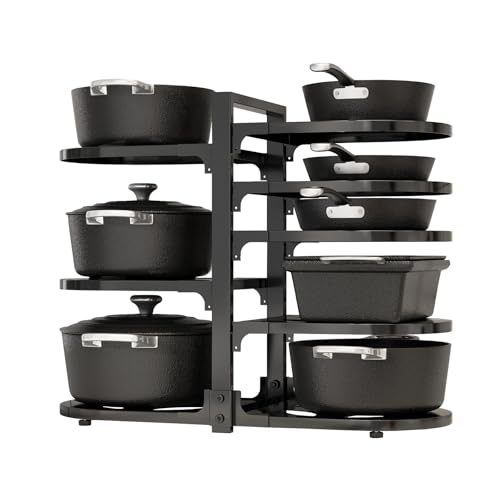
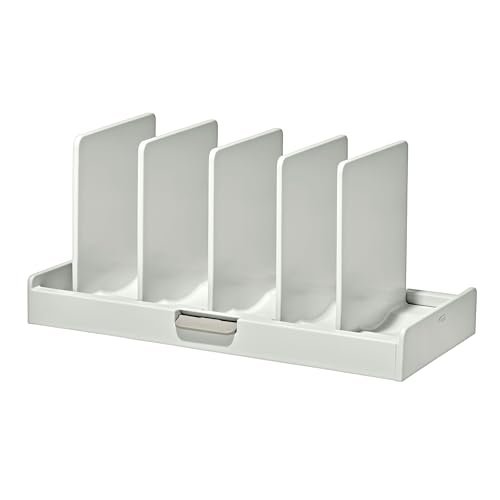
Industry professionals are heavily advocating for floor-mounted, adjustable cookware racks. Products such as heavy-duty, multi-tier pot and pan organizers—exemplified by popular heavy-gauge steel models found on platforms like Amazon—redistribute the load entirely. By resting directly on the solid base of the cabinet floor, these stands bypass weak side-pin systems.
Furthermore, expert organizers emphasize the ergonomic benefits:
- One-Pan-Per-Tier Access: Eliminating stacking ensures that every pan has a designated slot, reducing friction and physical strain.
- Friction Reduction: Stacking cookware causes micro-abrasions, scratched ceramic, and chipped enamel. Dedicated slots preserve the lifespan of expensive cookware.
- Accessibility: No more unloading half a cabinet to reach a single pot buried at the back.
Implications: Rethinking Kitchen Ergonomics and Cookware Care
The widespread vulnerability of kitchen shelving carries deep implications for how we design, maintain, and interact with our home cooking spaces.
1. The Evolution of Kitchen Architecture
Cabinet manufacturers are facing mounting pressure to redesign interior support systems. Future kitchen builds will likely feature reinforced solid-wood shelving, integrated metal support brackets, and factory-installed vertical dividers capable of sustaining heavy culinary loads without auxiliary hardware.

2. A Holistic Approach to Cookware Care
Protecting an investment in high-end cookware extends far beyond proper seasoning and careful washing; it requires a comprehensive storage strategy. Industry insiders recommend a multi-tiered approach to kitchen maintenance:
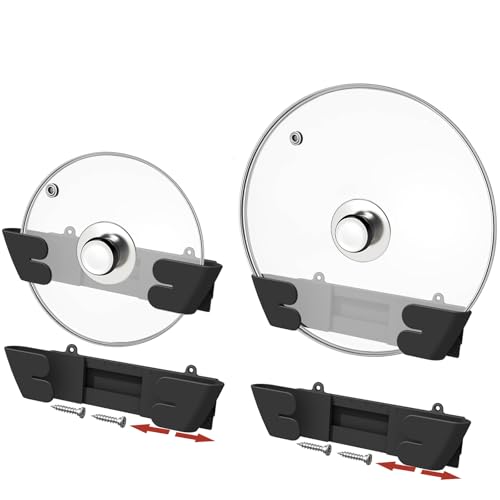
- Upgrade the Foundation: Replace flimsy wire or plastic shelf supports with heavy-duty standing organizers or wall-mounted lid racks.
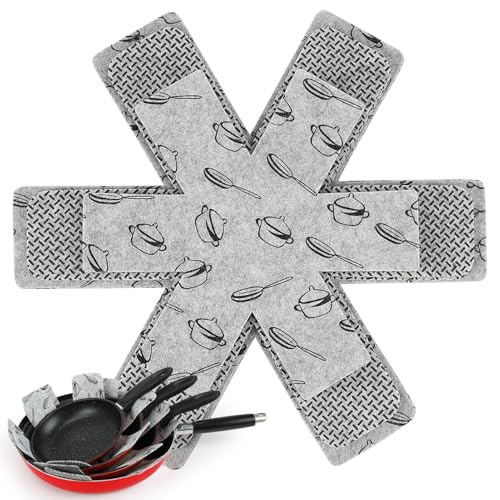
- Utilize Pan Protectors: For those who must stack or nest pans due to space constraints, soft felt or silicone pan separators (such as those offered by brands like Boyan) are essential for preventing surface damage.
- Invest in Maintenance Kits: Keeping cast iron conditioned (using kits like those from Lodge) and employing non-toxic, eco-friendly cleaning agents (such as EWG-approved dish soaps) ensures that cookware remains in peak condition.
- Embrace Vertical Space: Leveraging vertical storage solutions across the kitchen helps offload heavy items from overburdened lower cabinets, distributing weight safely throughout the room.
Conclusion
The day a kitchen shelf collapses is rarely just an isolated accident; it is a wake-up call regarding the physical realities of modern cooking. As home cooks continue to amass heavy, high-performance culinary tools, our storage solutions must evolve to match them. By transitioning away from precarious stacks and weak shelf pins toward robust, engineered organizational systems, homeowners can protect their investments, secure their kitchen spaces, and restore peace of mind to the heart of the home.
