

By Julia Demer
Interior Design & Lifestyle Correspondent
Main Facts
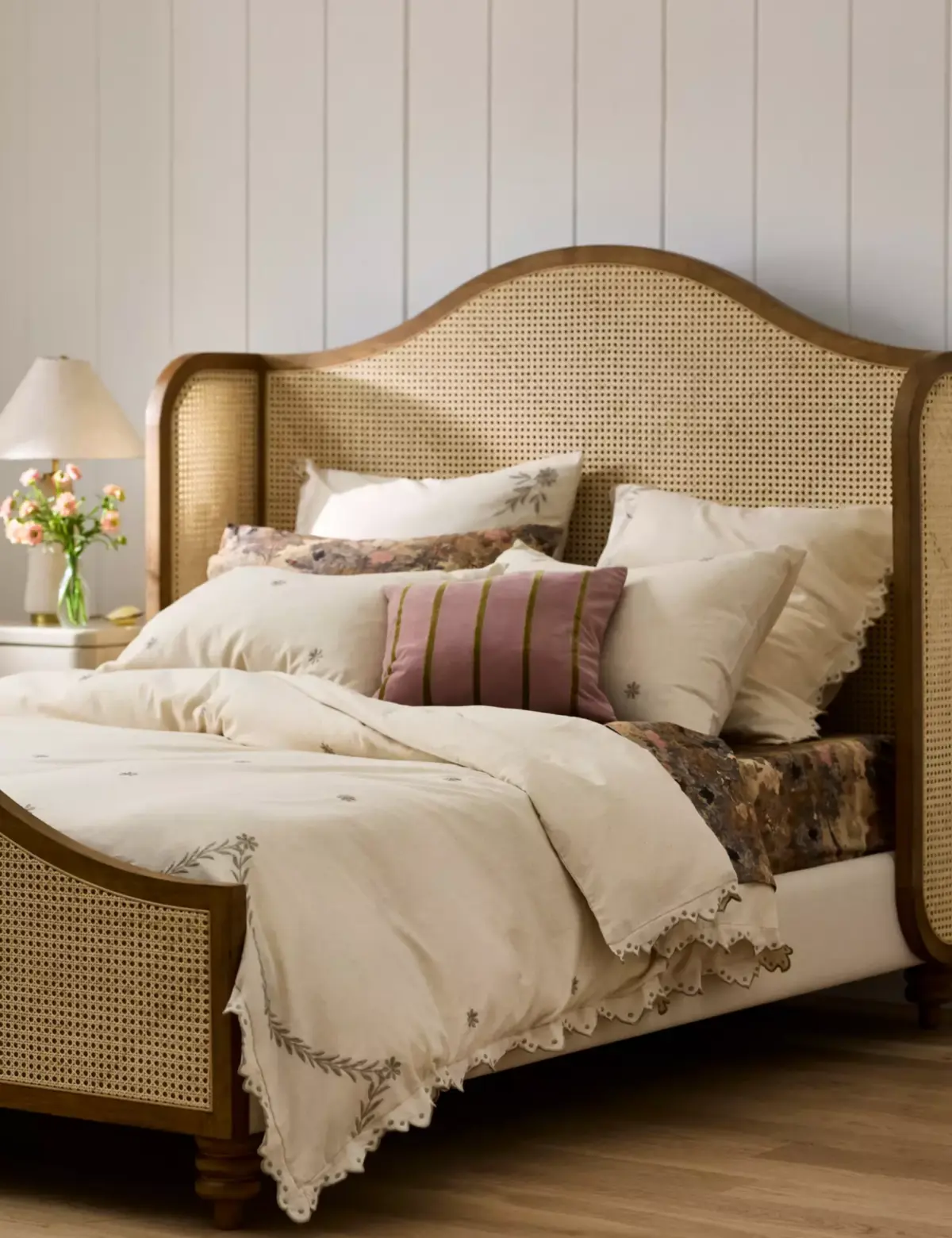
In the span of just a few short years, the dismissive designation "that looks like your grandmother’s" has undergone a radical linguistic and aesthetic transformation. Once deployed as a sharp, red-cheek-inducing critique in fashion and interior design, it is now proudly worn as a badge of honor. Vintage bedding has officially never been cooler—and thanks to lifestyle giant Anthropologie’s Fall 2026 collection, it has never been cozier, either.
The modern bedroom is undergoing a seismic shift away from minimalist, sterile designs toward spaces rich with history, texture, and emotional resonance. Leading this charge is Anthropologie’s latest seasonal line, which leans heavily into nostalgic motifs: ruffled organic cotton sateen sheets, intricate floral embroidery reminiscent of heirloom linens, scientific-style botanical illustrations, and textured tapestries. Furthermore, high-profile collaborations, such as the buzzy Barbour x Anthropologie collection featuring timeless tartan throws and embroidered corduroy pillows, cement the movement’s place in high-end home decor. Far from dated, this "grandma chic" or "grand-millennial" aesthetic proves that comfort and generational nostalgia are the ultimate luxury for the modern home.
Chronology: The Evolution of Grandma Chic
To understand how heritage linens conquered the contemporary bedroom, one must trace the recent trajectory of home interior trends over the past decade.
- The Reign of Minimalism (Mid-2010s): The market was dominated by stark white sateen sheets, industrial metal bed frames, and monochromatic gray palettes. The prevailing design ethos favored sleek lines, emptiness, and an almost clinical cleanliness. Any nod to traditional patterns was quickly written off as antiquated.
- The Shift Toward Maximalism (Late 2010s to 2020): As urban living spaces shrank and the desire for personal sanctuary grew, interior designers began reintroducing color and texture. Velvet, patterned wallpapers, and eclectic gallery walls began creeping back into mainstream consciousness.
- The Pandemic Pivot (2020–2022): Lockdowns forced global populations to re-evaluate their relationships with their living spaces. Homes needed to function as emotional shields against external chaos. Comfort took precedence over trendiness, and consumers began unearthing heirloom quilts, vintage lace, and cottagecore aesthetics. The phrase "grandma chic" emerged, initially as a niche internet subculture before bleeding into mainstream retail.
- The Runway Convergence (2024–2025): Fashion runways began heavily favoring heritage fabrics, quilted outerwear, and vintage-inspired textiles. This cross-pollination between haute couture and home furnishings set the stage for interior design brands to fully embrace romanticism.
- The Fall 2026 Revival: Culminating in current collections from major tastemakers like Anthropologie, vintage-inspired bedding is no longer a DIY thrift-store gamble. It is a masterclass in professional manufacturing, featuring aged ivory colorways, expertly crafted ruffles, botanical prints, and heritage brand collaborations that make historical comfort universally accessible.
Supporting Data and Industry Insights
The resurgence of vintage aesthetics is backed by a broader market shift toward sustainable, durable, and emotionally resonant consumer goods. According to recent home decor market analytics:
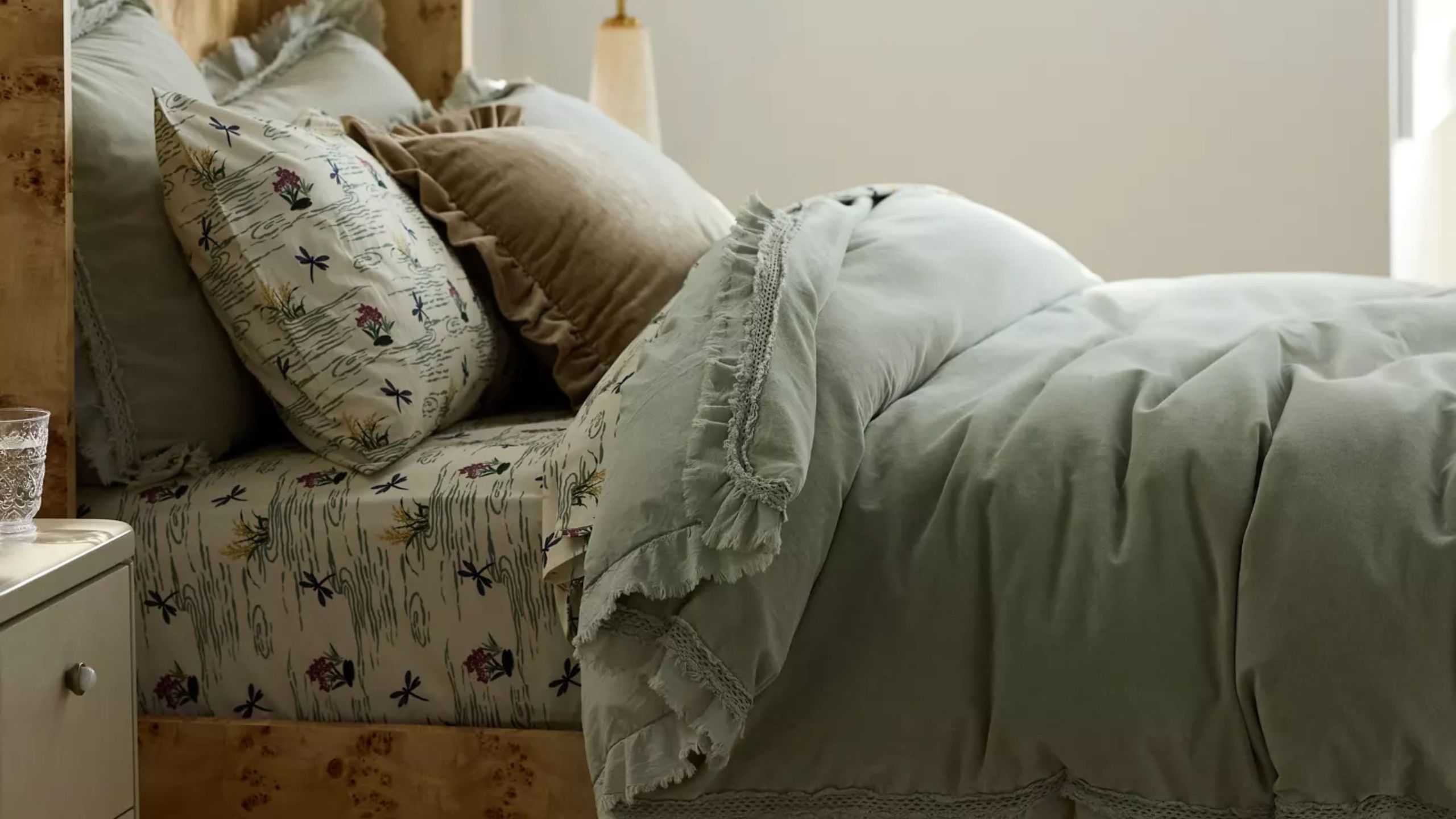
- Rise in Textured and Heritage Textures: Sales of ruffled, embroidered, and quilted bedding have seen a steady year-over-year climb of nearly 24% across mid-to-high-end home retailers since 2023.
- The Longevity Economy: Modern consumers—particularly Millennials and Gen Z—are increasingly rejecting fast-furnishing culture in favor of "buy-it-for-life" aesthetics. Items that evoke a sense of generational continuity are outperforming ultra-modern synthetic bedding by a margin of 2-to-1 in customer satisfaction metrics.
- Color Palette Shifts: While crisp whites and cool grays dominated the previous decade, current interior forecasting highlights an explosive demand for earthy, moodier tones. Anthropologie’s Fall 2026 line strategically incorporates whispery moss greens, faded plums, and antique ivories, pulling the traditional "granny" palette into sophisticated, contemporary spaces.
- The Power of Collaboration: Limited-edition lifestyle crossovers, such as the Barbour and Anthropologie partnership, have demonstrated immediate commercial success. Heritage pattern categories—specifically tartan check and corduroy accents—sold through their initial inventory allocations within weeks of dropping, proving that consumers are hungry for items with a storied, British-countryside pedigree.
Official Responses and Expert Perspectives
Industry insiders, textile historians, and interior designers alike have weighed in on the cultural phenomenon of grand-millennial bedding, viewing it as a psychological reaction to modern anxieties.
Dr. Elena Vance, a cultural anthropologist specializing in material culture and domestic spaces, notes that objects carry the psychological weight of security. "When the outside world feels increasingly digital, fast-paced, and unpredictable, our homes become psychological bunkers," Dr. Vance explains. "Grandmotherly textiles—quilts, heavy embroidery, and soft ruffles—represent a pre-digital era of patience, tactile safety, and unconditional care. By bringing these items into our bedrooms, we are subconsciously curating a sense of being protected."
Interior designer Clara Dupont, whose work frequently bridges contemporary architecture with historical textiles, praises brands for refining rather than merely copying the past. "What Anthropologie and other leaders are doing right with their Fall 2026 collections isn’t just slapping a floral print on a duvet," Dupont states. "They are aging down the tones. By muting the bright florals of the 1970s and 1980s into faded plums, dusty roses, and earthy moss greens, they are giving us the romantic nostalgia of our grandparents’ homes without making our modern apartments look like a time capsule."
Furthermore, retail analysts point out that the democratization of craftsmanship plays a major role. "Embroidery and fine detailing used to require hours of meticulous handiwork—blood, sweat, and tears over a quilting hoop," says home retail analyst Marcus Sterling. "Today, manufacturers have figured out how to replicate that artisanal, heirloom look at scale, allowing everyday consumers to achieve a bespoke, whimsical bedroom aesthetic without spending small fortunes or spending years mastering needlepoint."
Implications for the Future of Interior Design
The normalization and elevation of vintage bedding point toward broader implications for how we design, inhabit, and consume interior goods in the latter half of the 2020s.

1. The Death of the Sterile Minimalist Bedroom
For years, the hospitality industry influenced residential design, leading many to mimic the stark, impersonal white-sheet aesthetic of luxury hotels. The "granny chic" movement acts as a direct rebellion against this impersonal uniformity. Bedrooms are reclaiming their status as deeply personal, idiosyncratic sanctuaries. The inclusion of botanical tapestries, eccentric throw pillows (such as the Barbour x Anthropologie embroidered corduroy dog pillows), and layers of mixed patterns encourages homeowners to express narrative rather than mere cleanliness.
2. Cross-Seasonal Color Theory
Traditionally, interior palettes shifted aggressively between seasons—bright whites and linens for summer, heavy burgundies and blacks for winter. The new vintage movement introduces transitional tones that defy strict seasonal categorization. The adoption of ice blue—a color trend plucked straight from the Spring/Summer 2026 runways and carried into crisp percale fall collections—alongside moody moss greens and faded plums, proves that tranquility and warmth can coexist year-round.
3. Sustainability Through Sentimentality
While true vintage shopping remains a sustainable cornerstone of modern decor, the commercial manufacturing of "new vintage" items satisfies the eco-conscious consumer’s desire for longevity. When a duvet cover or throw blanket is designed to look like a cherished family heirloom, the consumer is far less likely to discard it when the next micro-trend rolls around. Sentimentality breeds sustainability; items we love and feel a generational connection to are items we keep for decades.
As the leaves turn and the autumn air cools, the final verdict is clear: your grandmother wasn’t just old-fashioned—she was a visionary. By blending the comfort of the past with the refined color palettes and textile technologies of today, modern bedding trends prove that looking backward is sometimes the most forward-thinking design choice you can make.
