

By Austin Hardcastle
CEO of HomeTeam Technology and Founder of BarndoBuilderList.com
Main Facts: The Evolution of the Barndominium Industry
The barndominium market has officially entered its maturation phase. What began largely as an internet-fueled aesthetic trend driven by Pinterest boards, floor plan sketches, and digital renderings has evolved into a multi-million-dollar sector of modern residential and hybrid construction. However, as demand surges, the industry faces a critical bottleneck: a widening communication gap between design-hungry buyers and execution-ready builders.
Analysis of more than 2,000 consumer inquiries and buyer conversations reveals that the primary obstacle for prospective barndominium owners is no longer finding architectural inspiration. Instead, it is navigating a fragmented marketplace to answer a fundamental operational question: Who can actually help me build this, and what do they actually do?
To solve this visibility and trust crisis, industry stakeholders are turning away from generic marketing tricks and embracing transparency, detailed scope definitions, and authentic project portfolios. This paradigm shift has given rise to dedicated platforms like BarndoBuilderList.com, an independent directory designed to connect homeowners with vetted contractors whose digital footprints clearly demonstrate verified barndominium or related construction experience.
Chronology: From Digital Trend to Mainstream Construction Sector
Phase 1: The Inspiration Era (2018–2022)
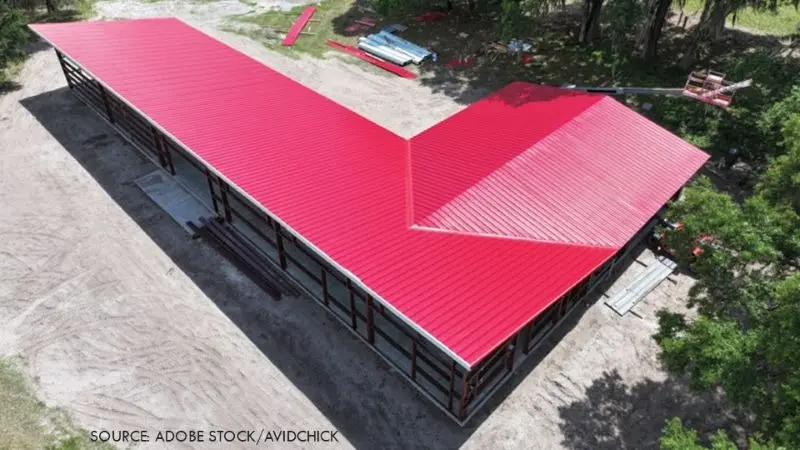
When barndominiums—colloquially known as "barndos"—first exploded into mainstream popularity, the market was dominated by kit suppliers, architectural designers, and social media influencers. Buyers were captivated by the promise of soaring ceilings, cost-effective metal shells, open-concept living quarters, and attached expansive workshops. During this period, the ecosystem thrived on theoretical concepts, standard steel building packages, and digital 3D renderings that showcased what could be built rather than how it would be executed.
Phase 2: The Practical Bottleneck (2023–2025)
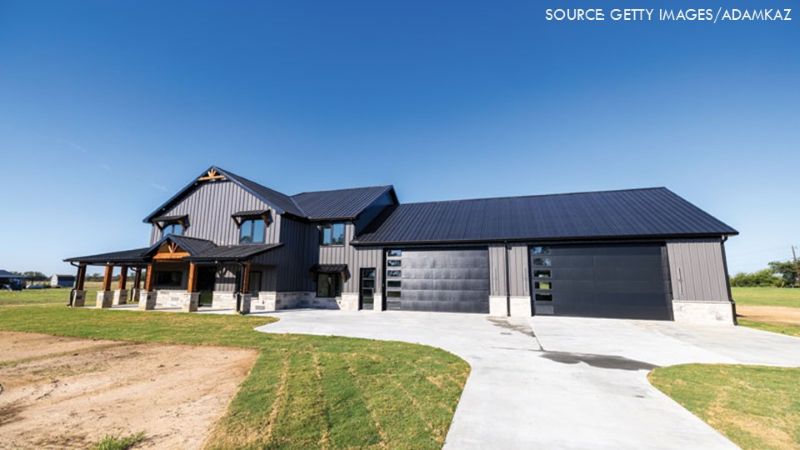
As thousands of enthusiasts attempted to transition from digital inspiration to breaking ground, widespread friction emerged. Buyers quickly realized that owning a set of blueprints or a metal kit package did not automatically translate to a finished home.
Homeowners flooded forums and sales channels with fundamental, make-or-break questions:
- Do I need to secure land before buying a kit?
- Can I finance a barndominium through traditional residential lenders?
- Is this quote turnkey, or does it stop at the exterior shell?
- Will my local municipal building department approve post-frame residential construction?
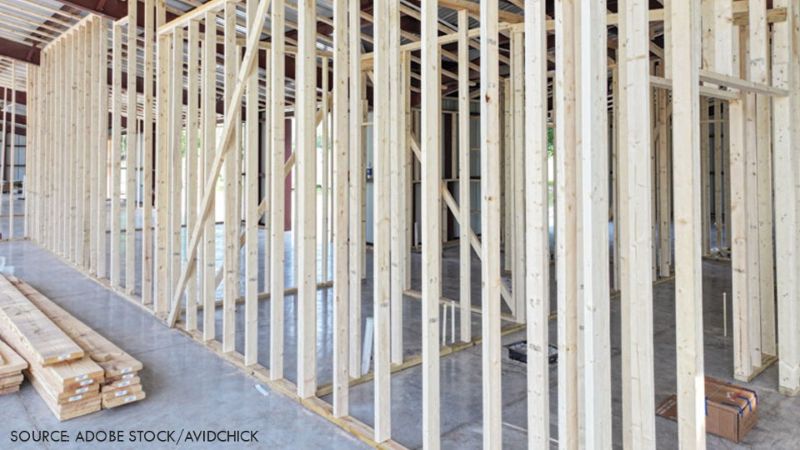
During this phase, many general contractors hesitated to take on barndominiums due to unfamiliarity with hybrid metal-and-wood framing techniques, while metal building suppliers often lacked the residential expertise required to manage interior finish-outs, HVAC systems, and complex plumbing layouts.
Phase 3: The Call for Transparency and Specialization (2026 and Beyond)
The modern barndominium landscape is defined by a demand for absolute clarity. Homeowners are no longer willing to gamble on ambiguous contractor websites or vague social media pages. Recognizing this market maturation, builders are overhauling their digital strategies. They are moving away from catch-all "general contractor" labels and instead providing step-by-step process breakdowns, explicit scope-of-work boundaries, and verifiable proof of past residential projects.
Supporting Data and Industry Insights: What Buyers and Builders Experience
The challenges facing the barndominium sector are illuminated by data collected from thousands of buyer interactions and industry surveys:
- The Core Questions: Over 2,000 reviewed buyer conversations show that concerns consistently cluster around five primary pillars: land acquisition, financing feasibility, exact contractor scope (shell vs. turnkey), local code compliance, and material specifications.
- The Trust Factor: According to consumer research cited by platforms like BrightLocal, 97% of modern consumers read online reviews when evaluating local service businesses. In a high-stakes market like custom home building, unmanaged reviews or a lack of social proof represent an immediate disqualifier for prospective clients.
- The Search Fragmentation Problem: When homeowners search for "barndominium builders near me," search engine results pages (SERPs) remain chaotic. They often intermix distant kit manufacturers, raw steel suppliers, shed dealers, paid lead-generation aggregators, and residential contractors who have never actually built a metal-sided home. This fragmentation directly causes buyer fatigue and stalled projects.
Official Responses and Expert Perspectives: Addressing Market Friction
Industry leaders, builders, and technology developers agree that bridging the information gap requires a fundamental change in how contractors market their capabilities. Rather than relying on aggressive keyword-stuffing or opaque sales language, successful builders are leaning into educational content and radical transparency.
The Problem with Vague Terminology
A recurring issue highlighted by construction marketing experts is the misuse of catch-all titles. Designating a business simply as a "general contractor" fails to communicate specialized skills. A buyer seeking a post-frame barndominium shell needs to know immediately whether a contractor handles concrete slabs, structural engineering, MEP (mechanical, electrical, plumbing) coordination, or interior finish-out.
Modern Search Engine Optimization (AEO)
With the rise of Answer Engine Optimization (AEO) and generative AI search algorithms (such as Google’s AI Overviews), the rules of digital visibility have evolved. Modern search platforms reward authenticity over gimmickry. Technical structure, crawlable service-area pages, high-resolution labeled project photography, and genuine customer feedback outperform generic, mass-produced blog posts every single time.
Implications: What This Means for Metal Construction Companies and Homeowners
The ongoing maturation of the barndominium market carries significant implications for contractors, suppliers, and prospective homeowners alike.
1. For Metal Building Contractors and Builders
- Attract Better-Fit Leads: Providing clear pricing models, defined scope boundaries, and explicit service areas does not reduce the volume of inquiries—it filters out unqualified leads. This saves contractors countless hours of wasted estimation time.
- Capitalize on Transferable Expertise: Metal construction companies already possess the structural engineering knowledge required to erect durable, clear-span framing. Translating this commercial-grade competence into a residential context represents one of the largest growth opportunities in modern construction.
- Make the Invisible Visible: Successful contractors demystify the construction timeline. By publishing clear guides detailing what happens after dry-in, how change orders are managed, and what prerequisites a homeowner must meet before calling, builders build unbreakable trust.
2. For Prospective Homeowners
- Dodge Costly Misunderstandings: Clearer builder websites mean homeowners can easily distinguish between shell-only packages and turnkey general contracting services, preventing devastating budget overruns mid-construction.
- Streamline Financing and Permits: As builders standardize their terminology and provide documentation tailored to residential codes, securing construction loans and municipal permits becomes a far more predictable process.
Conclusion
The barndominium market has moved past the era of unbridled digital inspiration. Today, the industry rewards proof, specificity, and radical clarity. Contractors who step forward to clearly explain their process, showcase verifiable project portfolios, and define their exact construction scope will command the marketplace. In a sector historically plagued by confusion, clarity is no longer just a marketing tactic—it is the ultimate competitive advantage.
