

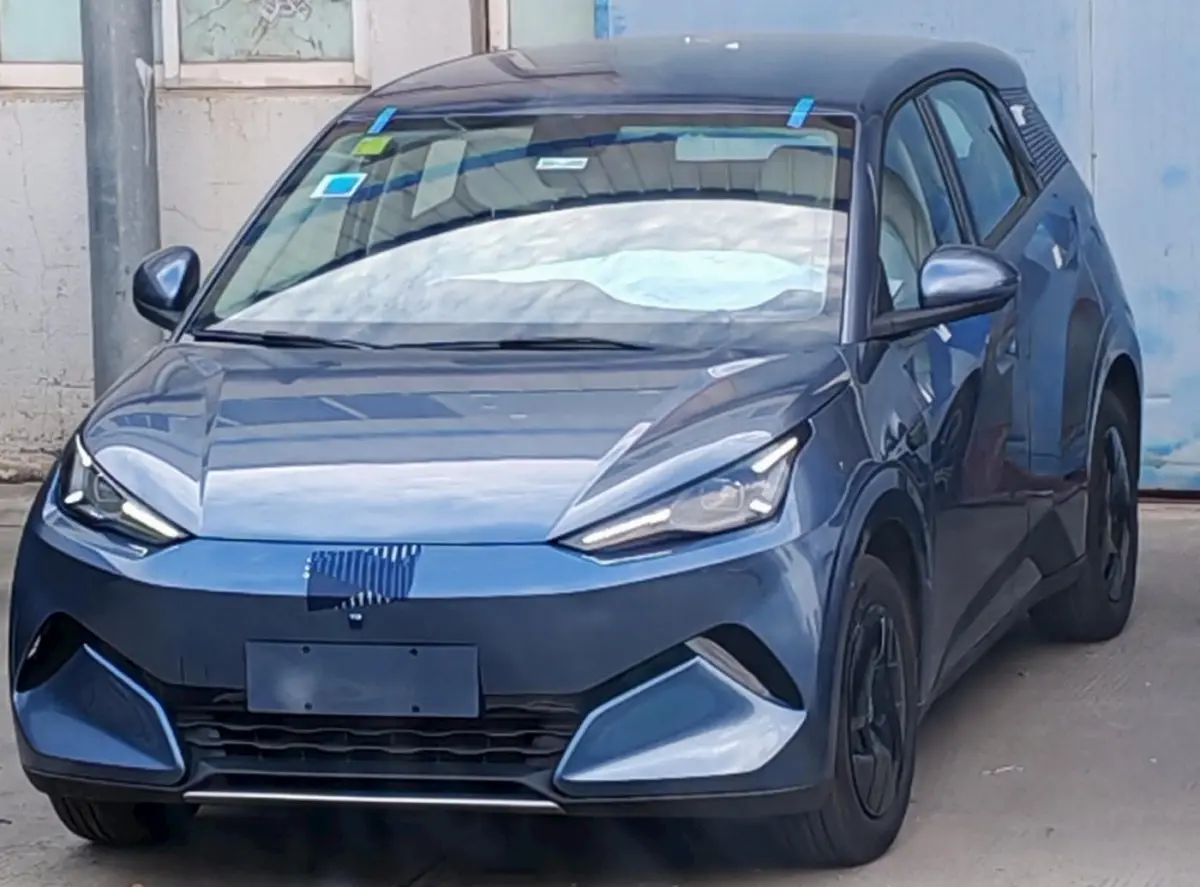
SHENZHEN, China — Electric vehicle giant BYD is once again shaking up the global automotive landscape. Following the massive international success of its ultra-affordable Seagull hatchback—marketed globally as the Dolphin Mini or Dolphin Surf—the Chinese automaker is preparing to launch a larger, more powerful, and technologically advanced sibling. Officially named the Great Seagull, this new electric hatch bridges the crucial gap between the compact Seagull and the slightly larger Dolphin in both physical dimensions and market pricing.
Slated for an official commercial debut by the end of 2026, the Great Seagull was recently unveiled at the Chengdu Auto Show by Zhang Zhuo, the sales boss for BYD’s Ocean series. The vehicle has already cleared regulatory hurdles with China’s Ministry of Industry and Information Technology (MIIT) and has been spotted completely undisguised on public roads, giving industry analysts and EV enthusiasts a clear look at what is shaping up to be another high-volume winner for the brand.
Main Facts
The Great Seagull is designed to scale up the winning formula of the original Seagull while addressing consumer demands for more interior space, heightened performance, and advanced driver-assistance systems (ADAS).
- Strategic Positioning: It slots directly into BYD’s lineup between the standard Seagull and the Dolphin, adopting the "Great" moniker to align with BYD’s updated flagship naming conventions, echoing models like the Great Tang SUV and the Great Han sedan.
- Dimensions: According to recent MIIT filings, the Great Seagull measures 4,205 mm in length, 1,810 mm in width, and 1,570 mm in height, boasting a generous 2,650 mm wheelbase. This makes it substantially larger than the standard Seagull, which measures just 3,780 mm long.
- Powertrain Upgrade: Power output receives a massive jump. The vehicle transitions from the standard Seagull’s modest 55 kW (75 hp) motor to a much more robust 95 kW (127 hp) electric motor.
- Advanced Technology: Spy shots and official previews confirm the integration of a roof-mounted LiDAR sensor, signaling the incorporation of next-generation autonomous driving and safety features. It is also heavily rumored to utilize BYD’s upcoming Blade Battery 2.0 architecture equipped with Flash Charging capabilities.
- Pricing Expectations: While official pricing has yet to be announced, the standard Seagull starts at an aggressively low 69,900 yuan (approximately $10,000 USD) in China. The Great Seagull is expected to command a slight premium due to its larger footprint and advanced hardware, though it will remain fiercely competitive.
Chronology of the Great Seagull’s Development
The journey from a rumor to an imminent showroom release highlights BYD’s rapid product development cycles and aggressive market expansion strategy.
July 2026: The Teaser Campaign Begins
Speculation regarding an upgraded, larger variant of the popular city car began when Zhang Zhuo, head of sales for BYD’s Ocean series, posted a cryptic teaser on social media. Accompanied by a shadowy silhouette of a vehicle, the caption read: "As its silhouette gradually emerges in the shadows, the promise of growing up is about to be fulfilled. #BYDSeagull#." While light on specific technical details, the teaser confirmed that a larger iteration of the budget-friendly EV was in the pipeline.
August 2026: Regulatory Filings and Public Sightings
The vehicle’s existence was firmly validated when it appeared in a batch of new energy vehicles approved for sale by China’s Ministry of Industry and Information Technology (MIIT). The filing leaked critical dimensional data and motor specifications, revealing its stretched wheelbase and 95 kW motor.
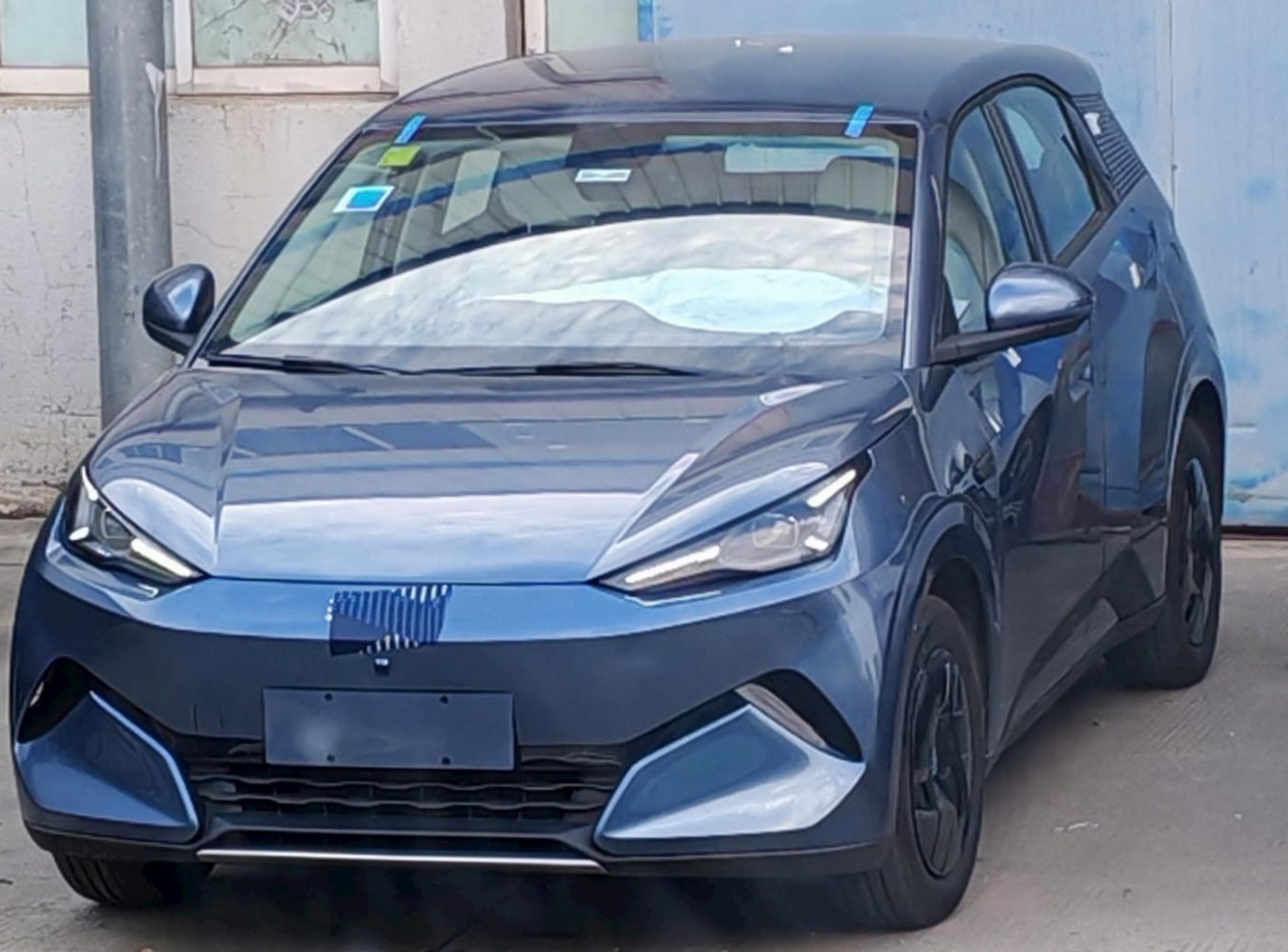
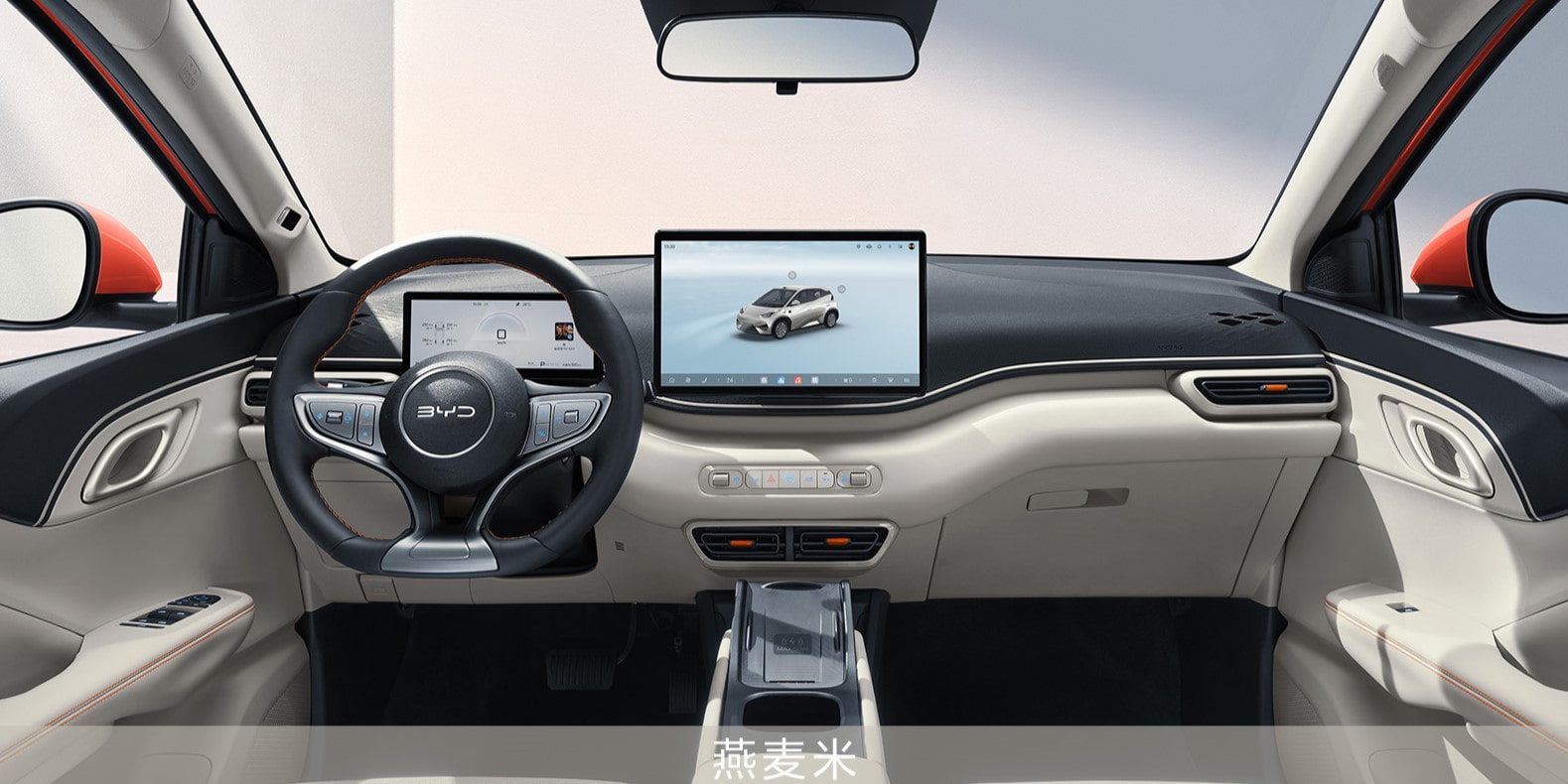
Shortly after the MIIT leak, automotive media outlets like Autohome published spy shots of the Great Seagull completely undisguised during public testing. Around the same time, interior glimpses leaked online, showcasing a redesigned cabin layout, a larger central infotainment screen, a streamlined center console, and a contemporary two-spoke steering wheel.
Late August 2026: Official Debut at the Chengdu Auto Show
The vehicle made waves at the Chengdu Auto Show, where Zhou officially confirmed the "Great Seagull" nameplate. Executives announced that the vehicle is on track to hit the Chinese market by the end of 2026, with international expansion heavily implied for subsequent quarters.
Supporting Data and Market Performance
To understand why BYD is expanding the Seagull lineup, one must look at the unprecedented global demand for the original vehicle.
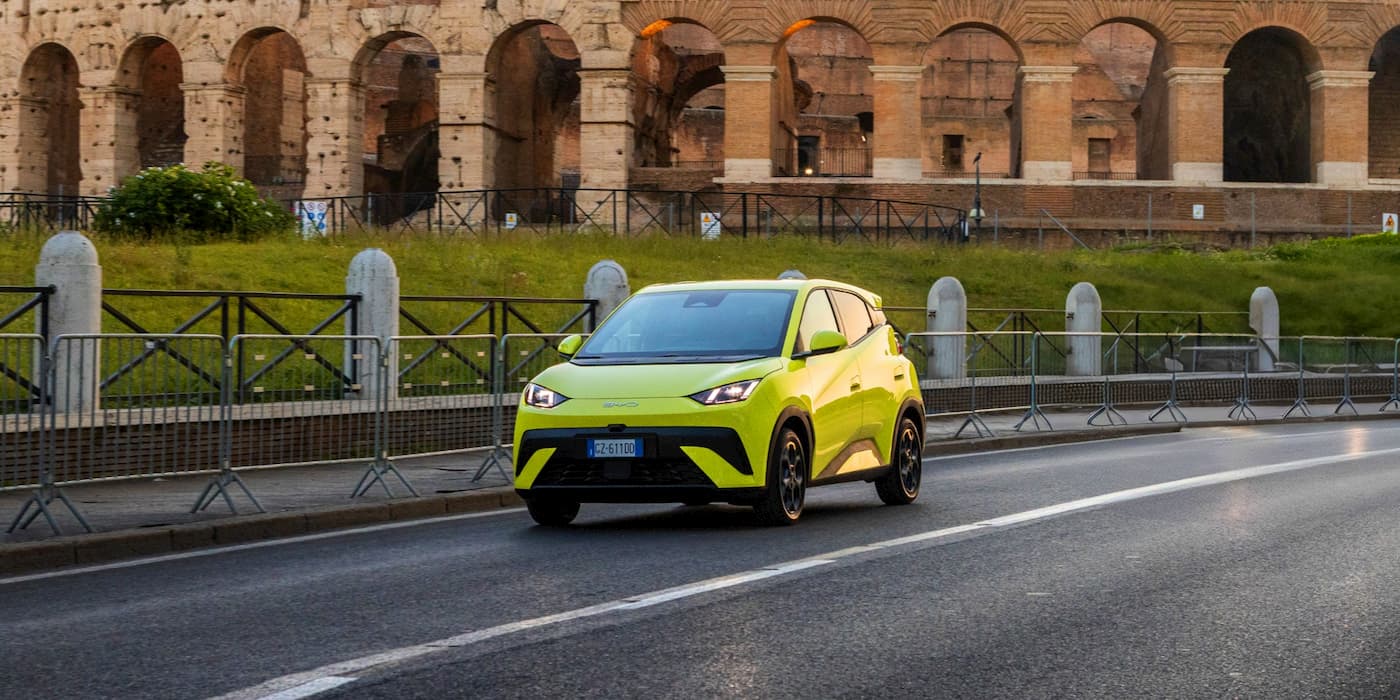
According to data compiled by CleanTechnica, the BYD Seagull (sold internationally as the Dolphin Mini and Dolphin Surf) secured its place as the sixth-best-selling electric vehicle globally in the first half of 2026, racking up over 27,500 sales in the month of June alone. Its combination of modern styling, dependable LFP battery technology, and an unbelievable starting price of roughly $10,000 has made it a benchmark for affordable urban mobility.
Comparative Specifications Breakdown
| Metric | Standard BYD Seagull (2026) | BYD Great Seagull (Upcoming) |
|---|---|---|
| Length | 3,780 mm | 4,205 mm |
| Width | Standard City Car Width | 1,810 mm |
| Height | Standard City Car Height | 1,570 mm |
| Wheelbase | Shorter Urban Wheelbase | 2,650 mm |
| Motor Output | 55 kW (75 hp) | 95 kW (127 hp) |
| Battery Options | 30.08 kWh / 38.88 kWh | Expected Blade Battery 2.0 |
| CLTC Range | 305 km – 405 km | Anticipated Extended Range |
| Base Price (China) | ~69,900 yuan (~$10,000 USD) | Slightly higher than base model |
In European markets, where the current Dolphin Surf starts at approximately €22,900 ($26,500 USD), the Great Seagull is expected to position itself comfortably under the €30,000 ($35,000 USD) threshold. This strategic pricing allows it to undercut legacy European hatchbacks while offering superior technology.
Official Responses and Strategic Vision
BYD executives have maintained a disciplined yet confident rollout strategy regarding the Ocean series. By leaning into consumer feedback, the company recognized that while urban dwellers loved the ultra-compact nature of the original Seagull, families and commuters requiring frequent highway travel desired a slightly larger cabin, increased cargo space, and more passing power.
The adoption of the "Great" moniker—previously reserved for flagship nameplates like the Great Tang and Great Han—signals that BYD views this vehicle not merely as a budget runabout, but as a core pillar of its volume strategy.
Furthermore, the inclusion of a roof-mounted LiDAR sensor points to a broader corporate goal: democratizing advanced driver-assistance systems (ADAS). While budget EVs have historically skimped on active safety hardware to maintain low profit margins, BYD is leveraging its massive supply chain vertical integration to make LiDAR standard or optional on lower-tier segments, putting pressure on competitors to follow suit.
Global Implications and Competitive Landscape
The arrival of the Great Seagull carries significant implications for the global automotive industry, particularly for legacy automakers in Europe, North America, and other key export regions.
1. Pressure on Western and Asian Competitors
As BYD prepares to take the Great Seagull international—likely rebranding it as a larger variant of the Dolphin Surf or Dolphin Mini—it enters direct combat with established hatchback segments. In Europe, it will find itself squaring off against heavyweights like the newly launched Volkswagen ID.3 Neo and the Renault Megane E-Tech.

With European buyers grappling with cost-of-living pressures and high inflation, a well-equipped, technologically advanced electric hatch priced well below €30,000 could prove irresistible. Traditional European automakers, many of which have struggled to profitably manufacture sub-€25,000 EVs, face an uphill battle maintaining market share against BYD’s cost efficiencies.
2. Redefining Expectations for Affordable EVs
For years, the narrative surrounding affordable electric vehicles was one of compromise: smaller batteries, sluggish acceleration, sparse interiors, and bare-bones safety features. The Great Seagull shatters this paradigm. By offering a 127 hp motor, a spacious 2,650 mm wheelbase, a high-tech cabin with a massive infotainment screen, and LiDAR-based safety systems at an accessible price point, BYD is fundamentally shifting consumer expectations.
3. Supply Chain Dominance and Next-Gen Tech Integration
The rumored inclusion of BYD’s Blade Battery 2.0 and Flash Charging technology showcases the company’s relentless pace of innovation. By iterating rapidly on its battery chemistry and charging speeds, BYD mitigates range anxiety and long charging times—two of the primary hurdles holding back mass EV adoption in urban and suburban environments.
Looking Ahead
As the end of 2026 approaches, anticipation for the official commercial launch of the Great Seagull continues to mount. While final pricing, official battery capacities, and precise international rollout dates remain under wraps, industry watchers expect a steady stream of announcements from BYD in the coming weeks.

If the original Seagull proved that affordable EVs could capture the global imagination, the Great Seagull is poised to prove that budget-friendly electric mobility no longer requires sacrificing space, power, or cutting-edge technology. Competitors take notice: the electric vehicle race is accelerating, and BYD is setting a blistering pace.
