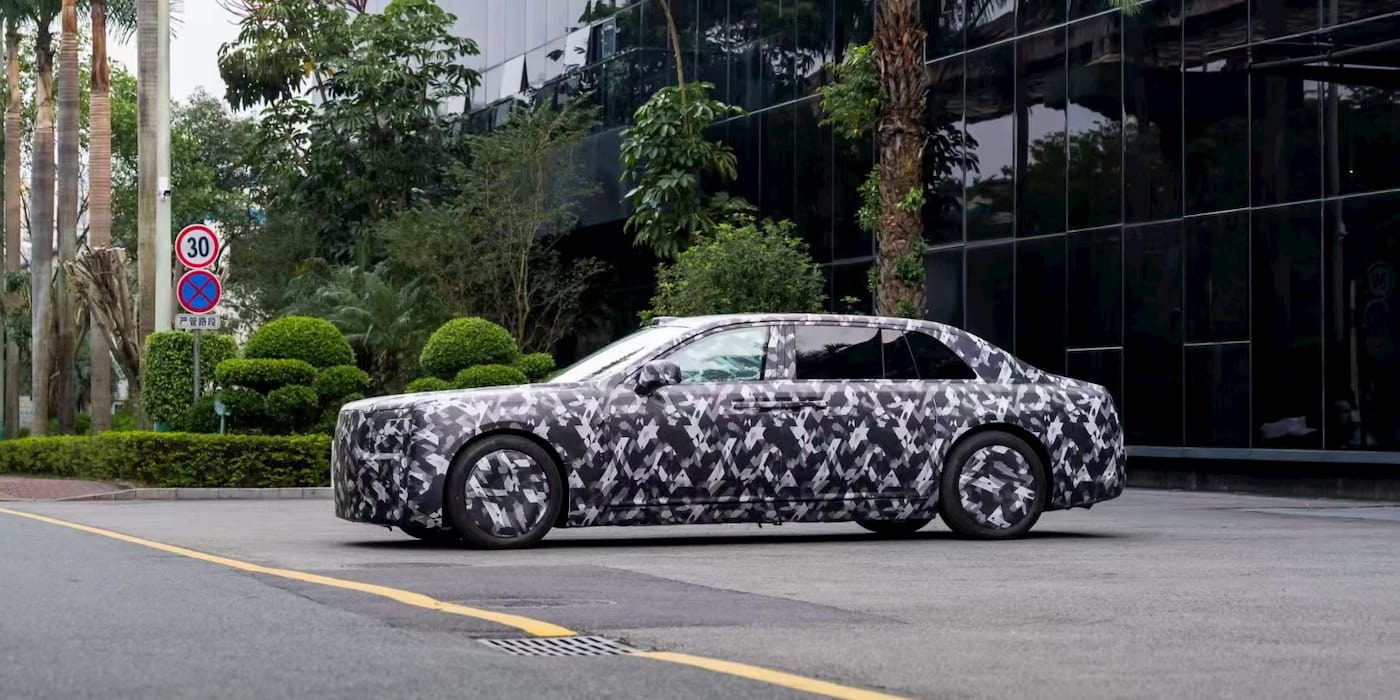
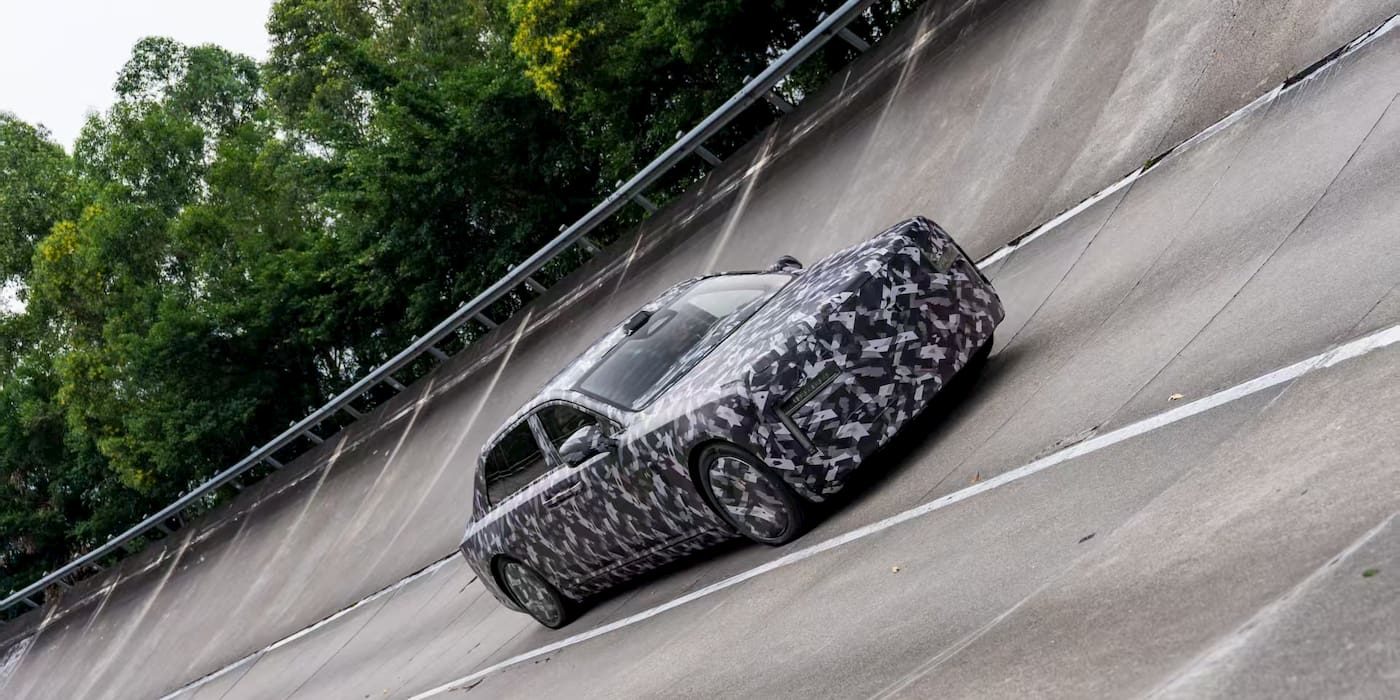
SHENZHEN, CHINA — In a bold challenge to legacy ultra-luxury automakers, Chinese electric vehicle (EV) titan BYD is preparing to pull back the curtain on its most ambitious vehicle to date. Codenamed internally as “HU,” an upcoming flagship executive sedan under BYD’s ultra-luxury sub-brand, Yangwang, is generating global industry shockwaves. According to local automotive reports and statements from corporate executives, this monumental machine is slated to be the very first production electric vehicle to feature BYD’s proprietary solid-state battery technology.
Designed to compete directly with elite stalwarts like the Rolls-Royce Phantom and the Mercedes-Benz Maybach S-Class, the upcoming Yangwang flagship represents a major leap forward in both automotive luxury and powertrain engineering. With an estimated price tag exceeding 2 million yuan (nearly $300,000 USD), the vehicle is expected to make its official public debut in October, positioning itself far above the brand’s current luxury sedan offering, the Yangwang U7.
Main Facts: The Anatomy of an Electric Titan
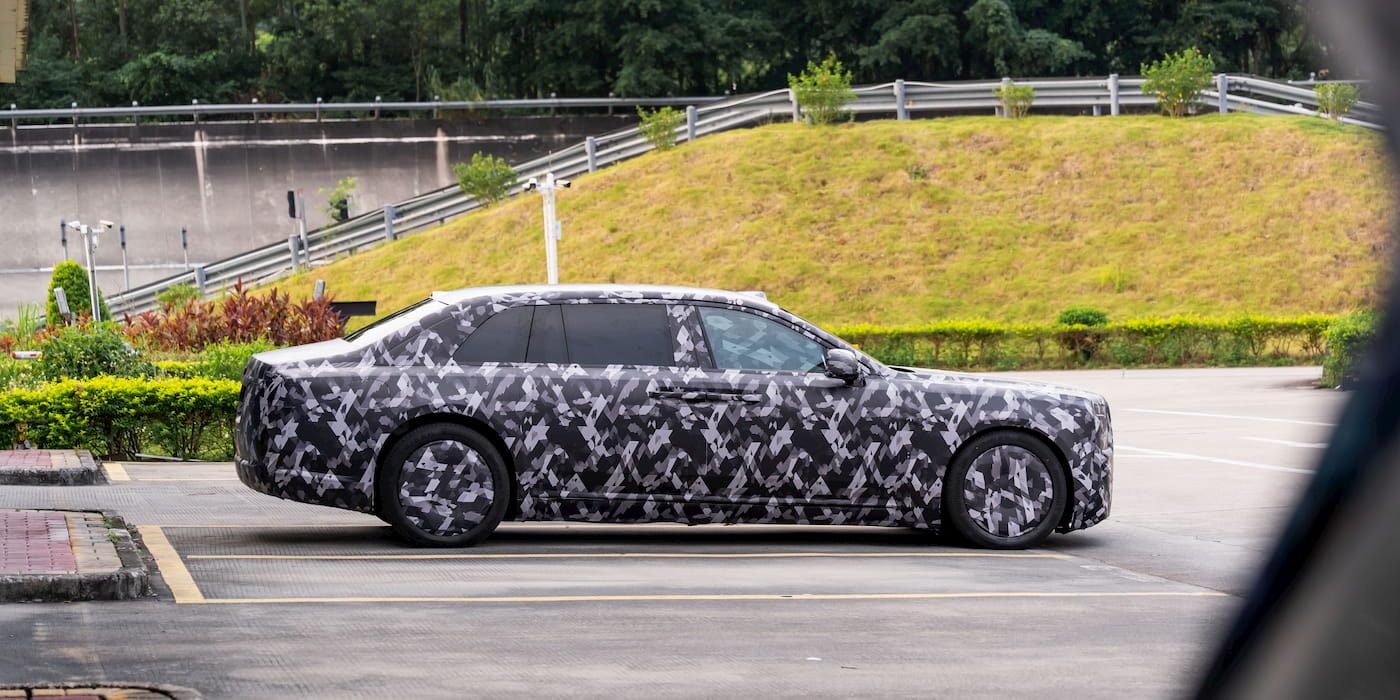
The forthcoming flagship sedan is a masterclass in scale, engineering ambition, and disruptive technology. Measuring roughly 5.5 meters (18 feet) in length, the vehicle matches the imposing footprint of the world’s most prestigious executive limousines.
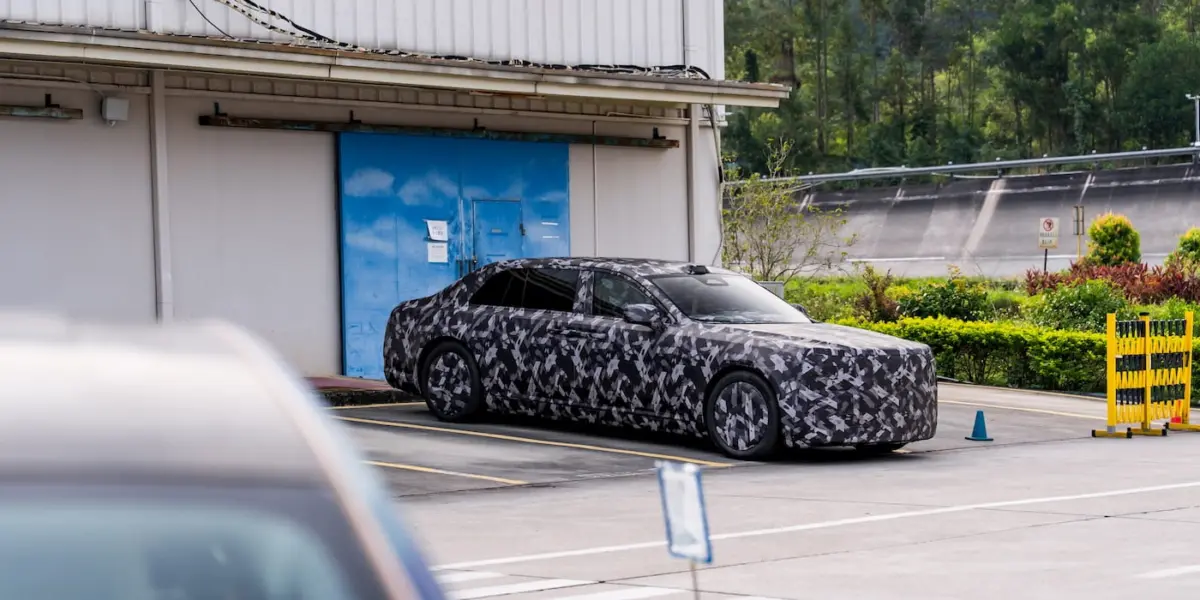
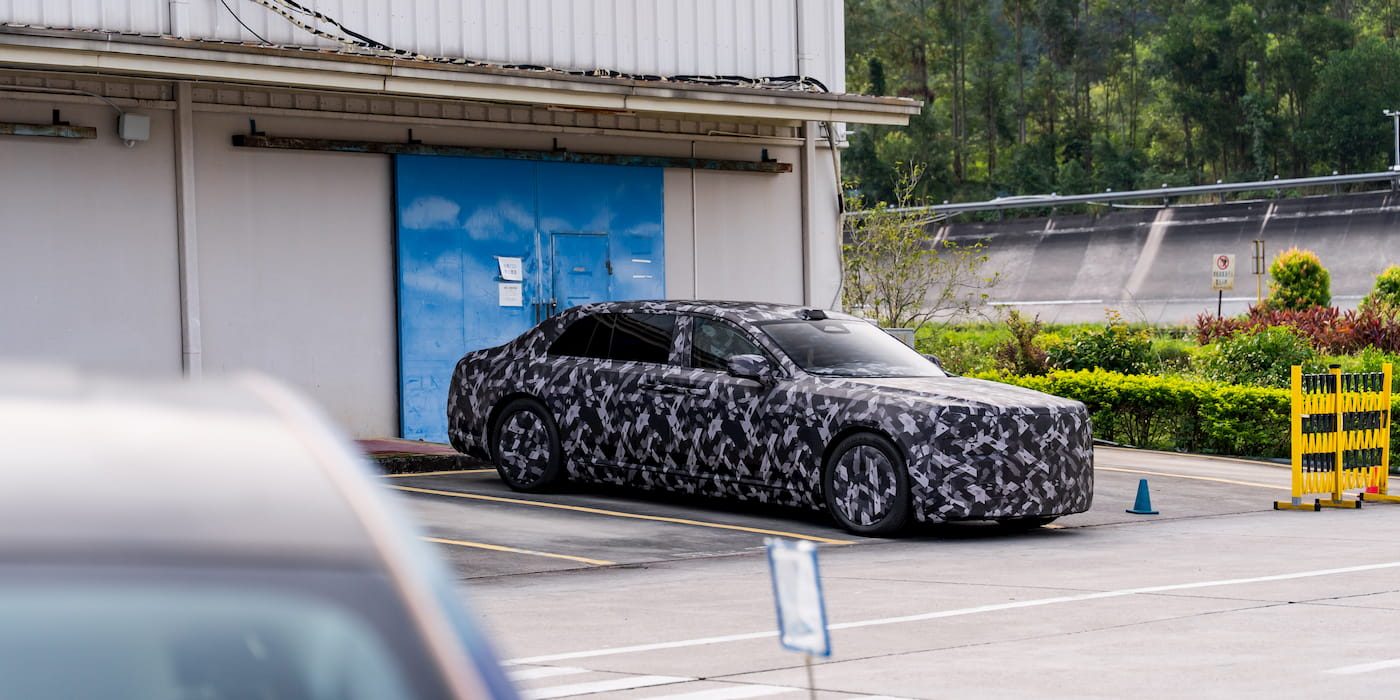
Newly surfaced prototype images reveal a striking, commanding design aesthetic bearing a notable resemblance to the Rolls-Royce Phantom, highlighted by BYD’s first-ever implementation of rear-hinged coach doors—commonly referred to in the luxury sphere as "suicide doors."
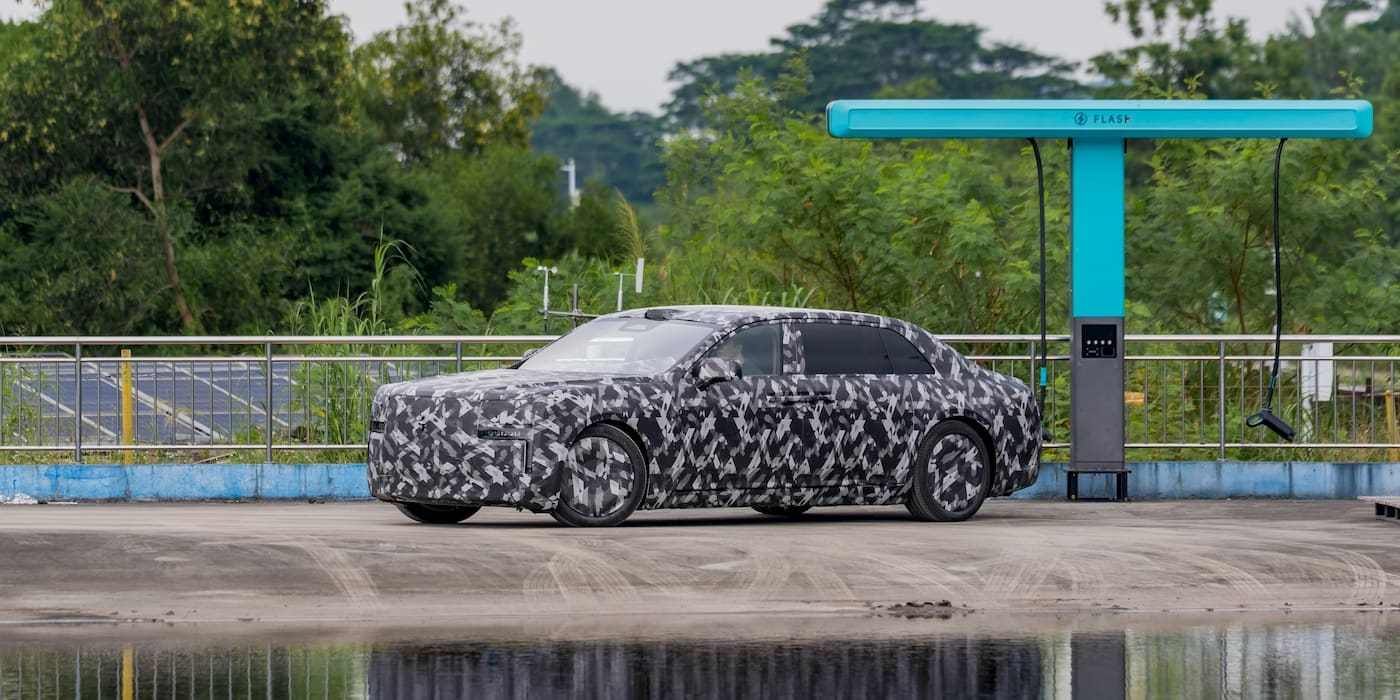
Underneath its opulent exterior lies a powerhouse of next-generation automotive technology. Industry insiders and reports from China’s Autohome indicate that the sedan will serve as the commercial launchpad for BYD’s sulfide-based all-solid-state batteries, a holy grail for modern EV chemistry. Furthermore, the vehicle is expected to utilize BYD’s advanced quad-motor e4 platform, pushing combined output well past the 1,000-horsepower threshold. Photographic evidence also places the prototype at one of BYD’s proprietary Flash Charging stations, strongly hinting at support for megawatt-level ultra-fast charging capabilities.
Chronology: From Concept to Commercialization
The journey toward BYD’s solid-state luxury flagship has been years in the making, underpinned by aggressive research, development, and strategic positioning:
2023–2025 (The Foundation): BYD launches its ultra-luxury Yangwang brand, utilizing extreme vehicles like the U8 off-road SUV and the U9 electric hypercar to showcase breakthrough innovations. Technologies such as the quad-motor e4 platform, second-generation Blade Batteries, and the Disus Intelligent Body Control System are successfully commercialized and proven in the market.
Early 2025: BYD introduces the Yangwang U7 luxury EV sedan, establishing a strong foothold in the high-end market with a starting price of 658,000 yuan ($98,000).
September 2026 (The Teaser Phase): Yangwang’s General Manager, Hu Xiaoqing, alongside Executive General Manager Zheng Yu, utilizes social media platform Weibo to share early teaser images of the brand’s secret 5.5-meter flagship sedan, internally codenamed “HU.” Reports emerge connecting the vehicle to BYD’s impending solid-state battery rollout.
Early September 2026: BYD Executive Vice President Stella Li confirms in an exclusive interview with Carwow.es that the company holds a leading position in solid-state battery development, announcing that its first commercial solid-state vehicle will debut in 2027.
October 2026 (Upcoming): Chinese automotive media outlets anticipate the official public debut of the Yangwang executive flagship sedan, where further technical specifications and pricing structures are expected to be unveiled.
2027 (The Commercial Milestone): FinDreams, BYD’s battery manufacturing subsidiary, is scheduled to begin limited-batch production of sulfide-based all-solid-state batteries, with high-end variants of the Yangwang flagship expected to be among the first beneficiaries.
2030 (Mass Production Scale): BYD targets full-scale mass production for its solid-state battery technology, signaling a broad transition away from liquid-electrolyte cells across its premium lineups.
Supporting Data: Specifications and Market Positioning
To understand the sheer magnitude of the Yangwang executive sedan, one must examine the metrics surrounding its development, manufacturing roadmap, and market pricing:
Vehicle Length: Approximately 5.5 meters, aligning it directly with ultra-luxury benchmarks like the Mercedes-Benz Maybach S-Class and Rolls-Royce Phantom.
Development Cycle: Three years of meticulous engineering and design work by the Yangwang development team.
Powertrain Architecture: Expected to leverage the quad-motor e4 platform, delivering independent wheel torque vectoring and a combined output exceeding 1,000 horsepower.
Battery Technology Timeline:
2027: Limited-batch production initiation for sulfide-based all-solid-state batteries by FinDreams.
2030: Transition to full-scale commercial mass production.
Pricing Estimates:
Yangwang U7 (Current Luxury Sedan): Starts at 658,000 yuan ($98,000).
Upcoming Flagship Executive Sedan ("HU"): Estimated to exceed 2 million yuan (nearly $300,000 USD), placing it firmly in ultra-luxury territory.
Official Responses: What the Executives Are Saying
Leadership within BYD and its ultra-luxury division have been transparent about the significance of the upcoming vehicle and the company’s commanding position in the global battery race.
Zheng Yu, Executive General Manager of Yangwang, noted that the flagship sedan is the culmination of three years of rigorous design and engineering, built to feature "unprecedented disruptive technology." While keeping specific performance metrics under wraps during the initial teaser phase, Yu emphasized that the vehicle represents the pinnacle of the brand’s executive design language.
Hu Xiaoqing, General Manager of Yangwang, shared initial glimpses of the prototype on Weibo, confirming that while the commercial moniker is still being finalized, the vehicle internally designated as "HU" will push the brand far deeper into the elite automotive segment.
Addressing the broader technological leap, BYD Executive Vice President Stella Li offered definitive remarks during her interview with Carwow.es. Li asserted that BYD is currently "in the leading position" regarding solid-state battery technology and its impending commercialization.
"We will prove it with our first vehicle equipped with solid-state batteries set to debut in 2027," Li stated.
She further highlighted the strength of BYD’s internal R&D apparatus, noting that teams are simultaneously optimizing chemical compositions, manufacturing methodologies, and specialized equipment required for scalable production. FinDreams, BYD’s battery manufacturing arm, is overseeing this roadmap, aiming for small-batch manufacturing by 2027 before scaling toward a 2030 mass-market paradigm.
Implications: A Paradigm Shift for the Global Auto Industry
The arrival of BYD’s ultra-luxury Yangwang sedan carries profound implications for both the Chinese domestic automotive market and legacy Western luxury brands.
1. The Holy Grail of EV Safety and Range
For years, the automotive industry has viewed solid-state batteries as the ultimate frontier for electric mobility. By replacing liquid or gel electrolytes with solid materials, these batteries promise drastically reduced fire risks, higher energy density, faster charging times, and superior performance across extreme temperature ranges. If BYD successfully integrates solid-state technology into a production vehicle by 2027, it will effectively leapfrog competitors who have historically dominated the ultra-luxury segment with internal combustion engines.
2. Disruption of Western Luxury Hegemony
Brands like Rolls-Royce, Bentley, and Mercedes-Maybach have long relied on heritage, bespoke craftsmanship, and twelve-cylinder internal combustion engines to justify price tags eclipsing the quarter-million-dollar mark. By introducing a 5.5-meter executive sedan equipped with coach doors, a 1,000-horsepower quad-motor setup, and cutting-edge solid-state power at a 2-million-yuan price point, BYD is signaling that Chinese automakers can not only match Western luxury in terms of comfort and presence but vastly outperform them in technological innovation.
3. Tiered Battery Strategies
While the highest-tier variants of the Yangwang flagship are expected to pioneer solid-state technology, entry-level or secondary trims may continue to utilize BYD’s latest iterations of Blade LFP (Lithium Iron Phosphate) batteries. This tiered approach allows BYD to de-risk its supply chain while offering consumers a clear, performance-based upgrade path, ensuring that cutting-edge innovations are commercialized efficiently without bottlenecking overall vehicle production volumes.
As the automotive world awaits the official October debut of BYD’s flagship executive sedan, one thing is abundantly clear: the battle for the soul of ultra-luxury motoring has officially gone electric, and the front line is moving faster than ever.