

By Dan Zukowski
Published August 17, 2026
Introduction and Main Facts
The ambitious and monumental California high-speed rail initiative is barreling toward a severe financial precipice. According to a scathing, highly critical July 31 report released by the Office of the Inspector General (OIG) for the High-Speed Rail Authority, the state agency steering the project could completely run out of operating and construction capital by December 2027.
At the heart of the crisis is a fundamental timing mismatch: a promised influx of $1 billion annually over the next two decades from California’s cap-and-invest program will simply not materialize fast enough to keep active construction contracts and engineering timelines on track.
To bridge this massive liquidity gap, the rail authority has proposed borrowing against these future cap-and-invest revenues. This financial maneuvering mirrors the strategies used by other major transit systems—such as New York’s newly implemented congestion pricing model—which empowers transit authorities to issue municipal bonds backed by guaranteed, long-term revenue streams.
However, implementing this mechanism in California is far from straightforward. The OIG report emphasizes that for this borrowing strategy to become viable, the California Attorney General must officially approve the authority’s legal eligibility to utilize revenue bonds. Furthermore, the state legislature must pass stringent, protective laws guaranteeing that future political shifts cannot reduce or redirect cap-and-invest revenues.
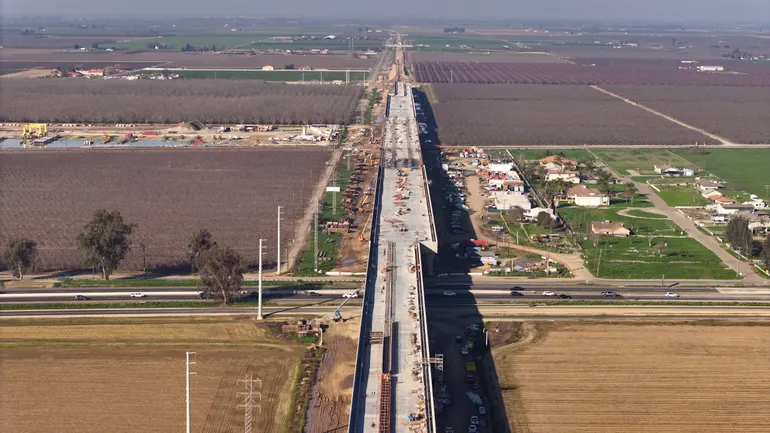
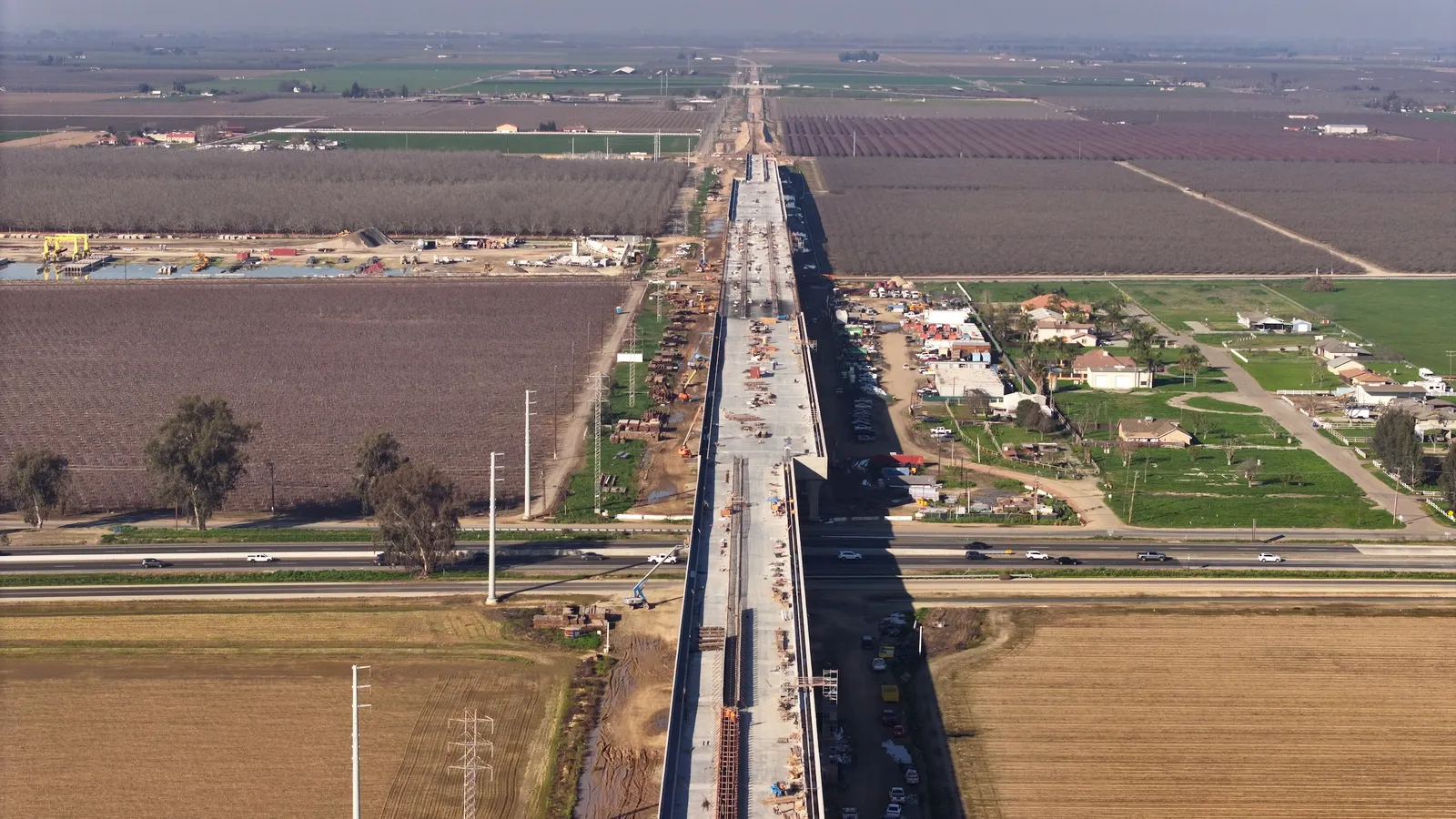
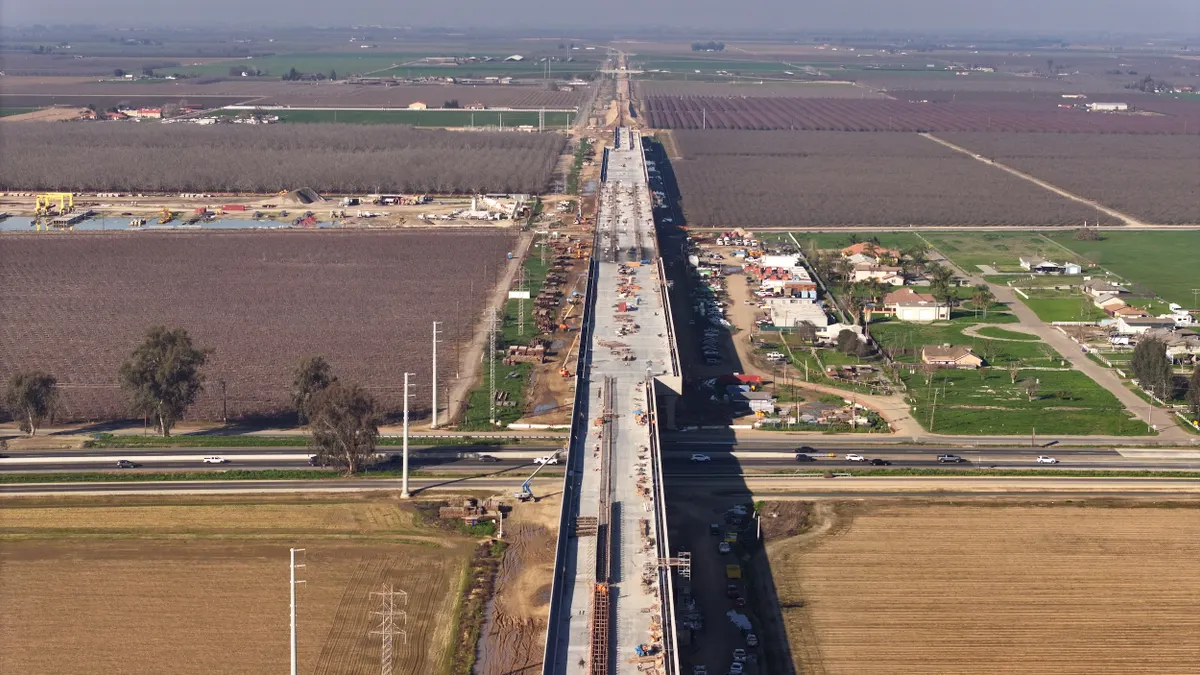
Without these critical legal and legislative safeguards, the state’s high-speed rail dream—symbolized by massive engineering marvels like the 6,330-foot Hanford Viaduct in Kings County—risks stalling out indefinitely, threatening billions in prior investments and undermining the future of green transportation in the American West.
Chronology of Events
To understand how California’s flagship infrastructure project arrived at this precarious juncture, it is vital to examine the timeline of key policy decisions, funding allocations, and escalating oversight warnings leading up to the current crisis:
- June 2026: The California High-Speed Rail Authority formally releases its 2026 Business Plan, projecting a resilient path forward predicated on future bond leveraging, private sector partnerships, and anticipated federal grants.
- June 24, 2026: The authority announces a major co-development agreement with a global consortium of infrastructure, high-speed rail, and investment firms, hoping to lure private capital to offset state funding shortages.
- July 31, 2026: The Office of the Inspector General (OIG) publishes a comprehensive review of the 2026 Business Plan, warning that the authority’s fiscal assumptions are overly optimistic and that cash reserves could dry up as early as December 2027.
- August 17, 2026: Public scrutiny intensifies as industry analysts highlight the compounding pressures of federal grant cancellations, legislative hurdles, and deep cuts to national passenger rail funding.
- Looking Ahead (December 2027): The critical insolvency deadline projected by the OIG, by which time the authority must secure bonded financing or face a total cessation of construction activities.
Supporting Data and Financial Analysis
The financial discrepancies highlighted in the OIG report underscore a profound chasm between the rail authority’s official projections and independent fiscal assessments. At the center of the debate is the cost of borrowing against the state’s cap-and-invest revenues through 2046.
Disputed Borrowing Costs
In its 2026 Business Plan, the High-Speed Rail Authority estimates that interest costs associated with borrowing against future cap-and-invest funds will reach approximately $3.6 billion. However, the OIG’s independent analysis paints a far bleaker picture, projecting that these interest expenses could skyrocket as high as $6.6 billion depending on market conditions, bond yields, and legislative stability.
When queried about this stark discrepancy, representatives for the authority defended their accounting in an email statement, noting that they deliberately chose not to include "speculative interest costs or inappropriately combine interest costs in the capital estimate." According to the agency, such figures are heavily dependent on unpredictable future policy choices and market variables best left out of baseline capital projections.

Private Capital and Associated Risks
Recognizing the limitations of public coffers, the project has increasingly turned to private investors. Earlier in the year, the authority forged a strategic co-development partnership with a global consortium of infrastructure and investment firms designed to attract private capital.
Financial analysts point out, however, that private financing is inherently more expensive than internal state loans or traditional municipal revenue bonds. Attracting private equity into a politically volatile, long-term mega-project typically demands higher interest rates and guaranteed returns on investment, which could further strain the project’s already overextended balance sheet.
Federal Funding Realities
For years, the authority’s long-term financial models relied heavily on the assumption that substantial federal grants would materialize. Yet, the political landscape in Washington has shifted dramatically. Under the Trump administration, the Federal Railroad Administration—led by Transportation Secretary Sean Duffy—dealt a devastating blow to the project by terminating roughly $4 billion in unspent federal funds previously awarded to the California initiative.
Compounding these federal headwinds, negotiations for the upcoming multi-year surface transportation reauthorization remain deadlocked. A temporary stopgap measure stretching through December 11 has introduced severe austerity to the sector, slashing passenger rail funding by an alarming 83% compared to historical levels, according to data from the American Public Transportation Association (APTA).
Official Responses and Stakeholder Positions
As pressure mounts from watchdog agencies and federal bodies, key stakeholders have articulated distinct strategies and defense mechanisms regarding the project’s viability.

The Office of the Inspector General (OIG)
The OIG’s evaluation is unsparing in its critique of the authority’s internal planning culture. The watchdog agency noted that the authority “continues to assume legislative changes to improve the conditions of the project will occur almost immediately” and routinely relies on “overly optimistic assumptions” regarding legal approvals and market receptivity. The OIG maintains that without immediate, tangible legislative intervention—such as ironclad statutory protections for cap-and-invest revenue streams—any reliance on borrowing against those funds is a high-stakes gamble that could endanger the state’s credit rating and fiscal stability.
The High-Speed Rail Authority
In response to the mounting criticism, the High-Speed Rail Authority has defended its forward-looking strategy while acknowledging the steep hurdles ahead. In an official emailed statement, agency representatives emphasized their ongoing communication with state lawmakers and industry partners:
“The authority continues to engage with stakeholders and pursue funding opportunities, and it intends to address financing risks and schedule considerations in the [upcoming] 2027 Project Update Report as informed by ongoing legislative and policy discussions.”
Agency leadership maintains that the transition toward private-public partnerships and the methodical structuring of revenue bonds remain viable paths forward, provided that state leaders demonstrate unwavering political and legislative commitment to the initiative.
Broader Implications for Urban Infrastructure and High-Speed Rail
The fiscal crisis gripping the California High-Speed Rail project carries profound implications that extend far beyond the borders of the Golden State. As the nation’s most ambitious passenger rail undertaking, its success or failure serves as a crucial litmus test for the future of large-scale infrastructure development in the United States.
The Viability of Cap-and-Invest Mechanisms
California’s cap-and-invest program—designed to curb greenhouse gas emissions by requiring polluters to purchase carbon allowances—has long been viewed as an innovative funding engine for green public works. However, the current standoff exposes the vulnerability of tying capital-intensive, multi-decade construction projects to volatile regulatory revenues. If the state legislature fails to pass laws insulating these funds from future political tampering, it could deter other states from attempting similar revenue-pledging models for mass transit and climate resilience projects.
Lessons for Public-Private Partnerships (P3s)
The growing reliance on global infrastructure consortia and private equity highlights a broader trend in American civil engineering: the privatization of public mega-projects. While private capital can inject much-needed liquidity into stalled developments, the higher cost of borrowing and the demand for profit margins introduce complex public policy questions. Observers note that if California is forced to rely heavily on private investors to rescue the high-speed rail line, the long-term public benefit could be offset by steep financial obligations and profit-sharing agreements.
A Critical Crossroads for U.S. Passenger Rail
At a time when the federal government is drastically curtailing passenger rail support—evidenced by the cancellation of $4 billion in grants and an 83% funding reduction in stopgap transportation bills—state-level mega-projects like California’s are effectively left to navigate fiscal storms on their own.
As December 2027 rapidly approaches, all eyes remain fixed on Sacramento. Whether the state legislature, the Attorney General, and the High-Speed Rail Authority can forge a cohesive legislative rescue package will determine whether the nation’s premier high-speed rail corridor becomes a triumph of modern engineering or a cautionary tale of fiscal overreach.
