


In partnership with American Standard Heating and Air Conditioning
Modern residential construction has made unprecedented strides in energy efficiency, utilizing advanced building techniques, tighter seals, and superior insulation to minimize thermal loss. For homeowners, these tight builds translate directly into lower monthly utility bills, better thermal retention, and a reduced carbon footprint.
However, this relentless pursuit of energy conservation has created an unintended side effect. By sealing homes so tightly to lock in conditioned air, we have also locked in airborne contaminants. The contemporary home is essentially a closed loop, meaning that every pollutant generated inside—from household cleaners to cooking fumes—remains trapped indoors unless actively managed. As a result, indoor air quality (IAQ) has rapidly shifted from a secondary home maintenance topic to a front-and-center priority for health and wellness.
To navigate this evolving landscape, industry experts are looking closely at how HVAC systems can do double-duty: controlling the temperature while actively scrubbing the air. We recently sat down with specialists at American Standard Heating and Air Conditioning to examine how comfort and indoor air quality intersect, and how whole-home filtration solutions—such as the American Standard AccuClean Whole-Home Air Cleaner—can serve as the missing link for modern residential comfort.
Main Facts: The Evolution of Residential Sealing and Pollution
The primary catalyst for the modern IAQ conversation is the building envelope. Historically, homes were "leaky," meaning outside air naturally infiltrated the living space through gaps around windows, doors, and unsealed attic spaces. While this caused heating and cooling systems to work overtime, it also provided continuous natural ventilation, flushing out stale air and indoor pollutants automatically.

Today’s tightly sealed homes eliminate that random draftiness, drastically improving thermal efficiency. But without a dedicated mechanical ventilation strategy, the air inside these structures can quickly degrade. According to environmental health data, indoor air can frequently be two to five times—and occasionally up to 100 times—more polluted than outdoor air.
Common indoor pollutants include:
- Biological irritants: Dust mites, pet hair and dander, mold spores, and mildew.
- Combustion byproducts: Tobacco smoke, cooking grease, and particulate matter from gas stoves.
- Chemical emissions: Volatile organic compounds (VOCs) emitted by paints, newly installed carpets, furniture adhesives, and household cleaning products.
- Infiltrating allergens: Pollen, industrial pollutants, and vehicle exhaust tracked indoors via clothing, open doors, and family pets.
Chronology: How HVAC Systems Shifted from Temperature Control to Total Air Management
The development of residential climate control has moved through distinct eras, shifting focus as building science and human health priorities evolved.
Era 1: Raw Temperature Control (Mid-20th Century)
In the early days of residential central heating and air conditioning, systems were straightforward. They operated on a binary principle: turn on when the thermostat reads too hot or too cold, blast conditioned air until the target is met, and turn off completely. Air quality was rarely factored into the equation beyond a basic, low-density mesh filter designed strictly to keep large debris from destroying the blower motor.
Era 2: The Energy-Efficiency Boom (Late 20th Century to 2000s)
As energy crises hit and environmental regulations tightened, building codes began requiring higher R-values for insulation and tighter thermal envelopes. While energy bills dropped, doctors and indoor air quality researchers began documenting a rise in unexplained respiratory issues, dubbed "Sick Building Syndrome." Homeowners realized that stopping air drafts meant trapping microscopic irritants inside their living spaces.
Era 3: The Holistic IAQ Integration (Present Day)
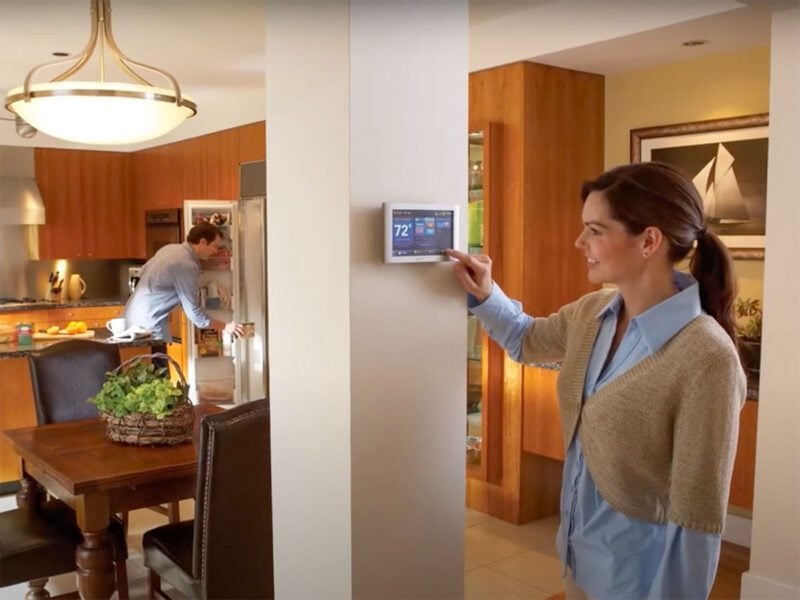
Today, leading HVAC manufacturers recognize that temperature is only one component of human comfort. Modern systems integrate multi-stage variable-speed compressors, whole-home energy recovery ventilators (ERVs), and hospital-grade electronic air cleaners. The objective has shifted from simply heating and cooling a volume of air to engineering a complete, breathable indoor ecosystem.
Supporting Data: Understanding the Balance of Indoor Comfort
Maintaining a truly comfortable indoor environment requires balancing four distinct pillars: temperature, humidity, airflow, and filtration. When these elements work in unison, the home feels fundamentally different—lighter, cleaner, and easier to breathe.
- Relative Humidity (RH): Indoor humidity should ideally be maintained between 30% and 50%. Too dry, and occupants experience irritated mucous membranes and cracked skin; too humid, and you create an ideal breeding ground for dust mites, bacteria, and mold.
- Airflow Dynamics: Consistent, low-velocity airflow eliminates localized hot and cold spots by continuously mixing the air. Stagnant air allows pollutants to pool in corners and near living areas.
- Ventilation Rates: Mechanical ventilation dilutes indoor contaminant concentrations by replacing stale indoor air with fresh, pre-conditioned outdoor air.
- Filtration Efficiency: High-efficiency particulate arrestance (HEPA) or proprietary whole-home electronic filters capture fine microscopic particles that standard fiberglass filters miss entirely.
When an HVAC system dials in these four metrics, homeowners report feeling significantly more comfortable at identical thermostat settings, proving that air quality dictates thermal perception just as much as raw temperature does.
Official Responses and Expert Insights: The Three Pillars of Modern IAQ
To combat the accumulation of indoor pollutants, industry leaders like American Standard advocate for a comprehensive, three-tiered HVAC design approach: variable-speed climate units, dedicated whole-home ventilation, and advanced filtration.
1. Building a Foundation with Variable-Speed Technology
Traditional single-speed HVAC systems operate like a light switch—they are either running at 100% capacity or turned completely off. This constant cycling creates temperature swings and leaves long gaps where air sits dormant in the ductwork.
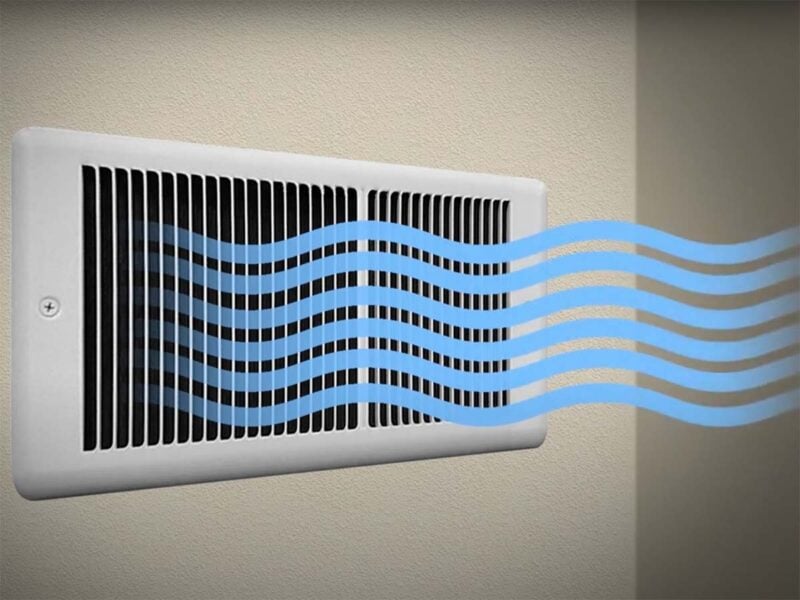
In contrast, variable-speed systems—such as the American Standard AccuComfort Variable Speed Platinum 20 Heat Pump—run continuously at lower, highly efficient speeds, automatically adjusting output to match the precise thermal needs of the home.
"Variable-speed heat pumps maintain tight temperature tolerances because they rarely shut off completely," notes engineering literature from American Standard. "The major bonus is continuous air circulation. By keeping the air moving constantly through the system, dehumidification improves dramatically, and filters have more opportunities to capture dust, allergens, and microscopic particles."
For further reading on smart control integration, check out our review of the Intelligent Upgrade: American Standard Link UX360 Smart Thermostat.
2. Filling a Gap with Whole-Home Ventilation
While variable-speed heat pumps excel at filtration and temperature regulation, they recirculate the air inside the home. They do not inherently introduce fresh oxygen or purge accumulated gaseous pollutants like VOCs and carbon dioxide.
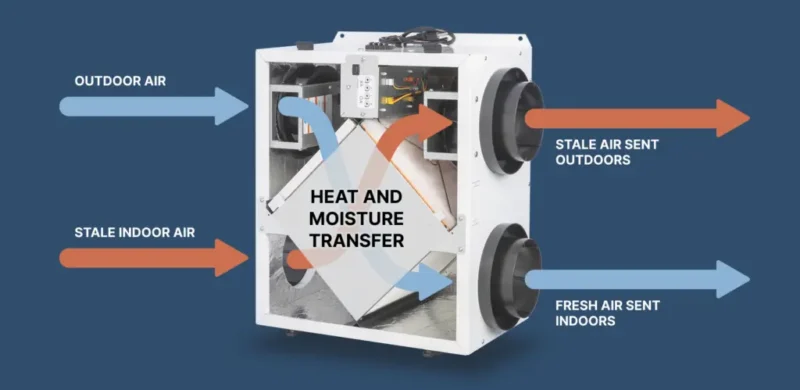
To bridge this gap, modern installations incorporate dedicated ventilation systems, such as American Standard Energy Recovery Ventilators (ERVs). ERVs transfer thermal energy and moisture from incoming fresh air to outgoing stale air, supplying outdoor freshness without overburdening the heating and cooling equipment or spiking energy bills.
3. Completing the System with Advanced Filtration
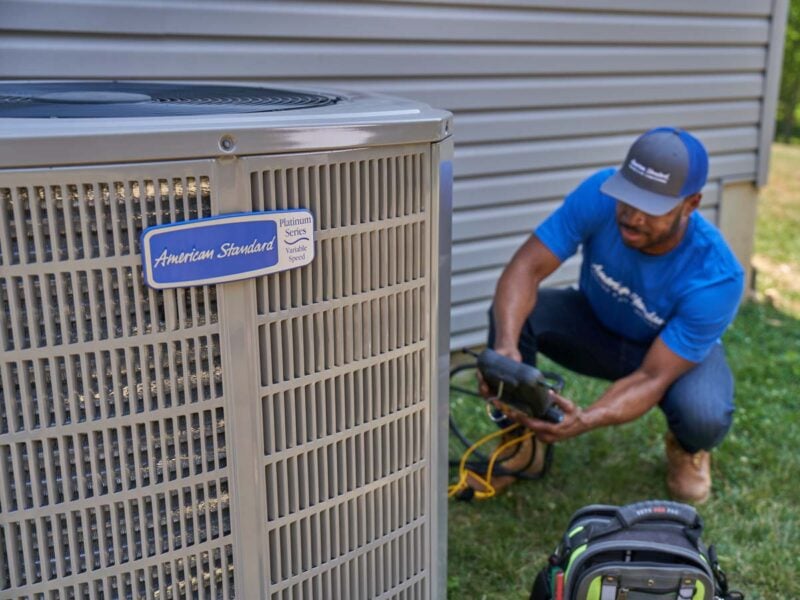
The final line of defense is the filtration media itself. Standard 1-inch fiberglass filters protect the equipment, not your lungs. Upgrading to high-efficiency whole-home air cleaners—such as the AccuClean system—changes the equation entirely.
AccuClean technology boasts up to 100 times more effectiveness than standard 1-inch filters, removing up to 99.8% of airborne particles down to 0.1 microns in size. This includes pollen, pet dander, mold spores, and even certain microscopic bacteria and viruses.
However, maintenance is critical. As filters capture debris, airflow becomes restricted. Homeowners must adhere to a strict replacement or cleaning schedule—typically every 30 to 90 days depending on household occupancy, pets, and local environmental conditions—to ensure peak performance.
Implications: What This Means for Homeowners and the Future of Housing
The shift toward treating indoor air quality as an essential utility carries profound implications for public health, real estate, and residential construction standards.
- Health Outcomes: As chronic respiratory conditions like asthma and allergies continue to rise globally, tightly sealed homes equipped with substandard filtration could become health hazards. Conversely, upgrading to whole-home air purification systems measurably reduces symptom triggers, leading to fewer medical visits and better quality of sleep.
- Home Valuation: Just as energy efficiency ratings (like HERS scores and ENERGY STAR certifications) have become major selling points in real estate, indoor air quality infrastructure is becoming a sought-after amenity. Buyers increasingly look for homes outfitted with advanced HVAC filtration, ERVs, and smart humidity controls.
- Regulatory Shifts: Building codes are slowly catching up to building science. Future iterations of municipal and national building codes may mandate balanced mechanical ventilation in all new residential constructions to prevent indoor pollutant stagnation.
Conclusion: Ready to Optimize Your Home’s Air?
Homeowners no longer need to accept that living in an energy-efficient house means breathing compromised air. By adopting a holistic approach that pairs variable-speed heating and cooling, whole-home ventilation, precision humidity management, and advanced filtration, modern HVAC technology delivers uncompromising comfort and safety.
If you are ready to evaluate your home’s current air profile, consider reaching out to your local American Standard Customer Care Dealer to schedule an indoor air quality assessment and explore solutions tailored to your living space.
Additional Resources
- Leveling Up: How American Standard Heat Pumps Deliver Ultimate Home Comfort
- American Standard Link UX360 Smart Thermostat Review
