

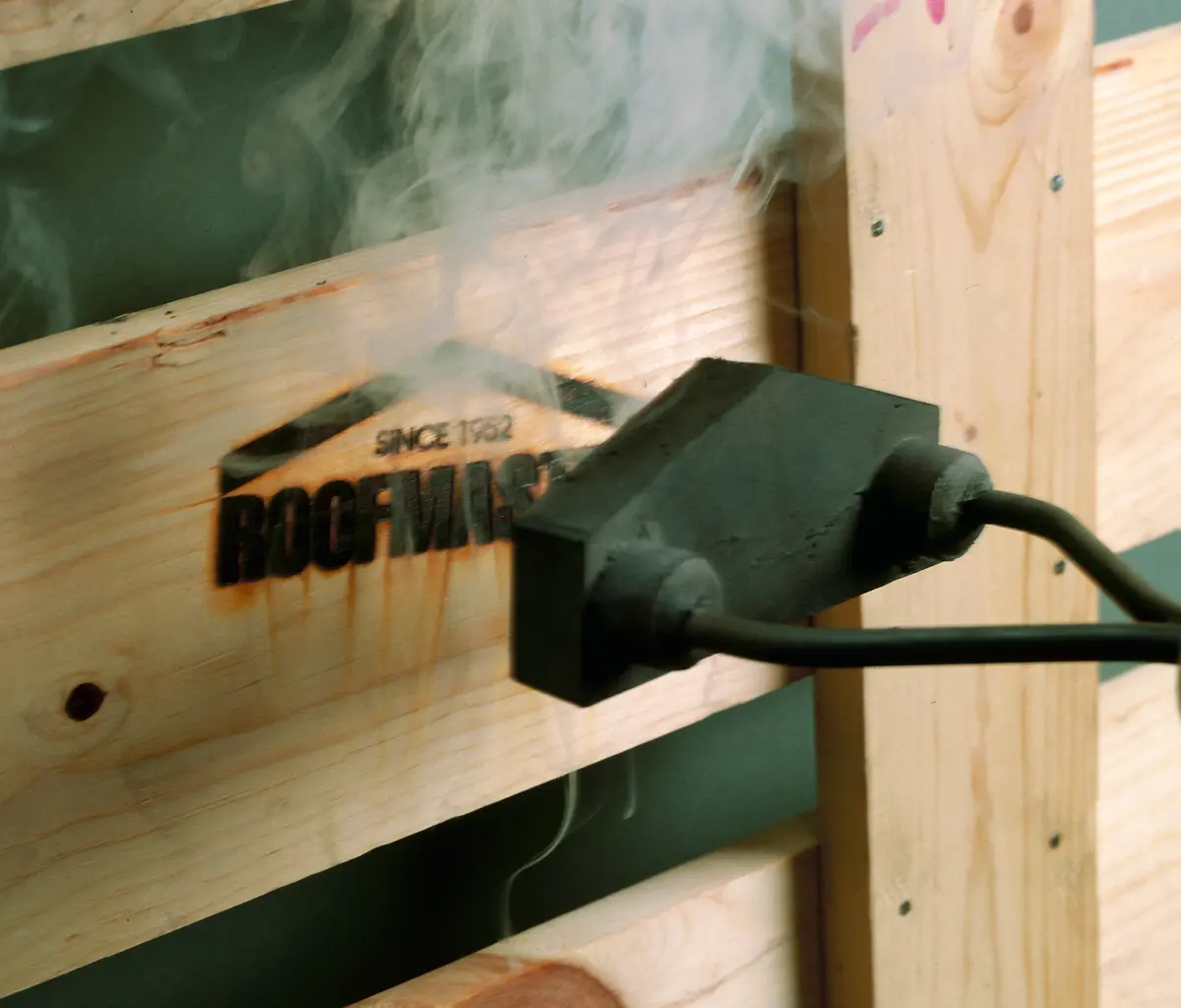
LOS ANGELES, CA — The commercial roofing sector, a critical pillar of the global construction market, is undergoing a profound operational shift. Driven by tightening safety regulations, evolving material sciences, and an urgent industry-wide push for labor efficiency, the supply chain for roofing equipment has reached an unprecedented level of specialization.
A comprehensive analysis of modern inventory portfolios—exemplified by industry benchmark suppliers like Roofmaster Products—reveals a highly complex ecosystem. Where contractors once relied on rudimentary hand tools and basic asphalt kettles, the modern job site now demands a massive array of specialized machinery, highly engineered drainage systems, computerized spraying systems, and sophisticated fall-arrest networks.
This report examines the structural realities of the commercial roofing supply chain, detailing the mechanical innovations, regulatory pressures, and logistical hurdles shaping the industry today.
Main Facts: The Industrial Scale of Modern Roofing Supply
Modern commercial roofing is no longer characterized merely by manual labor; it is a highly mechanized, high-risk engineering discipline. The sheer diversity of products required to execute a single industrial roof installation or tear-off project highlights the immense scale of modern supply operations.
An analysis of current distribution indices reveals several core product categories that define contemporary roofing operations:
- Thermal and Adhesive Application Systems: The transition between traditional hot-asphalt systems and modern single-ply membranes requires suppliers to maintain dual inventories. This includes traditional heavy machinery, such as asphalt kettles, litewall tubing, and kerosene or LP burner parts, alongside advanced single-ply tools like automatic hot-air welders, modified bitumen LP torches, and specialized adhesive rollers.
- Precision On-Deck Machinery: Efficiency on the roof deck is heavily dependent on specialized powered equipment. Contractors utilize heavy-duty roof saws equipped with carbide blades, automated feltslitters, and high-capacity conveyor systems (utilizing specialized FBR and HSDF parts) to transport heavy materials rapidly across vast square footages.
- Advanced Water Management Systems: Roof drainage has evolved from simple downspouts into highly engineered water-flow systems. Modern inventories must accommodate various sump sizes (large, medium, and small cast-iron drains), specialized scuppers, overflow combo-drains, and highly sought-after retrofit drains made of copper, aluminum, and plastic, designed to integrate seamlessly into existing structures during re-roofing.
- Life-Safety and Regulatory Compliance: Under strict regulatory oversight, fall protection has become one of the fastest-growing segments in the roofing supply chain. This includes temporary and permanent roof anchors, fall-arrest harnesses, perimeter warning lines, and personal protection equipment (PPE) tailored specifically for high-heat, high-elevation environments.
Chronology: The Technological Evolution of the Roof Deck
The transformation of the roofing industry over the last half-century is directly reflected in the tools found in a contractor’s warehouse. Understanding this timeline explains why modern distributors must carry thousands of highly distinct SKUs.
[1950s–1970s] Traditional BUR Dominance
  │  Focus: Heavy hot-asphalt kettles, cotton mops, feltlayers.
  ▼
[1980s–1990s] Rise of Single-Ply Membranes (TPO, EPDM)
  │  Focus: Introduction of hot-air welders, silicone rollers, and adhesive sprayers.
  ▼
[2000s–2010s] OSHA Tightens Safety Rules & Environmental Regulations
  │  Focus: Rapid expansion of fall-arrest systems, low-VOC adhesives, and retrofit drainage.
  ▼
[2020s–Present] Automation, Solar Integration, and Labor Efficiency
     Focus: Smart deck systems (CommDeck), specialized foam-filled tires, and high-efficiency spray rigs.
The Era of Coal Tar and Hot Asphalt (1950s–1970s)
For decades, Built-Up Roofing (BUR) was the undisputed standard for flat commercial structures. The process was physically grueling and mechanically straightforward. Supply lines were dominated by heavy steel asphalt kettles, hot asphalt carriers, mop carts, and organic cotton mops. The primary logistical challenge was moving bulk bitumen and keeping it at optimal application temperatures using basic kerosene or LP burner assemblies.
The Single-Ply Revolution (1980s–1990s)
The introduction of single-ply membranes, such as Thermoplastic Polyolefin (TPO) and Ethylene Propylene Diene Monomer (EPDM), fundamentally changed the physics of the roof deck. Instead of relying on molten asphalt as a waterproofing agent, these systems utilized chemically engineered sheets.
This transition required a completely new suite of tools. Handheld and automated hot-air welders replaced the kettle for many applications. Contractors required specialized steel and silicone rollers to seal seams, modified bitumen LP torches for modified systems, and sophisticated adhesive application frames to handle high-bonding glues.
The Regulatory and Safety Surge (2000s–2010s)
As the Occupational Safety and Health Administration (OSHA) increased enforcement of fall protection standards (specifically under Subpart M), safety equipment transitioned from an afterthought to a primary operational expense. Suppliers expanded their lines to include highly engineered fall-arrest systems, mobile roof anchors, perimeter warning flags, and specialized personal protective equipment designed to withstand the harsh thermal conditions of roofing.
The Modern Era of Efficiency and Sustainability (2020s–Present)
Today, the industry faces severe labor shortages and a push for green building compliance. This has driven the adoption of labor-saving machinery, such as the GranuleMaster and WarmMaster spraying systems, which automate material application.
Furthermore, the integration of rooftop solar arrays and satellite/telecommunications infrastructure has introduced specialized deck accessories like the CommDeck system, allowing for seamless, leak-proof penetrations on composition shingles, tile, and metal roofs.
Supporting Data: Inventory Diversification and Technical Specifications
To understand the operational realities of a modern commercial roofing contractor, one must analyze the hyper-specific technical categories required to keep a job site running. Below is a structural breakdown of critical equipment categories and their industrial applications.
| Product Category | Key Technical Sub-Components | Industrial Application |
|---|---|---|
| Heavy On-Deck Equipment | Conveyors (FBR/HSDF), Powered Roof Saws, Feltslitters, Turntables & Outriggers | Rapid demolition, material transport, and surface preparation on large industrial decks. |
| Thermal & Burner Systems | Kettles, Tanker Pumps, Litewall Tubing, LP/Butane Valves, Top Swivel Assemblies | Melting and precise delivery of asphalt bitumen for traditional hot-applied waterproofing. |
| Fluid & Spray Application | GranuleMaster, WarmMaster, Spray Pumps, Pole Guns, Swivel Adaptors | Automated, uniform application of high-performance roof coatings, primers, and adhesives. |
| Drainage & Water Flow | Retrofit Drains (Copper/Alum/Plastic), Cast Iron Sumps, Scuppers, Clamping Rings | Preventing structural overload by ensuring rapid, clog-free drainage of storm water. |
| Fastening Technology | Button Kaps, Base Ply Fasteners, Deck Screws (Pre-Assembled), Tube Lok Fasteners | Securing insulation boards and base sheets against extreme wind-uplift pressures. |
| Life Safety & Compliance | Fall Arrest Harnesses, Roof Anchors, Perimeter Warnings, Warning Signs & Cones | Ensuring OSHA compliance and protecting workers from fatal falls at roof edges. |
The Engineering of Consumables: Tires and Fasteners
A key indicator of roofing’s unique operating environment is the engineering of basic consumables. For example, standard pneumatic tires are highly susceptible to punctures from discarded fasteners, sharp metal flashing, and structural debris on tear-off projects.
Consequently, the supply chain has shifted heavily toward Non-Flat Lite Foam-Filled Tires. These tires combine the shock-absorbing ride of a pneumatic tire with the absolute puncture-resistance of a solid tire, preventing costly downtime for heavy equipment like mop carts and wheelbarrows.
Similarly, fastening systems have evolved to combat wind-uplift forces. Traditional nails have been largely supplemented by pre-assembled deck screws and plates, low-density deck fasteners (Tube Lok), and specialized Button Kap systems. These fasteners are engineered to distribute mechanical loads across a wider surface area of the insulation board, preventing the roof from peeling off during high-wind events.
Official Responses: Manufacturers and Trade Associations Weigh In
Industry leaders and trade bodies emphasize that the current complexity of the supply chain is both a challenge and a necessity for survival in the modern regulatory landscape.
National Roofing Contractors Association (NRCA) Perspective
In statements regarding safety and equipment standards, trade representatives have consistently pointed to the direct correlation between specialized tool availability and injury reduction.
"The modernization of roofing equipment is not just about speed; it is fundamentally about safety and risk mitigation," says an NRCA safety consultant. "When contractors have immediate access to specialized fall-arrest systems, certified roof anchors, and automated material handlers, we see a measurable drop in on-site incidents. The challenge is ensuring that supply chains remain resilient enough to deliver these specialized products to regional markets without project delays."
Manufacturing Engineering Insights
Engineers involved in the design of thermal application systems emphasize the strict tolerances required for modern roofing machinery. A lead engineer specializing in kettle manufacturing commented on the shifting technology:
"The plumbing of a modern asphalt kettle or tanker pump is highly sophisticated. We are dealing with materials heated to over 400°F. The litewall tubing, the rubber flex hoses, the LP regulators, and the top swivel assemblies must be manufactured to withstand extreme thermal expansion and contraction. There is zero room for component failure when operating at these temperatures on a high-rise structure."
Implications: How Supply Chain Specialization Shapes the Industry’s Future
The high degree of product specialization documented in modern roofing inventories has wide-ranging implications for the economics of construction, labor dynamics, and building design.
1. Capital Intensity and the Barrier to Entry
The days of starting a commercial roofing company with a truck, a ladder, and a few hand tools are long gone. The sheer volume of specialized equipment required to bid on municipal, industrial, or large commercial projects creates a high financial barrier to entry.
Contractors must invest heavily in powered hand tools, automatic hot-air welders, specialized transport carts, and comprehensive safety setups. While this capital intensity increases overhead, it also elevates the professionalism and technical capability of the active contractor base.
2. The Logistics of Preventative Maintenance
Because roofing equipment operates in incredibly hostile environments—exposed to extreme heat, abrasive asphalt, adhesive overspray, and rough structural decks—machine wear-and-tear is exceptionally high.
This reality has forced suppliers to act not just as retailers, but as critical parts depots. The constant demand for highly specific replacement parts, such as:
- Kettle pump parts and burner valves,
- Replacement engines for sprayers and kettles,
- Carbide blades for roof saws,
- Welder parts and accessories,
means that distributors must maintain highly sophisticated logistics networks to ensure same-day or next-day parts availability, preventing costly project shutdowns.
3. Climate Change and High-Performance Infrastructure
As severe weather events, torrential downpours, and extreme temperature fluctuations become more frequent, the demands on the roof assembly are intensifying. This climate reality is directly driving the demand for advanced water management and reflective technologies.
The rapid growth in retrofit drainage systems highlights a broader trend: building owners are proactively upgrading their drainage infrastructure to handle larger volumes of water, preventing structural failures caused by ponding water on flat roof decks.
Conclusion
The commercial roofing supply chain is a highly specialized, technically demanding sector that sits at the intersection of mechanical engineering, chemistry, and life safety. As documented by the expansive and intricate product portfolios of leading suppliers like Roofmaster, the modern roof deck is a sophisticated industrial workspace. For contractors and developers alike, navigating this complex landscape of tools, parts, and safety systems is no longer just an operational detail—it is the defining factor in project profitability, regulatory compliance, and structural longevity.
