

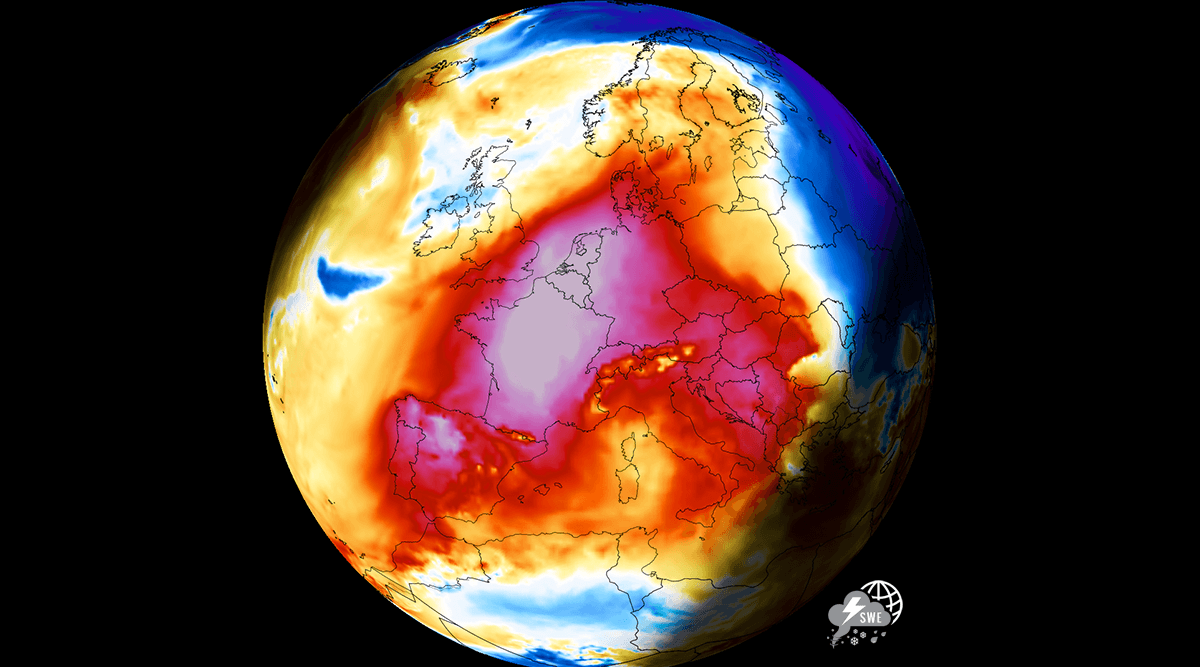
EUROPE — As mid-August unfolds, continental Europe finds itself in the grip of an extraordinary and relentless meteorological event. A high-amplitude upper-level ridge has locked the fifth major heat dome of the season over the continent, sending afternoon temperatures soaring past 40 °C (104 °F) across multiple countries. Driven by a powerful northward surge of warm air, thermal anomalies in the upper atmosphere have once again climbed into the 99th percentile, triggering severe excessive heat warnings across France, the United Kingdom, Italy, Central Europe, and the Balkan Peninsula.
Meteorologists warn that this persistent atmospheric configuration is not only shattering local records but is also creating dangerous conditions for human health, straining national energy grids, and exacerbating severe wildfire risks across southwestern and central regions.
Main Facts
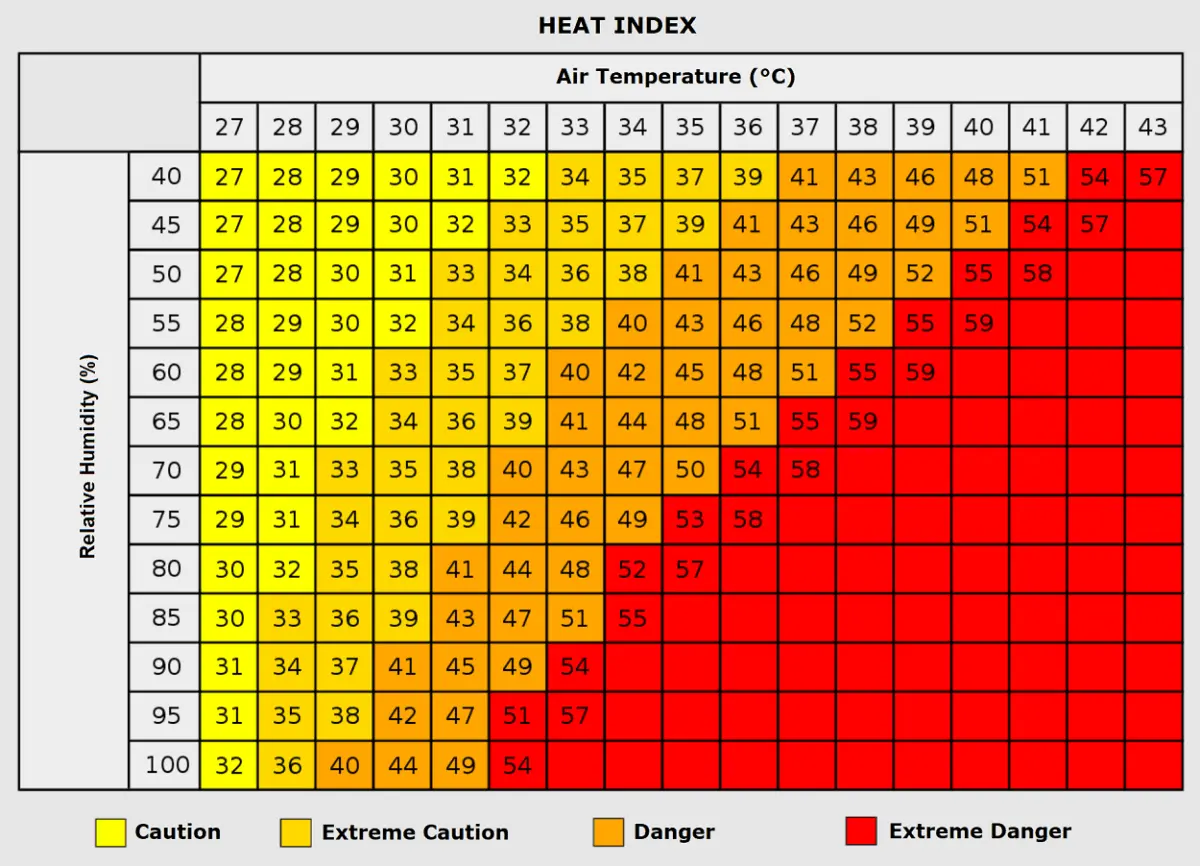
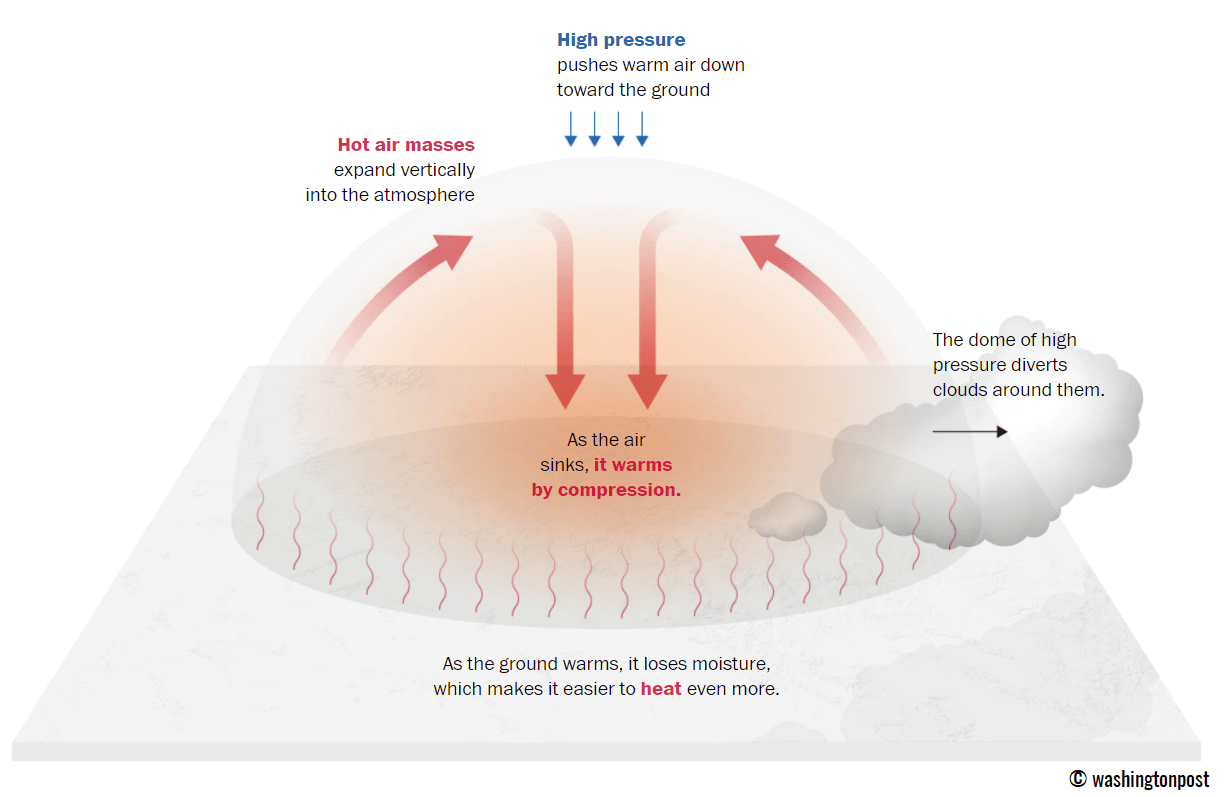
The primary atmospheric engine behind this fifth thermal wave is a stubborn, high-pressure ridge parked firmly over the heart of the European continent. As sinking air adiabatically compresses and warms the lower troposphere, peak surface temperatures across low-lying basins and plains are forecast to reach 40 °C to 43 °C (104 °F to 109 °F). Dry continental winds are keeping relative humidity low in some areas, rapidly depleting soil moisture and priming landscapes for extreme wildfire behavior.
Unlike transient hot spells, this renewed thermal surge is characterized by a stark lack of nocturnal relief. Overnight low temperatures are refusing to drop below 22 °C to 26 °C (72 °F to 79 °F) across major urban corridors, producing suffocating "tropical nights." This absence of nighttime cooling compounds severe physiological stress for millions of urban residents, pushes energy grid demand to its limits, and maintains severe wildfire conditions from the Iberian Peninsula to the Balkans.
The synoptic setup relies on an omega-blocking pattern. The heat dome acts effectively like a lid on a pot, trapping warm air at all levels underneath it while layers of air continually sink toward the ground. Consequently, the air mass becomes anomalously warm at the lowest elevations and exceptionally hot near the surface.
While the core of the heat dome will begin to weaken and shift from west to east late this weekend and into the following week, the immediate human and environmental toll of the ongoing peak remains acute.
Chronology of the Event: Mid-Week to Weekend Progression
The evolution of this fifth heat dome follows a distinct westward-to-eastward trajectory, impacting different parts of the continent in sequential phases.
Mid-Week: Western Europe in the Crosshairs
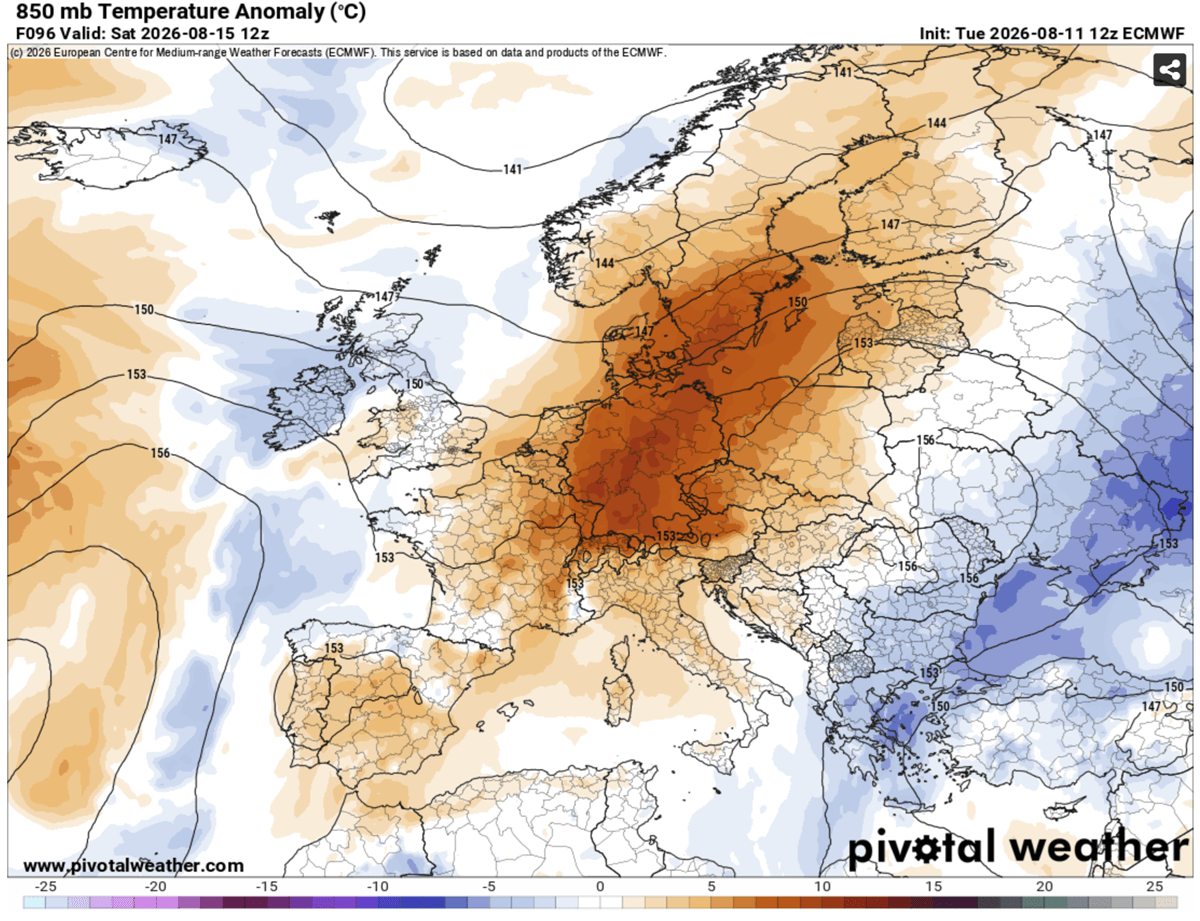
By Wednesday, the robust upper-level ridge re-established firmly over Western Europe. The warmest air mass initially trapped underneath the core of the heat dome spread aggressively across Portugal, Spain, France, the United Kingdom, and the Benelux region.
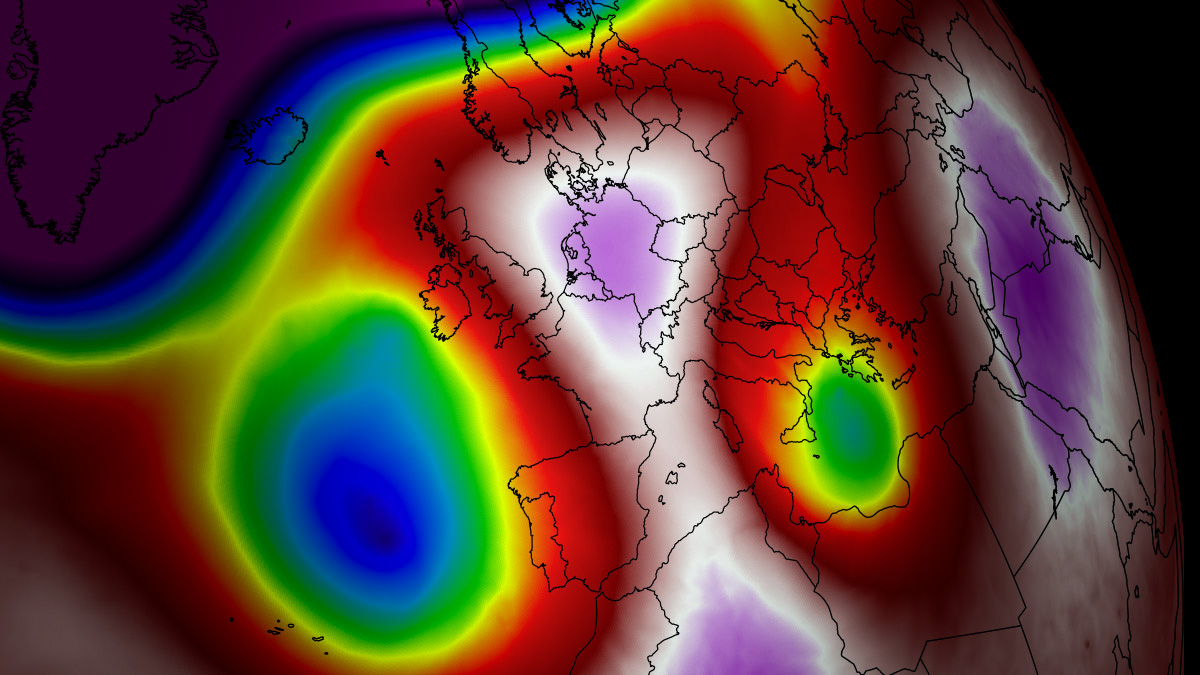
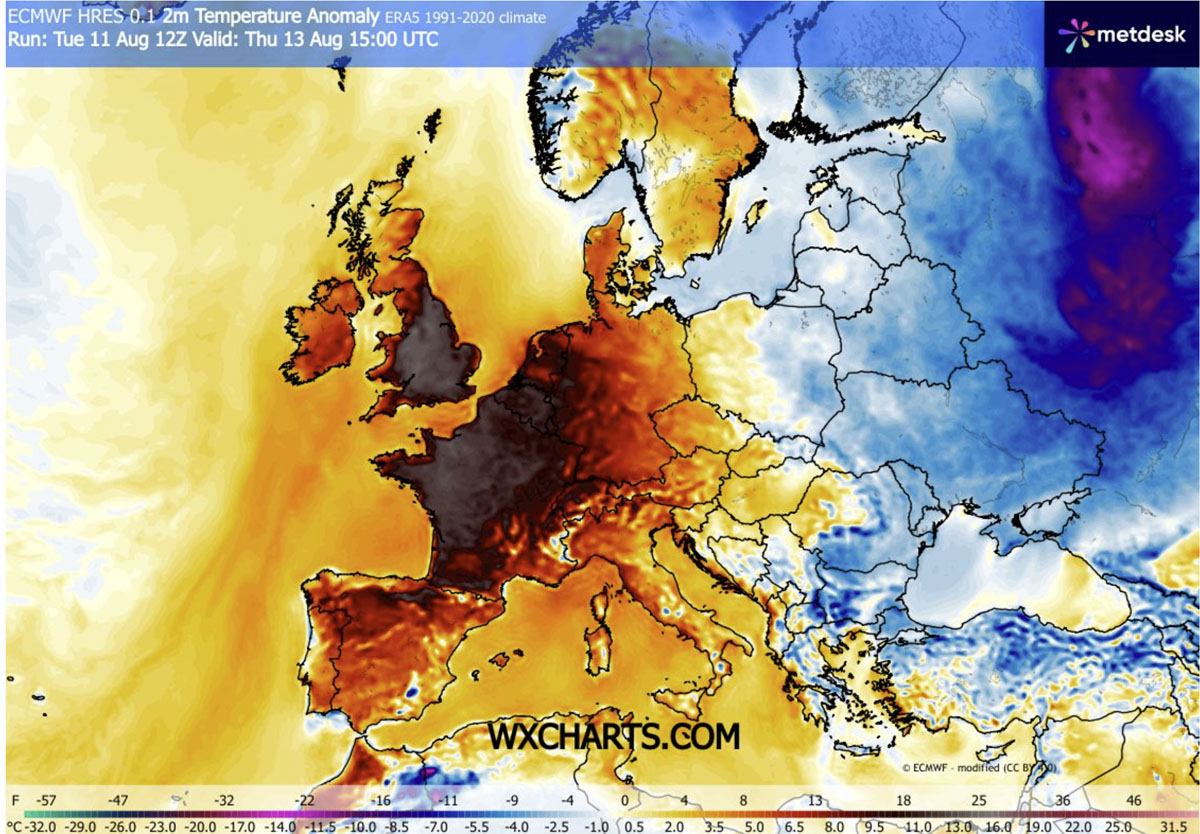
On Thursday, the warmest core of the dome aloft sat directly over northern France, the English Channel, and southern England. This positioning drove peak afternoon temperatures in England to an intense 36 °C to 39 °C (97 °F to 102 °F). Meanwhile, northern France experienced a surge into the low 40s, with western, central, and southwestern departments recording blistering highs of 42 °C to 43 °C (108 °F to 109 °F).
Friday: The Peak in Benelux and Western Germany
Friday marked the absolute height of the heatwave for the Benelux union and Western Germany. Peak temperatures climbed into the 36 °C to 40 °C range across Belgium, Luxembourg, and the southern Netherlands, while western German industrial and residential centers braced for near-record heat. Simultaneously, the Iberian Peninsula faced persistent maximums of 42 °C to 44 °C (108 °F to 111 °F) across the heat-prone valleys of southern Spain and the Ebro Valley, with south-central Portugal hovering around 37 °C to 40 °C.
The Weekend: Shift Toward Central Europe and the Balkans
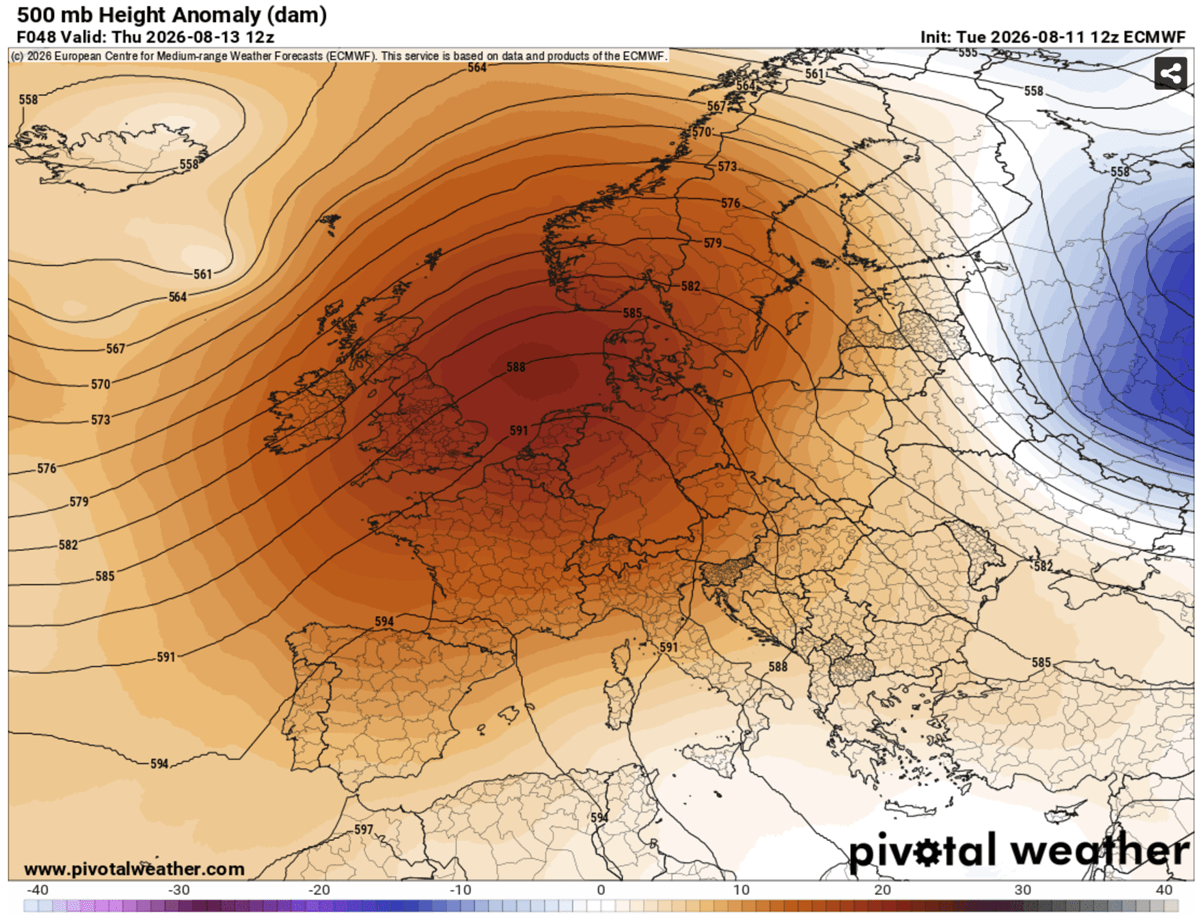
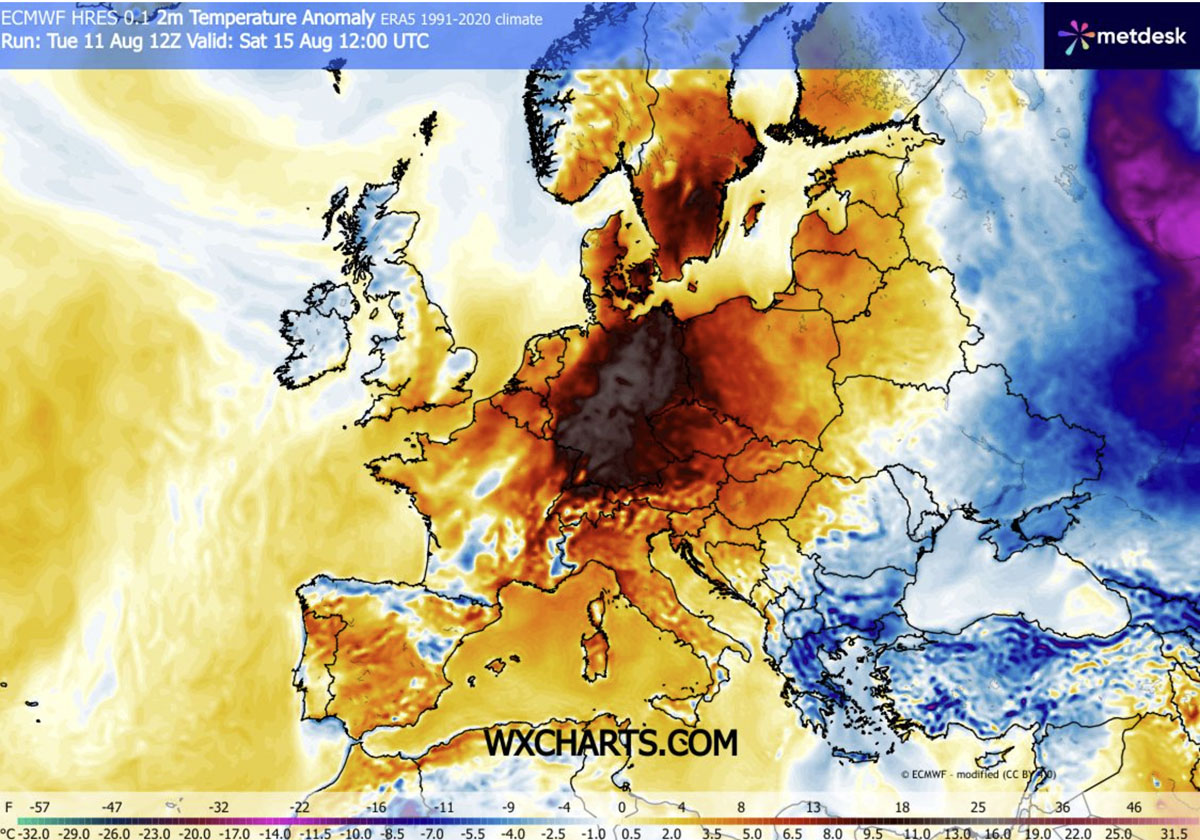
By Saturday and Sunday, the upper-level wave over the Atlantic began to push into Western Europe while weakening. This dynamic caused the heat dome to elongate and shift eastward into Central Europe. The eastward migration transferred the primary heat burden to Germany, Denmark, southern Sweden, Poland, the Czech Republic, the Alpine region, Italy, and the northern Balkans.
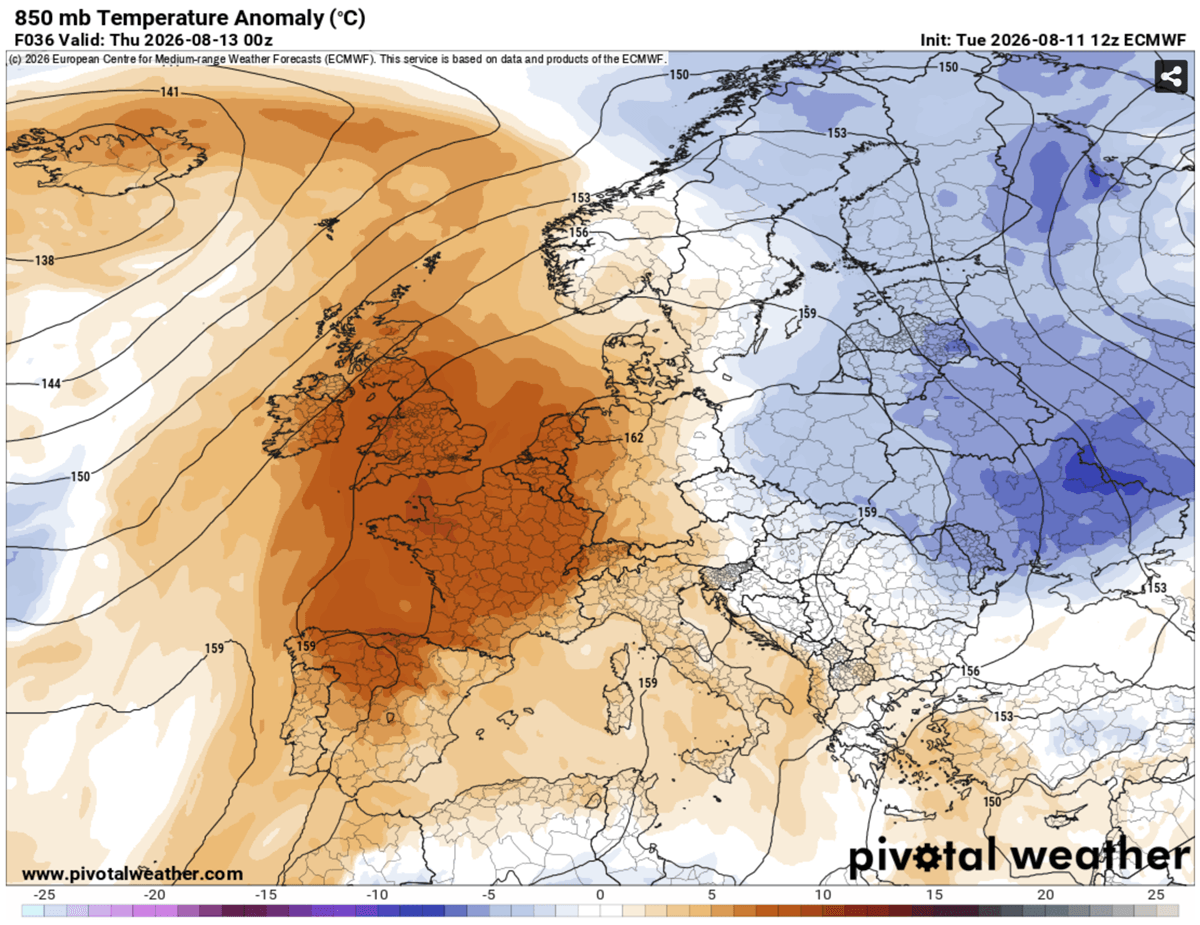
During the weekend, countries like Germany, Poland, and Hungary faced temperatures 12 °C to 16 °C above long-term mid-August climatic norms. Conversely, a cooler maritime air mass from an Atlantic low-pressure system slowly began spreading into Western Europe, offering much-needed refreshment to Ireland, the UK, France, and the Iberian Peninsula.
Supporting Meteorological Data and Regional Breakdowns
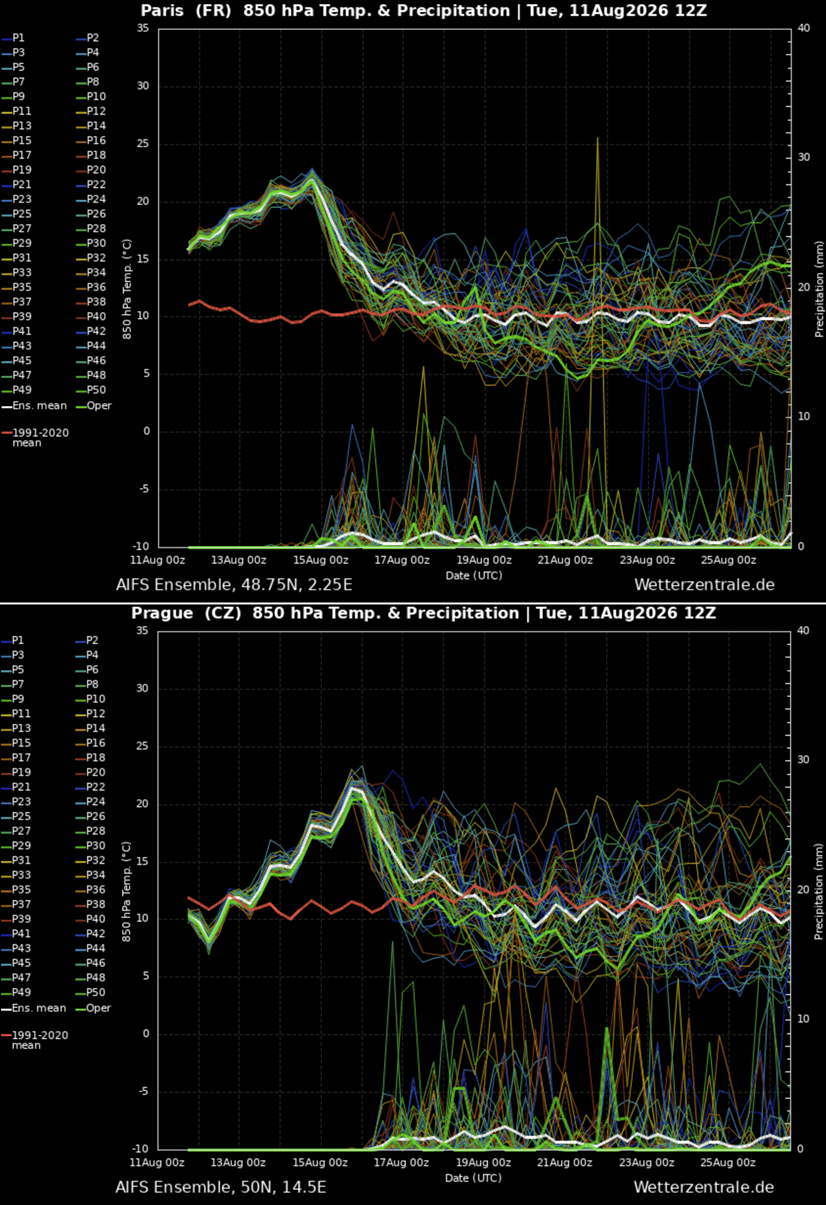
To fully grasp the severity of this mid-August event, meteorological agencies point to several key datasets regarding 850 hPa temperature anomalies and surface max temperatures.
- United Kingdom and Ireland: On Thursday, southern and central England peaked at 36–39 °C. Wales recorded low-to-mid 30s, while Ireland experienced comfortable yet warm upper-20s. Scotland stayed comparatively mild in the mid-20s before Atlantic breezes arrived.
- France: Sustained readings of 40 °C to 43 °C struck large swaths of the country on Thursday and Friday, placing immense pressure on local water resources and agricultural sectors.
- Iberian Peninsula: Southern Spain experienced 42–44 °C extremes in river valleys, and the Ebro Valley matched these oppressive figures. South-central Portugal sustained readings between 37 °C and 40 °C.
- Central Europe (Germany, Benelux, Poland, Czech Republic): Friday brought 36–40 °C readings to Belgium and western Germany. By the weekend, the heat propagated eastward into Poland, the Czech Republic, and the Alpine valleys.
- Italy and the Balkans: The Po Valley and Tuscany in Italy, alongside eastern Croatia, Hungary, and northern Serbia (Pannonian plains), faced renewed highs of 38 °C to 40 °C over the weekend.
Official Responses and Public Health Advisories
Public health officials, civil protection agencies, and government ministries across Europe issued widespread red and orange heat alerts as the dome intensified.
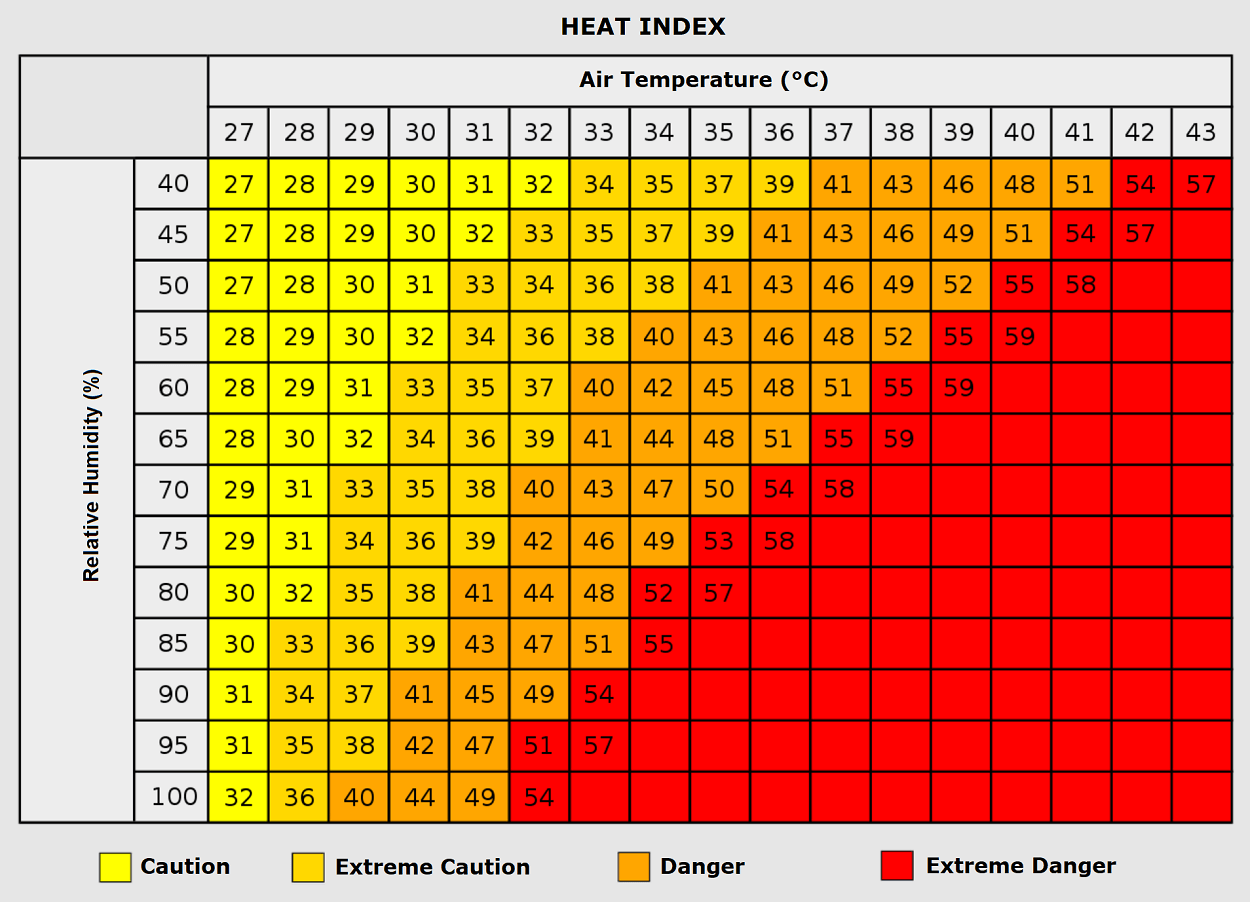
Medical authorities emphasized that the prolonged exposure to high temperatures poses grave risks to vulnerable demographics, including the elderly, young children, and individuals with pre-existing cardiovascular or respiratory conditions. Occupational safety regulators stepped up enforcement of heat-safety protocols for outdoor laborers—such as construction workers and agricultural employees—mandating hydration breaks and adjusted shift hours to mitigate the threat of heat exhaustion and fatal heatstroke.
Furthermore, municipal authorities in major metropolitan areas like Paris, London, Berlin, and Rome activated emergency response plans. These measures included opening air-conditioned public cooling centers, distributing bottled water to unhoused populations, and temporarily lowering speed limits on major highways to prevent asphalt degradation and reduce pollution flare-ups.
Energy grid operators mobilized contingency reserves to manage skyrocketing electricity demand driven by residential and commercial air conditioning usage. Grid managers also closely monitored cooling water temperatures at nuclear and thermal power plants, which faced operational constraints due to rising river temperatures used for facility cooling.
Implications: Climate Trends, Wildfires, and Energy Security
The recurrence of a fifth major heat dome in a single summer season highlights broader, concerning shifts in European climate dynamics. Persistent blocking patterns—such as omega blocks—are becoming increasingly frequent, trapping stagnant air masses over densely populated continents for extended periods.
Physiological Stress and "Tropical Nights"
The meteorological signature of this event—specifically the persistence of nocturnal temperatures remaining above 22 °C to 26 °C—has profound implications for human health. Without a natural nighttime cooling window, the human body cannot adequately recover from daytime heat stress, leading to cumulative physiological exhaustion. Epidemiologists note that prolonged tropical nights historically correlate with spikes in excess mortality, particularly among vulnerable urban populations living in concrete-heavy environments with high thermal mass.
Agricultural and Hydrological Strain
Months of cumulative heat and low precipitation have severely depleted soil moisture across southern, western, and central Europe. The dry continental winds accompanying this fifth heat dome accelerate evapotranspiration, worsening agricultural drought conditions. Crops such as corn, grapes, and olives face severe stress, threatening yields ahead of the autumn harvest.
Wildfire Vulnerability
With parched vegetation, low humidity, and high winds, wildfire danger ratings reached extreme levels across parts of Spain, Portugal, southern France, Italy, and the Balkans. Firefighting agencies remain on high alert, pre-positioning aerial assets and ground crews to combat potential blazes in tinned forests and brushlands.
As meteorologists continue to monitor the medium-range forecasts, early indications suggest that a significant pattern flip may arrive next week, potentially breaking the blocking high-pressure ridge and introducing cooler Atlantic air masses to the continent. Until then, millions across Europe remain on high alert beneath the oppressive weight of mid-August’s historic heat dome.
