

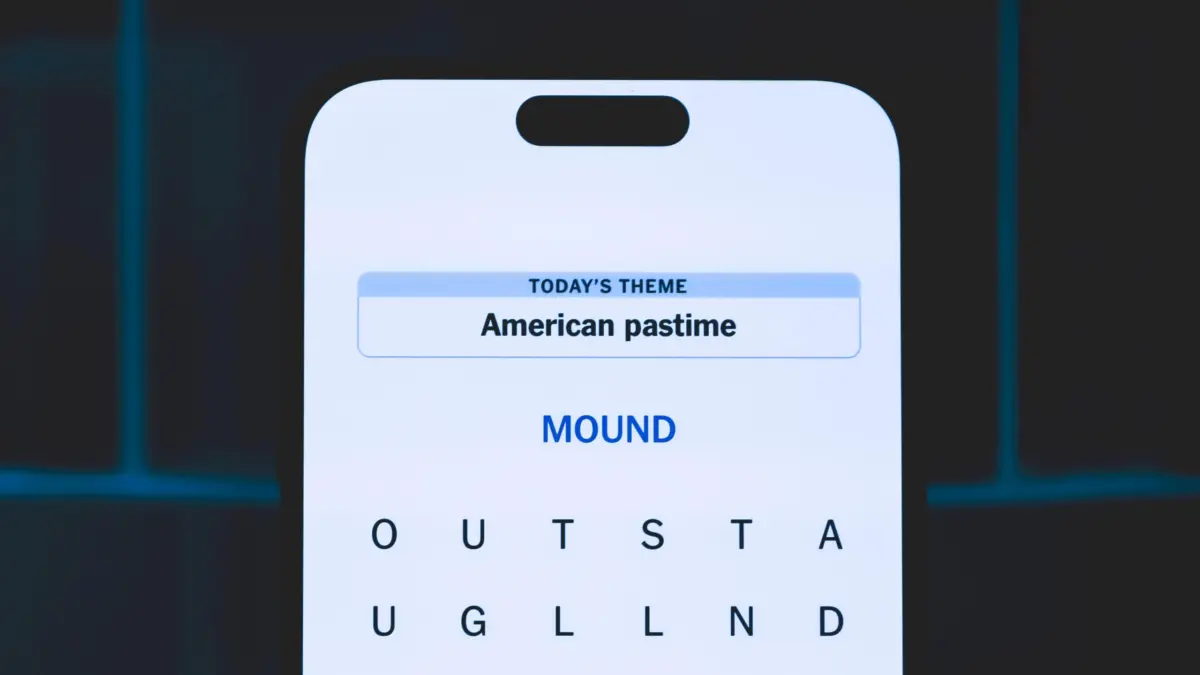
For millions of daily puzzle enthusiasts, the start of the day isn’t complete without a mental workout from The New York Times. While games like the daily crossword, Wordle, and Connections have long been household staples, Strands has quickly carved out a dedicated following since its introduction. Part word-search, part cryptogram, and entirely addictive, Strands challenges players to look beyond traditional vocabulary and decipher thematic connections hidden in a grid of letters.
Whether you are a seasoned puzzle solver looking for a subtle nudge or a newcomer trying to understand the mechanics of the game, navigating Strands requires a blend of pattern recognition, lateral thinking, and patience. In this comprehensive guide, we examine the mechanics of Strands, break down the strategies for mastering difficult boards, review historical data on community roadblocks, and provide an in-depth look at a recent espionage-themed puzzle.
Main Facts: Understanding the Mechanics of NYT Strands
Unlike a traditional word-search puzzle, Strands does not provide a bank of words to locate. Instead, players are presented with a grid of letters and a cryptic daily theme. The objective is to uncover all the thematic words hidden within the board, including a special primary answer known as the "spangram."
How the Game Works
- The Theme: Every puzzle starts with a clue, usually a short phrase or a pun, that points toward a specific category or conceptual thread linking all the answers.
- The Spangram: This is a crucial anchor word or phrase that describes the day’s theme. It always stretches entirely across the board—from one side to the other—and highlights the core concept uniting the rest of the puzzle’s answers.
- Filling the Board: When the puzzle is successfully completed, every single letter on the grid will be utilized exactly once. There are no wasted letters or dead spaces.
- The Hint System: If a player becomes stuck, the game offers a built-in safety net. By finding any three words of four letters or more that are not part of the official theme, the game rewards the player by automatically revealing one of the hidden theme words. However, players still face the challenge of unscrambling and tracing the revealed letters on the board.
Chronology and Evolution of Daily Word Games
The rise of Strands represents the latest evolution in The New York Times’ digital gaming portfolio, a strategy that has transformed the newspaper’s website and app into a daily destination for millions of casual gamers.

The Digital Gaming Boom
- The Wordle Acquisition (2022): The modern era of The New York Times games division began with the explosive popularity of Wordle, a simple five-letter word-guessing game created by Josh Wardle. Its acquisition brought millions of new daily users to the NYT Games platform.
- Expanding the Portfolio: Following Wordle’s success, the Times expanded its offerings, heavily promoting the historic Daily Crossword, the wildly popular Connections (which challenges players to group words by hidden categories), and the Mini Crossword.
- The Launch of Strands: Seeking a fresh format that combined the visual appeal of a word search with the intellectual deduction of Connections, developers introduced Strands as an experimental puzzle before rolling it out as a permanent daily fixture.
Today, games editors and journalists—such as CNET’s pop-culture writer Gael Fashingbauer Cooper—provide daily hints, walkthroughs, and community support, turning individual puzzle-solving into a shared cultural ritual.
Supporting Data: Dissecting the "Top Secret" Puzzle
To understand how a typical Strands puzzle unfolds, it helps to examine a specific daily challenge. Consider a recent espionage-themed edition that tested players’ pop culture knowledge and vocabulary.
Today’s Theme: "Top Secret"
- The Clue: For players struggling to make sense of the initial theme, a secondary clue was provided: 007.
- The Context: Immediately, the reference points toward secret agents, espionage, international intrigue, and the iconic world of James Bond.
Unlocking In-Game Hints
Because the theme was somewhat broad, many players relied on the game’s hint mechanism. By searching the grid for miscellaneous four-letter (or longer) words—such as TENT, RIDE, POND, or BEAR—players earned automatic reveals for the official theme words.
The Spangram: UNDERCOVER
The centerpiece of this puzzle was the spangram UNDERCOVER. True to form, it stretched from one side of the board to the other. To trace it, players had to begin with the letter ‘U’ located four rows down on the far-left edge, then wind their way down and across the grid to encompass the entire concept of clandestine operations.
Official Responses and Player Community Feedback
As digital puzzles grow in popularity, online communities have flourished around them. Platforms like Reddit, X (formerly Twitter), and tech publications like CNET serve as town squares where players debate the difficulty of daily boards, share strategies, and vent about particularly tricky words.
The Toughest Strands Puzzles According to the Community
Not all puzzles are created equal. While some days offer straightforward themes like animals or kitchen utensils, others feature niche vocabulary that leaves even veteran solvers scratching their heads. Editors have cataloged some of the most notoriously difficult categories:
- Dated Slang: Puzzles focusing on retro colloquialisms often trip up players depending on their generation. For instance, a puzzle themed around historical slang featured the notoriously tricky word PHAT, a term popularized in the 1990s and 2000s that frequently frustrates younger solvers or those unfamiliar with hip-hop nomenclature of the era.
- Marine Biology and Oceanography: Themes centered around deep-sea life regularly rank among the hardest. Words like BALEEN or RIGHT (referencing whale species) require specialized biological knowledge rather than general linguistic skill, turning a word game into an impromptu science quiz.
- Fishing and Aquatic Terminology: Another sea-themed board centered around fish species caused widespread gridlock. Words like BIGEYE (a type of tuna) and SKIPJACK proved to be major stumbling blocks, demonstrating that niche hobbyist vocabulary can drastically spike a puzzle’s difficulty curve.
Implications: The Psychological and Cognitive Benefits of Daily Puzzles
The obsession with daily word puzzles is more than just a passing internet trend; it reflects a broader cultural desire for mindful, low-stakes digital engagement.
Cognitive Maintenance and Routine
- Mental Agility: Regular engagement with word games helps maintain cognitive flexibility, vocabulary recall, and pattern recognition. Puzzles like Strands force the brain to switch between broad conceptual thinking (interpreting the theme) and granular focus (tracing letter paths).
- The Power of the Daily Habit: Structuring puzzles as a once-a-day event creates a psychological "anchor" for users. Unlike video games designed to consume hours of free time, daily puzzles respect the player’s schedule while offering a rewarding hit of dopamine upon completion.
- Social Connection: Sharing scores, hints, and frustrations online fosters a unique sense of community. Whether discussing the latest James Bond references or debating whether "PHAT" counts as valid modern vocabulary, players find common ground in the shared triumph of clearing a difficult board.
Conclusion
The New York Times has successfully transformed its games section into a cultural powerhouse, and Strands stands out as one of its most innovative offerings. By blending the tactile satisfaction of a classic word search with the clever deduction of modern category games, it continues to challenge and entertain millions.

Whether you are breezing through a board themed around your favorite spy franchise or grinding your teeth over obscure marine biology terms, the key to mastering Strands lies in patience, utilizing the hint system when necessary, and keeping a sharp eye out for that elusive spangram. As daily puzzles continue to evolve, they remain a welcome mental refuge in an increasingly fast-paced digital world.
