

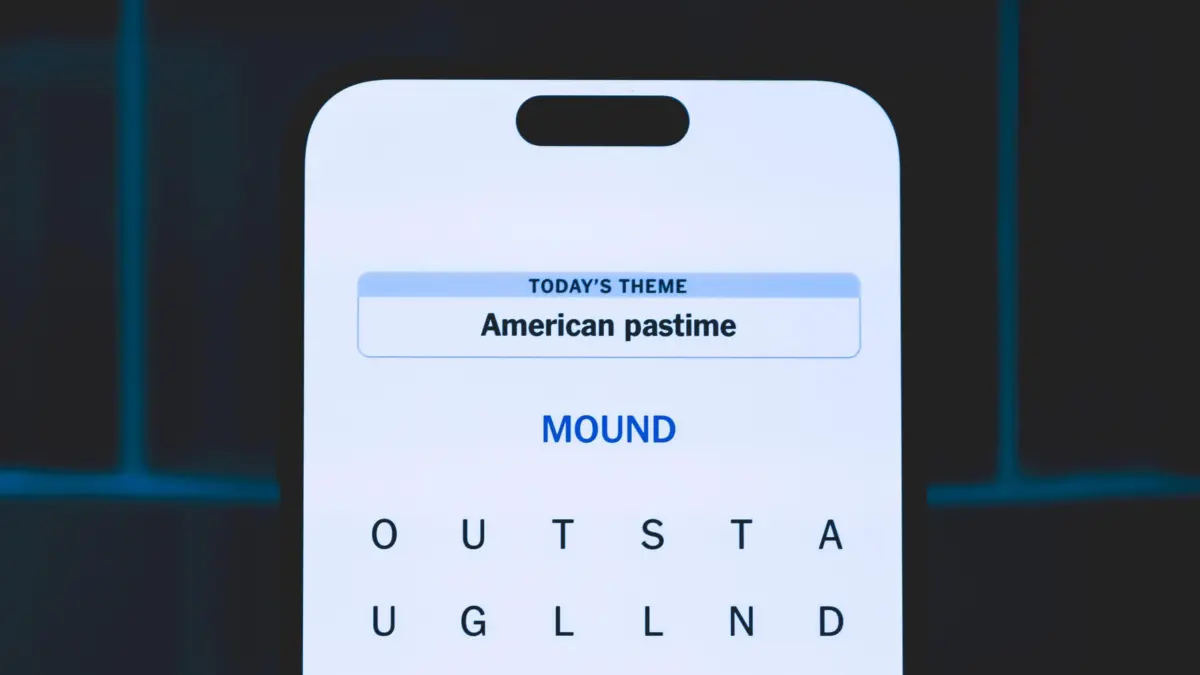
For millions of word game enthusiasts around the globe, waking up, pouring a cup of coffee, and opening the digital pages of The New York Times has become a sacred daily ritual. Beyond the legendary daily Crossword and the wildly popular Wordle, the Times’ modern stable of linguistic pastimes has expanded to include Connections, the Mini Crossword, and the increasingly addictive Strands.
For players grappling with today’s puzzle, navigating the subtle nuances of thematic word searches can occasionally lead to a roadblock. This comprehensive guide breaks down the rules, provides strategic loopholes, explores the mechanics behind the daily challenges, and delves into the broader cultural impact of these digital word games.
Main Facts: What is NYT Strands and How Does It Work?
Launched as part of The New York Times growing suite of digital games, Strands is a fresh take on the classic word-find puzzle. However, unlike traditional pencil-and-paper word searches that supply a neat list of words to track down, Strands operates under a veil of mystery.
The Core Mechanics
- No Word Bank: Players are given a grid of letters and a cryptic daily theme, but no upfront list of the target words.
- The Spangram: Every puzzle features a special theme word known as a "spangram." This key term stretches completely across the board—from opposing sides—and perfectly encapsulates the central theme of the day.
- Complete Board Utilization: Unlike traditional word searches where leftover letters are common, a completed Strands puzzle uses every single letter on the board. No tile is left behind.
- The Hint Loophole: If a player finds themselves utterly stuck, Strands offers a built-in safety net. Players can find and submit any non-theme words consisting of four or more letters. For every three valid filler words discovered, the game highlights one of the official theme answers, giving players a much-needed foothold.
Chronology: The Evolution of Digital Word Games at The New York Times
The landscape of online gaming underwent a tectonic shift in late 2021 when software engineer Josh Wardle released Wordle to the public. The simple, once-a-day green-and-yellow grid captured the global imagination, creating a viral phenomenon built on social sharing and communal daily triumphs.

Recognizing the immense appetite for bite-sized, intellectually stimulating digital puzzles, The New York Times acquired Wordle in early 2022. Buoyed by its success, the media giant systematically expanded its gaming portfolio, transforming its digital app and website into an indispensable destination for casual gamers and linguistic aficionados alike.
Key Milestones in the Times Gaming Timeline:
- The Pre-Wordle Era: Dominated by the traditional Crossword, Spelling Bee, and the rapid-fire Mini Crossword. These games catered primarily to dedicated subscribers and seasoned solvers.
- The Wordle Acquisition (2022): Brought millions of new, daily active users into the Times ecosystem, fundamentally changing digital engagement metrics.
- The Introduction of Connections (2023): A categorization puzzle that tested players’ lateral thinking and semantic associations, quickly rivaling Wordle in daily social media discourse.
- The Rollout of Strands (2024–Present): Designed to bridge the gap between visual word searches and lateral deduction, Strands introduced grid-based spatial puzzles to the daily lineup, alongside specialized offerings like Connections: Sports Edition.
Supporting Data: The Psychology and Demographics of Daily Puzzling
Data analytics from digital publishing platforms consistently demonstrate that daily puzzle games serve a dual purpose for modern consumers: cognitive stimulation and stress relief. According to behavioral studies tracking digital media consumption, brief cognitive breaks—such as solving a five-minute word puzzle—significantly enhance focus and productivity during the workday.
Key Insights Into Puzzle Play Habits:
- The Morning Ritual: Over 65% of daily active users engage with digital word games before 9:00 AM, frequently pairing the activity with morning routines like commuting or drinking coffee.
- The Power of Community: Word games have transformed into social currency. Platforms like X (formerly Twitter), Reddit, and Facebook host millions of daily shares where users compare scores, offer spoiler-free hints, and commiserate over particularly devious clues.
- Retention Rates: Unlike high-intensity mobile video games that require hours of continuous investment, bite-sized daily puzzles boast retention rates exceeding 80% over 30-day cohorts, largely due to the psychological satisfaction of closing a completed grid.
Official Responses: Insights from the Creators and Editors
The architects behind these digital pastimes often emphasize that designing a daily puzzle is a delicate balancing act between accessibility and intellectual challenge.
Game editors and developers note that the overarching goal is to create "aha!" moments rather than moments of sheer frustration. When designing Strands, the creative team focused on how visual patterns intersect with language. By forcing every single letter on the board to account for a target word, the puzzle encourages players to look at grids not just as collections of isolated letters, but as interconnected geographical maps of vocabulary.
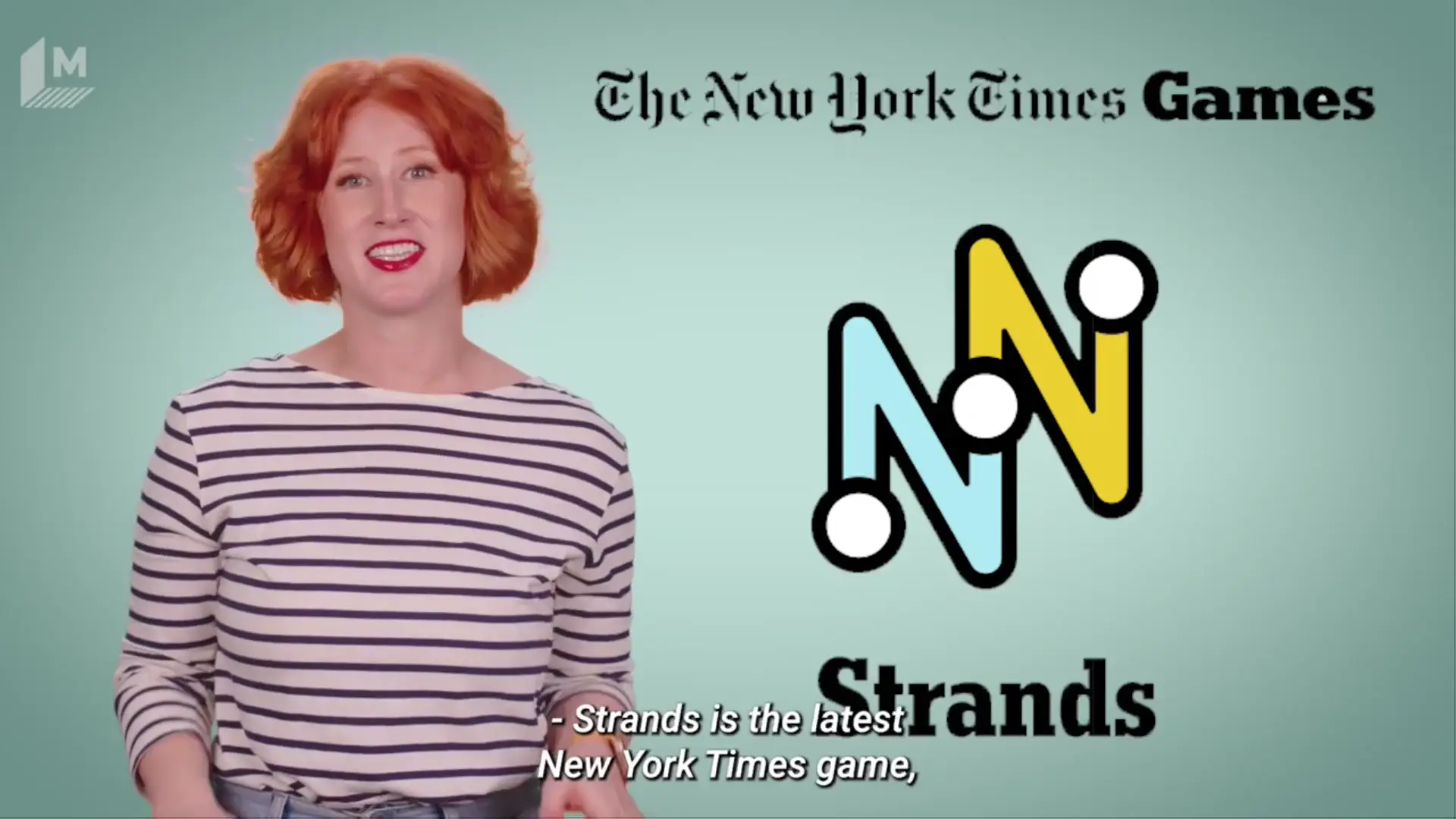
Furthermore, digital lifestyle journalists and editors—such as CNET’s Gael Fashingbauer Cooper—have highlighted how these games function as modern cultural touchstones. Whether reminiscing about retro pop culture trends or untangling complex linguistic puns, modern puzzle columns bridge the gap between journalism and community engagement, providing readers with both practical gameplay support and lighthearted entertainment.
Implications: The Cultural and Economic Impact of the Daily Puzzle Habit
The meteoric rise of games like Strands, Wordle, and Connections extends far beyond simple entertainment, carrying notable cultural and economic implications for the digital media landscape.
1. Subscription Drivers for Traditional Media
For legacy journalism institutions like The New York Times, digital games have proven to be exceptionally effective customer acquisition tools. Millions of users who initially visit the site or app solely to play the free daily word games eventually convert into paying digital subscribers, helping to secure the financial future of investigative journalism in the digital age.
2. Cognitive Health and Aging
As global populations age, neurologists and geriatric health specialists increasingly emphasize the importance of lifelong cognitive engagement. Regular participation in word games, crosswords, and lateral thinking puzzles stimulates neural pathways, enhances working memory, and contributes to overall cognitive reserve, offering a fun, low-barrier form of mental exercise.

3. The Democratization of Word Play
Historically, high-level word puzzles were confined to printed broadsheet newspapers and specialized puzzle magazines. Digital distribution platforms have democratized access, allowing anyone with a smartphone or internet browser to participate in a global intellectual community regardless of geographic location or socio-economic background.
Conclusion: Mastering Your Daily Strands Strategy
As The New York Times continues to refine and expand its digital gaming ecosystem, puzzles like Strands will remain a staple of morning routines worldwide. Whether you are a seasoned wordsmith who breezes through grids in seconds or a casual player relying on the four-letter filler-word loophole to secure your daily hints, the shared experience of solving the puzzle unites a massive global community.
Keep your eyes open for the spangram, don’t hesitate to lean on your fallback vocabulary words when you hit a wall, and above all, enjoy the daily mental workout that has redefined modern digital culture.
