

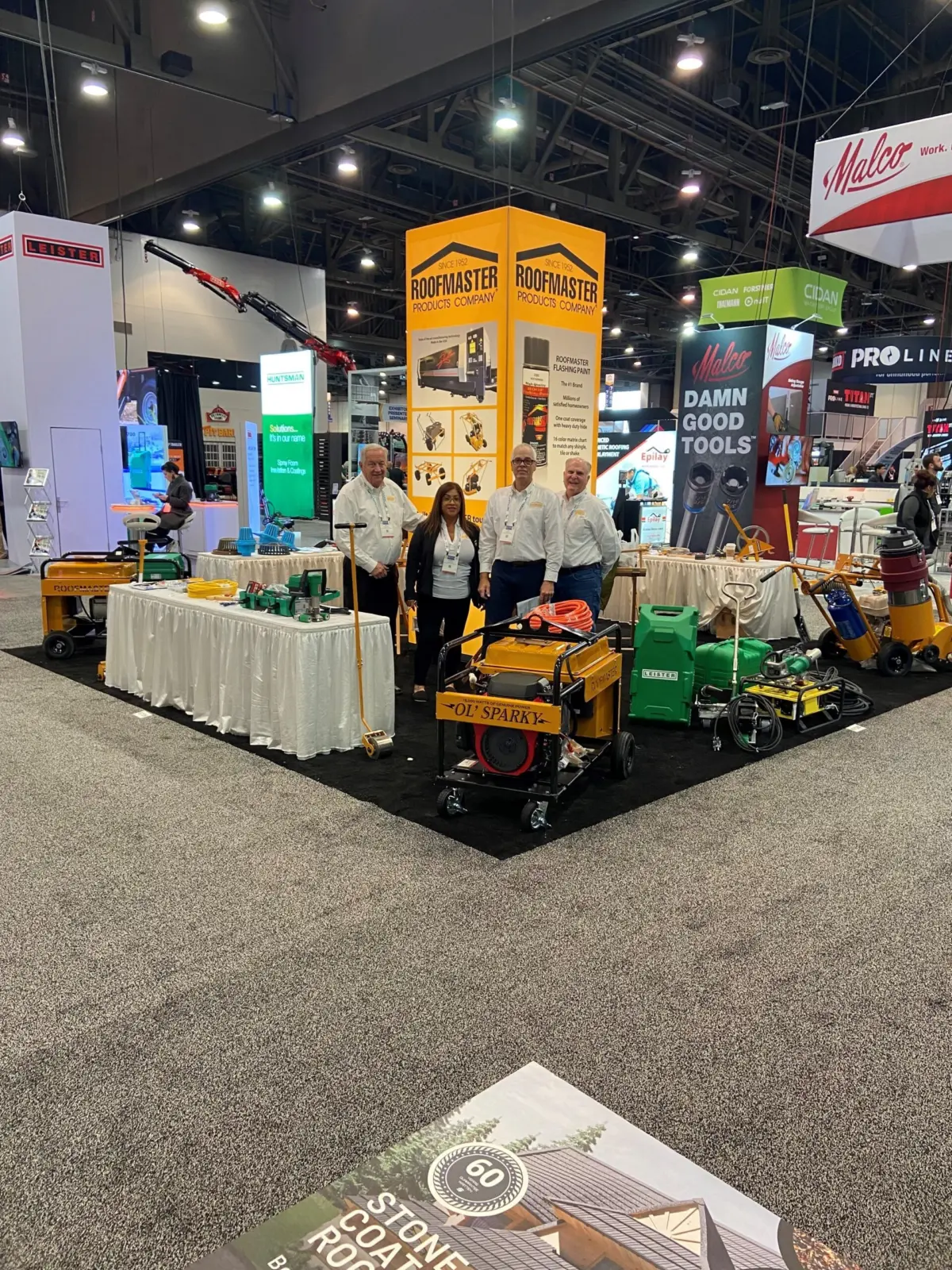
Main Facts: The Architecture of Commercial Roofing Supply
An analysis of the commercial roofing sector’s supply chain infrastructure reveals a massive diversification of specialized equipment, driven by strict safety regulations, labor shortages, and shifting building materials. Roofmaster Products, a prominent manufacturer and distributor of commercial roofing equipment, tools, and accessories, maintains an extensive catalog that reflects these broader macroeconomic trends.
The commercial roofing industry is undergoing a structural transition. The traditional reliance on manual labor and heavy asphalt application is giving way to highly engineered single-ply membrane systems, advanced spray applications, and sophisticated water management systems. An audit of modern roofing inventories highlights five critical pillars of the contemporary commercial building envelope:
- Thermal Application and Kettle Infrastructure: Despite the rise of synthetic materials, traditional Built-Up Roofing (BUR) remains vital. This is supported by highly specialized components, including kerosene and LP-butane kettle parts, litewall tubing, tanker pumps, and heavy-duty asphalt carriers.
- Single-Ply Membrane Integration: The growth of Thermoplastic Polyolefin (TPO), Polyvinyl Chloride (PVC), and Ethylene Propylene Diene Monomer (EPDM) systems has created a massive sub-market for hot-air welders, adhesive rollers, steel and rubber rollers, and specialized testers.
- OSHA-Compliant Fall Protection: Strict federal enforcement of safety standards has elevated fall arrest systems, perimeter warnings, roof anchors, and specialized warning cones from optional equipment to mandatory jobsite assets.
- Retrofit and New Installation Water Management: Climate change and shifting weather patterns have intensified the demand for advanced roof drainage. This includes cast iron and copper roof drains, scuppers, and specialized aluminum and plastic retrofit drains designed to prevent structural ponding.
- Mechanized Material Handling: To combat severe labor shortages, contractors are increasingly deploying powered hoisting equipment, conveyors, turntables, and automatic felt-slitters to move heavy materials efficiently across multi-story decks.
+----------------------------------------------------------------------------------+
|                          COMMERCIAL ROOFING INVENTORY                            |
+------------------------+------------------------+--------------------------------+
|  MATERIAL HANDLING     | APPLICATION & ADHESION |       WATER MANAGEMENT         |
|  - Conveyors           |  - Hot Air Welders     |  - Aluminum Retrofit Drains    |
|  - Powered Hoists      |  - Adhesive Rollers    |  - Cast Iron Roof Drains       |
|  - Material Carts      |  - Spraying Systems    |  - Scuppers & Overflow Systems |
+------------------------+------------------------+--------------------------------+
|                         SAFETY & REGULATORY COMPLIANCE                           |
|  - Fall Arrest Harnesses | Roof Anchors | Perimeter Warning Systems             |
+----------------------------------------------------------------------------------+
Chronology: The Technological Evolution of the Roof Deck
To understand the current state of commercial roofing technology, it is necessary to trace the historical timeline of materials and equipment over the past seven decades. The evolution of these tools reflects a continuous effort to improve installation speed, reduce physical labor, and enhance structural longevity.
The Post-War Era (1950s–1970s): The Dominance of BUR and Heavy Kettle Systems
- 1950s: The commercial roofing landscape is dominated by Built-Up Roofing (BUR) using hot coal tar pitch or asphalt. Contractors rely heavily on manual labor, mop carts, hand-drawn felt-layers, and basic wood-fired or kerosene-heated kettles.
- 1968: The introduction of propane-heated asphalt kettles improves temperature control and thermal efficiency on the jobsite.
- 1971: The passage of the Occupational Safety and Health Act (OSHA) begins a multi-decade shift toward standardized safety equipment, though enforcement on low-slope roofs remains nascent.
The Synthetic Revolution (1980s–1990s): The Rise of Single-Ply and Mechanical Fastening
- 1981: Single-ply membranes like EPDM and early TPO formulations enter the North American market, requiring entirely new application methods.
- 1988: Handheld hot-air welders and silicone/steel rollers emerge as essential tools for seaming thermoplastic membranes, reducing the industry’s total reliance on open flames and hot asphalt.
- 1995: The development of pre-assembled deck screws and automated fastening plates dramatically accelerates the dry-in phase of commercial roofing installations.
The Safety and Efficiency Boom (2000s–2010s): Automation and Compliance
- 2003: OSHA updates its subpart M safety standards, strictly enforcing fall protection rules for any work conducted six feet or more above a lower level. This triggers a surge in demand for certified harnesses, mobile roof anchors, and perimeter warning lines.
- 2010: Advancements in liquid-applied membranes lead to specialized spraying systems, such as the WarmMaster and GranuleMaster, allowing rapid application of protective coatings over large commercial areas.
- 2016: The industry experiences a marked shift toward retrofit drainage solutions. Contractors increasingly use copper and aluminum retrofit drains to repair failing water management systems without undergoing disruptive full-roof tear-offs.
The Modern Era (2020–Present): Integration of Solar, Automation, and Climate Resilience
- 2021: Post-pandemic supply chain challenges force manufacturers to diversify their component catalogs, ensuring that replacement parts for small engines, kettle pumps, and sprayers are readily available.
- 2023: The rapid adoption of solar arrays on commercial flat roofs drives the integration of specialized mounting systems, such as CommDeck, alongside advanced paver supports to handle heavy rooftop loads.
Supporting Data: Catalog Breakdown and Market Allocation
An empirical analysis of commercial roofing equipment distributions reveals how manufacturers allocate production capacity to meet modern building codes. By categorizing the essential tools found in commercial roofing inventories, we can see where the industry is directing its capital.
Equipment Category Distribution
| Major Equipment Sector | Key Product Components | Primary Function | Market Driver |
|---|---|---|---|
| Water Management | Cast iron drains, aluminum retrofit drains, scuppers, clamping rings, domes | Routing stormwater off flat roofs to prevent structural ponding and collapse | Increasingly severe storm events and updated municipal building codes |
| Adhesive & Thermal Application | Hot air welders, adhesive rollers, modified bitumen LP torches, kettle parts | Securing water-impermeable layers to the roof deck substrate | Shift toward chemical and heat-welded single-ply systems |
| Material Transport | Powered hoists, conveyors, turntables, material carts, heavy-duty wheelbarrows | Moving tons of insulation, membrane rolls, and ballast to the roof deck | Labor shortages and the physical demands of high-rise construction |
| Fall Protection & Safety | Fall arrest harnesses, roof anchors, warning lines, first aid kits, warning signs | Preventing workplace injuries and ensuring compliance with OSHA mandates | Strict regulatory enforcement and rising worker compensation insurance costs |
| Fastening Systems | Pre-assembled deck screws, base ply fasteners, concrete nail-ins, tile fasteners | Providing high wind-uplift resistance to secure the roofing assembly | High-velocity hurricane zone (HVHZ) engineering requirements |
The Power Shift: Manual vs. Mechanized Tools
The transition from manual hand tools to mechanized systems is clear when looking at the specialized equipment used on modern roof decks. While traditional hand tools like axes, pry bars, knives, and squeegees remain necessary for detail work and tear-offs, they are increasingly supported by high-output mechanical systems:
- Spraying Systems: Specialized equipment like the GranuleMaster and WarmMaster systems has mechanized the application of protective coatings and granules, cutting labor requirements by up to 60% on large-scale industrial projects.
- Powered Hand Tools: The widespread adoption of portable tile saws, electric roof saws equipped with carbide blades, and automatic felt-slitters has replaced slower, more hazardous manual cutting methods.
- Replacement Engines: The commercial roofing supply chain now maintains a dedicated inventory of replacement engines for sprayers and kettles, highlighting how heavily contractors rely on continuous machine uptime to meet tight project deadlines.
Official Responses: Industry Leaders and Regulatory Perspectives
The ongoing shifts in roofing equipment and safety practices have drawn significant commentary from manufacturing executives, safety inspectors, and contractor associations.
Manufacturing and Supply Chain Strategy
A representative from the commercial roofing manufacturing sector, speaking on the complexity of maintaining modern equipment inventories, noted:
"The modern commercial roofing jobsite is no longer just about asphalt and mops; it is a highly engineered environment. Our focus has shifted from simple distribution to ensuring absolute compatibility across diverse systems. Whether it is providing exact litewall tubing unions for an asphalt kettle or a highly calibrated hot-air welder for a TPO membrane, our supply chain must deliver precision. A single missing gasket or an incorrect retrofit drain size can halt a multi-million-dollar project."
Safety and Regulatory Compliance
Inspectors from the Occupational Safety and Health Administration (OSHA) continue to emphasize that fall protection is the most frequently cited violation in residential and commercial construction. An OSHA field compliance officer commented on the role of equipment availability:
"We are seeing better compliance on flat roofs largely because the equipment has become more user-friendly and accessible. When contractors have immediate access to pre-engineered roof anchors, perimeter warning lines, and certified harnesses on-site, they are far more likely to use them. The availability of these safety systems is directly tied to reducing fatal falls in the construction sector."
The Contractor’s Perspective
The National Roofing Contractors Association (NRCA) has highlighted how technological advancements in equipment help address the industry’s ongoing labor shortage:
"Finding skilled labor remains the number one challenge for commercial roofing contractors today. The solution lies in mechanization. By utilizing powered conveyors, automated deck screws, and advanced spraying systems, a six-person crew can now accomplish what used to require twelve workers. Investing in high-quality, reliable equipment is no longer just an operational choice—it is a survival strategy for contractors in a tight labor market."
Implications: The Future of the Commercial Roof Deck
The structural trends observed in commercial roofing catalogs point to several major developments that will shape the industry over the next decade.
1. Climate Change and Water Management Infrastructure
As severe weather events increase in frequency and intensity, municipal building codes are raising the standards for rooftop drainage. The reliance on retrofit drains—particularly aluminum and copper options—will grow rapidly. These tools allow building owners to upgrade old, undersized drainage systems to handle heavier rainfall without undergoing costly and disruptive structural renovations.
                  TYPICAL RETROFIT DRAIN ASSEMBLY

                   [ Cast Iron Dome Strainer ]
                              |  |
                  +-----------+  +-----------+  <-- Roof Surface
                  |   ====================   |  <-- Clamping Ring
                  |   |  Aluminum Body   |   |
                  |   |  or Copper Flange|   |
                  |   +------------------+   |
                  |          ||  ||          |
                  |          ||  ||          |  <-- Mechanical Seal
                  |          ||  ||          |      (Expands to fit
                  +----------++  ++----------+      existing drain pipe)
2. The Green Transition and Solar Integration
Commercial roof decks are increasingly being viewed as valuable real estate for environmental infrastructure. The inclusion of solar-ready components, such as CommDeck systems, alongside heavy-duty paver supports, shows that roofs are transitioning from simple protective barriers to active energy-generation platforms. This shift requires roof structures to support heavier loads and handle increased foot traffic, driving demand for durable protective walkways and high-density insulation fasteners.
3. Accelerated Jobsite Automation
The physical demands of roofing, combined with an aging workforce, will continue to push the industry toward automated solutions. We can expect further development of semi-autonomous seaming robots for thermoplastic membranes, smart asphalt kettles with remote telemetry to monitor temperatures, and drone-assisted roof inspection tools. These advancements will help reduce human error and improve overall installation quality.
4. Supply Chain Resilience and Component Standardization
The complexity of modern roofing systems means that contractors can easily be sidelined by minor component failures. Consequently, the industry is placing a premium on parts standardization. Suppliers must maintain a steady, reliable inventory of universal fittings, replacement engines, hoses, and valves to ensure that equipment can be quickly repaired on-site, minimizing downtime and keeping projects on schedule.
