

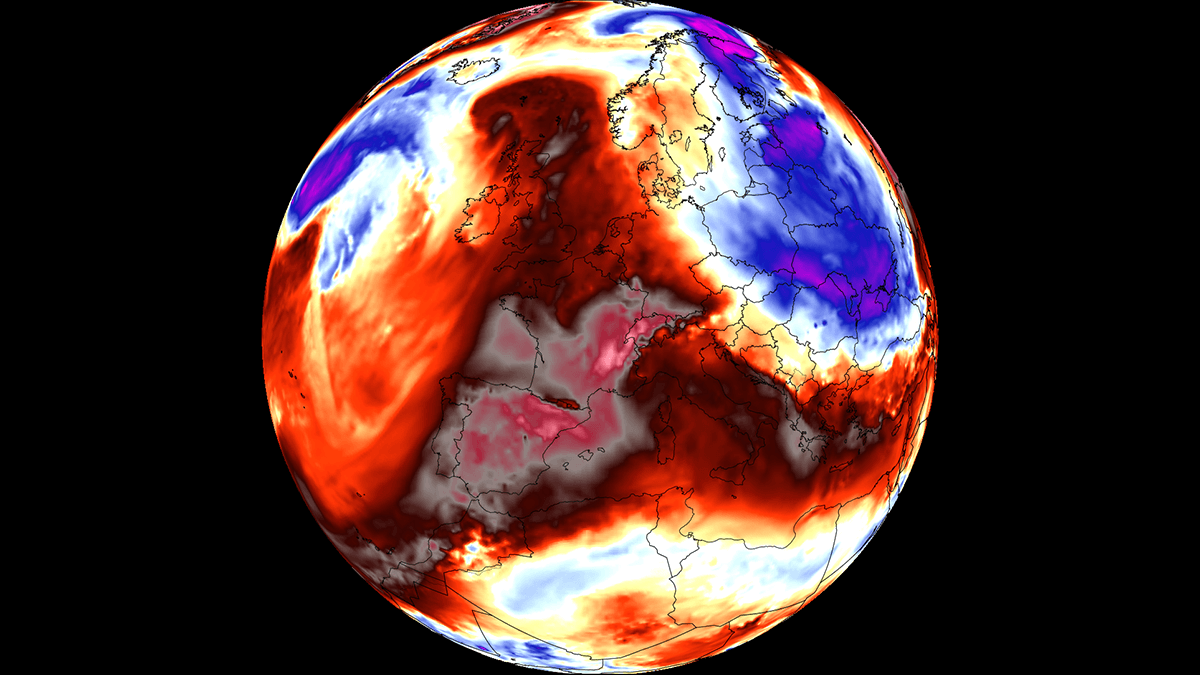
EUROPE — As the calendar turns from meteorological summer to early autumn, a ferocious and unseasonal atmospheric phenomenon is tightening its grip on the European continent. A powerful early-September "heat dome" is expanding rapidly across Southern Europe and the Mediterranean basin, driving an intense late-season heatwave that threatens to shatter longstanding temperature records.
Forecasters warn that surface temperatures are expected to soar into the upper 30s, locally exceeding 40°C (104°F) to 44°C (111°F) across parts of Spain, Portugal, Italy, and the Balkan Peninsula. Driven by a broad, unrelenting warm plume surging northward out of North Africa, this sprawling upper-level thermal anomaly is setting the stage for an extraordinary period of extreme weather that will test regional infrastructure, public health networks, and energy grids well into mid-September.
Main Facts: Anatomy of an Unseasonal Heat Dome
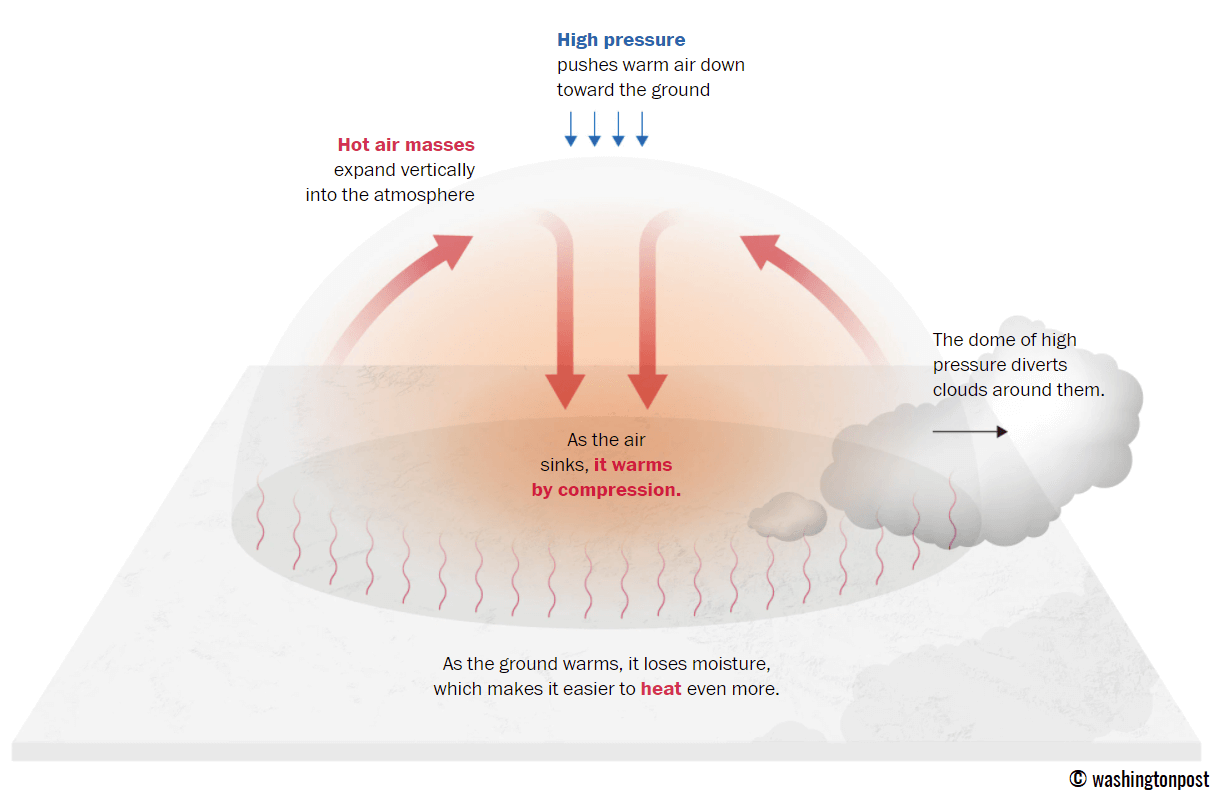
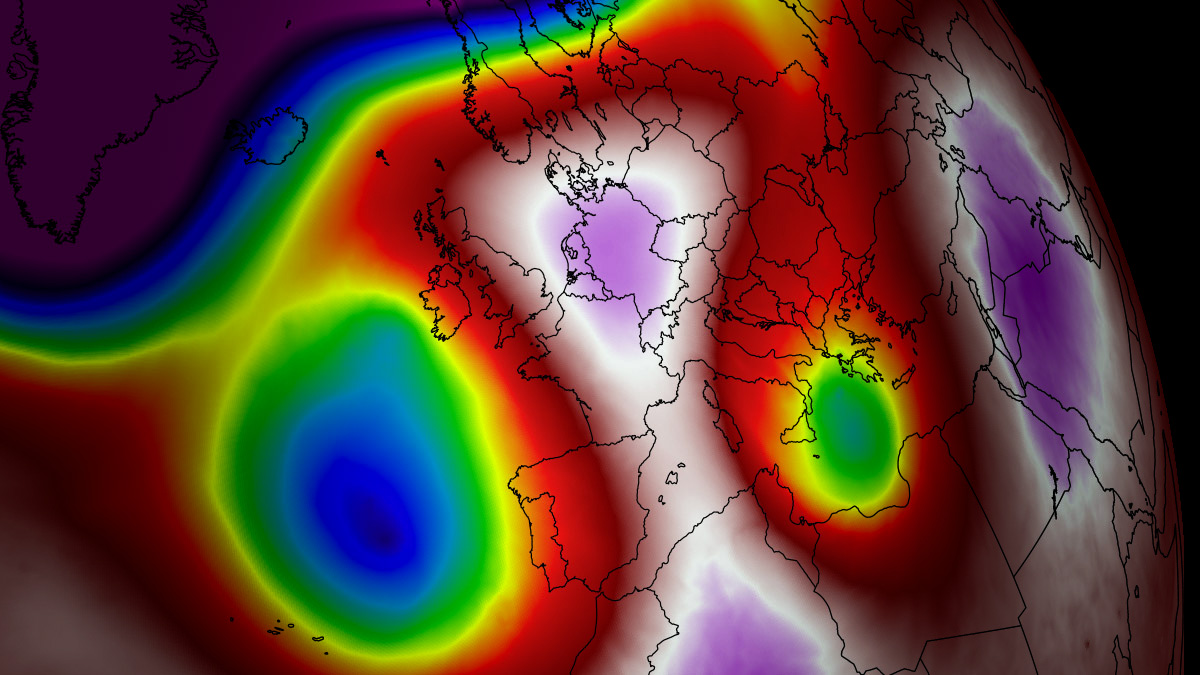
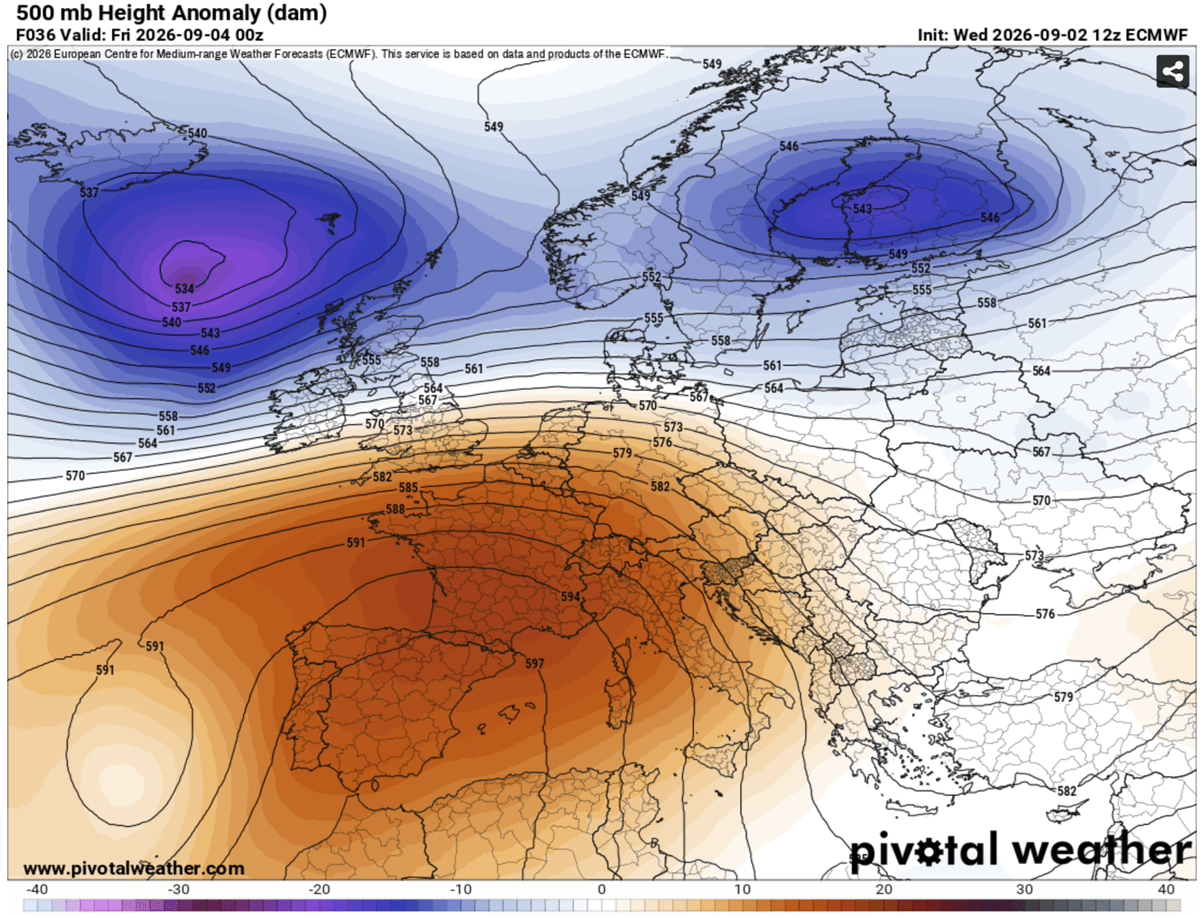
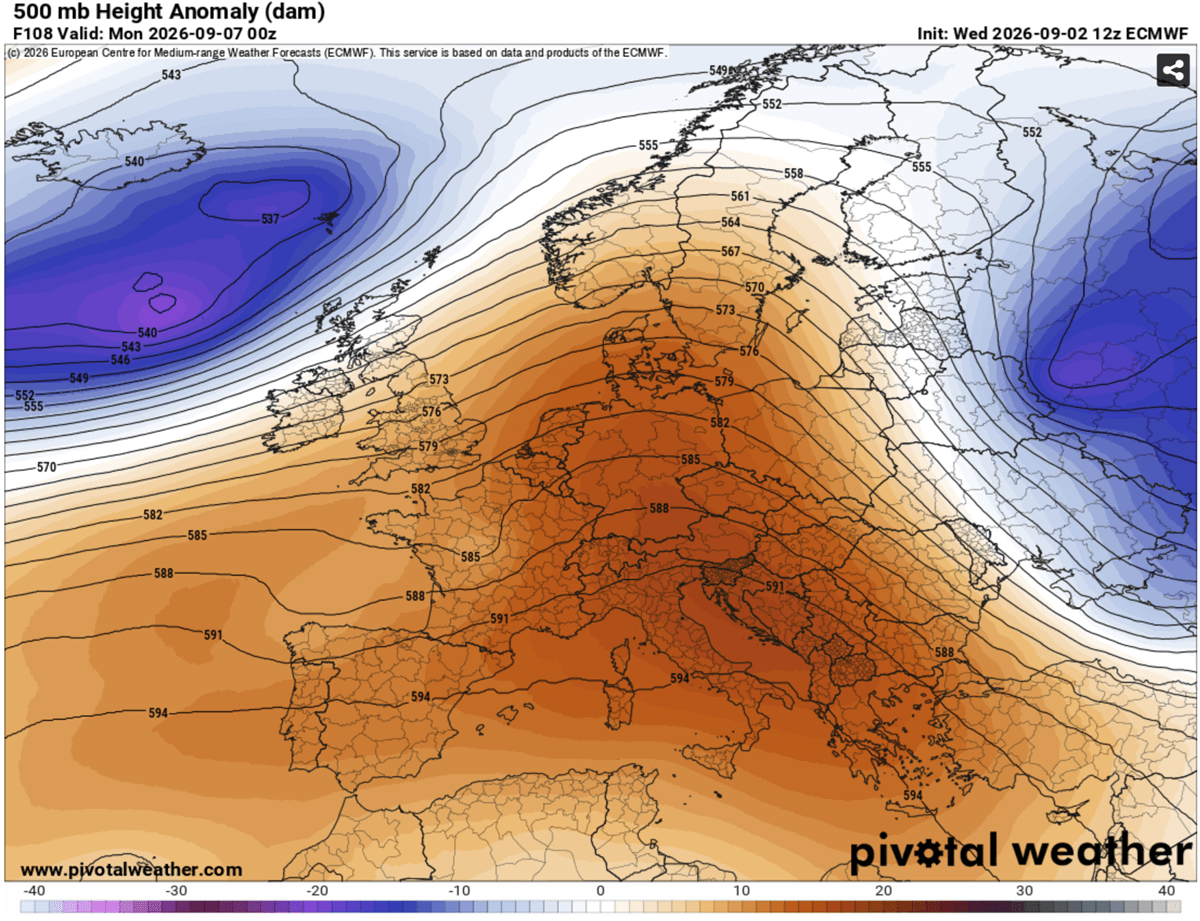
The primary architect of this late-summer weather crisis is an expansive, highly stable blocking high-pressure system parked squarely over the Mediterranean Basin.
At its core, a heat dome functions much like a lid on a pot. The atmospheric setup traps vast reservoirs of warm air at all levels, forcing descending air masses to undergo adiabatic compression—a process that rapidly warms and dries the lower atmosphere. As this high-pressure ridge intensifies, dry continental winds sweep across the region, aggressively depleting vital soil moisture and baking low-lying valleys and coastal interiors.
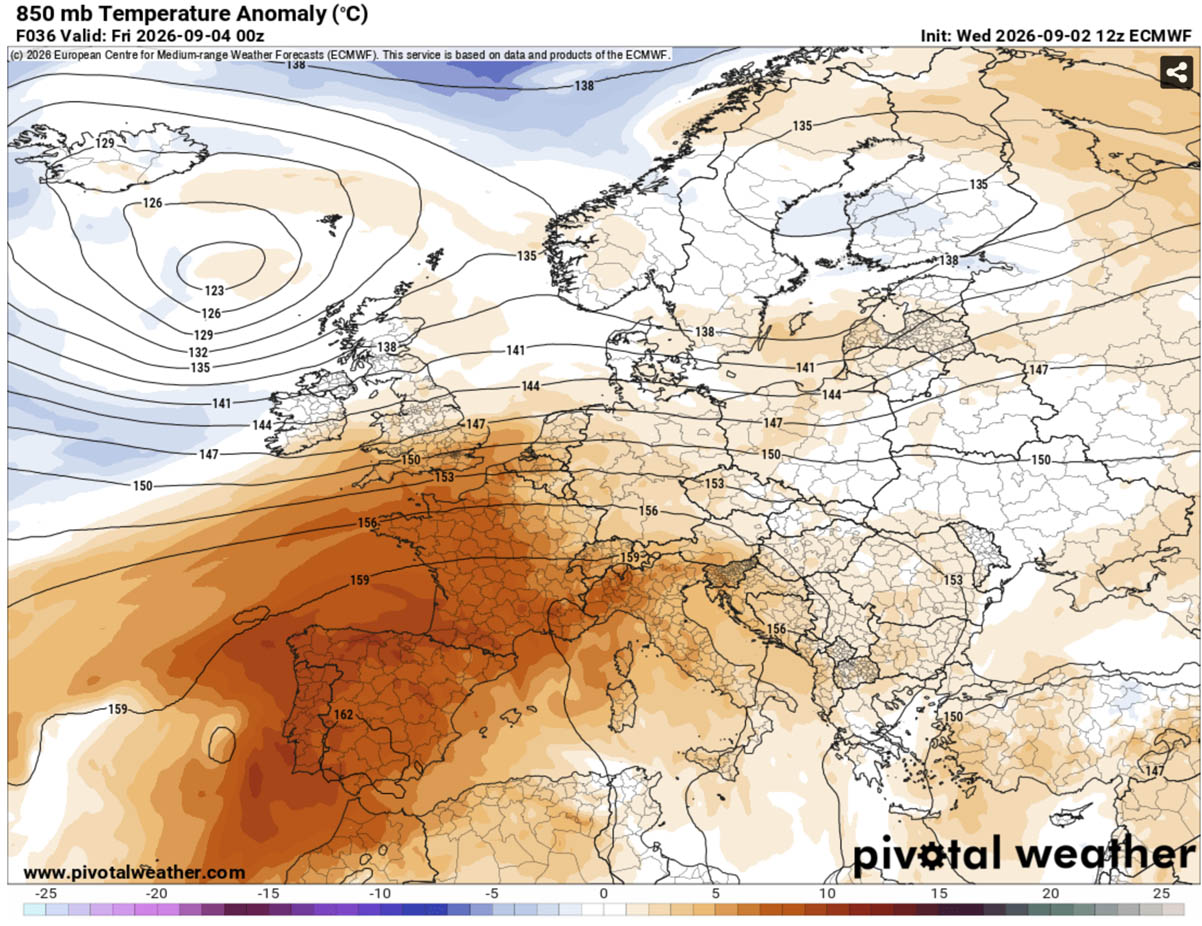
- Temperature Departures: Across large swathes of Spain, France, Italy, and the Balkans, forecasted 2-meter surface temperatures are tracking 10°C to 14°C above long-term seasonal averages for early September.
- Geographic Spread: The thermal anomaly is heavily concentrated over the Iberian Peninsula and southern France before marching eastward into Italy and central Europe.
- Nocturnal Relief Absent: One of the most dangerous signatures of this event is the persistence of suffocating "tropical nights." Overnight lows are projected to refuse to drop below 22°C to 25°C (72°F–77°F) in major urban corridors, depriving human bodies of the crucial physiological recovery window required during prolonged heat events.
Chronology of the Event: A Progression Across Europe
The evolution of this heatwave follows a distinct, multi-day synoptic progression driven by the interaction between deep North Atlantic low-pressure systems and the expanding continental high-pressure ridge.
Phase 1: The Iberian Siege (Thursday – Friday)
The onslaught began in southwestern Europe. Driven by a direct warm plume from North Africa, peak daytime highs on Thursday and Friday surged to between 40°C and 44°C across central and southern Spain and mainland Portugal. Central and northeastern Spain faced prolonged conditions in the upper 30s to near 40°C, accompanied by critically low humidity levels that immediately escalated wildfire risks.
Phase 2: Expansion into France and Western Europe (Friday – Monday)
As the upper-level ridge expanded aloft, the core of the heat dome drifted northward and eastward. Southern and central France bore the brunt of this phase, with interior regions experiencing temperatures climbing into the mid-to-upper 30s. Meanwhile, farther north, the United Kingdom experienced a milder, albeit unusually warm, short-lived spell with daytime highs reaching the mid-to-upper 20s across south-central England and Wales through Sunday, while Ireland and Scotland remained in the low 20s.
Phase 3: Mediterranean Peak and Balkan Surge (Friday – Mid-Next Week)
Over the weekend and into the early days of next week, the thermal dome pivots eastward. The Mediterranean and the Balkan Peninsula are bearing the heaviest impacts. Italy—particularly the Po Valley in the north and Tuscany in the central regions—alongside Greece and the central Balkans, is seeing temperatures peak between 38°C and 41°C. These persistent highs are actively challenging early September records set in previous decades.
Supporting Data & Atmospheric Dynamics
Meteorological models analyzed by organizations like PivotalWeather and WXcharts highlight the sheer scale of the 850 hPa temperature anomalies accompanying this ridge.
[North Atlantic Low] ---> [Blocking High-Pressure Ridge ("Heat Dome")] ---> [Sinking & Adiabatic Compression]
                                                                                      |
                                                                       [Surface Temperatures: 38°C - 44°C]
                                                                       [Tropical Nights: Lows > 22°C - 25°C]
Unlike transient summer heatwaves, this event is characterized by its remarkable persistence, sustained by an "Omega block" pattern that effectively stalls weather systems across the continent.
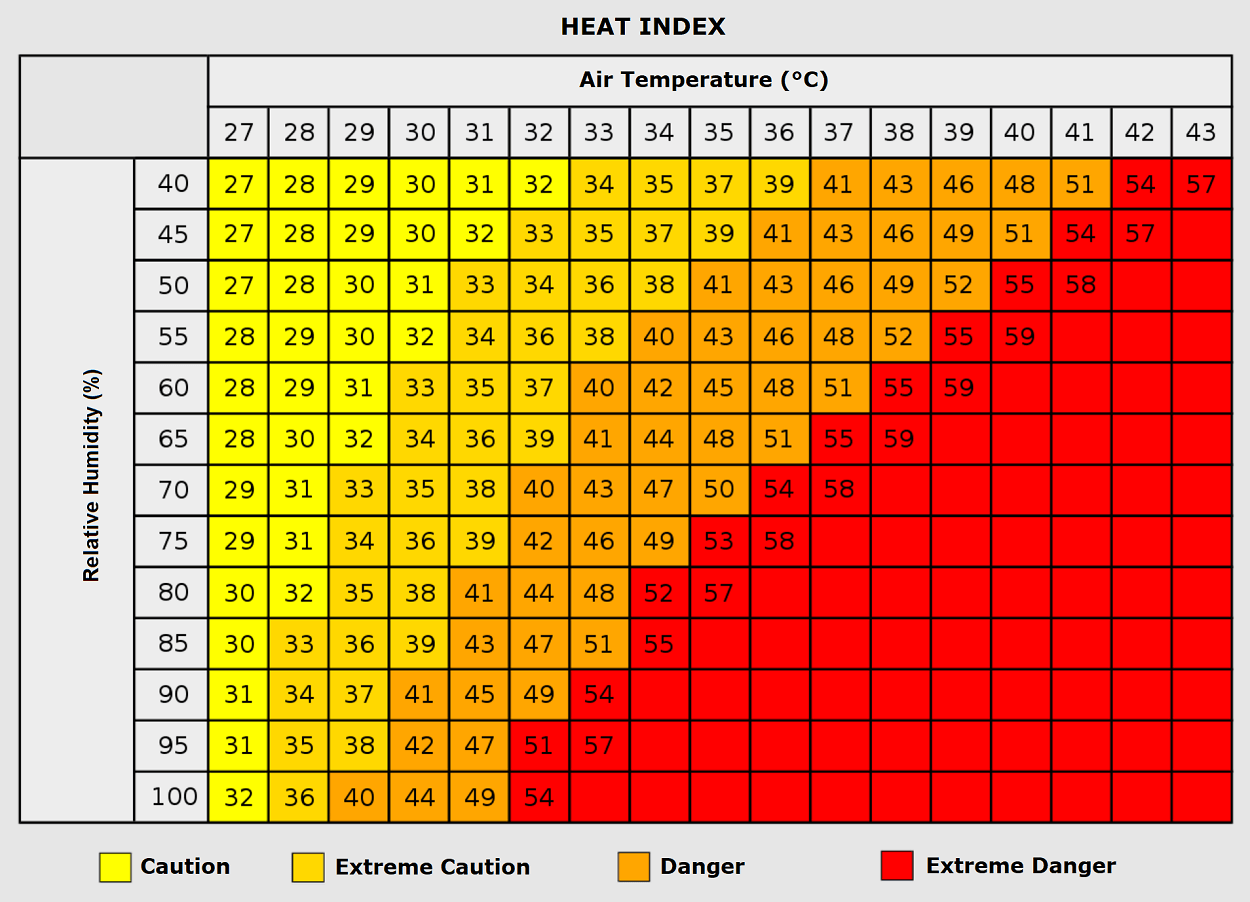
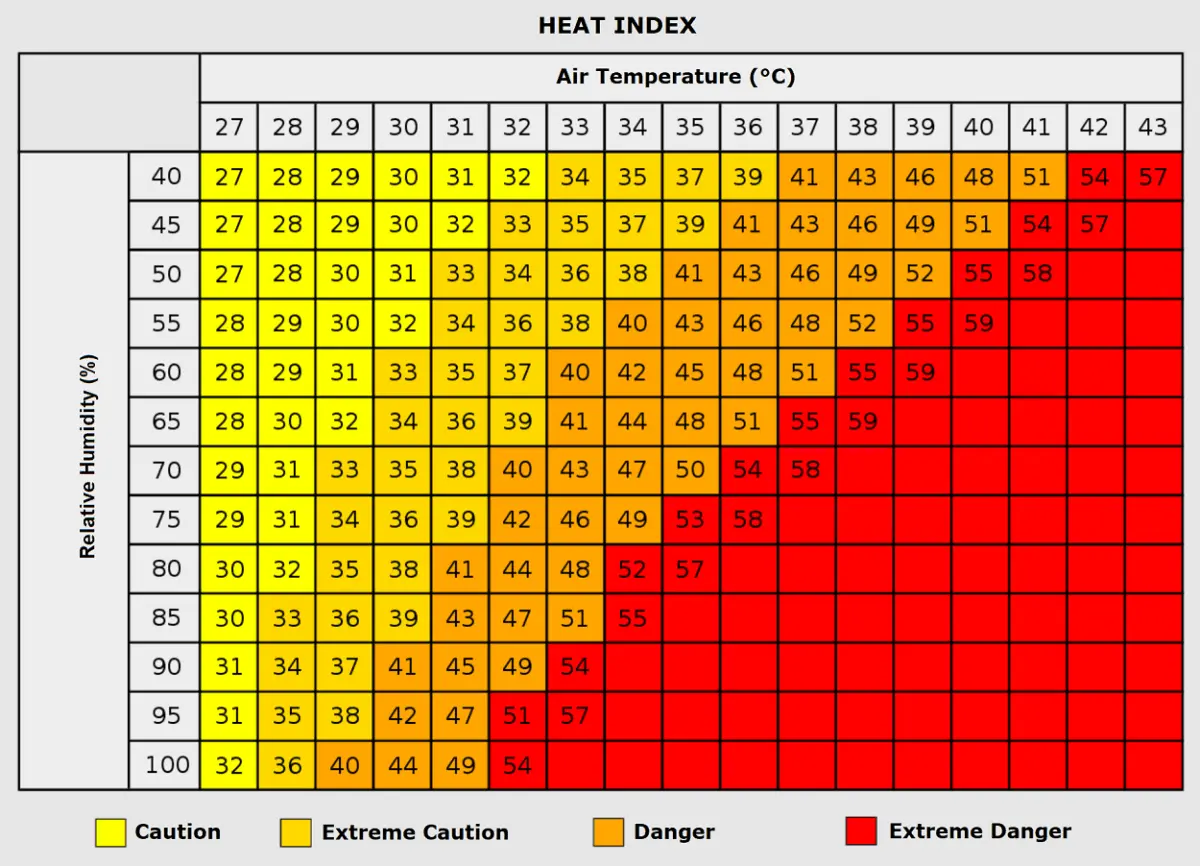
Furthermore, the relationship between temperature and relative humidity—quantified via the Heat Index—intensifies the physiological hazard. When air temperatures hover around 35°C, humidity levels above 80% can cause the human body to perceive environmental heat equivalent to nearly 50°C (122°F). Even in drier air masses where humidity remains below 60%, the sheer magnitude of the raw heat places immense strain on outdoor laborers and vulnerable populations.
Official Responses and Societal Implications
The convergence of record-breaking September heat, a lack of overnight cooling, and severe dryness has triggered widespread concern among civil protection agencies, health authorities, and energy operators across the affected nations.
Public Health and Vulnerability
Health officials have issued urgent warnings, noting that prolonged heatwaves carry cumulative physiological tolls. Vulnerable demographics—including the elderly, young children, and individuals with pre-existing cardiovascular or respiratory conditions—face sharply elevated risks of heat exhaustion, heatstroke, heart attacks, and strokes.
Socio-economic factors heavily dictate vulnerability. Urban residents living in densely built environments characterized by heat-absorbing concrete, asphalt, and substandard insulation face extreme indoor thermal stress. Similarly, outdoor workforce populations, such as agricultural laborers in southern Spain and construction crews in Italy, face life-threatening conditions during peak afternoon hours, prompting calls for mandatory work-hour adjustments.
Infrastructure and Energy Grids
- Power Demand Surges: The relentless heat has driven regional energy demand skyward as residential and commercial air conditioning units operate at maximum capacity around the clock.
- Wildfire Hazards: Dried mountain slopes and parched agricultural lands across the Iberian Peninsula, southern France, and the Balkans are operating under heightened wildfire alerts. The combination of high temperatures, low relative humidity, and dry continental winds creates a volatile environment where small ignitions can rapidly evolve into catastrophic blazes.
- Water Resources: Rapid soil moisture depletion is accelerating agricultural drought conditions, placing additional stress on irrigation systems and river watersheds already strained by a dry summer season.
Looking Ahead: A Dramatic Pattern Flip?
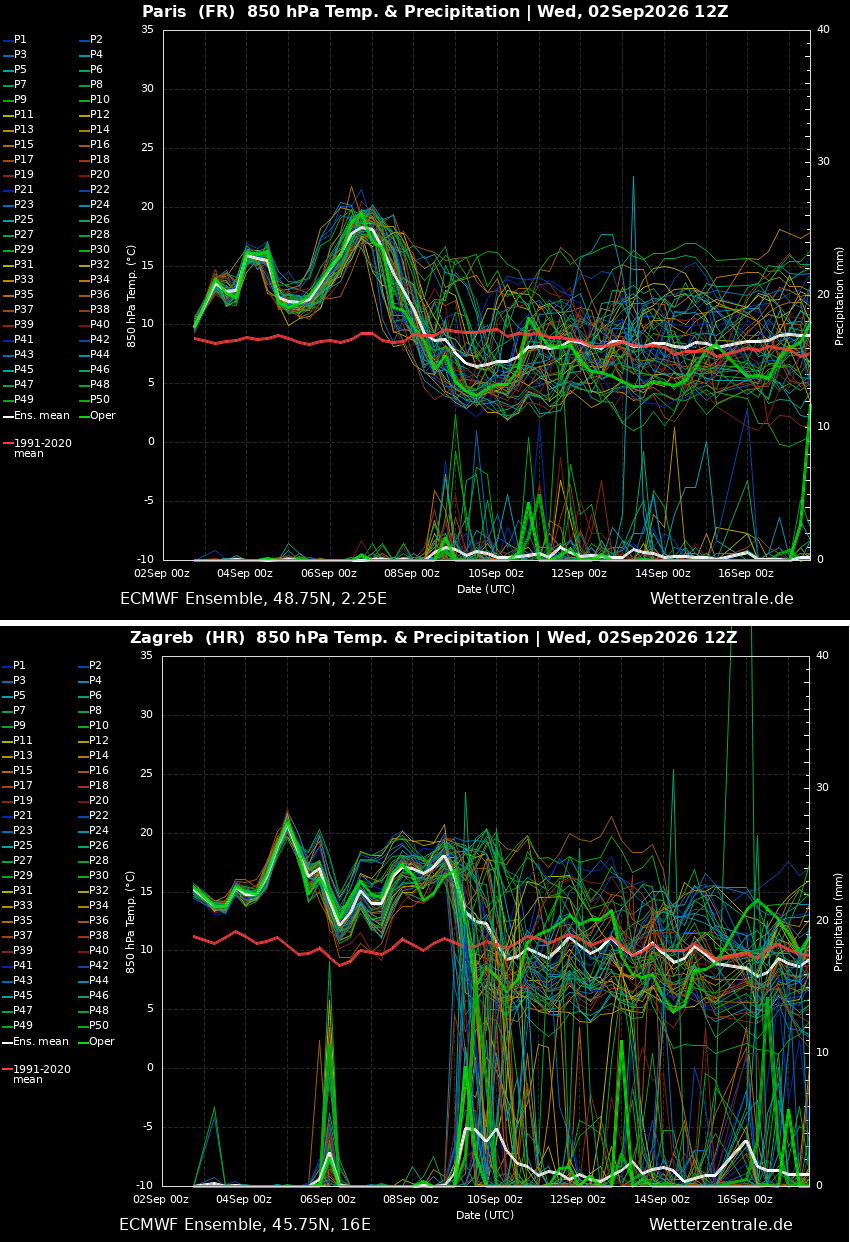
Fortunately, meteorological models indicate that this punishing early-September heat dome will not be permanent. Long-range ensemble forecasts point toward a significant pattern flip slated for the latter half of next week.
As an upper-level ridge builds over the North Atlantic, a deep, cold-air mass intrusion is projected to carve its way into Western Europe by mid-week. This dynamic transition is expected to dismantle the blocking high-pressure system, sweeping away the stagnant heat dome and replacing it with a much cooler, maritime air mass.
While this forthcoming atmospheric shift promises much-needed thermal relief and cooler temperatures, meteorologists warn that the abrupt transition from extreme heat to a cooler, moist regime could trigger severe weather events, including intense thunderstorms and localized flash flooding across parts of western and central Europe.
Authorities advise the public to remain vigilant, monitor local meteorological updates closely as the pattern evolves, and adhere strictly to heat-safety advisories through the remainder of this historic early-autumn heatwave.
