SUDBURY, Ontario — Deep beneath the rugged, mineral-rich terrain of Northern Ontario, a quiet revolution is taking place. At the Craig Mine in Sudbury, mining giant Glencore Canada has achieved a critical shaft development milestone at its flagship Onaping Depth project. For the first time, miners have accessed a fresh, high-grade orebody sitting approximately 8,500 feet below the surface.
What makes this multi-billion-dollar subterranean venture truly groundbreaking, however, is not just the sheer depth or the immense wealth of nickel and copper waiting in the dark—it is the machinery used to extract it. The Onaping Depth project is pioneering a completely emission-free, battery-electric mining operation, setting a new global benchmark for sustainable resource extraction in the clean energy era.
Main Facts: A $2 Billion Vision Powered by Heavy-Duty EVs
The Onaping Depth project represents a massive financial and technological commitment to Canada’s mining future. Valued at roughly $2 billion—encompassing the underground development, the Craig mine concentrator, and local smelting infrastructure—the project is designed to secure a steady domestic supply of critical minerals essential for the global transition to clean energy.
Nickel and copper are foundational pillars of the electric vehicle (EV) revolution, renewable energy storage infrastructure, and modern electrical grids. As demand for these transition metals skyrockets worldwide, producers face mounting pressure to lower the carbon footprint of their extraction processes. Glencore is tackling this challenge head-on by replacing traditional, diesel-guzzling heavy machinery with an entirely battery-electric fleet.
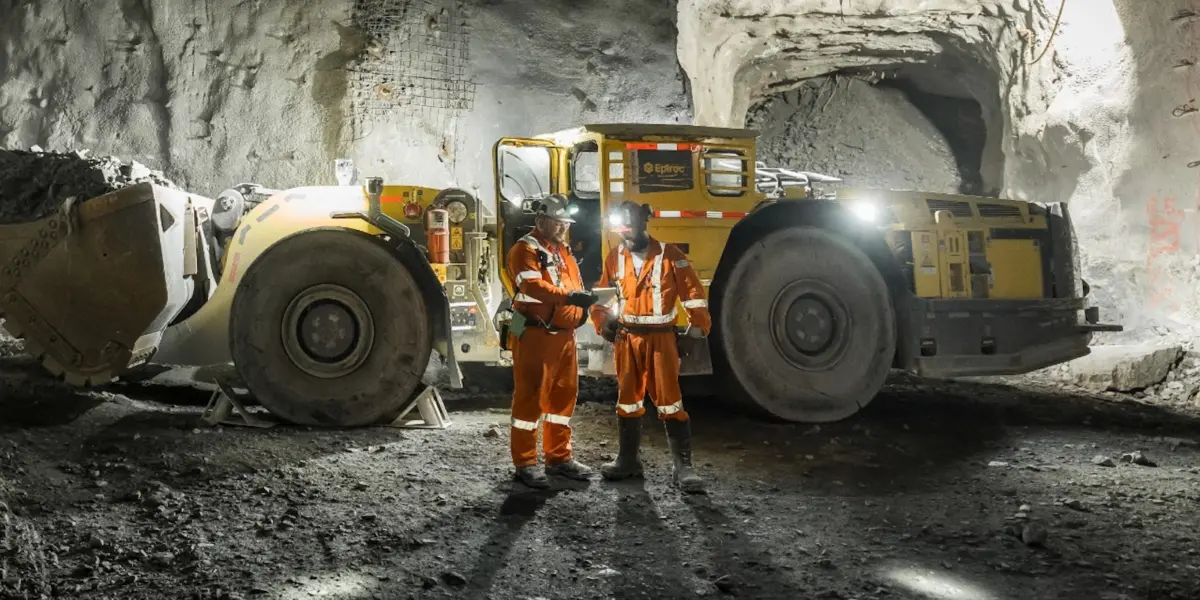
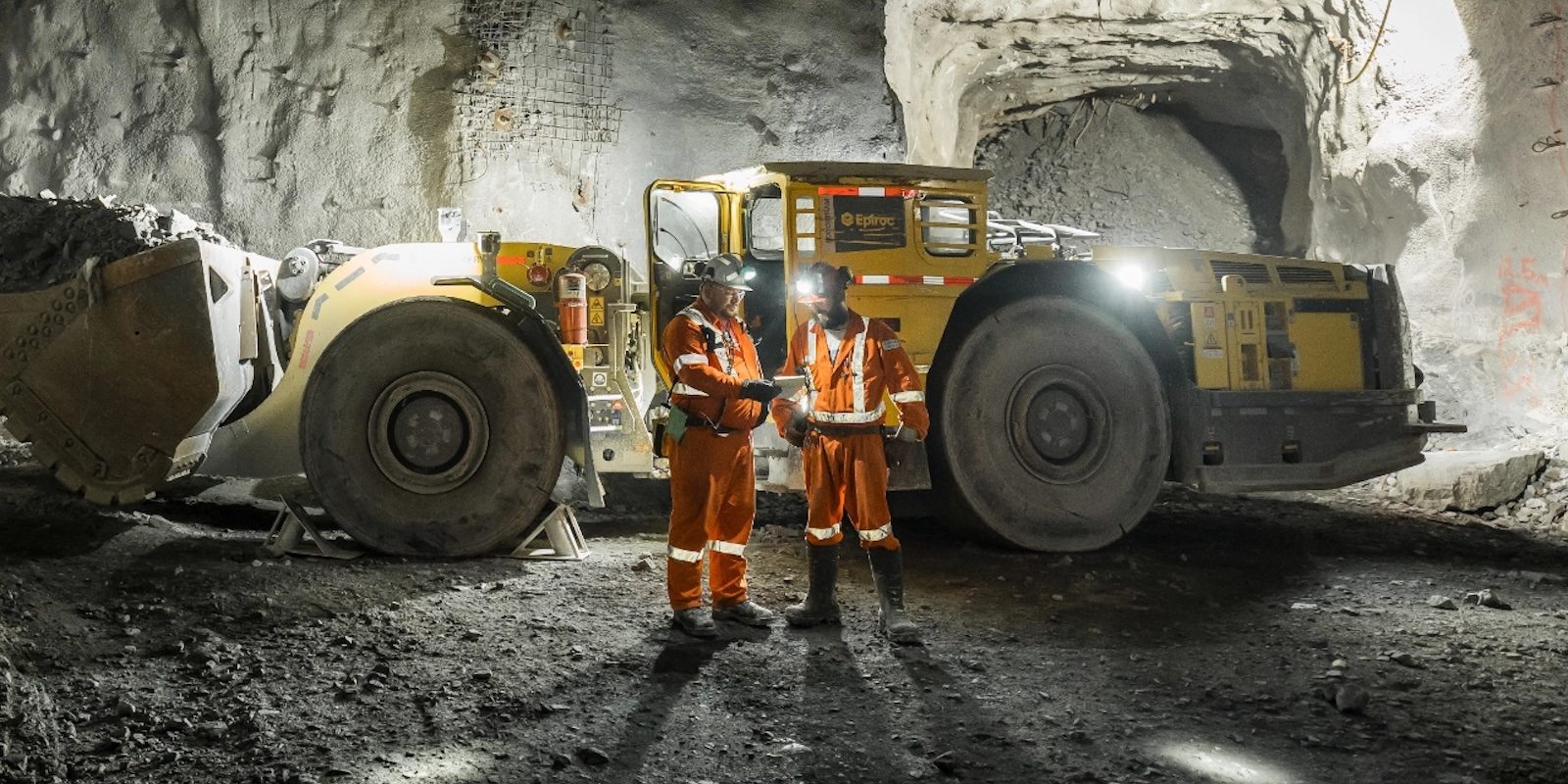
The centerpiece of this strategy is a heavy-duty deployment of 23 specialized, zero-emission subterranean machines supplied by heavy equipment manufacturer Epiroc. This custom fleet handles every phase of the traditional underground mining cycle, proving that heavy industry can decarbonize even in the most extreme, remote environments.
Chronology: From Concept to Subterranean Reality
The journey to unlock Sudbury’s deep-level reserves has been years in the making, marked by steady engineering milestones and high-profile political and community engagement:
Project Inception & Planning: Recognizing the declining grades of near-surface deposits, Glencore targeted the deep nickel and copper reserves sitting more than a mile and a half beneath Sudbury. Planning began with sustainability at the forefront, prioritizing a transition away from conventional fossil-fuel-powered equipment.
The Epiroc Partnership: Glencore partnered with equipment manufacturer Epiroc to design, source, and test a robust fleet of battery-electric underground vehicles capable of operating reliably under extreme pressures and temperatures found 8,500 feet underground.
Recent Milestones: Last week, Glencore officially welcomed Ontario Premier Doug Ford, alongside Indigenous community leaders, industry representatives, and local stakeholders, to the Craig Mine. The VIP delegation gathered to celebrate the breakthrough moment when development crews successfully intersected the new orebody using the electric fleet.
Looking Toward 2040: With shaft development milestones now achieved, the project marches toward full commercial production, which will extend active mining operations in the Sudbury Basin well past the year 2040.
Supporting Data: Inside the Electric Underground Fleet
Operating heavy machinery thousands of feet underground presents unique logistical and engineering hurdles, primarily concerning ventilation, thermal management, and power distribution. Glencore’s transition to a 23-machine battery-electric fleet directly addresses these systemic challenges.
The specialized Epiroc lineup deployed at Onaping Depth covers the full spectrum of underground mining operations:
Scooptram ST14 SG Battery-Electric Loaders: Agile and powerful, these loaders are responsible for scooping and hauling broken rock and ore away from the blast face without generating noxious diesel particulate matter.
Minetruck MT42 Battery Haul Trucks: Massive underground dump trucks capable of carrying payload capacities of up to 42 tonnes, moving heavy loads up ramp systems efficiently.
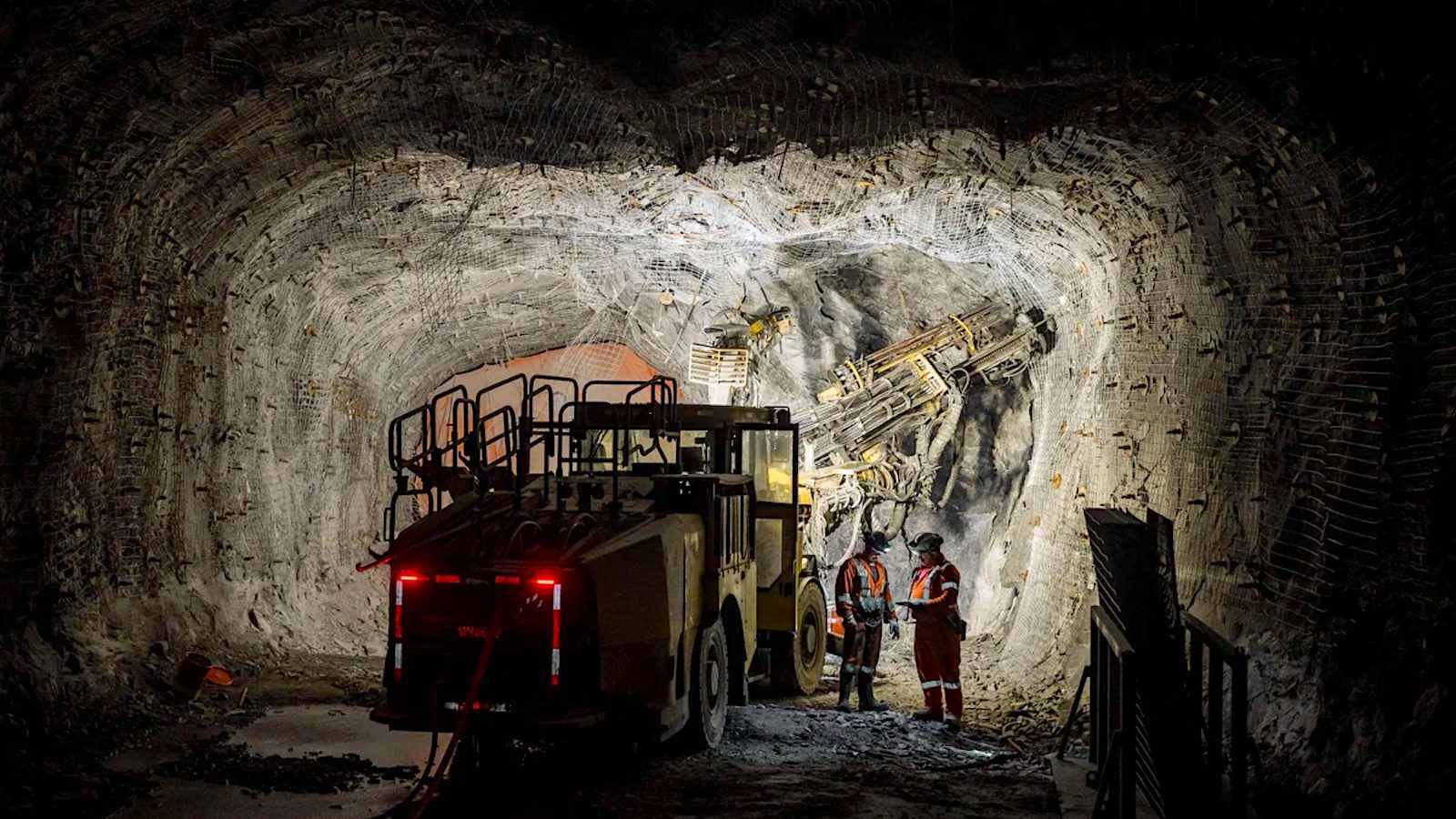
Boomer E2 Battery Development Drills: Precision automated drilling rigs used to bore blast holes into the rock face.
Boltec & Cabletec Machines: Mechanized rock-reinforcement and cable-bolting units ensuring structural integrity in deep, high-stress rock environments.
Simba Production Drills: Specialized rigs utilized for long-hole drilling to extract the primary orebody efficiently.
By eliminating diesel exhaust underground, the mine fundamentally changes its thermodynamic profile. Conventional diesel engines require immense volumes of fresh air to be pumped down deep shafts to dilute toxic gases, consuming massive amounts of electricity just for ventilation and cooling fans.
Official Responses and Industry Leadership
The integration of advanced battery-electric technology into a Tier-1 mining operation has drawn praise from corporate executives and government officials alike.
Glencore Canada Chief Operating Officer Peter Xavier emphasized the profound operational and environmental advantages of ditching fossil fuels in deep-shaft mining.
"Eliminating diesel emissions means less ventilation and cooling requirements, which are traditionally among the largest energy demands in underground mining," Xavier explained. "The use of battery electric vehicles and the benefits they bring is helping to support both Glencore’s broader sustainability objectives and Canada’s net zero ambitions."
Ontario Premier Doug Ford, present at the celebration of the milestone, lauded the project as a testament to the province’s economic strength and its ability to responsibly supply the world with critical minerals. The involvement of Indigenous leaders and regional stakeholders further highlights a collaborative approach to resource development—one that prioritizes long-term economic stability and environmental stewardship.
Implications: Securing Sudbury’s Future and Canada’s Clean Energy Supply Chain
The successful advancement of the Onaping Depth project carries far-reaching implications for the domestic mining sector and the global EV supply chain:
1. Extended Longevity for a Historic Mining Hub
Sudbury has long been recognized as one of the world’s premier mining capitals. However, as legacy shallow orebodies are depleted, miners must dig deeper to maintain production. The $2 billion investment into Onaping Depth ensures that the Craig Mine and its associated concentrator and smelter facilities will remain operational for decades. Once fully running at scale, the project will safeguard more than 400 permanent, high-paying jobs, anchoring the regional economy through 2040 and beyond.
2. A Blueprint for Sustainable Mining
The mining industry is historically carbon-intensive, often facing public skepticism regarding environmental impacts. By demonstrating that an 8,500-foot-deep operation can be successfully developed using a heavy-duty electric fleet, Glencore is providing a scalable blueprint for the rest of the global mining sector. Reduced ventilation demands translate directly to lower electricity consumption, lower operational costs, and a vastly reduced carbon footprint.
3. Strengthening the Western EV Supply Chain
As geopolitical tensions and supply chain vulnerabilities push automakers to source critical materials closer to home, projects like Onaping Depth are of paramount strategic importance. By tapping into stable, high-grade domestic reserves of nickel and copper under rigorous environmental and labor standards, Canada cements its role as an indispensable partner in the global transition toward vehicle electrification and renewable energy infrastructure.
Ultimately, the Onaping Depth project proves that the future of heavy industry does not have to come at the expense of the planet. By marrying cutting-edge battery technology with traditional mining expertise, Glencore is digging deep into the Earth to help build a cleaner, greener future above ground.