

Introduction and Main Facts
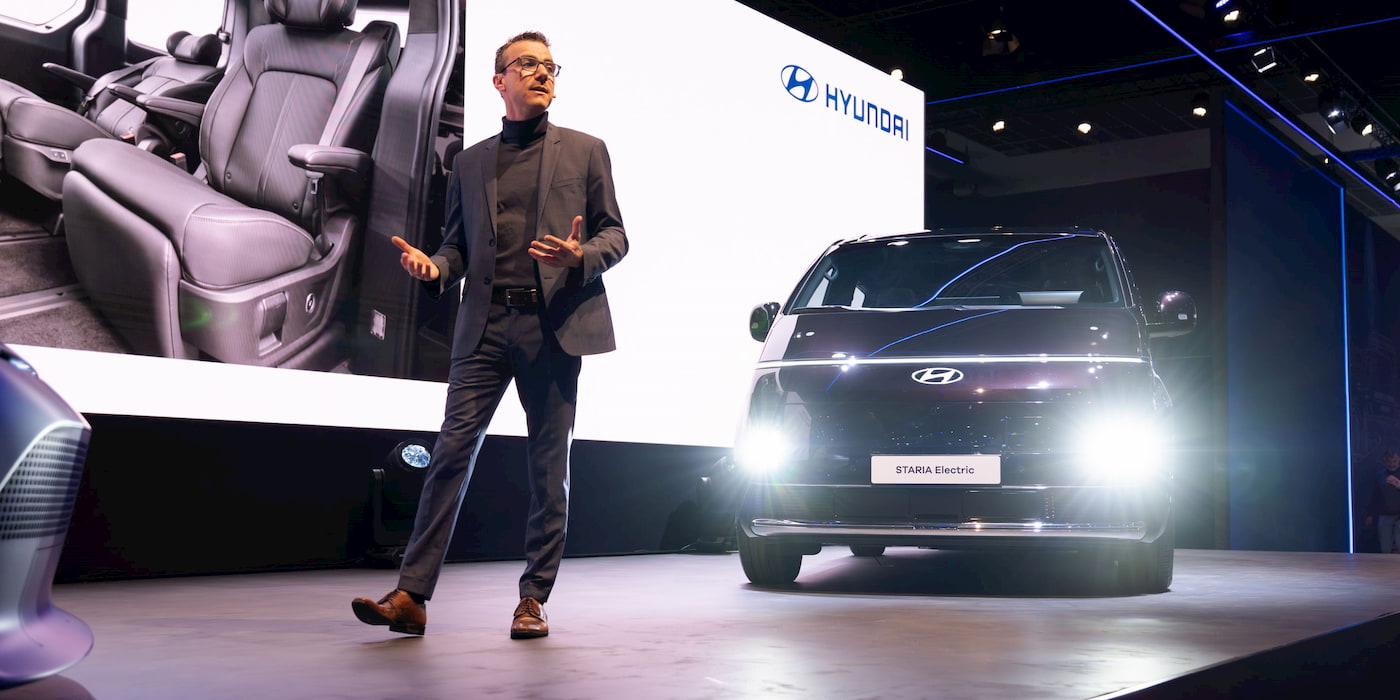
Hyundai Motor Group continues to accelerate its ambitious transition toward a fully electrified future with a major expansion of its global electric vehicle (EV) lineup. Following its initial debut at the Brussels Motor Show in January, Hyundai has officially opened order books for the Staria Electric across Europe and select global markets, including a commercial variant, the Staria Load Electric, in Australia.
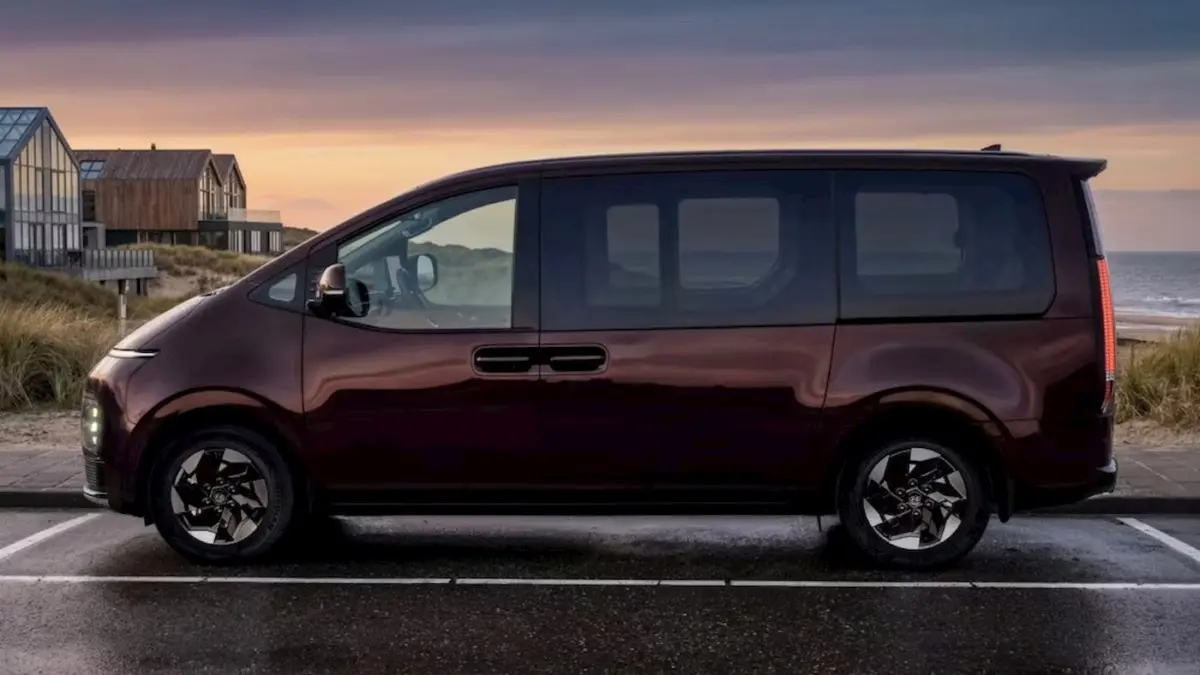
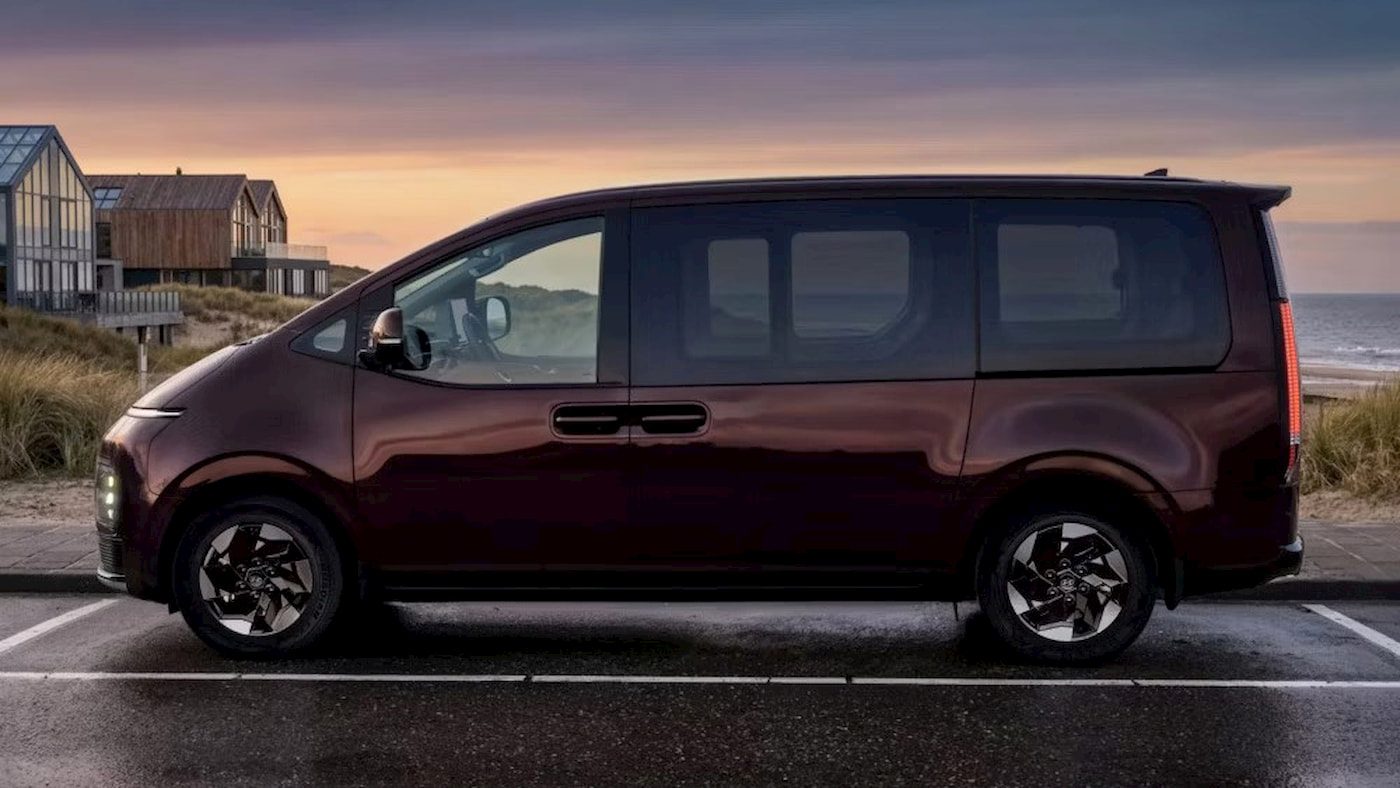
Positioned as a spacious, highly versatile multi-purpose vehicle (MPV), the Staria Electric significantly outscales competitors like the Kia PV5 and the Volkswagen ID. Buzz. Measuring an impressive 5,253 mm in length and offering flexible 7- and 9-seat configurations, the van is designed to cater to large families, shuttle services, and commercial operations alike.
Concurrently, Hyundai has launched the IONIQ 3, a compact urban EV tailored specifically for European buyers seeking an accessible entry point into the brand’s dedicated electric ecosystem. Together, these releases underscore Hyundai’s aggressive strategy to dominate multiple vehicle segments—from commercial cargo hauling and large passenger transport to affordable city commuting.
Chronology: From Brussels Debut to Global Rollout
The journey of the Staria Electric from a concept-stage showcase to a production reality reflects Hyundai’s streamlined development and manufacturing pipeline:
- January: Hyundai officially pulls the covers off the Staria Electric at the Brussels Motor Show, giving the public its first look at the battery-electric iteration of its popular futuristic MPV, which had previously been available only in internal combustion engine (ICE) formats across Europe, South Korea, and other international markets.
- Early 2025/2026 (Domestic Launch): Hyundai kicks off the regional rollout by opening domestic orders in South Korea, gathering crucial real-world data and refining production efficiencies.
- September (European Expansion): Hyundai opens official European order books, starting in Germany, alongside the commercial Staria Load Electric rollout in Australia. Simultaneously, the automaker introduces the smaller IONIQ 3 to the European market, establishing a robust dual-front EV launch window.
Supporting Data: Specifications, Pricing, and Trims
Hyundai Staria Electric: Dimensions and Performance
The Staria Electric is built on a robust architecture that maximizes interior volume without compromising on aerodynamic efficiency.
- Dimensions: 5,253 mm (206.8 inches) long, 1,997 mm (78.6 inches) wide, and 1,990 mm (78.3 inches) high, with a substantial 3,273 mm (128.8 inches) wheelbase. This makes it roughly 200 mm longer than Hyundai’s flagship three-row IONIQ 9 SUV.
- Powertrain: Equipped with an 84 kWh battery pack paired with a 160 kW (218 hp) front-mounted electric motor.
- Range: Delivers up to 430 km (267 miles) of driving range on a single charge under the Worldwide Harmonised Light Vehicles Test Procedure (WLTP).
- Charging Capability: Utilizing an advanced 800V electrical architecture, the Staria EV supports ultra-fast DC charging up to 350 kW, enabling a 10% to 80% state-of-charge replenishment in approximately 20 minutes.
- Utility: Features Vehicle-to-Load (V2L) technology, transforming the vehicle into a mobile power bank capable of running external electronics, tools, or campsite equipment. The 9-seat configuration offers up to 1,303 liters of luggage capacity, complemented by a 24-liter front trunk (frunk).
Trim Levels and Pricing in Germany
European consumers in Germany can choose from three distinct trim configurations tailored to varying passenger and luxury needs:
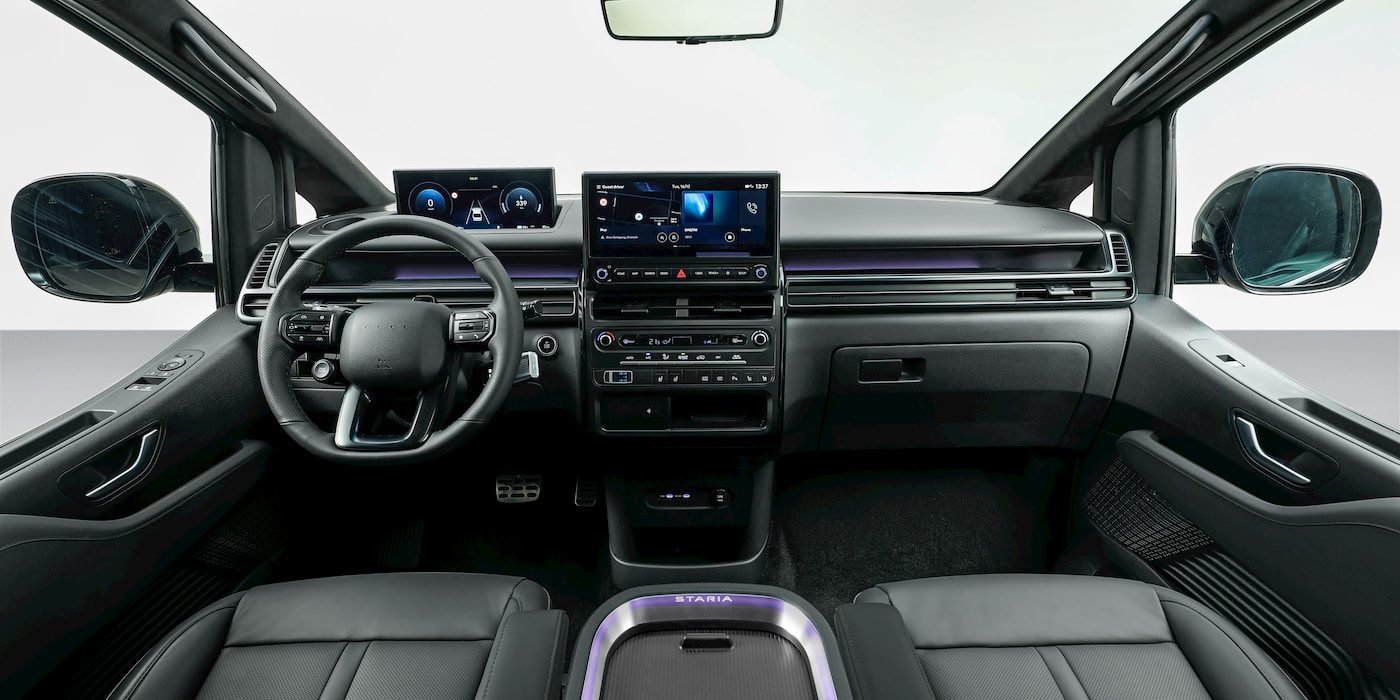
- Trend (9-Seater Base Model): Starting at €57,450 (approx. $66,500), with lease options beginning at €489 ($570) per month. It delivers robust everyday functionality with sliding doors, a flat-floor layout, and dual 12.3-inch infotainment and instrument clusters running Hyundai’s latest connected car Navigation Cockpit (ccNC) software with wireless Apple CarPlay and Android Auto.
- Prime (9-Seater Mid-Tier): Priced at €63,350 (approx. $73,500). This variant upgrades passenger convenience by adding power-operated sliding doors on both sides, an electric tailgate, second- and third-row sliding windows with integrated sunshades, Highway Driving Assist 1.5, a blind-spot view monitor, and a convenient 230V cabin socket.
- Calligraphy (7-Seater Range-Topper): Retailing at €66,950 (approx. $77,800). Designed for executive transport or ultimate family comfort, it adds full LED projection headlights, multi-color ambient lighting, a premium BOSE sound system, Passenger View and Talk Mode, luxurious Nappa leather upholstery, and two individual second-row "relaxation" seats equipped with heating, ventilation, and power-adjustable settings.
Commercial and Companion Offerings
- Staria Load Electric (Australia): Priced at 70,990 AUD (before on-road costs), undercutting key commercial rivals like the Ford E-Transit Custom (which starts at 77,890 AUD).
- IONIQ 3 (Europe): Serving as Hyundai’s smallest compact EV, it lowers the barrier to entry for the IONIQ family, starting at €28,950 ($33,000) with monthly leases as low as €209 ($240).
Official Responses and Strategic Vision
Hyundai executives have emphasized that the rollout of the Staria Electric and IONIQ 3 represents a direct response to diverse consumer demands across global demographics. While North American buyers lean heavily into large SUVs and crossovers—such as the Hyundai IONIQ 5 and the three-row IONIQ 9—European and Asian markets demand highly efficient multi-purpose vehicles capable of navigating tight urban spaces while maximizing passenger utility.
Regarding regional availability, Hyundai representatives have clarified that neither the Staria Electric nor the compact IONIQ 3 are currently slated for the United States market. The gas-powered Staria was never introduced to the US, and the IONIQ 3 was specifically engineered to meet European urban standards and regulatory frameworks. Instead, Hyundai will maintain its focus in North America on expanding adoption of its award-winning IONIQ SUV lineup.

Market Implications
The launch of the Staria Electric has significant implications for the commercial and large-family EV sector:
- Redefining the MPV Space: By offering a 9-seat configuration with an 800V charging architecture, Hyundai is leapfrogging competitors who rely on slower 400V systems. The rapid 20-minute charging time addresses one of the primary pain points for fleet operators and long-distance family transporters.
- Pressure on Legacy Van Manufacturers: With the Staria Load Electric undercutting established commercial competitors like Ford in Australia, legacy automakers face mounting pressure to deliver cost-effective, high-capacity electric work vans.
- Broadened Demographic Reach: Coupled with the entry-level pricing of the IONIQ 3 in Europe, Hyundai is successfully capturing both ends of the volume market—securing budget-conscious city drivers while simultaneously providing luxury-tier people-movers for high-end shuttle services and large families.
