

MADRID/LISBON — An unforgiving atmospheric furnace is rapidly expanding across southwestern Europe, setting its sights squarely on the Iberian Peninsula. Meteorological agencies across Spain and Portugal are issuing severe warnings as an intense, potentially record-shattering heatwave threatens to drive afternoon temperatures into a staggering 45°C to 47°C range this week.
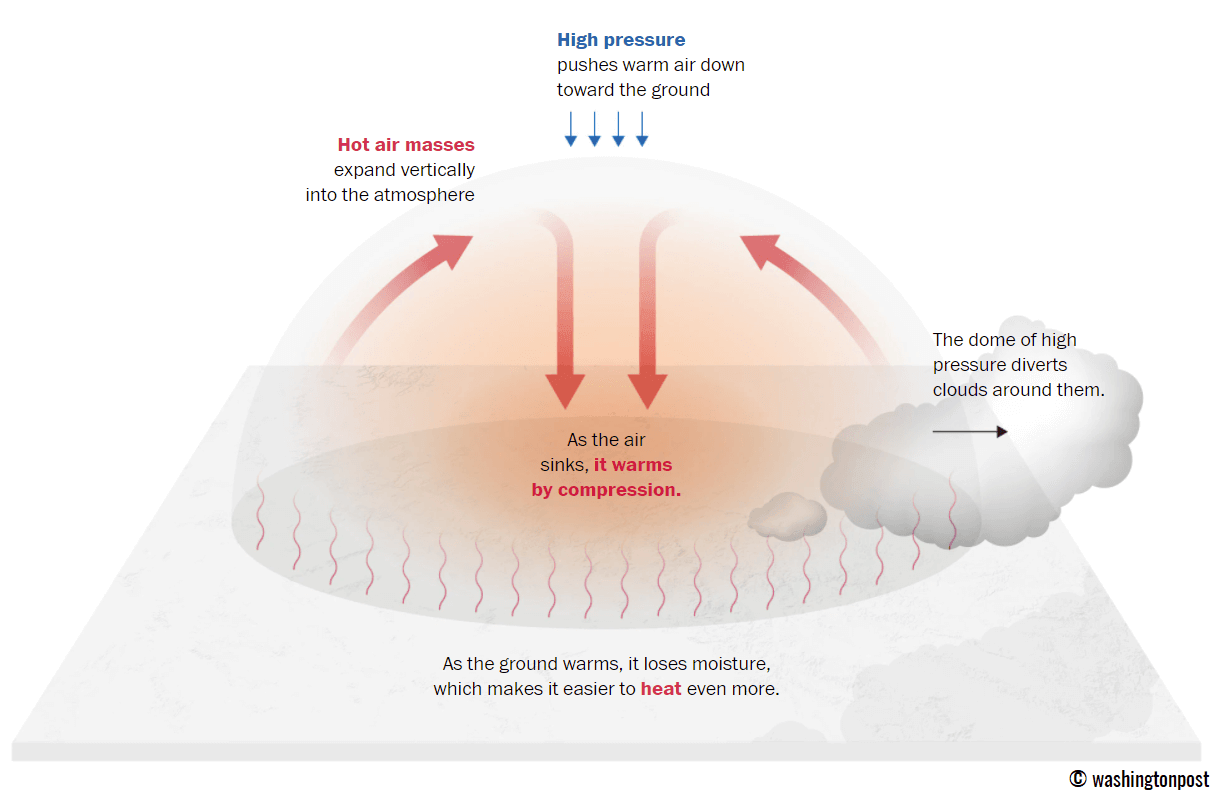
Anchored by a stubborn and expansive "heat dome" of high pressure, this early-summer thermal anomaly is not merely a standard seasonal warm-up. Forecasters warn it could become one of the most severe and dangerous heat events in recent European history, testing the limits of human endurance, local infrastructure, and emergency response networks from Andalusia down to the interior agricultural plains.

Main Facts: Anatomy of an Extreme Thermal Anomaly
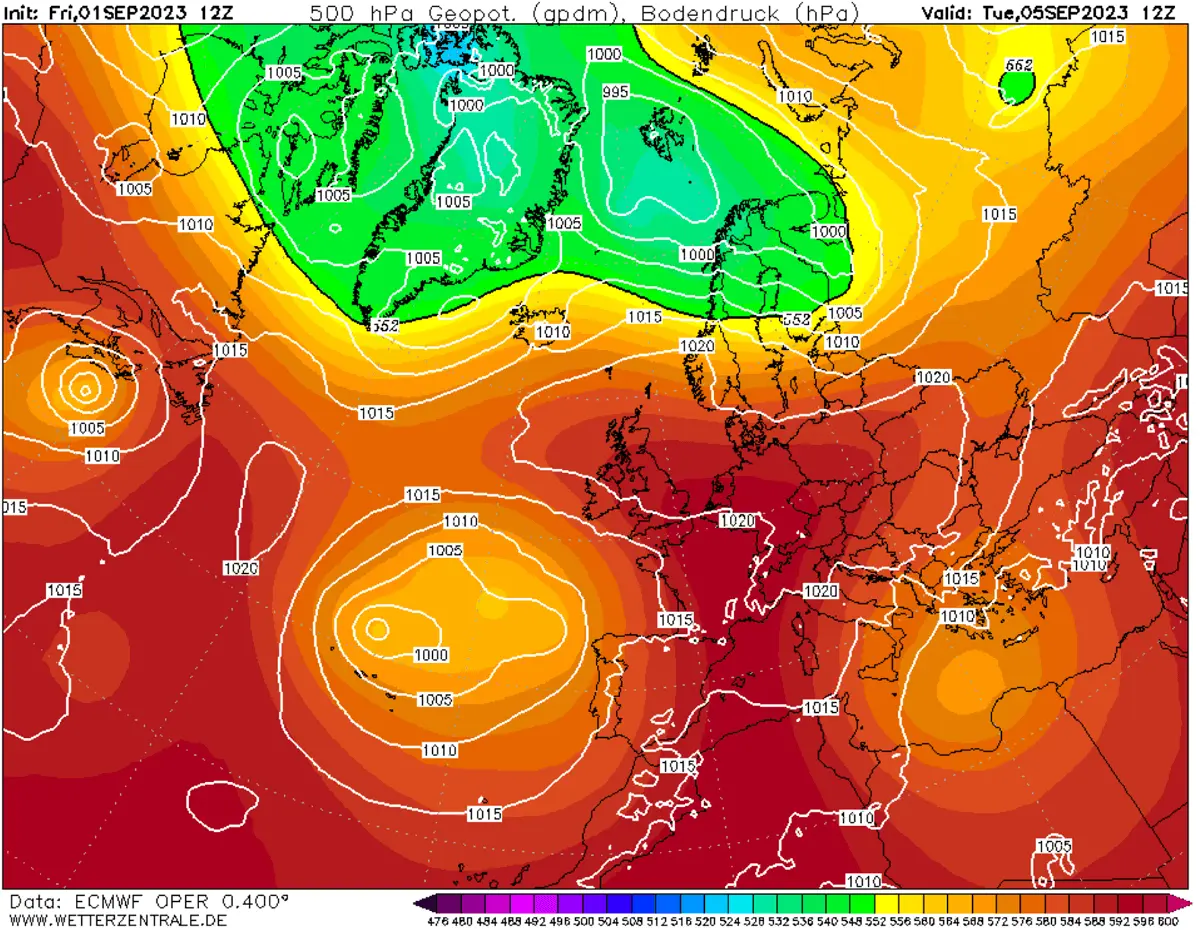
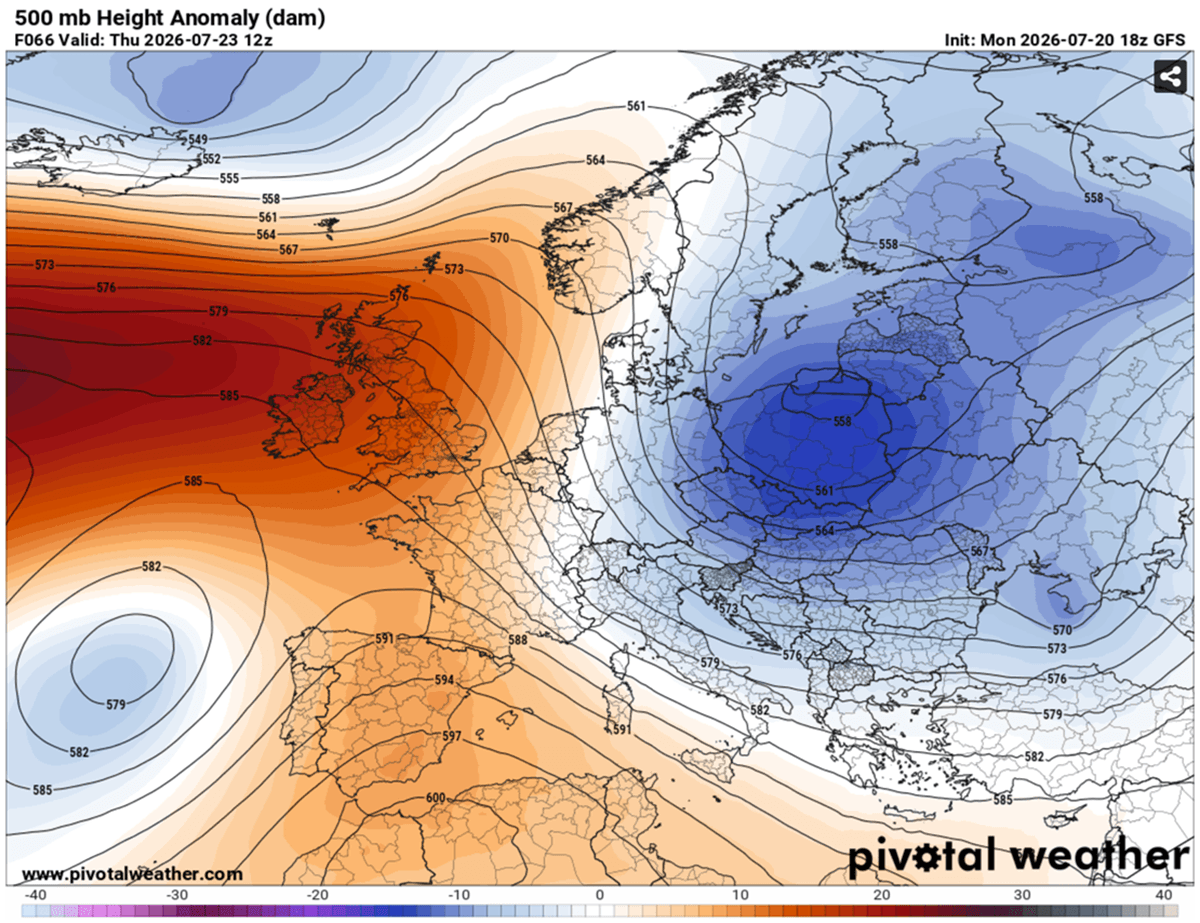
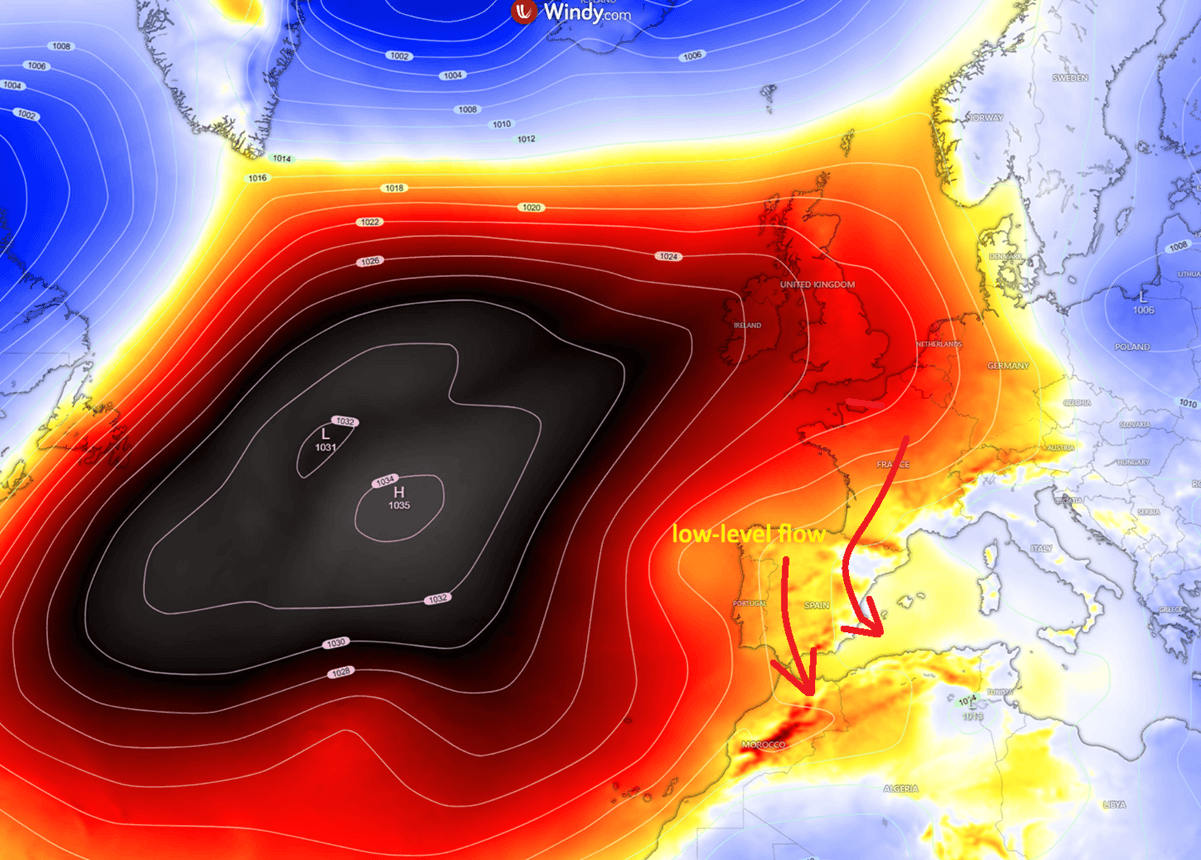
The primary driver of this severe weather event is a robust atmospheric blocking pattern featuring an expansive upper-level ridge. This classic heat dome—reinforced by a cut-off low-pressure system situated to its west—is actively pumping an exceptionally hot, dry air mass directly from the heart of the Sahara Desert across the Iberian Peninsula.
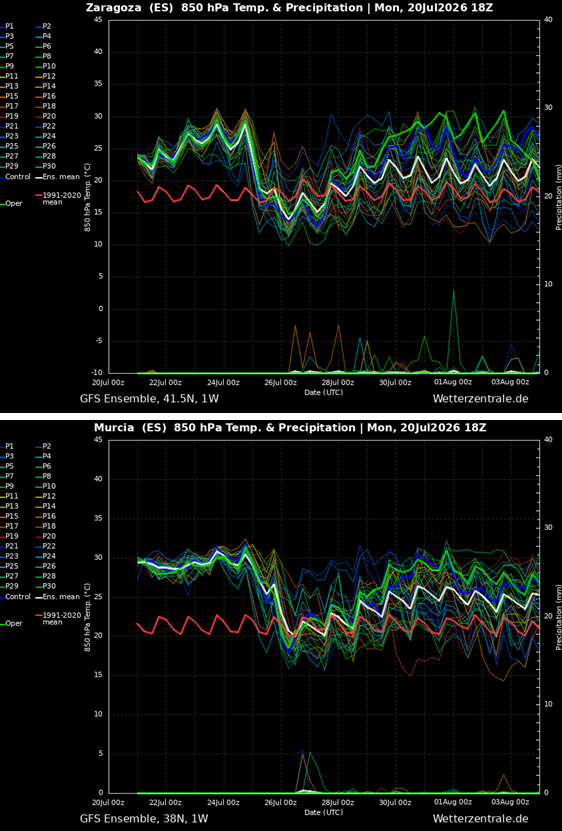
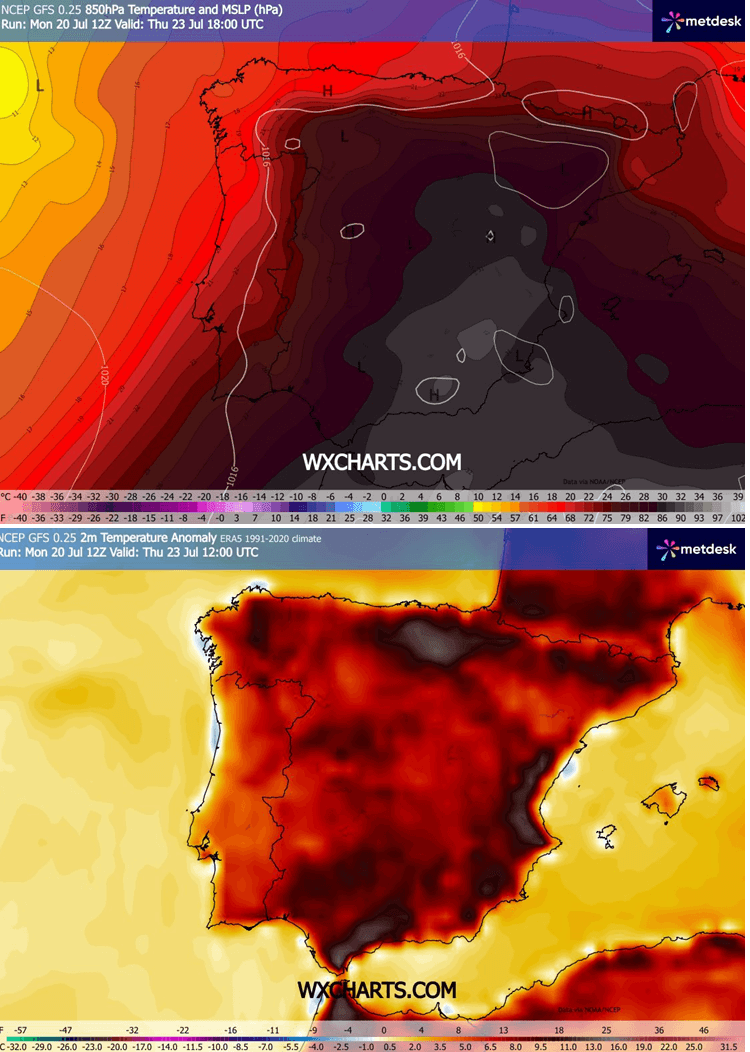
At the 850 mbar level (approximately 1,500 meters altitude), temperatures are projected to exceed a blistering 30°C. This means that near-surface temperatures will surge 10°C to 15°C above normal climatological averages for late July—a rare occurrence in southwestern Europe, typically reserved for near-record-challenging atmospheric setups.
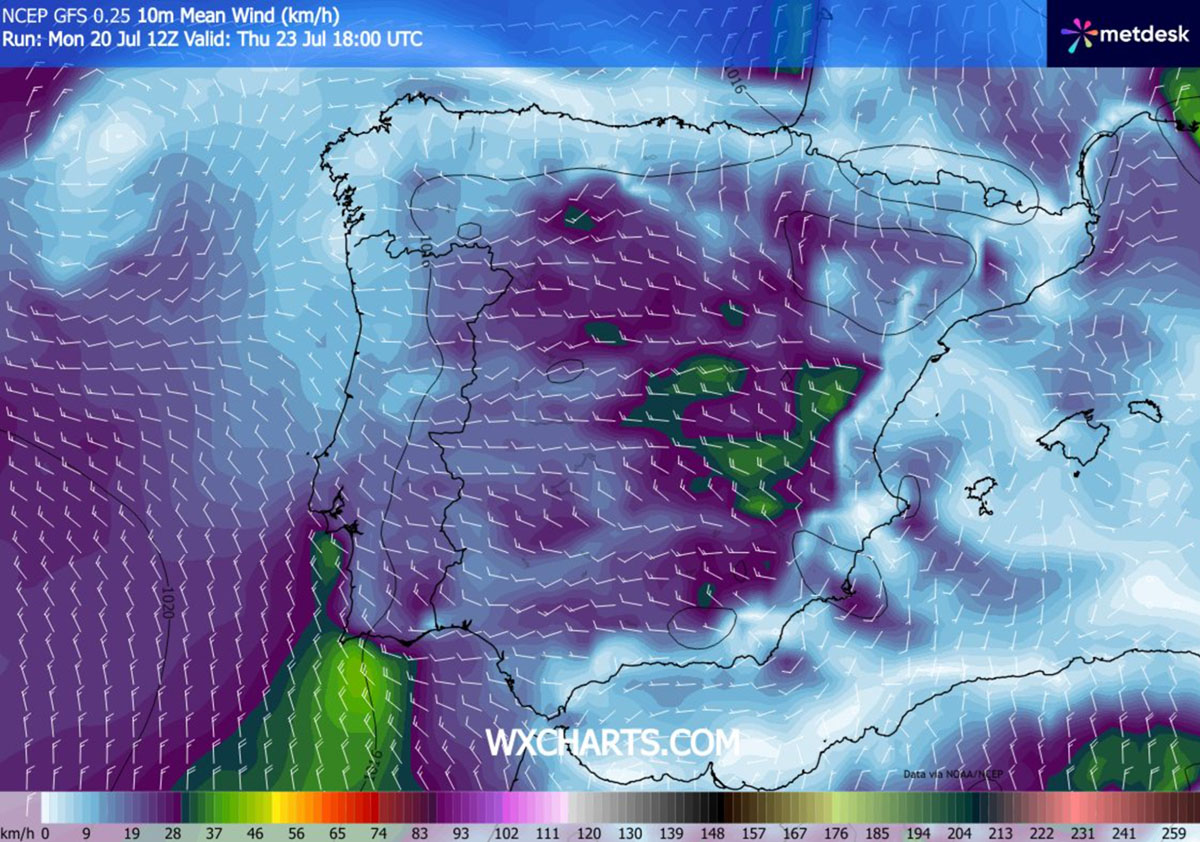
Compounding the synoptic heat is local topography. As regional winds sweep across the peninsula, localized downslope (foehn) effects over interior plateaus and mountain ranges will force air masses to descend rapidly toward eastern and southern lowlands. This rapid atmospheric compression causes intense adiabatic warming, stripping the air of any remaining moisture and supercharging the heat. Consequently, regions such as the Guadalquivir and Ebro valleys, as well as Murcia and Castilla-La Mancha, are primed to experience the most extreme temperature spikes.
Furthermore, nighttime relief will be virtually nonexistent. Overnight lows are predicted to hover in the mid-to-upper 20s°C, compounding physiological stress for millions of urban and rural residents who will get no respite from the sweltering conditions after sunset.
Chronology: The Midweek Escalation and Progression
The extreme heatwave is following a rapid escalation timeline through the middle of the week, driven by the retrograding blocking high-pressure system moving westward from North Africa.
Monday and Tuesday: The Mediterranean Precursor
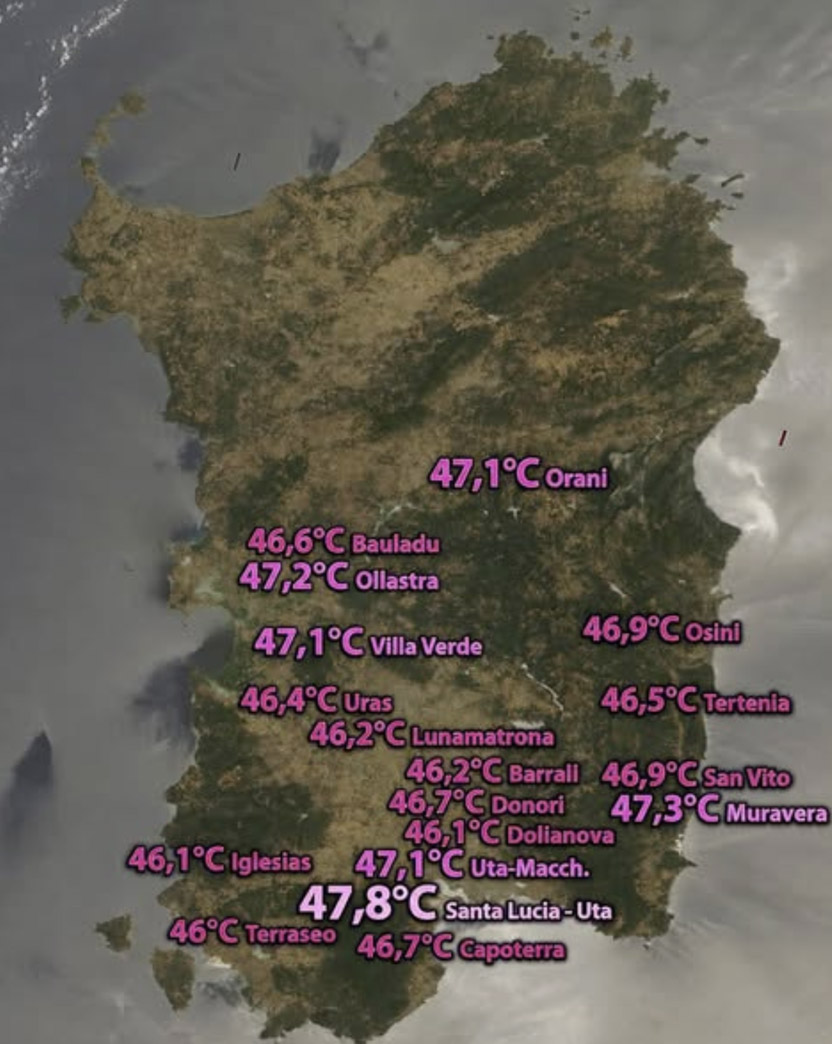
Before establishing itself firmly over Iberia, the intense warm plume made its presence felt across the central Mediterranean. Over the weekend, the island of Sardinia, Italy, recorded astonishing temperatures at the nose of the heat dome. Santa Lucia-Uta peaked at an incredible 47.8°C, while Muravera hit 47.3°C, and Ollastra registered 47.2°C. Across the Mediterranean in Algeria and Tunisia, weather stations reported maximums touching 49°C on Monday. As the week began, this massive blocking high retrograded directly into the Iberian Peninsula, setting the stage for renewed intensification.
Wednesday: The Initial Surge
By mid-week, global GFS and regional ARPEGE weather models indicate that the heatwave will intensify rapidly. Central Spain and the southern lowlands are forecast to widely record afternoon highs of 42°C to 44°C. The remainder of Spain and neighboring Portugal will experience peak afternoon temperatures ranging between 34°C and 40°C.
Thursday: Peak Intensity and Record-Challenging Highs
Thursday is projected to be the most critical day of the event. As the air mass warms further, central Spain will maintain low-40s°C readings, while eastern and southern lowlands surge into the 44°C to 46°C bracket. Localized river valleys—particularly across the Murcia, Alicante, and Valencia provinces—could see temperatures push above 46°C and flirt with the 47°C threshold, driven by dry downslope westerly winds. The Ebro Valley will also face extreme heat, with peaks reaching 43°C to 44°C, while southern France braces for upper-30s°C temperatures.
Friday: Western Relief and Transition
The final day of this intense heatwave cycle will see persistent extreme heat across southern and eastern lowlands and the Ebro Valley, with temperatures once again reaching near 45°C. However, areas further west will begin to experience a shift as a more humid air mass moves in from the Atlantic Ocean. This marine influence will bring slight relief, keeping western temperatures below 40°C. Portugal will experience a noticeable cool-down, with highs dropping back into the upper 20s°C and low 30s°C compared to earlier in the week.
Supporting Data: Historical Context and Climate Benchmarks
To understand the severity of the incoming temperatures, meteorologists look to historical records set during previous catastrophic heatwaves in Spain and across Europe.
Spain’s Historic Temperature Records
- 47.6°C (La Rambla, Córdoba): The current official Spanish record, validated by Spain’s state meteorological agency, AEMET. La Rambla lies in the Córdoba countryside within the Guadalquivir basin. On that same historic day, Montoro reached 47.4°C, and Córdoba Airport recorded 46.9°C.
- 47.0°C (Alcantarilla Air Base, August 15, 2021): The modern official benchmark for the Murcia region, while Murcia city itself peaked at 46.2°C.
- 45.5°C (Talavera de la Reina, August 14, 2021): The highest recorded value in the Castilla-La Mancha region. Nearby stations also peaked aggressively that afternoon, with Almadén reaching 45.4°C, Puertollano at 45.0°C, and Puebla de Don Rodrigo at 44.8°C.
- 44.5°C (Zaragoza Airport, July 7, 2015): The benchmark peak for the Ebro Valley.
The European Context
- 48.8°C (Syracuse, Sicily, Italy): Verified by the World Meteorological Organization (WMO) as the all-time European record, set on August 11, 2021.
- 48.0°C (Athens and Elefsina, Greece): The former European record, established on July 10, 1977.
With forecasts this week pointing toward 45°C to 47°C, Spain’s national record of 47.6°C—sitting just 1.2°C below the all-time European benchmark—faces a credible threat, particularly in the Murcia and Ebro Valley zones.
Official Responses and Sector Implications
The consequences of this prolonged thermal peak extend far beyond simple physical discomfort, posing multi-faceted threats to society, the economy, and the environment.
Public Health and Vulnerable Populations
Health ministries across Spain and Portugal are ramping up emergency advisories. Prolonged exposure to high temperatures and high humidity indexes drastically increases the risk of heat exhaustion, dehydration, and life-threatening heat stroke. Medical professionals emphasize that vulnerable populations—including the elderly, young children, and individuals with pre-existing cardiovascular or respiratory conditions—are at the highest risk. Furthermore, urban residents living in densely built environments featuring heat-trapping concrete, asphalt, and inadequate ventilation face heightened mortality risks during multi-day heat domes.
Occupational Hazards
Outdoor workers, including agricultural laborers, construction crews, and sanitation workers, face extreme occupational hazards. Labor unions and safety watchdogs are pushing for mandatory work-schedule adjustments, urging employers to halt strenuous outdoor labor during peak afternoon radiation hours (14:00 to 18:00 local time) to prevent heat-related workplace fatalities.
Wildfire Emergency Preparedness
Perhaps the most alarming secondary threat of the heatwave is the explosive risk of wildfires. The combination of record-breaking temperatures, persistently low relative humidity levels (often dropping below 15% in interior zones), and moderately strong, dry winds creates a tinderbox environment. Environmental protection agencies have placed vast regions of the Iberian Peninsula under extreme fire-danger alerts. Emergency firefighting services have been placed on high alert, pre-positioning assets to rapidly suppress any new ignitions before they can propagate into catastrophic blazes.
Conclusion: The Broader Horizon
As the heat dome peaks and slowly transitions toward the end of July, atmospheric scientists are closely monitoring whether this massive upper-level ridge will expand further north and east into Western and Central Europe.
While the immediate crisis is concentrated over the Iberian Peninsula, the frequency, intensity, and early arrival of such severe thermal anomalies underscore a rapidly shifting climatic baseline. Authorities continue to urge citizens to heed local meteorological warnings, stay hydrated, and limit unnecessary outdoor exposure until the atmospheric furnace finally breaks its grip on southwestern Europe.
