

By Terrence O’Brien
August 15, 2026
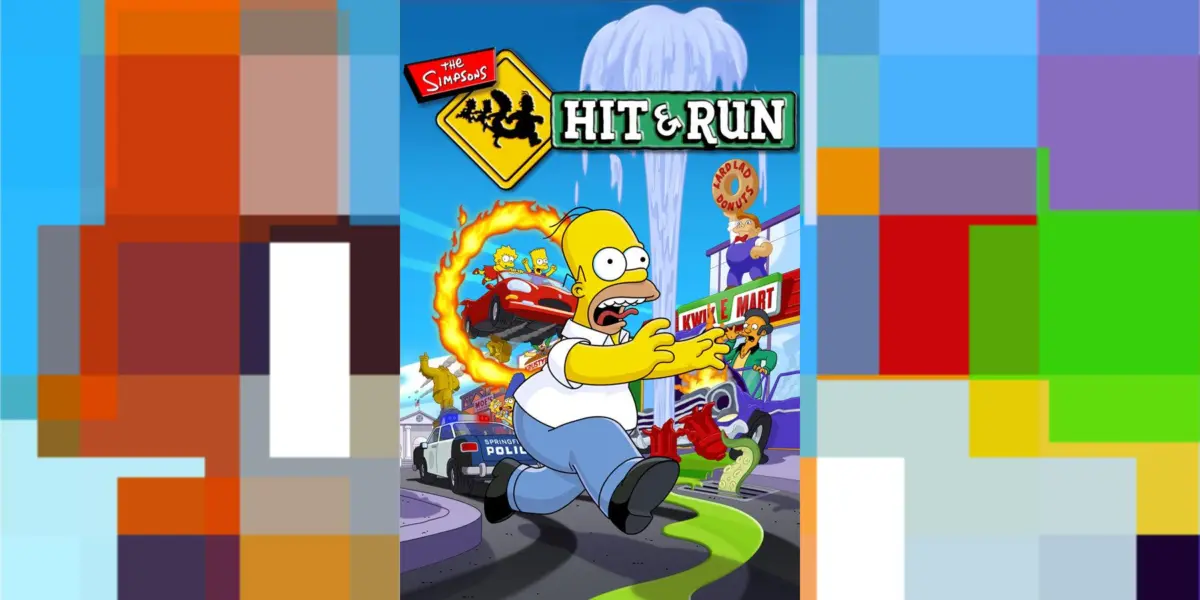
For more than two decades, video game enthusiasts and animation fans alike have shared a singular, unifying wish: a modern way to play The Simpsons: Hit & Run. Originally released in the fall of 2003, the open-world vehicular action game developed by Radical Entertainment and published by Vivendi Universal Games achieved legendary status. Yet, despite its enduring cult following, soaring secondhand prices, and endless fan petitions, the title has remained stranded on sixth-generation hardware.
Until now, perhaps.
During a recent appearance at the D23 fan convention, The Simpsons creator Matt Groening let slip a cryptic remark that has set the gaming community ablaze. When casually queried about the long-shot potential of a sequel or a modern port, Groening offered a tantalizing hint that suggests Springfield’s most beloved digital outing might finally be making a comeback.
Main Facts: The D23 Exchange That Rocked the Gaming World
The revelation—or accidental slip of the tongue—occurred on stage during a panel discussion at D23. As creators and voice talent gathered to celebrate the enduring legacy of television’s longest-running animated family, the conversation naturally drifted toward the franchise’s ventures into the interactive medium.
When a panel moderator directly broached the topic of a sequel to The Simpsons: Hit & Run, Groening did not offer the standard, evasive corporate dismissal fans have grown accustomed to over the last twenty years. Instead, he paused and replied:
"I think the original game is coming back in some form."
The statement hung in the air for a brief moment before current Simpsons showrunner Matt Selman, seemingly realizing the weight of Groening’s words, playfully chimed in with, "Or not."
While Selman’s quick-witted addendum was clearly intended to inject skepticism and pull back the curtain on a potentially premature announcement, the body language and tone of both veterans suggested otherwise. To many in attendance and the millions watching online, Groening’s comment felt less like a speculative musing and more like an inadvertent spoiler regarding confidential discussions happening behind the scenes at Disney and Electronic Arts (or another interested publisher).
Whether the project takes the form of a straightforward digital port, a fully modernized HD remaster, or a ground-up remake remains unconfirmed, but the mere acknowledgement from the show’s creator has immediately altered the landscape of retro gaming speculation.
Chronology: The Journey of a Cult Classic from 2003 to 2026
To understand why a simple comment at D23 has generated such an overwhelming frenzy, one must trace the winding, improbable history of The Simpsons: Hit & Run.
2003: A Critical and Commercial Breakthrough
Released in September 2003 for the PlayStation 2, Xbox, Nintendo GameCube, and Microsoft Windows, The Simpsons: Hit & Run arrived during an era when licensed video games were notoriously rushed, uninspired cash-grabs. Developed by Radical Entertainment, Hit & Run completely shattered that industry stereotype.
Taking heavy gameplay inspiration from Rockstar Games’ monumental Grand Theft Auto III, the developers constructed a faithful, interactive recreation of Springfield. Players could explore the town on foot or hijack an absurd array of iconic vehicles—from Homer’s battered pink sedan to the Canyonero and Professor Frink’s flying automobile. Combined with an original, sharply written script penned by actual writers from the show, the game became an instant critical darling and a massive commercial success, selling millions of copies worldwide.
The 2000s and 2010s: Legal Limbo
As the console generations shifted from the PS2 era to the HD era of the Xbox 360 and PlayStation 3, fans naturally expected Hit & Run to find a home on digital storefronts. However, the game quickly vanished into a legal labyrinth.

The title’s survival was choked by a complex web of overlapping rights. While 20th Century Fox (now 20th Century Television under Disney) owned the intellectual property of The Simpsons, Vivendi Universal held the publishing rights, and Radical Entertainment (subsequently acquired by Activision) held the proprietary engine and development rights. Untangling this corporate knot proved to be nearly impossible, leaving the game trapped on aging physical discs.
The Fan-Driven Renaissance (2019–2025)
As official options dried up, the passionate community took matters into their own hands. Modding scenes flourished on PC, with dedicated programmers smoothing out modern resolutions, adding widescreen support, and introducing custom textures.
In 2023, independent developer "El Don Gobo" made international headlines by painstakingly reverse-engineering the entire game, proving that a modern port was technically feasible without the original source code. Meanwhile, YouTube retrospectives and nostalgic video essays routinely drove millions of views, cementing Hit & Run in the cultural zeitgeist as one of the greatest licensed video games ever made.
August 2026: The D23 Breakthrough
Following years of silence, Matt Groening’s statement at D23 marks the first time in over two decades that a high-ranking creative authority associated with the franchise has publicly validated the possibility of the game’s return.
Supporting Data: Why Hit & Run is Ripe for a Comeback
A look at the current gaming landscape demonstrates precisely why a revival of The Simpsons: Hit & Run makes both financial and cultural sense.
- Absence on Modern Platforms: Currently, Hit & Run is entirely absent from modern hardware ecosystems. It is missing from the PlayStation Plus Classics Catalog, unsupported by Xbox’s industry-leading backward compatibility program, and unavailable on Nintendo Switch or Steam.
- The Remaster Boom: Over the past five years, publishers have discovered immense profitability in reviving beloved sixth-generation classics. Titles like Tony Hawk’s Pro Skater 1 + 2 and various Sega and Capcom remasters have proven that nostalgic goodwill translates directly into massive sales.
- Minimal Voice-Acting Hurdles: One of the most expensive and logistically difficult parts of video game remasters is gathering the voice talent—especially when decades have passed. Fortunately, a potential Hit & Run remaster wouldn’t need to re-record a single line of dialogue. The original cast—including Dan Castellaneta, Julie Kavner, Nancy Cartwright, Yeardley Smith, and Hank Azaria—delivered timeless, iconic performances that hold up effortlessly today. The original audio assets are pristine and ready to be plugged straight into an updated engine.
Official Responses and Industry Reactions
As of publication, neither The Walt Disney Company, Electronic Arts, nor Activision has issued an official press release confirming the existence of a Hit & Run remaster or port. Representatives for Matt Groening and Matt Selman declined immediate requests for comment following the D23 panel, maintaining the characteristic secrecy that typically surrounds major Disney multimedia announcements.
However, industry insiders and prominent game developers have not hesitated to share their thoughts. Several veteran developers who worked on the original 2003 title have previously expressed eager willingness to return to Springfield if given the green light.
On social media platforms, the response was instantaneous. Within hours of the D23 panel, hashtags related to The Simpsons: Hit & Run trended globally. Content creators who grew up playing the game began speculating on whether the title would receive a straightforward digital re-release or a full Unreal Engine remake.
Implications: What This Means for Retro Gaming and Disney’s IP Strategy
Groening’s off-the-cuff remark at D23 carries significant implications that extend far beyond a single video game.
1. A Shift in Disney’s Interactive Strategy
For years, Disney has relied primarily on licensing its massive vault of intellectual properties to third-party developers (such as Electronic Arts with Star Wars or Ubisoft with upcoming titles) rather than aggressively managing its historical gaming library. If Disney is actively facilitating the return of Hit & Run, it signals a potentially lucrative new approach toward preserving and monetizing its vast interactive history from the 1990s and 2000s.
2. The Preservation of Abandoned Media
Thousands of licensed video games from the PS2, Xbox, and GameCube eras are currently trapped in legal purgatory, effectively inaccessible to modern audiences without vintage hardware. If the corporate hurdles preventing Hit & Run from returning can be successfully cleared, it could serve as a vital legal and logistical precedent for rescuing other stranded classics from that golden age of licensed gaming.
3. Satisfying an Insatiable Fanbase
Ultimately, the primary implication is emotional. For millions of millennials and Gen Z gamers who spent countless childhood afternoons dodging traffic in Springfield, the return of Hit & Run would close a 23-year gap in modern gaming accessibility.
As we await an official corporate confirmation—and cross our fingers that Matt Selman’s sarcastic "or not" was merely a comedic deflection rather than a reality check—one thing is certain: Springfield has never felt closer to making its triumphant return to our screens.
