

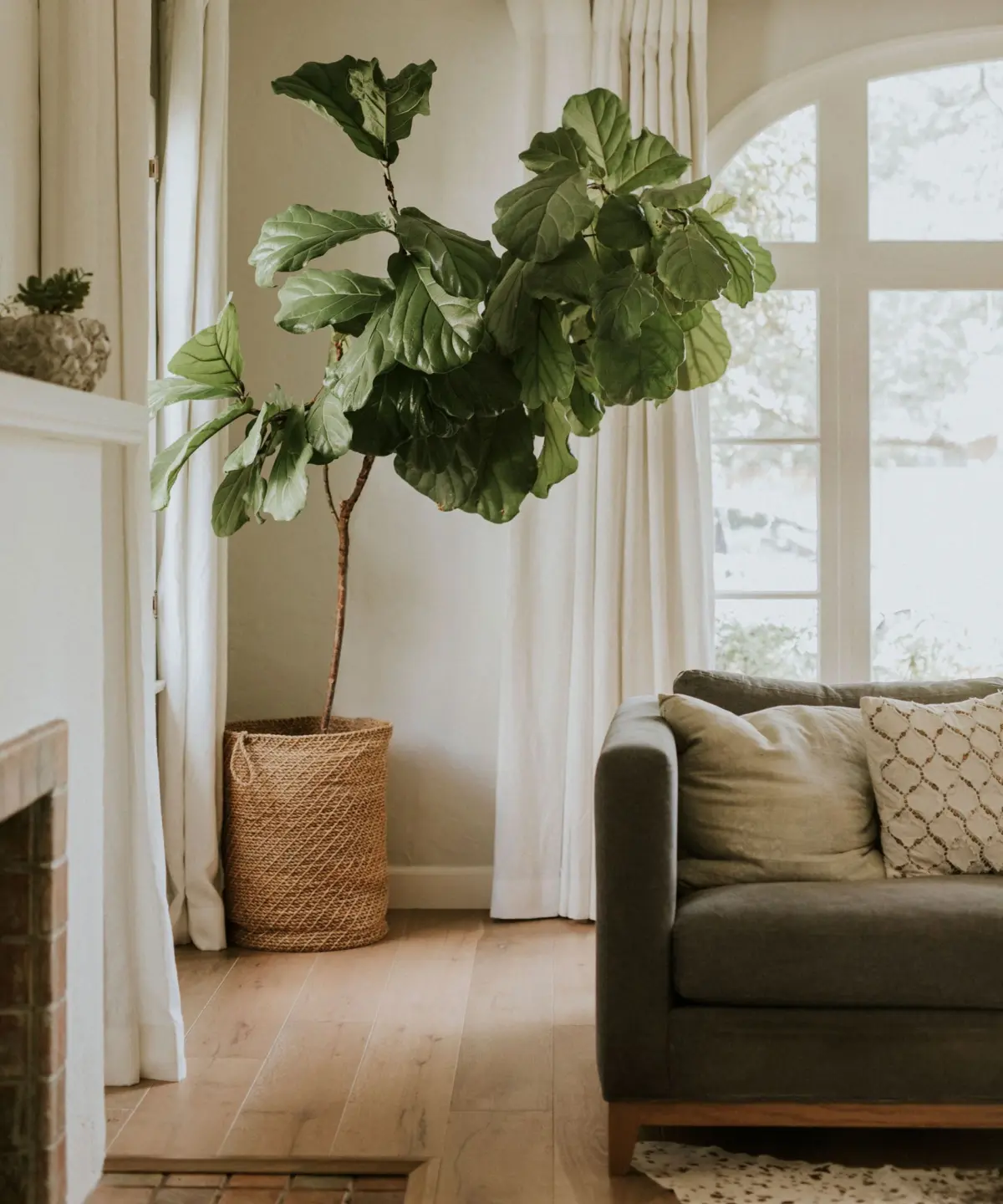
As the brisk autumn air settles in and daylight hours dwindle, our indoor jungles undergo a profound physiological shift. While the change in seasons is visually celebrated through falling leaves and outdoor harvests, our indoor flora faces a more subtle, yet equally critical, transition. Mastering how to manage your houseplants during the autumn months is the single most important task a plant parent can undertake to ensure their green companions survive—and thrive—through the darker months ahead.
Main Facts: The Autumnal Shift in Plant Care
The core challenge of fall houseplant maintenance boils down to a delicate equilibrium in hydration. Because autumn brings significantly cooler ambient temperatures and drastically reduced levels of natural sunlight, the rate at which soil dries out slows down dramatically.
- Slower Evaporation: With less heat and weaker sunlight, moisture remains locked inside potting mix for much longer periods.
- Root Rot Vulnerability: Continued heavy summer watering schedules in autumn inevitably lead to oversaturated soil, making plants highly susceptible to root rot, fungal pathogens, and opportunistic pests like fungus gnats.
- The Dehydration Trap: Conversely, turning off the water entirely or neglecting plants due to fear of overwatering can cause severe root dehydration, leading to irreversible cellular damage and sudden leaf drop.
Striking the right balance requires abandoning rigid maintenance routines in favor of intuitive, observation-based care. Leveraging tools like a reliable soil moisture meter can remove the guesswork, ensuring that every drop counts.
Chronology of Seasonal Adaptation: Managing Your Indoor Oasis
Transitioning your plants from their rapid summer growth phase to their autumn dormancy requires a planned approach. Here is how you should sequence your plant care adjustments as summer turns to fall.
Phase 1: Early Fall Assessment (Late September to Early October)
- Relocate Away from Drafts and Heaters: As outdoor temperatures drop, indoor heating systems begin to kick in. Forced-air vents, radiators, and cold window drafts create microclimates that stress houseplants. Move sensitive species to stable locations with bright, indirect light.
- Inspect for Hitchhiking Pests: Before bringing any outdoor summer plants back inside—or simply as a routine check—thoroughly inspect the undersides of leaves and stems for pests that multiplied during the warmer months.
Phase 2: Adjusting the Hydration Cycle (Mid-October)
- Break the Habit of Scheduled Watering: Toss out the calendar. If you previously watered every Sunday, stop. Soil drying times are now completely dictated by indoor humidity levels and light exposure.
- Address the Crust: Indoor heating often bakes the top layer of potting mix, creating a deceptive hard crust that looks dry while trapping moisture deeper in the pot. Gently scrape away this top layer, flush the soil to remove residual summer fertilizer salts, and replace it with a fresh layer of nutrient-rich organic topsoil.
Phase 3: Mid-to-Late Fall Maintenance (November Onward)
- Implement Deep Soaking Sparingly: For plants that tolerate it, switch to deep watering every other week. Allow pots to soak up moisture from the bottom or sit in a sink for 20 minutes before draining completely.
- Monitor Specialized Needs: Separate your plant collection into categories based on water needs. Drought-tolerant specimens (like cacti and succulents) require almost no water through late fall and winter, whereas tropical foliage plants will need monitored, moderate moisture.
Supporting Data: Understanding Soil Physics and Plant Physiology
Why do standard summer watering rules fail so catastrophically in autumn? The answer lies in the intersection of plant biology and thermodynamics.
- Photosynthesis Rates Drop by up to 50%: With fewer daylight hours and lower light intensity, indoor plants slow down their metabolic processes. They consume less water and fewer nutrients because they are no longer actively producing new foliage at a rapid rate.
- Evapotranspiration Slows Down: Plants pull water up through their roots and release it as vapor through stomata on their leaves (transpiration). Cooler rooms and lower light mean this process slows to a crawl, leaving moisture stagnant in the pot if watering frequencies are not reduced.
- The Salt and Mineral Accumulation Factor: Months of tap water use and liquid summer fertilizers leave behind mineral salts in the potting medium. In autumn, when growth halts, these accumulated salts can burn delicate root tips. Flushing the soil becomes an essential corrective measure.
Horticultural Expert Insights: Best Practices and Methods
Botanical specialists and interior landscapers consistently emphasize that successful indoor gardening relies on understanding root-zone dynamics rather than surface appearances.
When to Water: The Finger Test vs. Technology
The golden rule of autumn watering is simple: Check the top one to two inches of soil.
- The Manual Method: Insert your index finger deep into the potting mix. If it feels cool, damp, and particles cling to your skin, step away from the watering can. If it feels dry and crumbly at the second knuckle, it is time to water.
- The Technological Solution: For those prone to guesswork, an affordable analog soil moisture meter provides an accurate readout of moisture levels down at the root zone, preventing premature or delayed watering.
How to Water: Choosing the Right Technique
- Bottom Watering: Arguably the most effective method for dense, root-bound autumn houseplants. Place your potted plant (ensuring it has proper drainage holes) into a saucer or basin filled with a few inches of water. Allow the plant to passively wick up moisture from the bottom for 15 to 30 minutes until the topsoil feels slightly damp. This ensures even saturation without compressing the soil surface.
- Narrow-Spout Watering Cans: If top-watering is preferred, use a vessel with a precision spout. This directs water directly to the base of the plant, avoiding wetting the crown or leaves, which can promote fungal diseases in cooler indoor environments.
- Automated Aids: For busy plant parents, self-watering pots with built-in reservoirs or programmable indoor irrigation systems can help maintain a steady, hands-off moisture level throughout the season.
Implications: Long-Term Health and Preventing Common Fall Failures
Failing to adapt your care routine during the autumn transition can have severe ripple effects that manifest later in winter or early spring.
- Mitigating Root Rot: Overwatering is the number one killer of indoor houseplants during the colder months. When roots sit in cold, soggy soil for prolonged periods, they suffocate and decay, cutting off the plant’s ability to transport water and nutrients upward. Once root rot sets in, recovery is often difficult and time-consuming.
- Preventing Pest Outbreaks: Stressed plants—whether from chronic drought or waterlogging—emit chemical signals that attract pests like spider mites, scale, and mealybugs. Maintaining a balanced, monitored watering routine fortifies the plant’s natural cellular defenses.
- Setting the Stage for Spring: Plants that successfully navigate the autumn and winter dormancy periods enter spring with healthy, undamaged root systems. This dormancy is not a period of stagnation, but a necessary resting phase that prepares the plant for vigorous spring growth.
Summary Checklist for Fall Plant Care
- Ditch the schedule: Always check soil moisture before watering.
- Look beneath the surface: Don’t be fooled by a dry top crust; check 1-2 inches down.
- Flush the soil: Remove accumulated mineral salts from tap water and summer fertilizers.
- Shift techniques: Consider bottom watering to prevent surface compaction and ensure even root hydration.
- Relocate with care: Keep plants away from active heat vents, radiators, and chilly window drafts to maintain stable ambient conditions.
