

By Home & Lifestyle Editors
As the autumn leaves give way to shorter, darker days and biting winter temperatures, a familiar domestic fatigue sets in. For millions of households, the transition into the colder months triggers a sharp decline in evening motivation. The final stretch of a demanding workday often culminates in a draining, uninspired ritual: standing with the refrigerator door wide open, staring into a cold abyss of mismatched leftovers and stray produce, trying to answer the universal, dreaded question—What on earth is for dinner?
Compounding this seasonal slump is the impending arrival of the peak hosting season. Between hosting holiday dinner parties, orchestrating family gatherings, and preparing for festive celebrations, the kitchen quickly transitions from a functional workspace into a chaotic epicenter of stress.
However, professional organizers and home-management experts point out that the solution to this seasonal kitchen overwhelm is not found in complex meal-delivery services or exhaustive weekend cooking marathons. Instead, the answer lies behind the refrigerator door. By adopting the meal-prep bin system—a streamlined organizational strategy utilizing clear acrylic containers—home cooks are radically transforming how they store ingredients, plan dinners, and manage hosting duties.
Main Facts: What is the Meal-Prep Bin System?
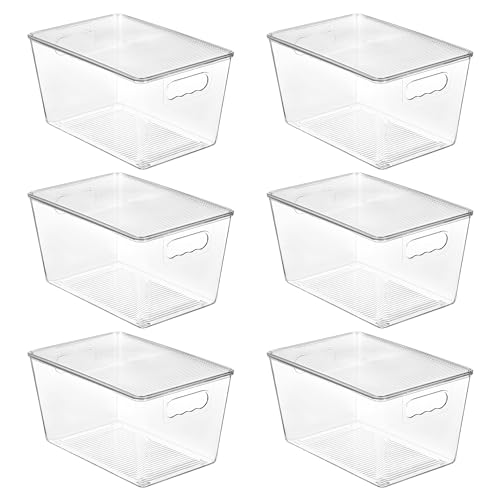
At its core, the meal-prep bin system is a hyper-functional organizational hack designed to eliminate decision fatigue in the kitchen. The system relies on inexpensive, clear, lidded plastic or acrylic storage containers (such as the popular Vtopmart or Sorbus lines) to group all the raw ingredients required for a specific recipe into a single, cohesive unit.
Rather than scattering ingredients across various shelves—tucking garlic in the crisper drawer, burying ground beef behind condiments, and losing bell peppers in the back corners—every component of a meal is united.
- The Mechanism: When unpacking weekly groceries, ingredients are immediately sorted by recipe rather than by food group. For instance, a bin designated for Tuesday night fajitas will house the chicken breasts, sliced bell peppers, onions, and limes together. A Thursday bolognese bin will contain the ground beef, crushed tomatoes, tomato paste, and aromatics.
- The Accessibility Factor: When dinner time arrives, the cook simply pulls the designated bin from the refrigerator, carries it to the prep counter, and begins cooking. There is no hunting, no second-guessing, and no wasted time.
- The Visual Clarity: Because the bins are crafted from transparent acrylic, everything is visible at a glance. This drastically reduces the likelihood of fresh produce languishing in forgotten corners, thereby cutting down on household food waste.
Chronology: The Evolution of Kitchen Organization
To understand why the meal-prep bin system has gained massive traction, it helps to examine how domestic kitchen organization has evolved over the past decade.
Phase 1: The Aesthetic-Only Movement (2015–2019)
During the early boom of social media-driven home organization, pantry and refrigerator makeovers were entirely aesthetic. Influencers prioritized matching decanters, uniform spice jars, and color-coordinated labels. While these spaces looked stunning on camera, many homeowners quickly realized that aesthetic decanting offered little functional value for fast-paced, modern weeknight cooking. Transferring ingredients out of their original packaging often decreased shelf life and created more dishes to wash.
Phase 2: The Rise of Functional Zoning (2020–2022)
As global events forced more people to cook all their meals at home, professional organizers shifted focus toward functional zoning. Recommendations centered on grouping broad categories: dairy on one shelf, condiments in the door, produce in crispers, and raw meats on the bottom shelf. While this prevented cross-contamination and improved overall hygiene, it did little to solve the psychological barrier of meal-time decision fatigue. A shelf full of well-organized vegetables still required the cook to formulate a recipe from scratch after a tiring day.
Phase 3: The Actionable Meal-Bin Era (Present)
The current trend moves past passive organization into actionable storage. The focus is no longer on how the fridge looks when the door is closed, but on how smoothly the kitchen operates between the hours of 5:00 PM and 7:00 PM. By bridging the gap between grocery shopping and meal preparation, the bin system represents the next logical step in home efficiency—treating the home refrigerator like a commercial prep station.
Supporting Data: The Hidden Costs of Kitchen Disorganization
While a messy refrigerator may seem like a minor daily annoyance, data and industry insights reveal that poor kitchen organization carries significant costs in terms of time, money, and mental well-being.
- Food Waste Statistics: According to environmental and agricultural data, the average household wastes a staggering percentage of the fresh produce and perishable goods they purchase, largely because items are pushed to the back of overcrowded refrigerators and forgotten. Transparent bin systems combat this by keeping perishable items within direct line of sight.
- Decision Fatigue: Psychological studies show that making minor decisions—such as what to cook after a long day—depletes cognitive reserves. By pre-planning meals into physical bins on grocery day, the brain delegates the decision-making process to a time when energy levels are higher, leaving the evening hours entirely friction-free.
- Hosting Efficiency: During holiday hosting windows, counter space is at an absolute premium. Professional organizers note that staging meals and courses inside stackable fridge bins frees up vital counter and prep space, allowing hosts to transition smoothly from appetizers to entrées and desserts.
Expert Insights: What the Professionals Say
Industry leaders and professional organizers have widely endorsed the shift toward structured refrigerator zoning.
Julia Foulk, founder of The Organizing Method, emphasizes the mechanical advantages of deep, stackable containers in modern kitchen design.
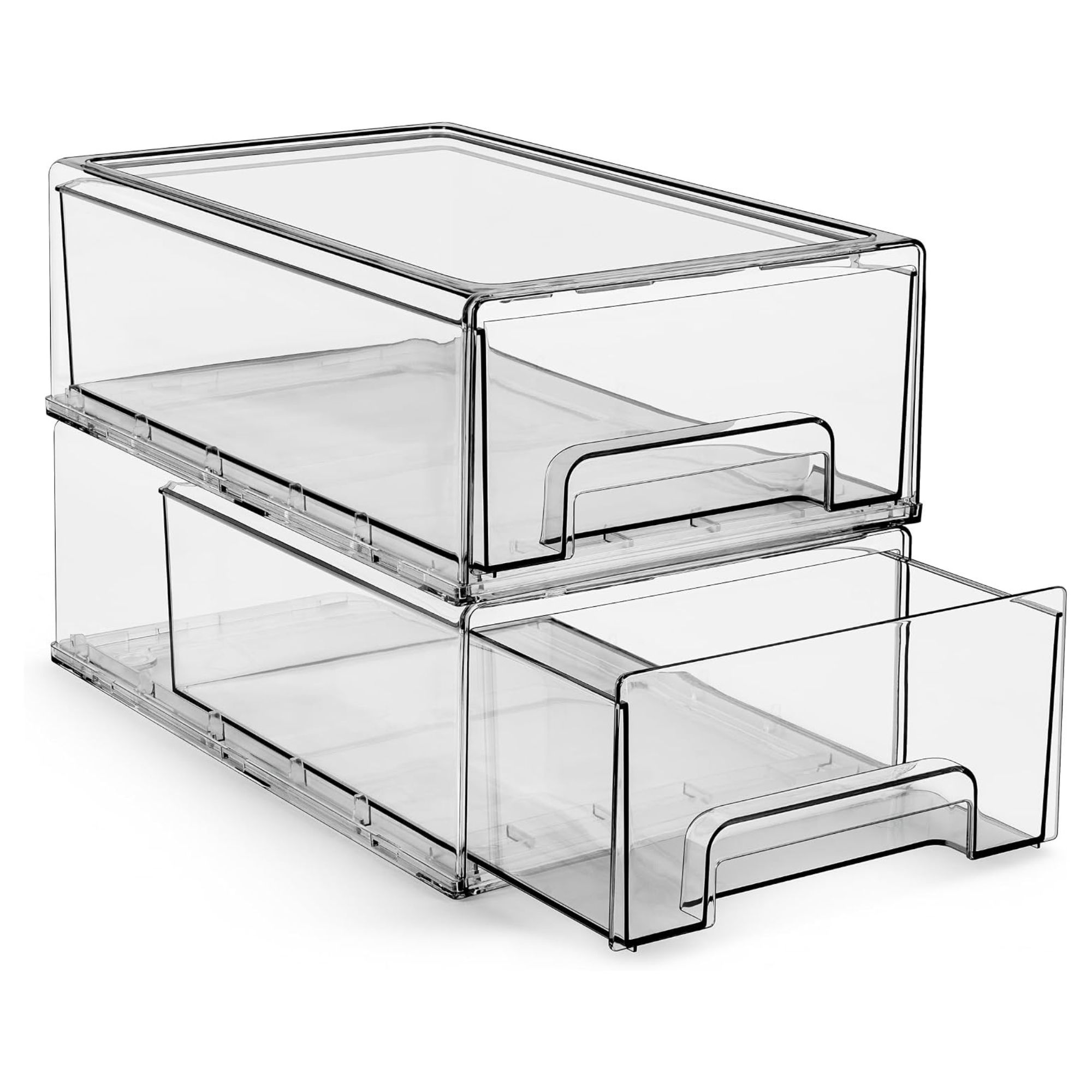
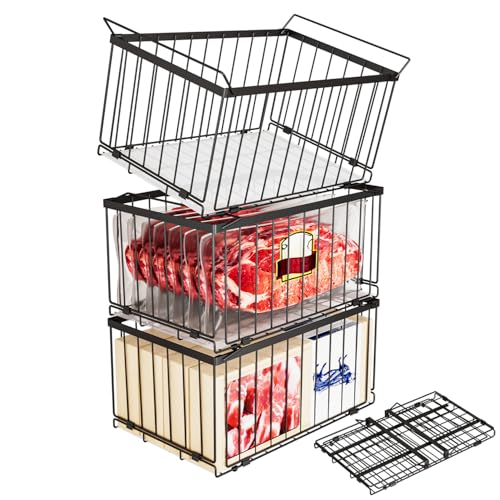
"Deep bins help you group similar items—like snacks, produce, or condiments—and prevent them from getting lost in the back of the fridge, since you can simply slide the bin closer to you to reach whatever is in the back," Foulk explains. "They’re ideal for maximizing space and keeping everything easily accessible. Stackable containers then allow you to maximize vertical space, making it possible to store more without cluttering each shelf."
Furthermore, culinary instructors and home economists point out that the system acts as an educational tool for home cooks. When ingredients are visually grouped by recipe, novice cooks naturally begin to understand flavor pairings, mise en place principles, and portion control without formal culinary training.
Implications: A Streamlined Future for Home Management
The widespread adoption of the meal-prep bin system extends far beyond mere tidiness; it signals a broader cultural shift in how people approach domestic labor, mental health, and sustainability.
1. Alleviating Midweek Burnout
Modern work-life balance is constantly under strain. When evening routines are bogged down by administrative micro-tasks like hunting for ingredients or deciding what to cook, leisure time is eroded. By streamlining the cooking process into a grab-and-go format, households reclaim precious hours of relaxation, reducing burnout and making home-cooked meals more appealing than takeout alternatives.
2. Economic and Environmental Sustainability
In an era of rising grocery costs and heightened environmental awareness, reducing household food waste is a paramount concern. The meal-prep bin system acts as an active inventory control mechanism. Because every ingredient is accounted for within a designated container, items are consumed before their expiration dates, protecting household budgets and lowering carbon footprints associated with discarded food.
3. Elevating the Hosting Experience
Holiday entertaining should be a joyous occasion, yet it frequently induces high anxiety due to disorganized spaces. By applying the bin system to holiday prep—grouping ingredients by course, utilizing dry-erase labels, and integrating magnetic menu whiteboards—hosts can delegate tasks more easily. Family members or guests assisting in the kitchen can instantly locate what they need without constantly asking the host for directions.
Essential Additions: What to Shop for a Streamlined Kitchen
For those looking to overhaul their refrigeration and meal-prep routines ahead of the busy season, home organizers recommend a few key accessories designed to maximize efficiency:
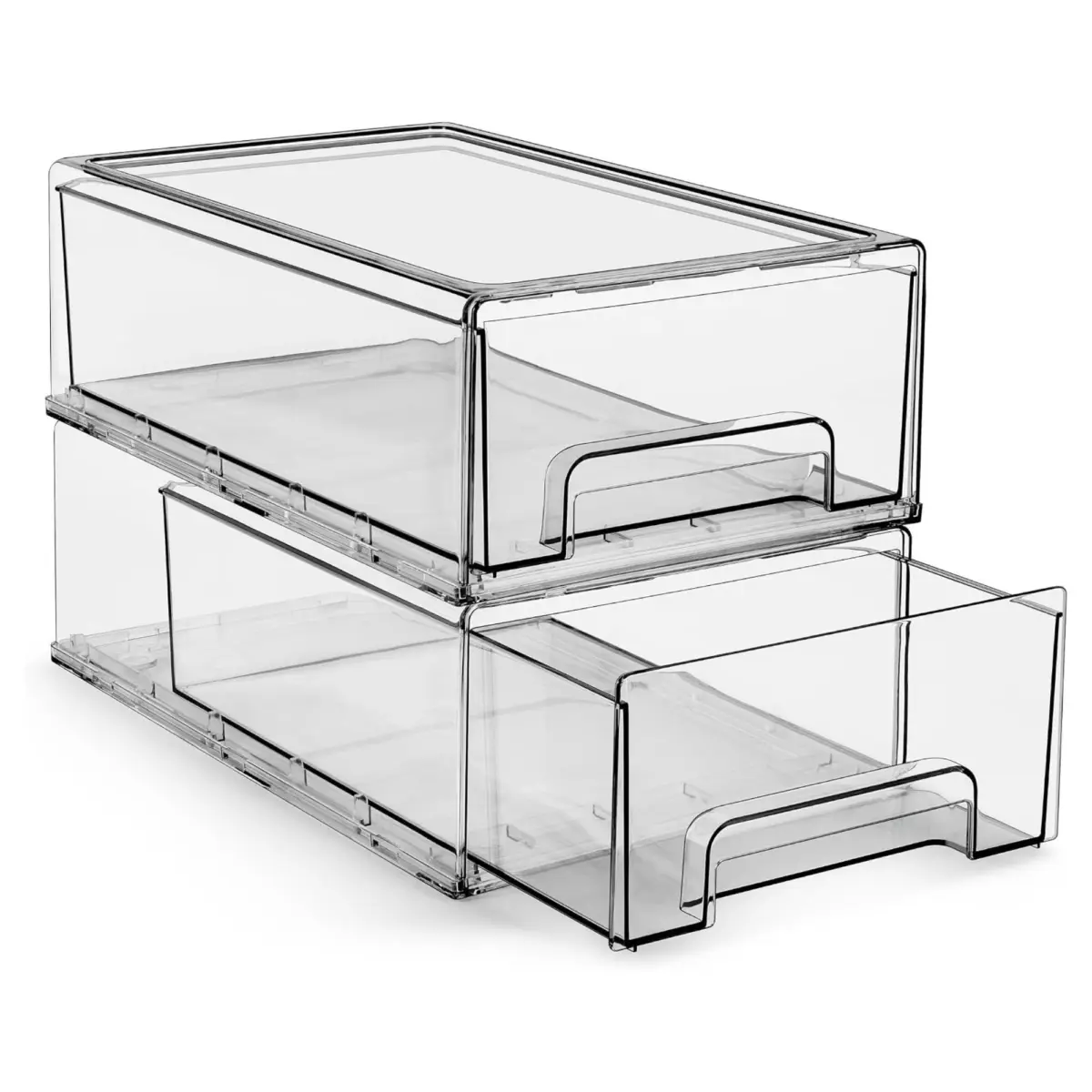
- Clear Acrylic Stackable Bins (with Lids and Handles): The foundational element of the system. Look for options with cut-out handles for easy transport from shelf to counter.
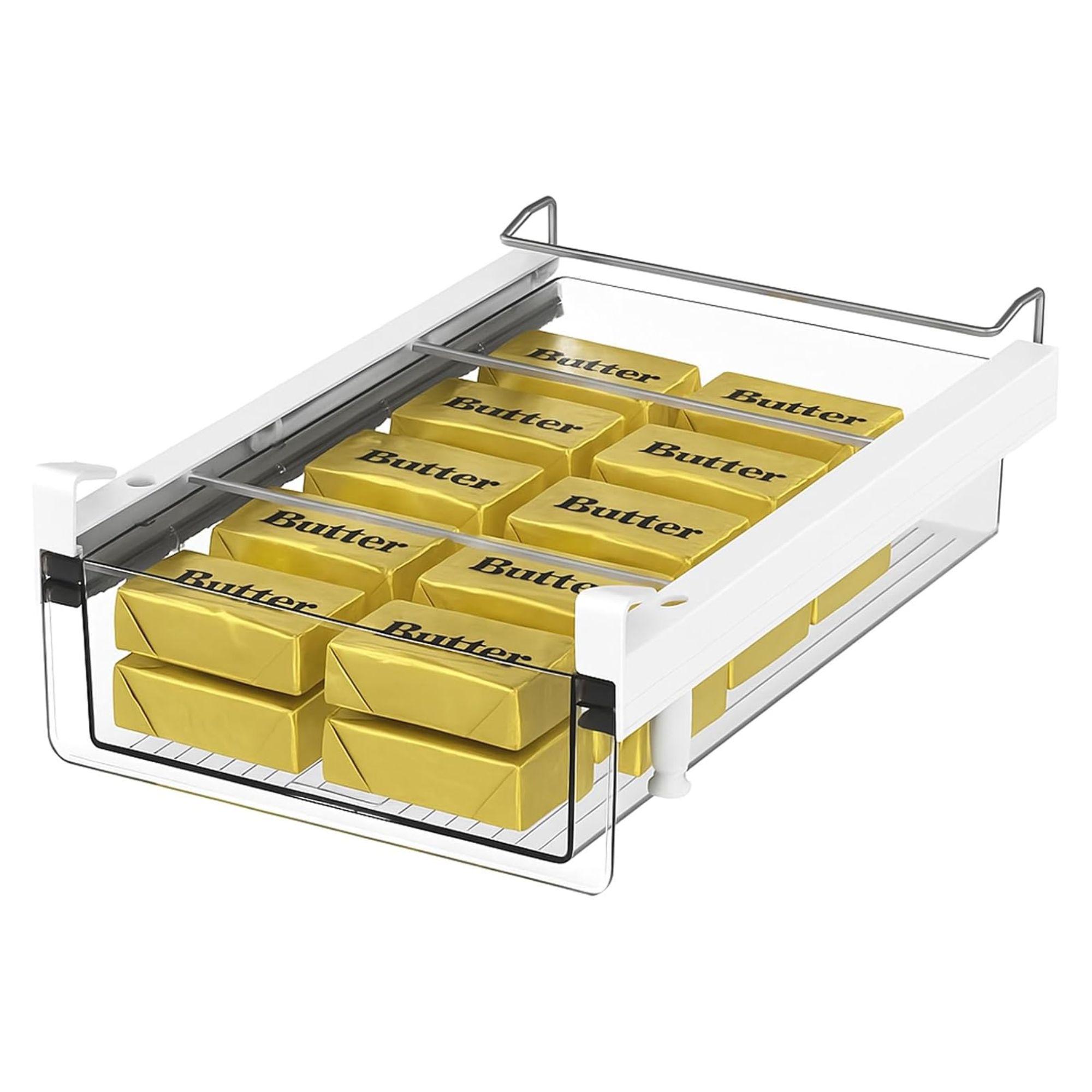
- Pull-Out Under-Shelf Drawers: These utilize the often-wasted dead space hanging beneath refrigerator shelves, creating bonus storage for smaller items or deli goods.
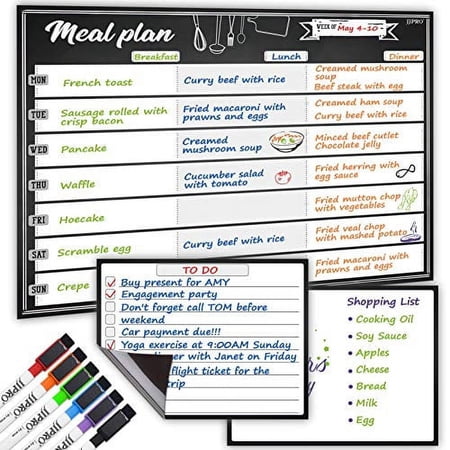
- Magnetic Meal Planning Whiteboards: Attaching directly to the front of the refrigerator, these boards allow you to map out your weekly menu in correspondence with your prep bins.
- Dry-Erase Food Labels & Wet-Erase Markers: Water-activated or dry-erase labels stick securely to plastic bins, allowing you to update meal names and days of the week as your menu shifts.
Final Thoughts
The transition into colder weather and busy hosting schedules does not have to mean a descent into domestic chaos. By reimagining how we store and access our food, simple organizational adjustments can yield profound changes in our daily lives. The meal-prep bin system proves that sometimes, the most effective life hacks are the most tactile ones—turning the chaotic interior of a refrigerator into an engine of calm, efficiency, and culinary inspiration.
