

As summer draws to a close, backyard gardeners often find their once-vibrant tomato patches looking a bit weather-worn and weary. By September, foliage may turn yellow, and stems can appear woody or neglected—especially if you spent the peak of August traveling or focused on other outdoor chores. However, seasoned horticulturists warn against writing off your summer crops just yet.
Depending on your geographic zone, September represents a critical transition month. In the warmer southern states, plants may remain in full, productive harvest mode with weeks of high yields still ahead. Conversely, growers in northern regions face a sharp tapering of productivity as early autumn chills and the looming threat of first frosts signal the end of the season.
Regardless of where your garden sits on the map, a few strategic interventions this month can dramatically extend your harvest window, improve fruit flavor, and keep your plants healthy well into the mid-fall.
Main Facts: The September Tomato Strategy
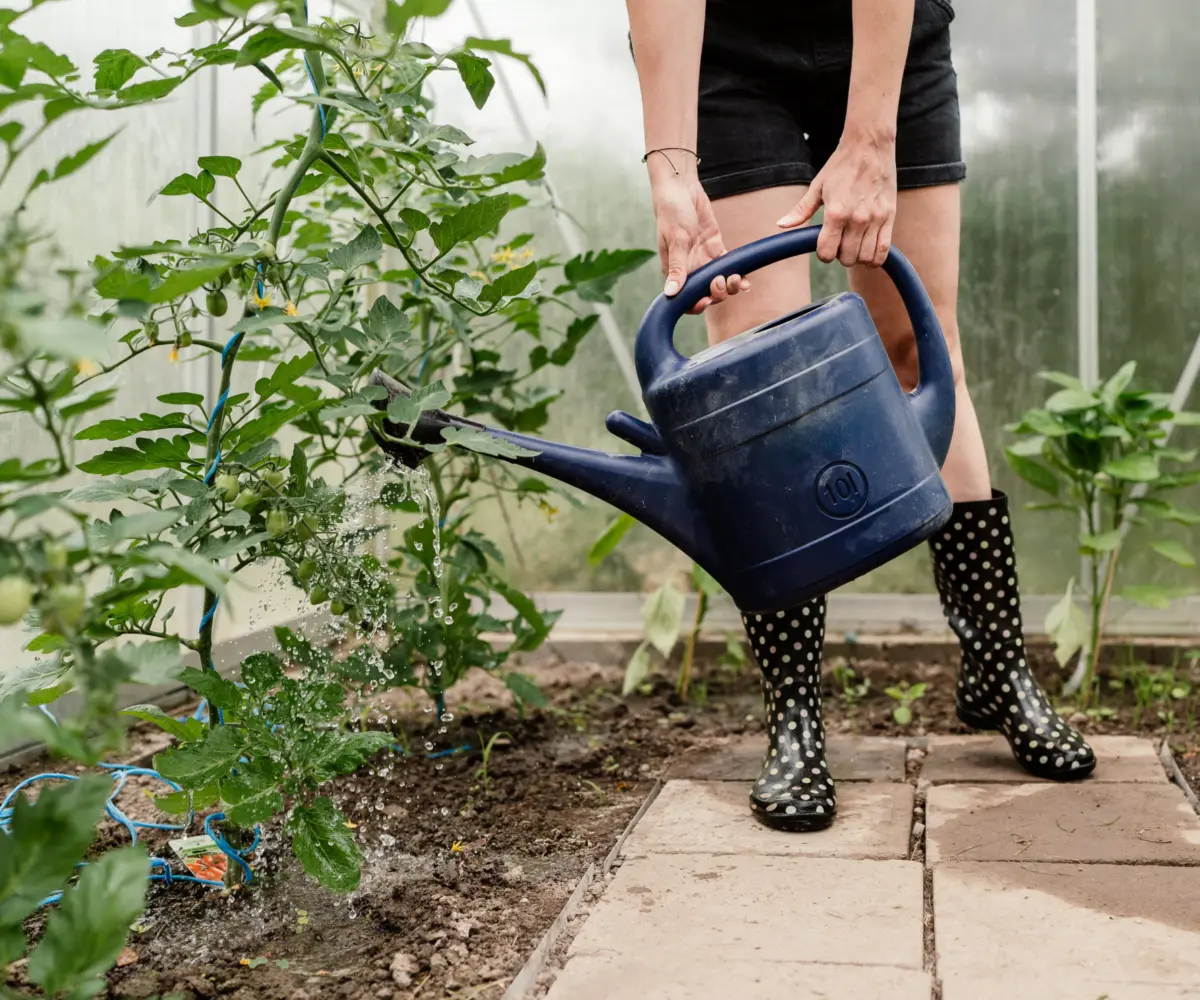
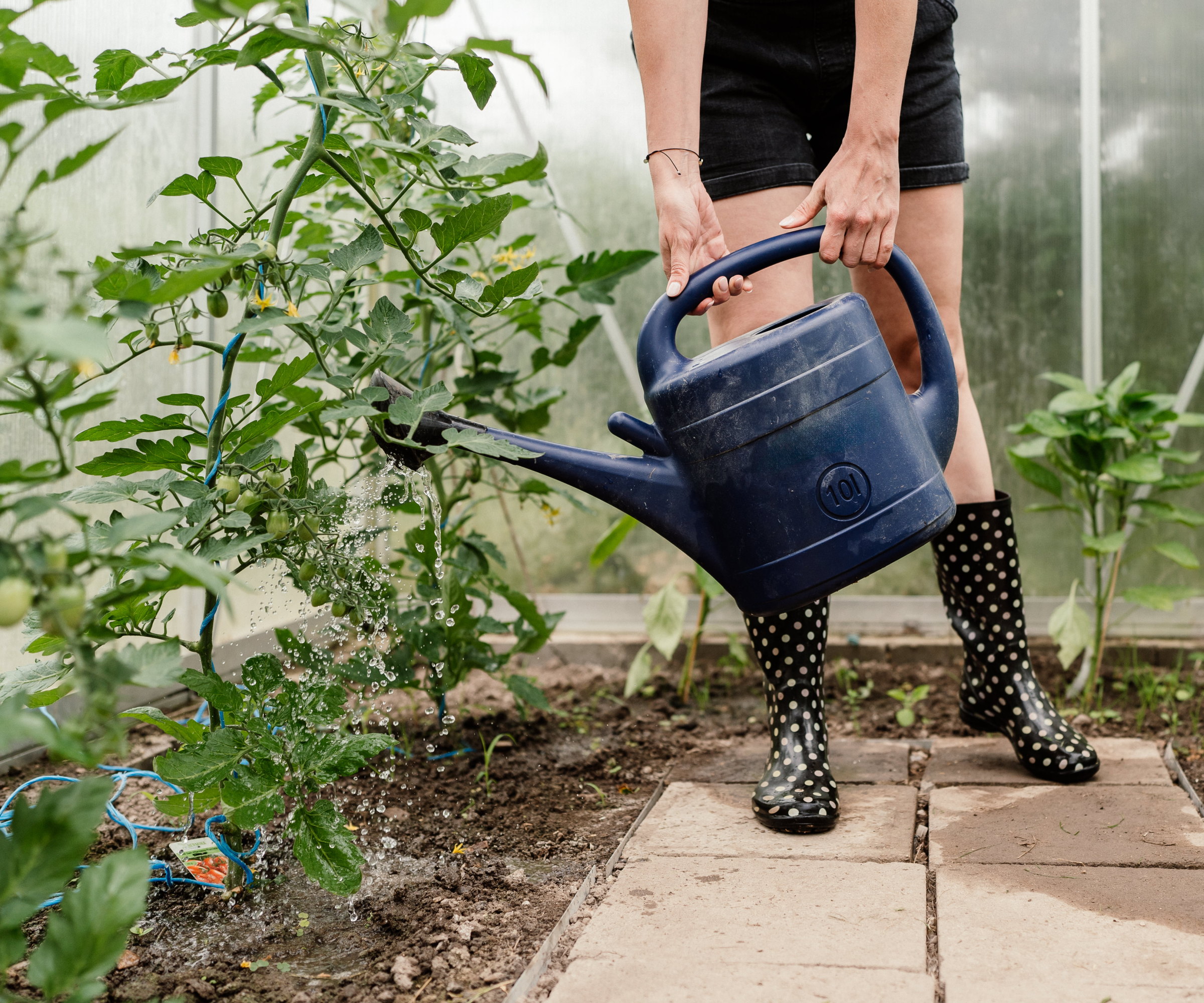
- Shift the Watering Mindset: As daylight hours shorten and intense summer heat mellows, tomato plants require less frequent watering. Gradually cutting back moisture concentrates sugars in the ripening fruit, leading to a sweeter, richer taste.
- Topping and Trimming: Directing a plant’s remaining energy away from vertical growth and excess foliage ensures that the final trusses of tomatoes receive maximum sunlight and nutrients.
- Disease Management: Late-season humidity and fluctuating temperatures create prime conditions for fungal pathogens. Removing spent, diseased, or underproductive plants prevents the spread of blight and rot.
- Indoor Ripening: When outdoor temperatures dip and ripening stalls, green or blushing fruits can be successfully brought indoors to finish maturing off the vine.
Chronology: A Week-by-Week Guide to September Tomato Care
Managing your tomato crop through the final weeks of its lifecycle requires a structured, time-sensitive approach. Here is how to pace your gardening chores throughout the month.
Early September: Assessment and Initial Feeding
The month should begin with a thorough inspection of your entire tomato patch. Tour your garden and categorize your plants. Healthy specimens laden with green or blushing fruit deserve your full attention, while severely weather-beaten, pest-damaged, or diseased plants should be earmarked for removal.
For the plants you intend to keep, give them one final nutritional boost. After a long summer of heavy fruiting—and potential neglect during vacations—plants are often depleted. Apply a balanced, water-soluble fertilizer directly to the root zone to supply the energy required for a final surge of fruit development.
Mid-September: Pruning, Topping, and Structural Support
Once your productive plants have received their final feeding, it is time to tidy them up. This involves several critical physical adjustments:
- Topping: Cut out the main growing tip of each indeterminate plant, leaving two to three leaves above the highest fruiting truss. This stops the plant from wasting energy on upward vegetative growth that will never mature.
- Defoliation: Strip away older lower leaves—particularly those touching the soil—and thin out upper foliage that casts shadows over developing green tomatoes. Increased sun exposure directly accelerates the vine-ripening process.
- Pinching Side Shoots: Continue to eradicate any sneaky side shoots developing in the axils between the main stem and side branches.
- Removing Flower Clusters: Snip off any late-emerging flower blossoms. These will not have adequate time to set and mature before colder weather arrives, and they only drain valuable resources from existing fruit.
- Securing Supports: Tie wayward, heavy stems securely to stakes, trellises, or cages. Maintaining a clearance of roughly 12 inches between the lowest foliage and the soil surface is vital for maintaining air circulation and preventing soil-borne pathogens from splashing onto the leaves.
Late September: Harvesting and Plant Removal
As the month draws to a close and overnight temperatures plummet, transition your efforts entirely toward harvesting. Pick any fruit showing good color. If local forecasts predict an unseasonably early frost, strip all remaining blushed or full-sized green tomatoes from the vines to save them from cold damage. Finally, clear out all remaining spent vines, clean your garden beds, and prepare your soil for cover crops or autumn amendments.
Supporting Data and Horticultural Insights
Understanding the biological needs of Solanum lycopersicum (the common tomato) during its senescence phase helps explain why these September interventions work.

- Moisture Regulation: Over-watering late in the season does not just risk root rot—a fatal fungal condition caused by oxygen-deprived, waterlogged soil—it also causes rapid cell expansion in ripening fruits. This sudden influx of water leads to physical splitting and cracking of the tomato skin, ruining the harvest. Using a soil moisture meter to ensure the top two inches of earth are dry before reintroducing water protects both root systems and fruit integrity.
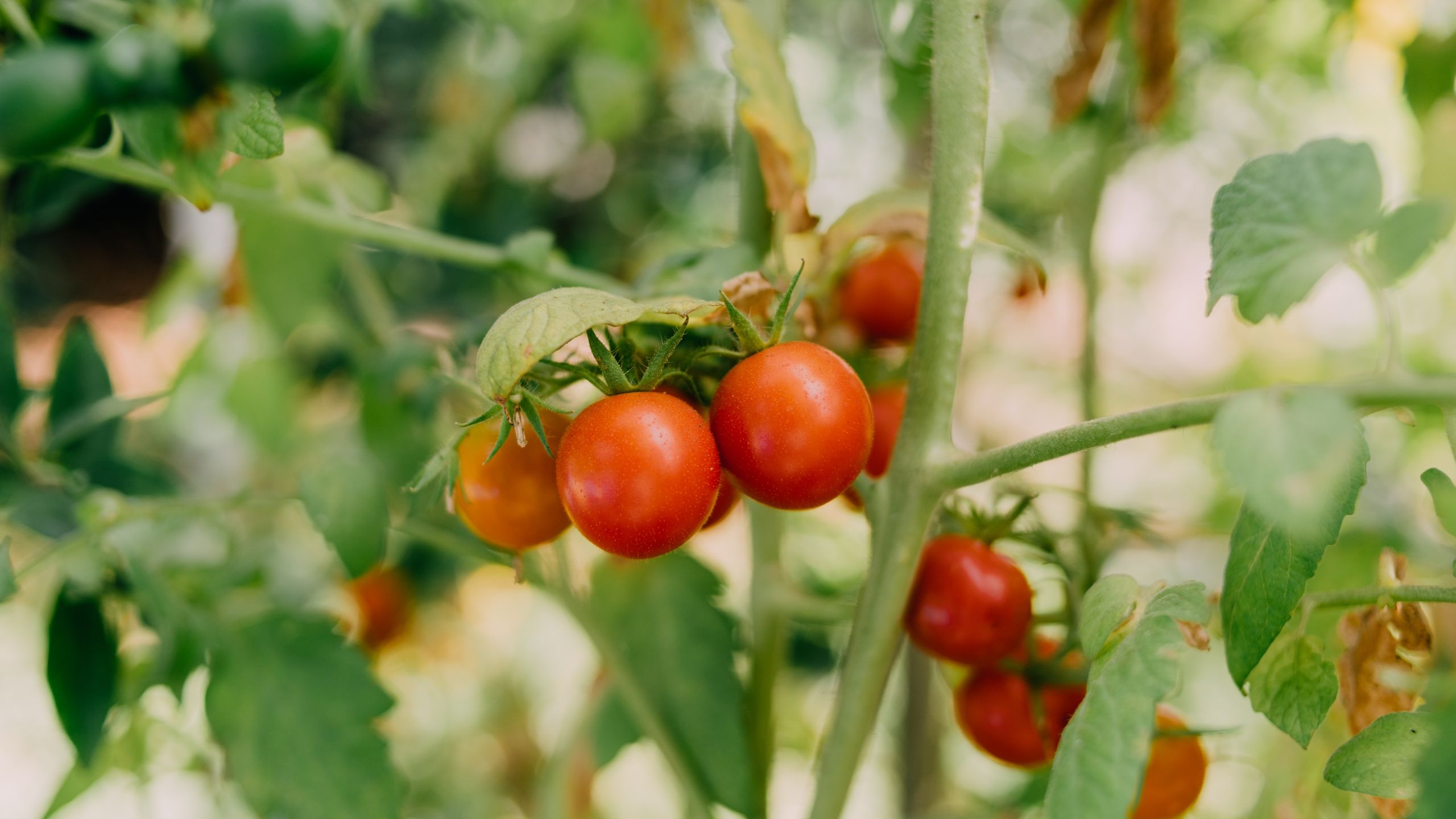
- Sugar Concentration: Horticultural studies show that mild, controlled water stress late in the season reduces water content within the fruit while concentrating organic acids and soluble solids (sugars). This physiological response is the secret behind deeply flavorful late-season heirlooms and cherry tomatoes.
- Ethylene Gas and Indoor Ripening: When moving tomatoes indoors, placing them in a single layer inside paper bags alongside a ripe banana harnesses ethylene gas—a natural plant hormone that stimulates ripening. Countertop organizers or shallow trays allow air to circulate while keeping the fruit visible and accessible.
Official Recommendations from Agricultural Extensions
Agricultural universities and extension offices across the United States consistently emphasize the importance of end-of-season garden hygiene. According to regional master gardener programs, failing to clear out diseased plant debris in autumn creates an overwintering reservoir for common fungal pathogens such as early blight (Alternaria solani) and late blight (Phytophthora infestans).
Extension guidelines strongly advise against placing diseased tomato residue into backyard compost heaps, as standard home composting temperatures rarely reach high enough thresholds to reliably kill resilient fungal spores and viral agents. Instead, gardeners are advised to bag and discard infected material or transport it off-site via rolling garden carts to municipal green waste facilities.
Furthermore, university horticulturists note that indeterminate tomato varieties grown in greenhouses or hoop houses can often be coaxed into October productivity, provided growers actively manage humidity levels through strategic ventilation as autumn evening dampness sets in.
Implications for Home Gardeners and Local Food Security
The meticulous management of late-season crops carries significant implications, extending far beyond simple backyard aesthetics. For the home gardener, extending the tomato harvest by even three to four weeks maximizes the return on investment for seeds, soil amendments, water utilities, and time.
On a broader scale, urban and suburban agriculture plays an increasingly vital role in local sustainability. Maximizing yields during transitional climate windows reduces household food waste and reliance on out-of-season, commercially transported produce. By adopting proactive September maintenance techniques—such as intelligent pruning, selective watering, and proper indoor ripening—gardeners can savor the authentic taste of homegrown tomatoes well past the official end of summer, turning a fading patch into a final, highly rewarding bounty.
