

BERLIN — Motorola has long carved out a distinct identity in the fiercely competitive mobile landscape by prioritizing whimsy, bold aesthetics, and boundary-pushing form factors alongside traditional performance metrics. At this year’s IFA technology trade conference in Berlin, the Lenovo-owned brand leaned heavily into this dual ethos.
By rolling out a sparkling, haute-couture variant of its popular foldable smartphone, a pair of marathon-grade mid-range devices sporting gargantuan power cells, and an LTE-connected flagship smartwatch, Motorola is demonstrating that consumer technology can be both aggressively functional and undeniably stylish.
Main Facts: What Motorola Announced at IFA
Motorola’s showcase in Berlin was broad, covering foldable luxury, mid-range endurance, wearable connectivity, and fast-charging accessories. The headline announcements include:

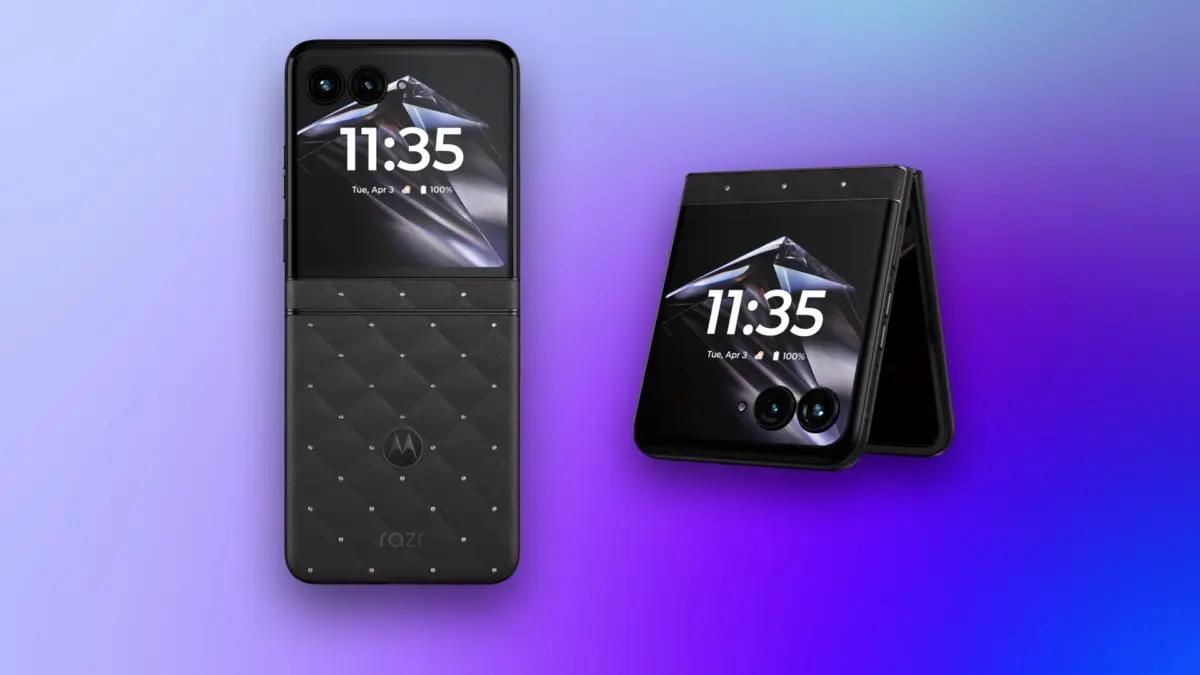
- The Swarovski Crystal Motorola Razr (Razr 70): A limited-edition variant of the already well-received Razr 2026, featuring a quilted black "Pantone Meteorite" rear panel adorned with 35 hand-placed Swarovski crystals and an additional 32-facet crystal embedded directly into the hinge.
- Motorola Edge 70 Plus and Edge 70 Plus Neo: Two new mid-range heavy-hitters focusing on extreme battery longevity—packing 6,500-mAh and 7,000-mAh batteries, respectively—paired with the Snapdragon 7s Gen 3 processor and 6.78-inch Extreme AMOLED displays.
- Moto Watch Ultra: A premium evolution of the standard Moto Watch, bringing independent LTE connectivity, a slightly larger 1.5-inch OLED display, and continued science-backed fitness tracking in partnership with Polar.
- Moto Snap Wireless Charger: A new charging accessory capable of delivering 25-watt fast wireless charging to Qi-compatible devices and up to 30 watts to proprietary Motorola hardware.
Chronology: From Concept to Berlin Reveal
The path to Motorola’s IFA presence builds upon a steady stream of hardware iteration over the past year.
- November: Motorola introduced the base Edge 70, turning heads in the tech community with its shockingly thin 5.99mm chassis and a respectable 4,800-mAh battery.
- Earlier This Year: The standard Moto Watch debuted to generally favorable reviews, praised for its display and health-tracking collaborations with Polar, though it faced criticism for step-counting discrepancies during running workouts. Meanwhile, the base Motorola Razr 2026 (marketed as the Razr 70 in European territories) launched to strong critical reception—securing an 8/10 review score for its snappy charging and functional cover screen.
- IFA Berlin (Present Day): Motorola capitalized on the momentum of these existing product lines. Rather than launching an entirely new generation from scratch, the company refreshed and expanded its ecosystem. The standard Razr was elevated to luxury status with Swarovski, the Edge line was adapted for multi-day battery endurance, and the Moto Watch received its long-awaited LTE standalone capabilities.
Supporting Data: Specifications and Pricing Breakdown
Understanding the sheer scope of Motorola’s new hardware requires looking closely at the spec sheets, pricing tiers, and hardware trade-offs introduced in Berlin.
The Foldable: Swarovski Razr (Razr 70)
- Base Model Review Score: 8/10 (praised for cover screen utility and fast charging).
- Base Price: $800.
- Swarovski Edition Price: €1,000 (~$1,159 USD).
- Design Enhancements: Pantone Meteorite (black) finish, quilted back featuring 35 manually set crystals, and a 32-facet crystal on the mechanical hinge.
The Endurance Duo: Edge 70 Plus vs. Edge 70 Plus Neo
While both phones share a processing foundation and display technology, they diverge significantly in battery capacity, physical dimensions, and camera hardware.

| Feature | Motorola Edge 70 Plus | Motorola Edge 70 Plus Neo |
|---|---|---|
| Thickness | 8.49mm | 8.49mm |
| Battery Capacity | 6,500 mAh | 7,000 mAh |
| Display | 6.78-inch Extreme AMOLED | 6.78-inch Extreme AMOLED |
| Processor | Snapdragon 7s Gen 3 | Snapdragon 7s Gen 3 |
| Main Camera | 200-megapixel sensor | 50-megapixel Sony LYTIA 710 sensor |
| Supporting Cameras | 2-megapixel macro, 32-megapixel front | 2-megapixel macro, 32-megapixel front |
| Pantone Color Options | Mountain View, Gray Lilac, Milky Blue, Sage | Mountain View, Gray Lilac, Milky Blue, Sage |
The Wearable and Accessory Ecosystem
- Moto Watch Ultra: Features a 1.5-inch OLED display (up from 1.43 inches on the non-Ultra model) and a 46mm chassis width (slightly slimmer than the 47mm predecessor). Priced at €429 (~$497 USD), marking a steep premium over the $150 standard Moto Watch.
- Moto Snap Wireless Charger: Outputs 25W for standard Qi devices and up to 30W using Motorola’s proprietary charging protocols.
Official Responses and Strategic Positioning
Motorola has not historically shied away from leaning into fashion collaborations, viewing lifestyle branding as an effective counter-strategy against competitors who rely purely on sterile, utilitarian spec sheets. By partnering with Swarovski and continuing its deep-rooted design relationship with Pantone, Motorola is deliberately courting consumers who view their smartphones as fashion accessories as much as communication tools.
In the mid-range segment, the introduction of the Edge 70 Plus and Neo directly addresses the perennial consumer anxiety surrounding battery life. By swelling capacities to 6,500 mAh and 7,000 mAh—while maintaining a manageable 8.49mm thickness—the brand is signaling that consumers no longer need to sacrifice thin, elegant industrial design to secure multi-day operational endurance.
Furthermore, the strategic choice regarding the camera sensors highlights a refreshing transparency in consumer tech marketing. By equipping the Neo with a 50-megapixel Sony LYTIA 710 sensor rather than chasing higher headline-grabbing megapixels (such as the 200-megapixel sensor on the standard Plus model), Motorola is overtly educating buyers: sensor size and pixel quality matter more than raw numerical counts when shooting in challenging low-light environments.

Industry Implications: What This Means for the Mobile Market
Motorola’s IFA announcements carry several broader implications for the smartphone and wearable markets:
- The Normalization of Niche Luxury in Foldables: As foldable phones transition from bleeding-edge novelties to mainstream commodities, manufacturers are looking for ways to command premium margins. While functional upgrades year-over-year can be incremental, aesthetic collaborations—such as integrating precious crystals or high-end designer colorways—create true collector’s items that justify higher price tags without requiring entirely re-engineered silicon.
- The Battery Renaissance in Mid-Rangers: For years, slim phones meant compromising on battery life. Motorola’s ability to pack up to 7,000 mAh into an 8.49mm chassis points to advancements in battery density and thermal management technology. If competitors follow suit, the era of the daily recharge for mid-range devices may officially be coming to an end.
- Maturation of Wearable Health Partnerships: The inclusion of LTE in the Moto Watch Ultra, paired with continued reliance on Polar’s sports science algorithms, demonstrates that tech companies cannot build fitness wearables in a vacuum. Consumers increasingly demand medical-grade and scientifically validated fitness insights, making partnerships with established health and training brands a baseline requirement for success in the smartwatch arena.
As these devices roll out across Europe and global markets in the coming months, Motorola’s multifaceted strategy will face its ultimate test: whether consumers are willing to pay a premium for bedazzled foldables, and whether endurance-focused mid-rangers can successfully steal market share from entrenched industry giants.
