

WASHINGTON — The architectural and engineering blueprints of America are slowly starting to look a little more diversified. For the better part of the past two years, conversations surrounding nonresidential construction planning have been dominated almost entirely by the insatiable, tech-driven appetite for artificial intelligence infrastructure and massive data center campuses. However, fresh economic data indicates that a broader, more traditional recovery is taking root across the commercial and institutional sectors.
According to the latest figures from Dodge Construction Network released on October 8, 2026, the Dodge Momentum Index (DMI)—which tracks nonresidential building projects heading into the early planning stages—climbed 2.4% in September, landing 3.7% above its level from the same month a year prior.
While the headline numbers point to steady, incremental progress, industry analysts note that the underlying narrative is far more nuanced. The month-over-month growth was heavily propelled by a surging institutional sector, while the commercial segment wrestled with mixed momentum. Most notably, pockets of strength outside of the tech and logistics booms are beginning to offset minor contractions, signaling a healthier and more resilient construction pipeline heading into the late 2020s.
Main Facts: A Closer Look at the September 2026 Numbers
The Dodge Momentum Index serves as a critical leading indicator for the construction industry, capturing projects at the inception phase before groundbreaking occurs—typically 12 to 24 months out. The September report highlights a bifurcated market where non-tech sectors are stepping up to share the heavy lifting.
- Overall Growth: The DMI increased by 2.4% month-over-month in September, moving up to a point 3.7% higher than September 2025.
- Institutional Surge: Institutional building planning experienced a massive 9.4% jump month-over-month, driven largely by healthcare, education, and government facilities. On a year-over-year basis, institutional planning skyrocketed by 17.2%.
- Commercial Contraction: Conversely, commercial planning dipped 1.3% for the month. Despite retail, hotel, office, and parking garage projects showing positive month-over-month improvements, sharp pullbacks in data center and warehouse planning weighed down the segment.
- Megaproject Volume: Dodge reported that 45 projects valued at $100 million or more officially entered the planning stage during September, underscoring continued confidence among large-scale developers despite high borrowing costs and economic uncertainties.
Chronology: The Evolution of the Construction Pipeline
To understand where the construction market stands in the fall of 2026, it is necessary to retrace the trajectory of the preceding months, which were defined by extreme sector-specific concentration.
Early to Mid-2025: The Monoculture of Tech Infrastructure
Throughout 2025, nonresidential planning metrics were heavily skewed by the generative AI boom. Land acquisition, permitting, and conceptual engineering for massive data centers soaked up a disproportionate share of capital. While traditional office and retail sectors stagnated due to remote work shifts and high interest rates, gigawatt-scale data center campuses kept commercial indexes artificially inflated.
Summer 2026: Signs of Fatigue in Warehousing and Logistics
By mid-2026, early cracks began to show in the logistics and data center pipelines. Following a historic post-pandemic warehouse construction boom, the market began to normalize, leading to a cooling-off period for massive distribution centers. Data center planning also experienced minor cyclical lulls in August 2026, creating temporary dips in the broader commercial index and forcing industry observers to question whether nonresidential construction would stall without tech megaprojects.
September 2026: The Broadening Out
The release of the September 2026 DMI data marked a turning point. Instead of relying solely on digital infrastructure, the index found new footing through institutional investments. Healthcare systems, higher education institutions, and municipal entities began pushing long-delayed modernization and expansion projects through the planning pipeline, providing a much-needed counterbalance to the cooling logistics sector.
Supporting Data: Breaking Down the Segments
A granular analysis of the Dodge Construction Network data reveals a fascinating tug-of-war between traditional building sectors and the tech-fueled commercial market.
The Data Center Paradox
Even with a slight cooling trend over the past two months, data centers continue to represent the undisputed heavyweights of commercial planning activity. The numbers underscore just how reliant the commercial sector has been on digital infrastructure. According to Dodge’s econometric models, if data center work were entirely stripped from the equation, commercial planning would have plummeted by a staggering 14.9% year-over-year in September, rather than recording a modest 3% dip.
This metric illustrates a vital reality: while other commercial sub-sectors like retail and hospitality are showing green shoots of recovery, they are still operating well below their historical pre-pandemic volumes. Without the multi-billion-dollar hyperscale facilities funded by tech giants, the commercial construction landscape would look drastically different.
Institutional Strength Leads the Way
While commercial markets search for their footing, the institutional sector is firing on all cylinders. Driven by demographic shifts, aging healthcare infrastructure, and the continuous need to upgrade educational facilities for modern pedagogical and technological standards, institutional planning jumped 17.2% year-over-year.

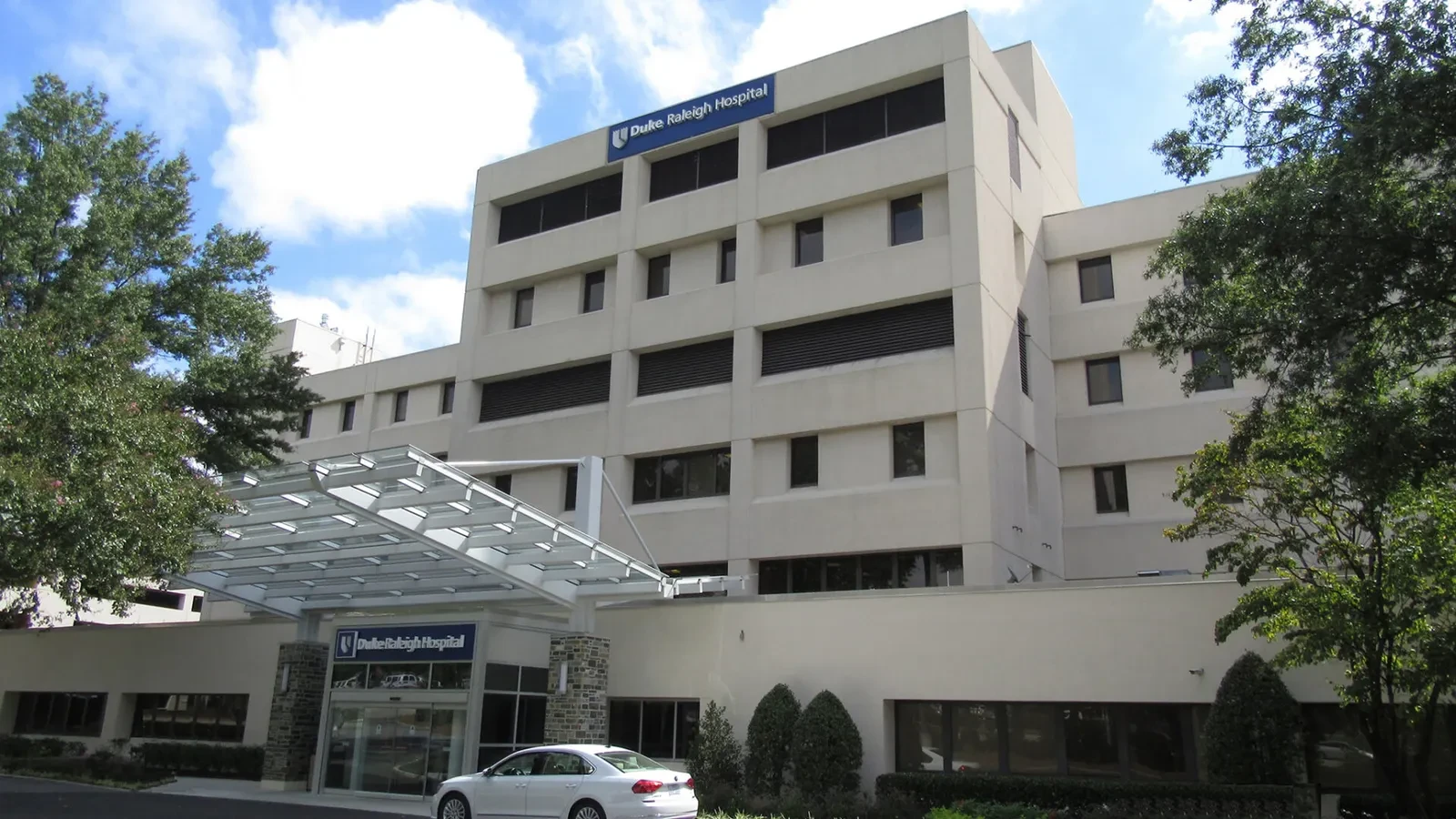
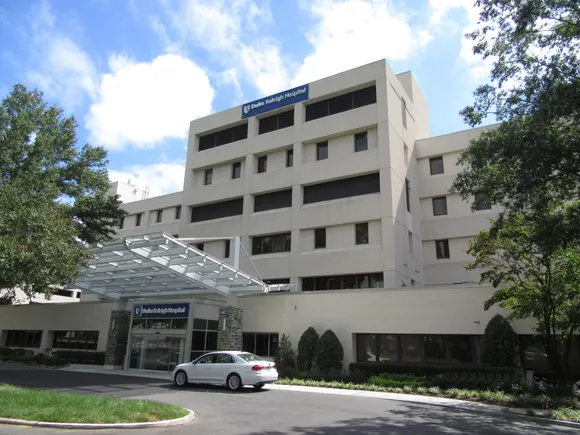
Healthcare planning, exemplified by major regional expansions like the Duke Raleigh Hospital project in North Carolina, has proven particularly resilient. Hospitals and healthcare networks are investing heavily in outpatient facilities, regional medical centers, and specialized care units to keep pace with an aging population. Simultaneously, K-12 school districts and universities are leveraging municipal bonds and state funding to overhaul aging campuses, driving steady, predictable demand for mid-to-large-scale contractors.
Official Responses and Economic Analysis
Industry leaders and economists have welcomed the diversification shown in the September report, noting that a broader base of construction activity bodes well for the health of the broader economy.
"Institutional planning led this month’s growth, alongside a strong uptick in education, healthcare, and government building planning," said Sarah Martin, director of economic research at Dodge Construction Network. "Milder growth was seen across several other commercial sectors, as well."
Martin emphasized that the expansion of the planning pipeline beyond tech-centric projects is a positive omen for the labor market and supply chains. When nonresidential construction relies on a single asset class—such as data centers or warehouses—any regulatory hurdle, supply chain bottleneck, or macroeconomic shift in that specific industry can send shockwaves through the entire construction ecosystem.
"As planning grows in other nonresidential projects, construction spending in those sectors should post a marginally stronger late 2027," Martin added. This forward-looking projection suggests that architects, general contractors, and trade partners who diversified their portfolios away from pure commercial logistics stand to benefit as these projects transition from the drawing board to active job sites over the next 12 to 18 months.
Implications: What the Shift Means for the Industry
The evolution of the Dodge Momentum Index carries profound implications for contractors, developers, material suppliers, and municipal planners as they look toward the horizon of 2027 and beyond.

1. Diversification as a Risk Mitigation Strategy
For general contractors and specialty subcontractors, the resurgence of institutional planning serves as a strategic roadmap. Firms that spent the last several years aggressively pivoting to capture the data center and warehouse boom may find strategic value in re-establishing relationships within the healthcare, education, and municipal sectors. A balanced backlog that includes both tech infrastructure and institutional projects provides superior insulation against sector-specific downturns.
2. Evolving Supply Chain and Workforce Demands
The transition from massive, remote greenfield data center developments—often located in rural or suburban outposts with low population density—to urban and suburban institutional projects (like hospitals and schools) brings distinct operational challenges. Institutional projects often require complex phasing, strict adherence to life-safety codes while facilities remain operational, and specialized mechanical, electrical, and plumbing (MEP) integration. Contractors will need to ensure their labor force possesses the requisite skill sets for complex healthcare and educational builds.
3. Financing Realities in a High-Interest Environment
The fact that 45 projects valued at $100 million or more entered planning in September demonstrates that developers and institutional boards are finding ways to navigate persistent macroeconomic headwinds. While elevated interest rates continue to challenge private commercial developers, institutional projects backed by tax-exempt bonds, public-private partnerships (P3s), and robust hospital system balance sheets are proving capable of breaking through financial friction.
Looking Ahead
As the construction industry marches toward the close of 2026, the latest reading of the Dodge Momentum Index offers a reassuring message of resilience. By proving that nonresidential momentum can expand beyond the server rack and the logistics park, the market is laying the groundwork for a more balanced, multi-faceted expansion. For builders, developers, and designers alike, the message is clear: the future belongs to those who can capture the enduring tech boom while successfully riding the wave of institutional renewal.
