

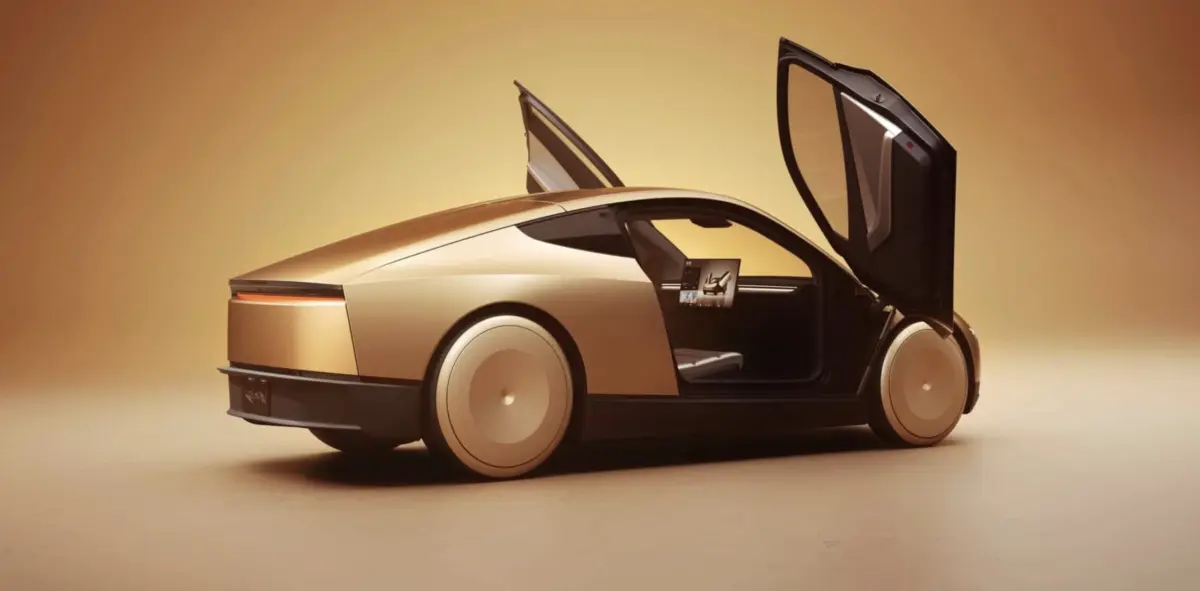
WASHINGTON — The regulatory collision course between federal safety watchdogs and Tesla’s autonomous ambitions has reached a critical juncture. The National Highway Traffic Safety Administration (NHTSA) has issued a formal, legally binding Special Order demanding that Tesla prove, under oath, the legality of selling and operating its commercial Cybercab.
The enforcement action, signed by NHTSA Chief Counsel Peter Simshauser and dispatched directly to Tesla’s upper-tier legal counsel, marks a dramatic escalation in federal scrutiny. Delivered on September 10, the 21-point demand letter requires Tesla to justify how a mass-produced vehicle entirely devoid of a steering wheel, foot pedals, and traditional rearview mirrors can possibly comply with Federal Motor Vehicle Safety Standards (FMVSS) explicitly written with a human driver in mind.
Tesla faces a strict September 30 deadline to respond. The stakes are immense: failing to provide complete, truthful answers backed by a sworn affidavit carries financial penalties of up to $139 million, alongside the threat of severe regulatory injunctions.
Main Facts: The Anatomy of a Federal Challenge
At the heart of the standoff is a fundamental clash over how automotive safety regulations are applied to autonomous technology. Unlike aviation or heavily scrutinized medical sectors, the United States automotive industry relies on a system of self-certification.
Under this framework, automakers do not wait for pre-approval from federal regulators to release a new vehicle design. Instead, manufacturers independently test their cars, certify that they comply with all applicable FMVSS regulations, and place them on the market. NHTSA then conducts after-the-fact audits and safety investigations.
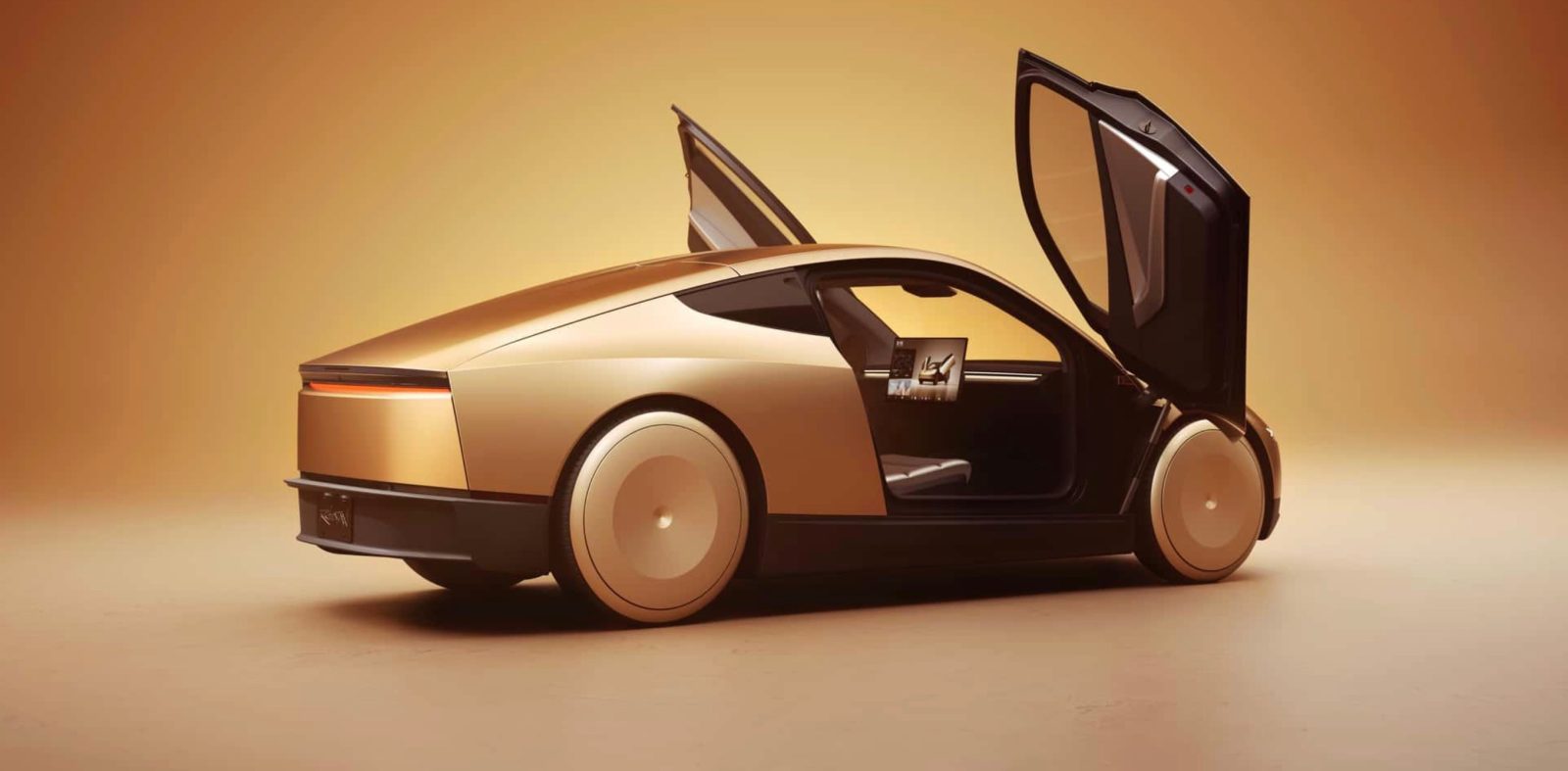
Tesla enthusiastically utilized this self-certification model for the Cybercab, declaring the autonomous pods compliant with every relevant federal safety standard before launching commercial ride-hailing operations in Austin, Texas, on September 3.
However, NHTSA contends that Tesla’s certification is built on a legal fiction. The federal safety standards governing everything from service brakes to stability control explicitly presume the presence of a human operator.
- The Foot-Brake Mandate: FMVSS No. 135 states plainly that "service brakes shall be activated by means of a foot control." The Cybercab has no pedals. NHTSA has previously stated that no manufacturer can legally self-certify a foot-brake-less vehicle under the current standard.
- The "Make Inoperative" Trap: Investigators are scrutinizing whether Tesla utilized temporarily attached manual controls during the development or testing phases to pass compliance checks, only to strip them out before commercial delivery—a potential violation of the Safety Act’s prohibition against making required safety equipment inoperative.
- The Exemption Absence: In 2022, NHTSA explicitly clarified that further regulatory amendments or a formal exemption under Part 555 would be necessary before a fully driverless vehicle could be manufactured for sale. Tesla never applied for or received a Part 555 exemption.
Chronology of the Escalation
The timeline leading up to the Special Order highlights a rapidly deteriorating relationship between Tesla and its primary federal regulator:
- February 2026: Tesla rolls its first steering-wheel-less Cybercab unit off the assembly line, pushing forward with mass production long before solving the broader regulatory puzzle of autonomous vehicle homologation.
- June 2026: NHTSA floats a proposed amendment to FMVSS No. 135 to modernize foot-brake rules for automated vehicles—signaling that the agency is open to updating the rules, but emphasizing that proposals do not carry the weight of law.
- September 3, 2026: Tesla officially launches commercial Cybercab service in Austin, Texas, charging the public for rides in the driverless pods.
- September 4, 2026: Just hours after the commercial launch, NHTSA opens Audit Query 26002, requesting preliminary information regarding the Cybercab’s FMVSS compliance.
- September 10, 2026: NHTSA escalates the audit into a formal Special Order. Chief Counsel Peter Simshauser issues 21 detailed investigative demands directly to Tesla’s head of litigation and associate general counsel for regulatory affairs.
- September 30, 2026: Tesla’s strict deadline to submit a comprehensive, sworn response to NHTSA or face penalties reaching $139 million.
Supporting Data and Comparative Analysis: The Zoox Precedent
Tesla is not the first company to conceptualize and build a purpose-built, steering-wheel-less robotaxi. However, it is the first to attempt to deploy one via commercial self-certification rather than navigating the formal federal exemption process.
The contrast between Tesla’s approach and that of its competitors is stark. In July, NHTSA granted Amazon-backed Zoox a temporary Part 555 exemption. This exemption explicitly waived eight federal standards for Zoox’s autonomous pods—including the exact foot-brake (No. 135) and mirror (No. 111) rules that Tesla is now being grilled over.

To secure its exemption, Zoox followed the textbook regulatory path:
- It formally applied to NHTSA.
- It presented a rigorous safety and engineering case.
- It accepted operational caps (limiting its fleet to 2,500 vehicles a year through 2028) and geographic restrictions.
Zoox won a demonstration exemption first, transitioned to a commercial exemption, and only then began charging the public. Tesla, by contrast, bypassed the exemption process entirely, assuming that self-certification would shield its operations from federal interference.
Official Responses and Regulatory Posture
NHTSA’s posture toward automated driving systems (ADS) has generally been characterized as forward-leaning rather than inherently hostile. The agency has repeatedly expressed its desire to modernize outdated rules, scale back cumbersome legacy requirements, and accommodate the burgeoning autonomous vehicle sector.
However, the agency’s core message to Tesla is unambiguous: wanting the rules to change is not the same as the rules having changed.
Until the relevant Federal Motor Vehicle Safety Standards are formally rewritten through the proper legislative and administrative channels, they remain the law of the land. Regulators cannot permit manufacturers to unilaterally cherry-pick which safety mandates apply to their vehicles based on philosophical assumptions about the future of transportation.

Tesla has maintained that traditional human-centric rules are fundamentally inapplicable to vehicles that manage the entire dynamic driving task without human intervention. Yet, under the legal parameters of the Special Order, philosophical arguments will not suffice. The company must provide granular, technical justifications signed under oath by corporate officers who could face severe criminal penalties—including fines and up to 15 years in prison—if they are found to have falsified or withheld material information.
Broader Implications for the Autonomous Vehicle Industry
The fallout from NHTSA’s Special Order extends far beyond Tesla’s balance sheet, carrying profound implications for the entire autonomous vehicle ecosystem in the United States.
- Operational Limitations for Tesla: Until these legal hurdles are cleared, the Cybercab’s deployment will remain severely restricted. Operations will likely stay confined to tightly geo-fenced urban corridors, operating at lower speeds and carefully avoiding complex infrastructure hazards like railroad crossings.
- A Test of Corporate Accountability: The requirement for a sworn affidavit strikes at the corporate governance style historically favored by Elon Musk and Tesla leadership. Navigating federal regulatory compliance via aggressive risk-taking has worked well for software rollouts, but hardware manufacturing governed by statutory safety acts leaves little room for executive improvisation.
- Precedent for Competitors: How NHTSA handles Tesla’s self-certification gamble will set a powerful precedent for other autonomous vehicle developers. If Tesla successfully forces regulatory acquiescence through market fait accompli, other firms may abandon traditional exemption pathways, fundamentally altering the oversight of driverless technology in America.
As the September 30 deadline approaches, the industry watches to see whether Tesla will choose to halt its aggressive rollout, contest the agency’s authority in federal court, or submit the detailed engineering justifications demanded by the nation’s top traffic safety regulator.
