


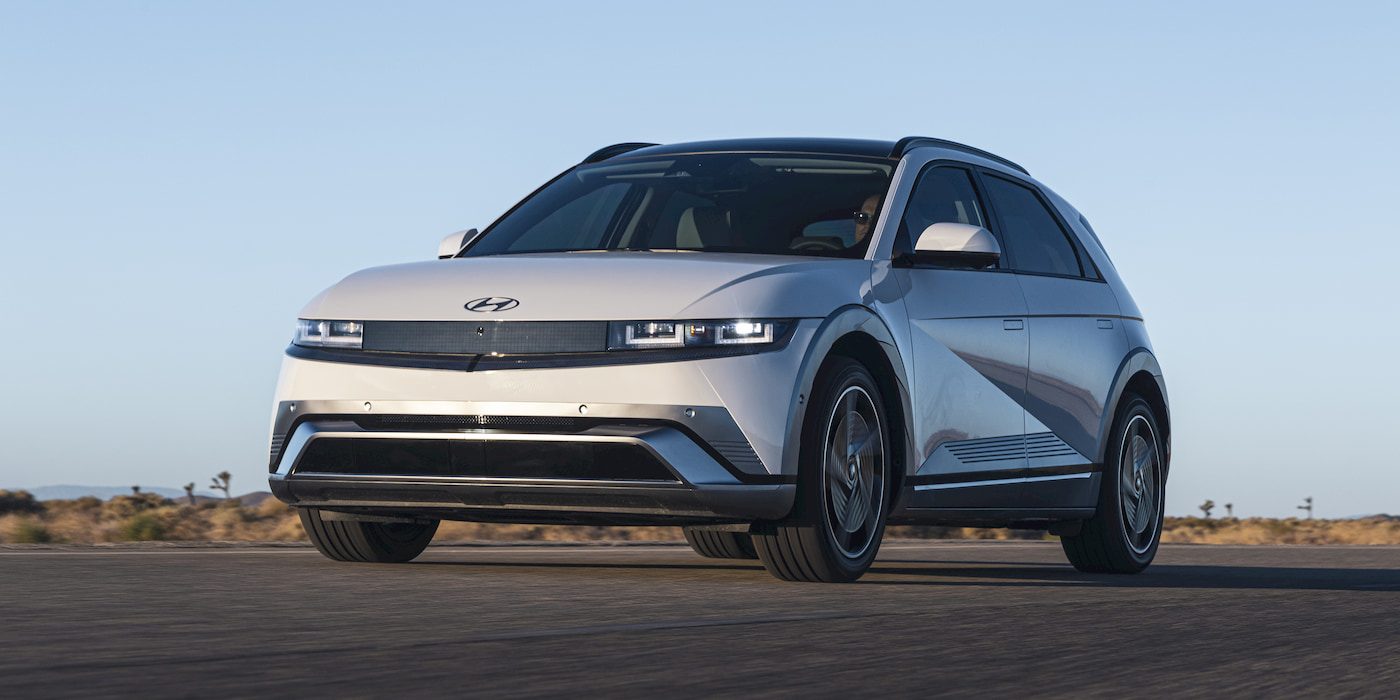
September 2026 — As the electric vehicle (EV) landscape in the United States continues to evolve through shifting tax incentives and heightened competition, the Hyundai IONIQ 5 has cemented its position as a dominant force in the segment. Thanks to strategic pricing adjustments and compelling consumer incentives rolled out for September, Hyundai’s electric crossover remains one of the most accessible and popular battery-electric vehicles on the market.
Following a major market shift last year after the expiration of the federal EV tax credit, Hyundai restructured its pricing strategy. Today, the IONIQ 5 stands not only as a sales powerhouse—ranking as the best-selling non-Tesla EV in the U.S. during the first half of 2026—but also as a benchmark for consumer value.
Main Facts: September 2026 Incentives and Pricing
Hyundai has pulled out all the stops for September, offering a mix of aggressive financing structures and cash discounts designed to capture market share heading into the final quarters of the year.
- Starting Price: The 2026 Hyundai IONIQ 5 starts at $35,000 (excluding a $1,600 destination fee), positioning it alongside budget-conscious choices like the Chevy Bolt EV, Nissan LEAF, Toyota bZ, and the recently launched Kia EV3.
- Financing Offers: Buyers can take advantage of 0% APR financing for up to 60 or 72 months, paired with a deferred payment structure of zero payments for 90 days. Alternatively, customers can opt for up to a $3,000 cash discount on outright purchases.
- Lease Deals (California): Leases in California start at $329 per month for a 24-month term with $4,999 due at signing. Qualified buyers may also stack an additional $3,500 "MyFirstEV" discount.
- Lease Deals (Nationwide): Outside of California, Hyundai offers up to $5,000 in total savings, with baseline leases starting at $319 per month for 24 months with $4,999 due at signing.
Chronology: How the IONIQ 5 Reached Today’s Value Proposition
To understand how the IONIQ 5 achieved its current pricing dominance, it is necessary to examine the trajectory of the EV market over the past two years:
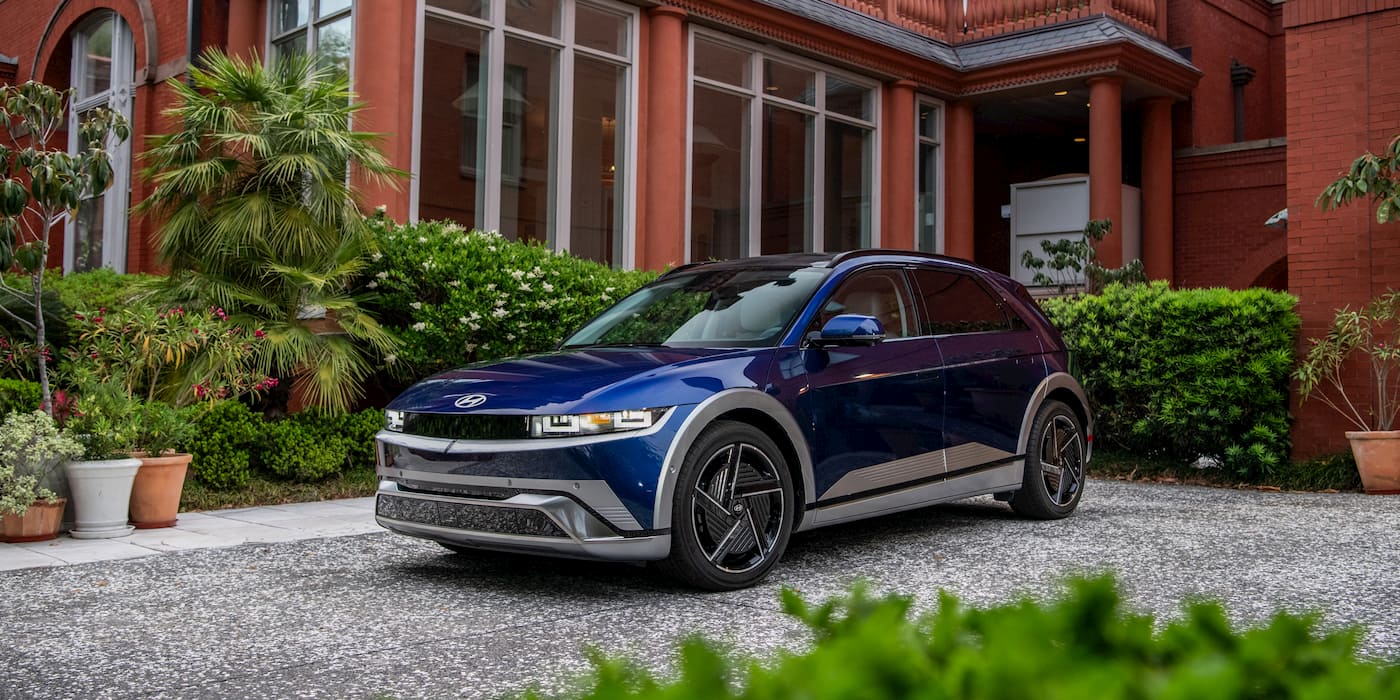
- Late 2024 to Mid-2025: The IONIQ 5 enjoyed steady sales growth, though like many EVs, it heavily relied on complex leasing loopholes to bypass restrictions tied to the $7,500 federal EV tax credit.
- September 2025: The traditional $7,500 federal EV tax credit officially expired, sending ripples across the domestic automotive industry as manufacturers scrambled to preserve consumer demand.
- October 2025: In a bold counter-move, Hyundai drastically restructured its lineup, cutting prices on the 2026 IONIQ 5 by nearly $10,000 on select trims, bringing the entry-level sticker price down to a dramatic $35,000.
- First Half of 2026: Market data revealed that the aggressive price cut paid off. The IONIQ 5 surged past competitors to become the best-selling electric vehicle in the United States outside of Tesla’s product lineup.
- September 2026: Hyundai introduces its latest slate of promotional financing (0% APR) and localized lease structures, maintaining pressure on legacy competitors and new market entrants alike.
Supporting Data: Trim Breakdown and Competitive Landscape
When analyzing the IONIQ 5 lineup, industry analysts frequently point out that minor step-ups in monthly payments yield massive dividends in driving range and performance.
2026 Hyundai IONIQ 5 Pricing and Range Matrix
| 2026 Hyundai IONIQ 5 Trim | EPA-Estimated Range | Starting Price* | September Monthly Lease |
|---|---|---|---|
| IONIQ 5 SE RWD Standard Range | 245 miles | $35,000 | $319 |
| IONIQ 5 SE RWD | 318 miles | $37,500 | $329 |
| IONIQ 5 SEL RWD | 318 miles | $39,800 | $369 |
| IONIQ 5 Limited RWD | 318 miles | $45,075 | $459 |
| IONIQ 5 SE Dual Motor AWD | 290 miles | $41,000 | $379 |
| IONIQ 5 SEL Dual Motor AWD | 290 miles | $43,300 | $419 |
| IONIQ 5 XRT Dual Motor AWD | 259 miles | $46,275 | $459 |
| IONIQ 5 Limited Dual Motor AWD | 269 miles | $48,975 | $509 |
*Note: Starting prices exclude the mandatory $1,600 destination fee.
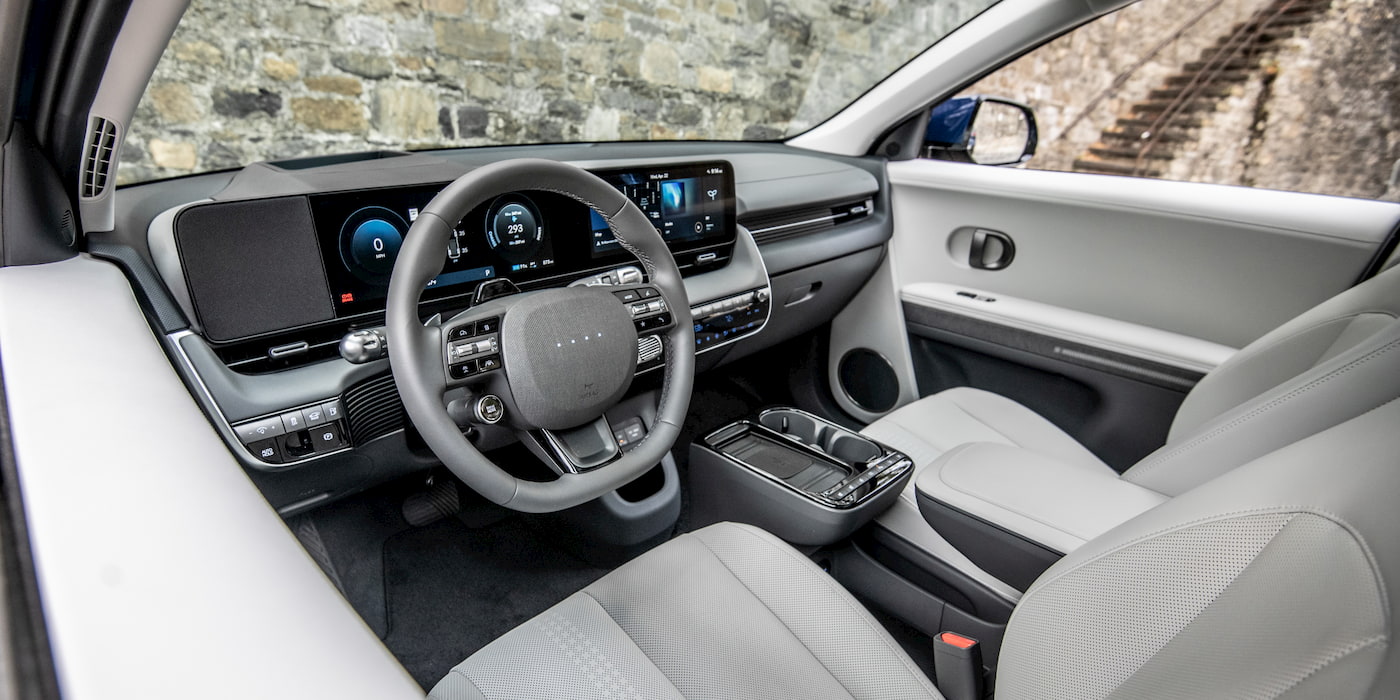
As the data shows, stepping up from the Standard Range base model to the standard SE RWD costs just $10 more per month on a lease ($329 vs. $319), yet increases the driving range from 245 miles to an impressive 318 miles.
How It Stacks Against Competitors
1. Toyota bZ
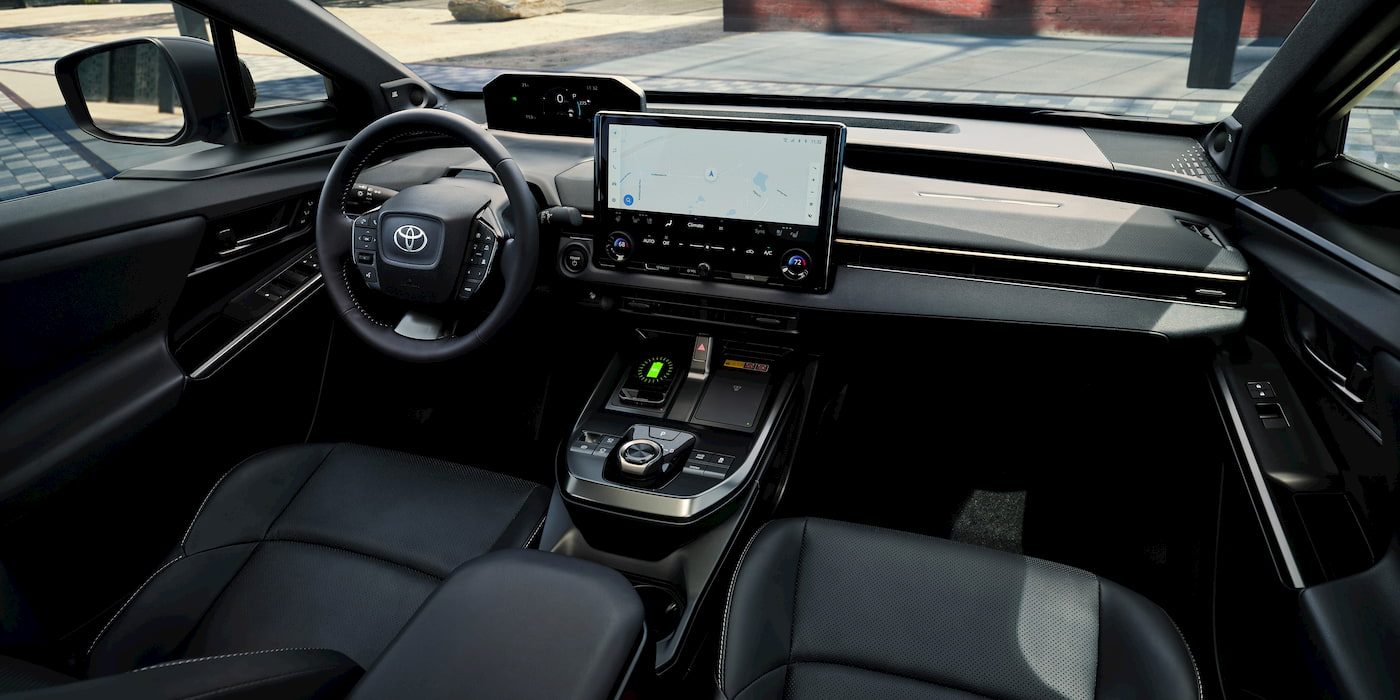
Toyota’s updated electric SUV—which ranked as the fourth best-selling EV in the U.S. during the first half of the year—starts at $34,900. Toyota is currently offering 1.49% APR for up to 72 months.
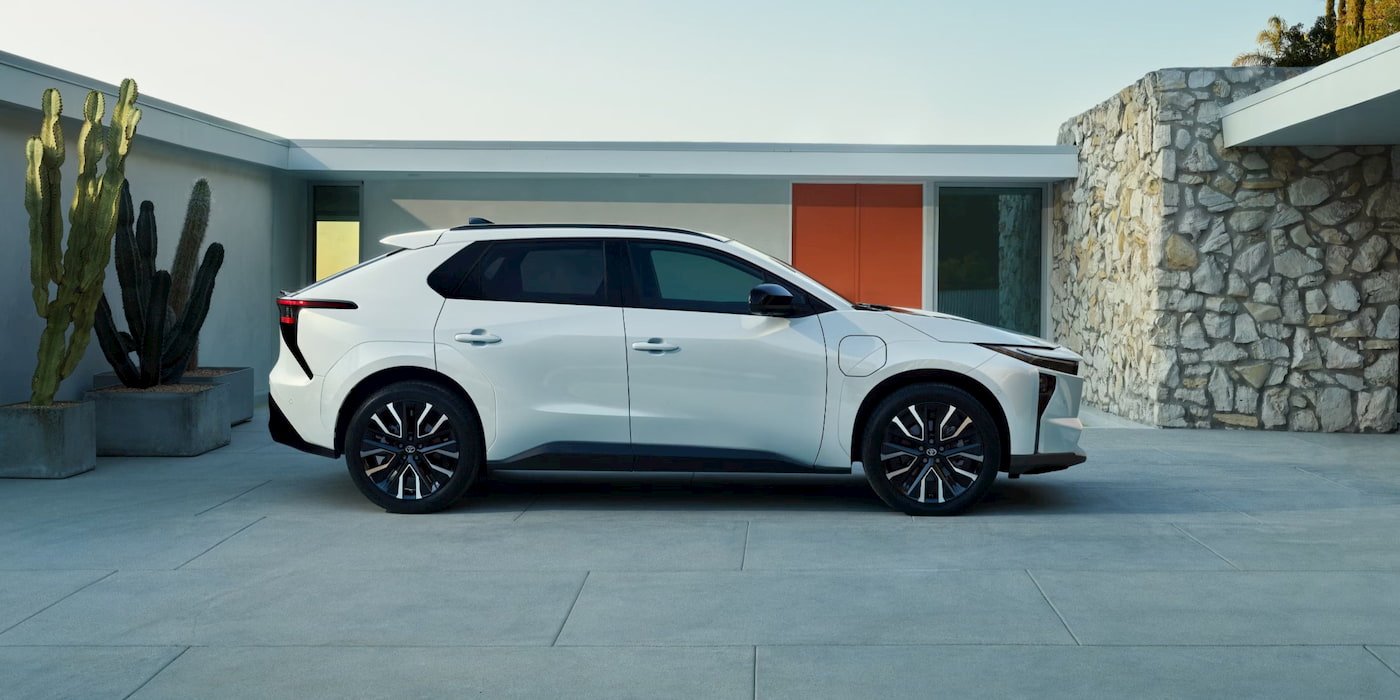
- The bZ XLE lists for $449/month for 36 months with $3,970 due at signing.
- Upgrading to the XLE Plus (314 miles of range) costs $459/month with $3,999 due at signing.
- Effective Cost Comparison: The Toyota bZ carries an effective monthly cost of roughly $559, making it notably more expensive than the IONIQ 5, which sits at an effective rate of approximately $527.
2. Tesla Model Y
Tesla’s high-volume crossover remains a primary yardstick for the industry.
- The base Tesla Model Y RWD (321 miles of range) leases starting at $499 per month for 36 months with $4,195 due at signing.
- Effective Cost Comparison: This brings the Model Y’s effective monthly cost to $615, positioning the Hyundai IONIQ 5 as the more financially prudent choice for cost-conscious shoppers.
3. Kia EV3
As a corporate sibling to Hyundai, Kia recently introduced the 2027 EV3.
- The EV3 Light starts at $29,890 (221 miles of range), while the EV3 Wind starts at $34,990 (321 miles of range).
- The EV3 Wind FWD leases for $349 per month for 36 months with $3,999 due at signing (an effective rate of $460).
- Analysis: While the EV3 undercuts the IONIQ 5 slightly on monthly layout, industry observers note that the IONIQ 5 provides a larger footprint, faster charging architecture, and superior cabin volume.
Official Responses and Corporate Strategy
Automotive executives and corporate analysts have increasingly pointed to affordability as the single greatest bottleneck for mass-market EV adoption. Hyundai’s pivot toward aggressively subsidized leasing and zero-percent financing indicates a deliberate strategy to capture market share over short-term per-unit profit margins.
While official statements from Hyundai corporate emphasize a commitment to "customer-centric electrification," market analysts interpret these September promotions as a preemptive defense against incoming affordable EV competition from both domestic startups and traditional Asian and European manufacturers. By absorbing higher interest rate realities through 0% APR financing options, Hyundai successfully shields consumers from macroeconomic headwinds that have otherwise cooled the broader automotive loan market.

Implications for Consumers and the Broader EV Market
The aggressive pricing and incentive structure surrounding the Hyundai IONIQ 5 carry several broad implications for the automotive ecosystem:
- Consumer Win: Buyers currently sitting on the fence regarding electric vehicle adoption are presented with a rare window where high-end technology, competitive driving ranges (up to 318 miles), and ultra-low financing converge without the penalty of prohibitive monthly payments.
- Pressure on Competitors: Legacy automakers who have been slow to adjust MSRPs in the post-tax-credit era risk losing critical market share. As seen with Toyota and Tesla, maintaining higher effective lease rates while competitors offer 0% APR or deep capital cost reductions places secondary brands at a distinct disadvantage.
- The Rise of Resilient Residual Values: By stabilizing demand through affordable monthly leases, Hyundai helps protect the residual values of its pre-owned electric fleet, fostering greater consumer confidence in long-term EV ownership and leasing models.
Ultimately, September 2026 proves that the Hyundai IONIQ 5 is not resting on its laurels as a top-selling crossover. Through meticulous adjustments to its financial incentives, Hyundai continues to redefine what consumers can expect from an affordable, long-range electric vehicle.
