

Published: September 28, 2026
By Construction Dive & HR Dive Reporting
Main Facts
The Occupational Safety and Health Administration (OSHA) has officially released new, comprehensive workplace safety guidance addressing the opioid crisis, instructing employers nationwide on how to recognize and respond to drug overdoses on the job. Published on September 28, 2026, the guidance forms a core component of the broader Great American Recovery Initiative, a multi-agency federal effort spearheaded by the Trump Administration to combat substance abuse, expand addiction treatment, and improve community and workplace resilience.
The newly introduced federal framework urges employers across all sectors—ranging from construction and manufacturing to healthcare and corporate offices—to treat opioid reversal medications with the same urgency and availability as traditional first-aid equipment. Key preparedness strategies outlined in the OSHA fact sheet include:
- Stocking Reversal Agents: Keeping life-saving medications such as naloxone (commonly known by brand names like Narcan) or nalmefene readily available on-site.
- Strategic Placement: Treating overdose kits like standard first-aid supplies by storing them in highly visible, easily accessible locations known to all staff.
- Worker Education: Training employees to reliably identify the physical and behavioral symptoms of an opioid overdose.
- Administration Protocols: Instructing and authorizing staff on how to safely and effectively administer reversal medications in an emergency.
With synthetic opioids like fentanyl continuing to heavily impact communities and labor markets nationwide, the federal government is shifting toward an aggressive posture of workplace harm reduction and emergency preparedness.
Chronology of Events and Policy Evolution
To understand the weight of OSHA’s latest directive, it is helpful to examine the timeline of federal policy shifts, workplace drug testing data, and legal precedents shaping employer responsibilities regarding substance use:
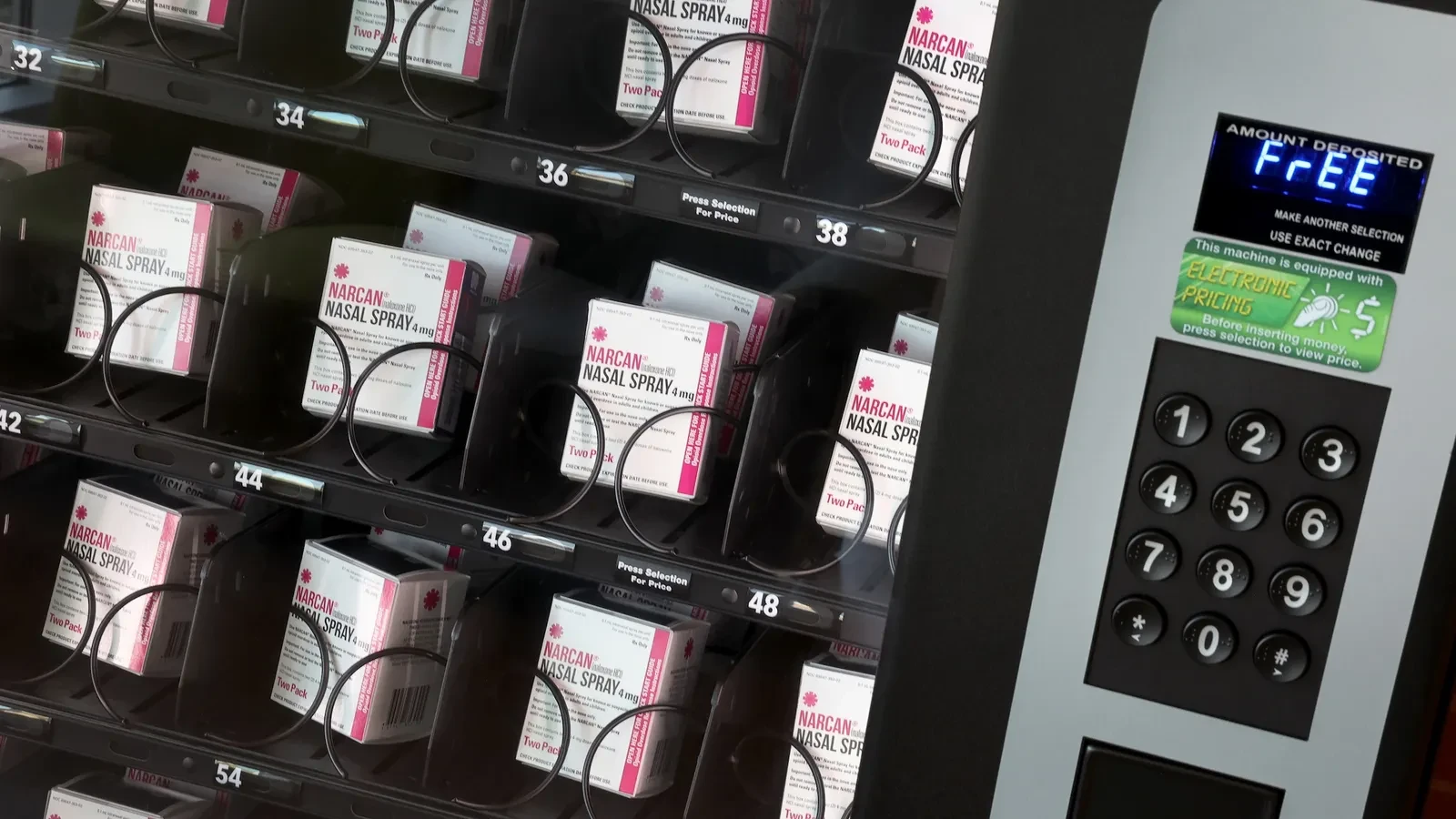
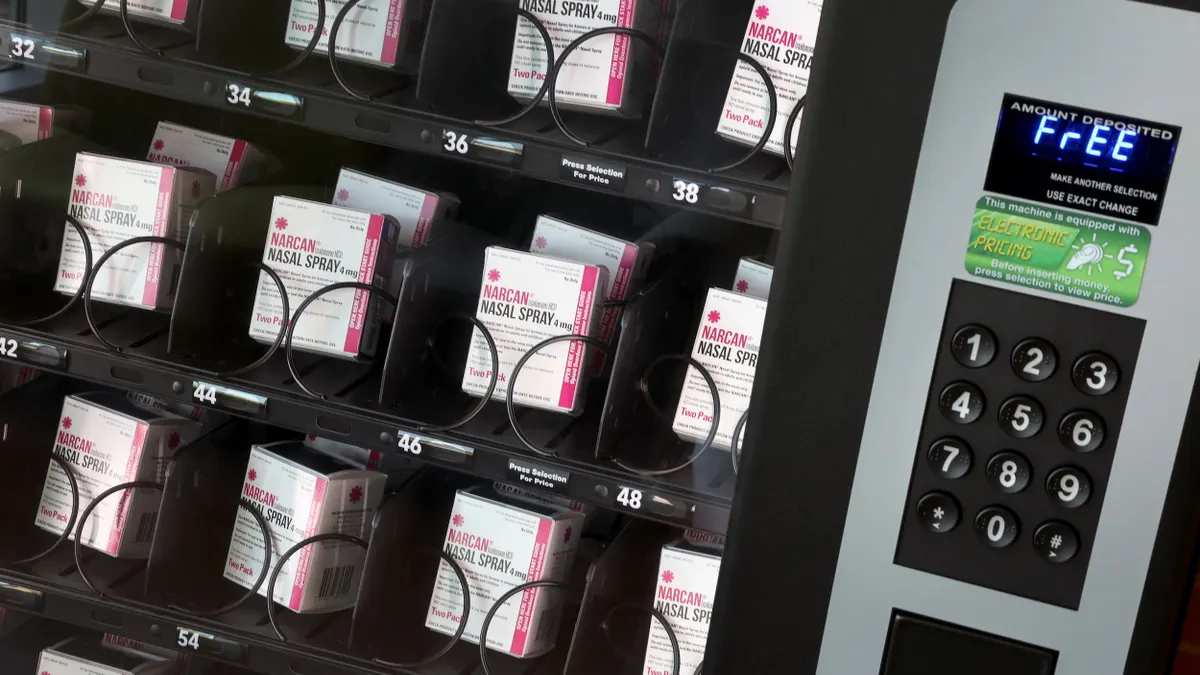
- September 1, 2022: Public health initiatives gain momentum as municipalities and health organizations roll out widespread distribution methods, such as free public vending machines stocked with Narcan nasal spray (notably observed in areas like Wheaton, Illinois), establishing public familiarity with harm-reduction tools.
- August 2019 (Legal Precedent): The U.S. Equal Employment Opportunity Commission (EEOC) signals strict enforcement regarding addiction under federal disability laws, highlighted by an $80,000 settlement against a software company that unlawfully fired an employee taking authorized medical leave for inpatient opioid addiction treatment.
- July 2025: Clinical laboratory giant Quest Diagnostics releases a comprehensive U.S. workforce drug testing report revealing that nearly 1 in 5 workers tested positive for drug use via hair analysis, signaling widespread exposure across multiple industries.
- January 2026: The Trump Administration formally launches the Great American Recovery Initiative, establishing an overarching federal strategy focused on expanding addiction treatment, rehabilitation infrastructure, and overdose prevention protocols.
- September 28, 2026: OSHA formally issues its new workplace safety guidance under the umbrella of the Great American Recovery Initiative, marking a formal policy integration of emergency overdose response into standard occupational safety compliance.
Supporting Data and Workforce Insights
The necessity for workplace-centric overdose response training is underscored by recent data tracking substance presence within the American workforce. According to a landmark July report published by clinical laboratory Quest Diagnostics, substance use trends continue to present complex challenges for employers.
Analyzing comprehensive U.S. workforce data utilizing both hair and urine tests—screening for substances including marijuana, cocaine, opiates, amphetamines, and methamphetamine—Quest Diagnostics found that nearly 1 in 5 workers tested positive for drug use from hair analyses conducted throughout 2025. Hair testing, which detects historical drug use over a prolonged period compared to traditional urine screens, exposed a pervasive underlying presence of substances across diverse commercial sectors.
Furthermore, the data highlighted specific industry vulnerabilities. Most notably, Quest’s findings indicated that opiate positivity rates were notably highest among healthcare workers—a demographic with direct access to pharmaceutical supplies and high baseline stress levels. Other high-risk environments include construction, warehousing, and manufacturing, where physical labor, injury-related pain management, and hazardous machinery intersect.
When combined with the prevalence of illicitly manufactured fentanyl infiltrating the general drug supply, the statistical likelihood of an overdose event occurring within commercial facilities or job sites has risen significantly, compelling federal regulators to intervene.
Official Responses and Stakeholder Perspectives
The rollout of OSHA’s guidance has drawn immediate commentary from federal officials, public health advocates, and labor experts emphasizing the urgent need for proactive employer intervention.

White House Drug Czar Sara Carter issued a strong statement underscoring the national security and public health dimensions of the crisis:
"Because fentanyl has infiltrated the illicit drug landscape and acts as a chemical weapon against our people, it is critically important that the American workforce is familiar with drug overdose recognition and reversal. I am grateful to the Department of Labor for informing employers and workers about life-saving overdose reversal treatments like naloxone."
Federal labor representatives emphasized that the guidance is not intended to be punitive, but rather protective. By framing naloxone as an essential workplace safety tool—comparable to automated external defibrillators (AEDs) or fire extinguishers—regulators hope to strip away the stigma associated with carrying reversal medications on job sites.
Public health advocates have similarly praised the move, noting that immediate access to naloxone within the critical first few minutes of an opioid overdose can mean the difference between life and death, particularly in remote or industrial workplaces where emergency medical services (EMS) response times may be delayed.
Implications for Employers and Human Resources
While OSHA’s new guidance offers a clear roadmap for saving lives, it also introduces complex legal, operational, and human resources implications that companies must carefully navigate.

1. Re-evaluating First-Aid Protocols
Employers must evaluate their current first-aid inventory. Integrating naloxone or nalmefene into standard safety kits requires establishing clear Standard Operating Procedures (SOPs). Safety managers need to determine who will be trained to administer the medication, how kits will be routinely inspected for expiration dates, and how privacy will be maintained during a medical emergency.
2. Balancing Safety with Legal Compliance
Employers face a delicate balance between maintaining a safe, drug-free workplace and adhering to federal employment laws. As demonstrated by past regulatory enforcement, companies cannot legally discriminate against workers dealing with substance use disorders who are seeking or undergoing treatment.
For instance, the EEOC previously intervened when a software company fired an employee who took authorized medical leave for inpatient opioid addiction treatment. The employee, who had a history of opiate addiction and was participating in a doctor-supervised medication-assisted treatment (MAT) program, was unlawfully terminated because management "regarded" him as disabled—a direct violation of the Americans with Disabilities Act (ADA).
Human resources departments must therefore ensure that workplace safety initiatives do not cross into discriminatory practices. Offering naloxone is an emergency health measure, not a substitute for comprehensive employee assistance programs (EAPs) and non-punitive paths to rehabilitation.
3. Training and De-Stigmatization
Training programs must move beyond simple compliance to actively de-stigmatize addiction. Educating supervisors and employees on recognizing the physical signs of respiratory depression and opioid toxicity—such as blue lips, slow breathing, and unresponsiveness—ensures that fear of disciplinary action does not deter workers from reporting an overdose or administering life-saving care.
Summary
As the Great American Recovery Initiative continues to roll out across federal agencies, OSHA’s latest directive marks a paradigm shift in how American businesses approach employee health and safety. By equipping job sites with reversal medications and proper training, employers are uniquely positioned to act as frontline defenders against the ongoing opioid epidemic, bridging the gap between occupational safety, public health, and corporate social responsibility.
