

By Global Risk Insights Desk
Published: September 2026
Main Facts
Asia stands on the precipice of a profound socio-economic and humanitarian crisis as a deadly convergence of severe weather events and escalating geopolitical conflict threatens to destabilize regional food security. According to a comprehensive risk analysis report released on Thursday by global consultancy Verisk Maplecroft, the compounding pressures of an intense El Niño phenomenon and ongoing military hostilities in the Middle East are severely disrupting agricultural supply chains.
The report highlights that nations heavily reliant on domestic agriculture and external energy inputs—most notably India, Indonesia, the Philippines, and Bangladesh—are facing unprecedented threats to staple crop production. These physical and geopolitical shocks are rapidly accelerating food inflation, a historically potent catalyst for widespread public discontent, civil unrest, and potential government destabilization.
Key vulnerabilities identified in the report include:
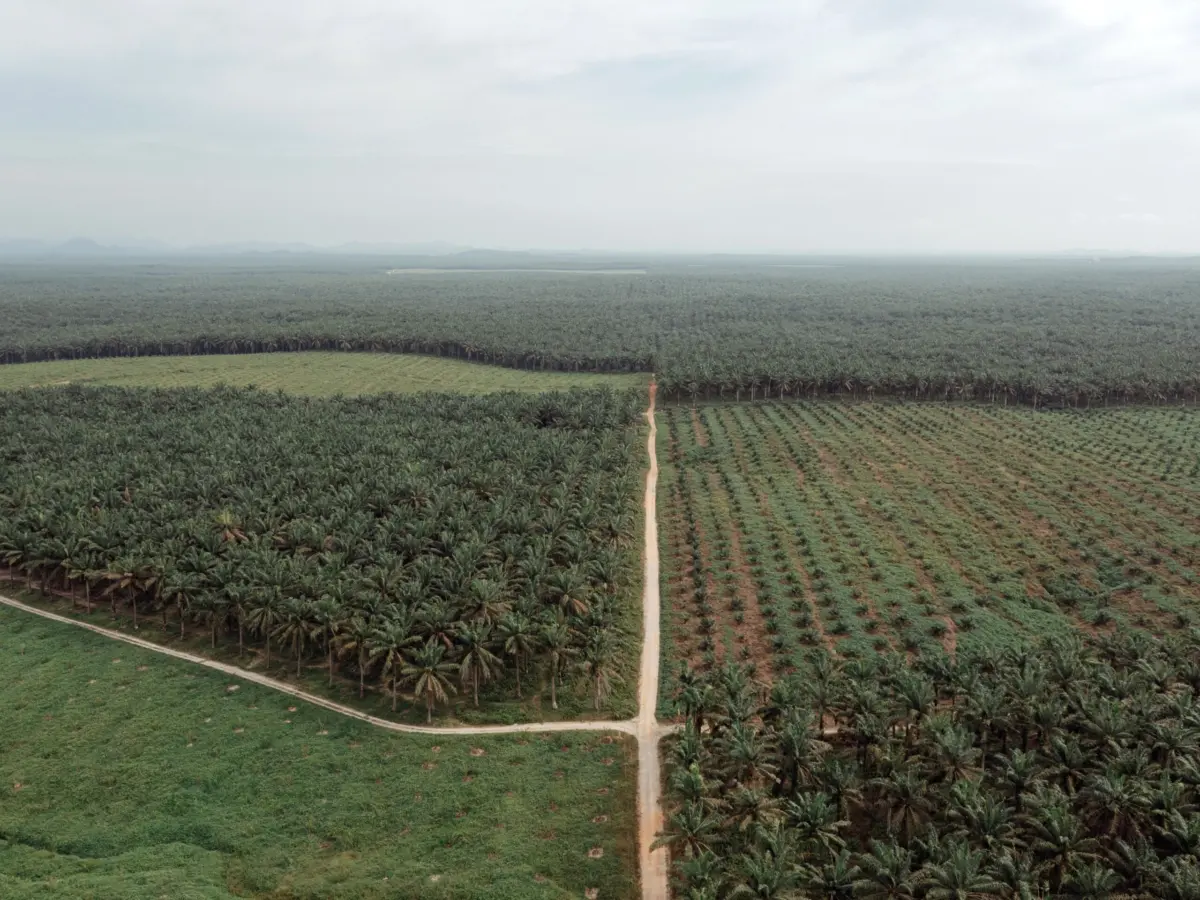
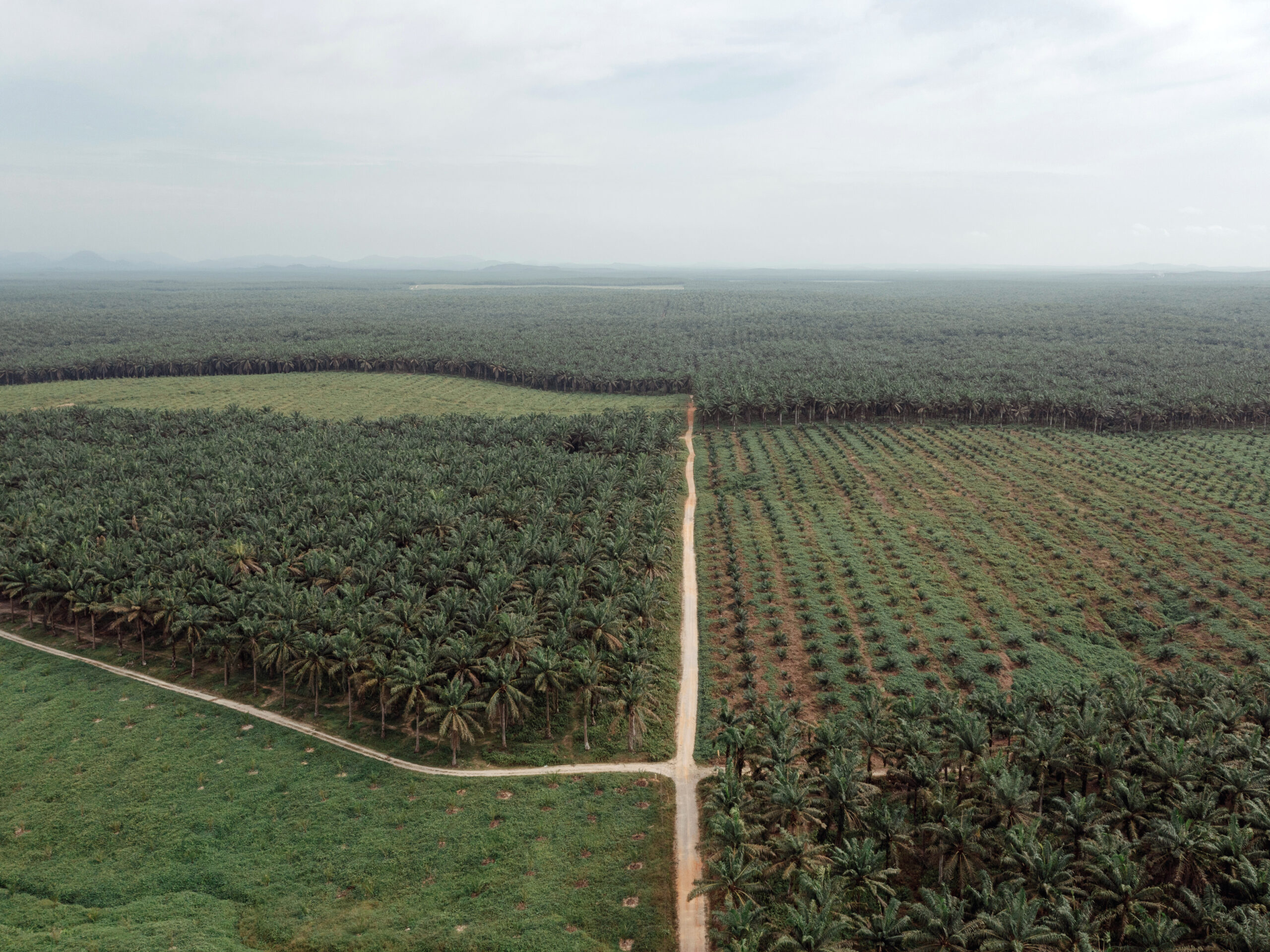
- Indonesia: The world’s leading palm oil producer is currently grappling with severe, difficult-to-control wildfires that are actively devastating harvests and disrupting regional supply networks.
- India: Essential monsoon rains, vital to the nation’s massive rice and grain sectors, are currently tracking 15% below normal historical averages, threatening domestic reserves and export capabilities.
- Thailand: Facing a significant contraction in its upcoming sugar harvest, compounded by surging costs for imported energy and fertilizers that leave debt-burdened farmers struggling ahead of the next planting cycle.
- The Middle East Factor: Ongoing conflicts involving Iran have choked off critical shipments of fuel and chemical fertilizers—two indispensable inputs required for modern industrial agriculture—leaving developing economies uniquely exposed.
Verisk Maplecroft’s cross-index analytics reveal that over half of the nations classified as high- or very high-risk on the consultancy’s Food Security Index also occupy the two most severe tiers of its predictive Civil Unrest Index. With protests already bubbling to the surface in parts of Indonesia and the Philippines, analysts warn that the margin for policy error among regional governments is narrowing dangerously.
Chronology of the Crisis: From Geopolitical Shock to Climatic Extremes
To understand the severity of the current outlook, analysts trace the unfolding crisis through a timeline of escalating systemic shocks over the past several quarters:
- Late 2024 to 2025 (The Geopolitical Catalyst): Escalating military tensions and open conflict involving Iran severely impact maritime trade routes and industrial manufacturing centers in the Middle East. Global energy markets experience extreme volatility, directly choking off vital exports of crude oil, natural gas, and ammonia-based fertilizers destined for agricultural powerhouses in South and Southeast Asia.
- Early 2026 (The Onset of Super El Niño): Meteorological agencies begin tracking the rapid intensification of a powerful El Niño weather pattern. Early warning systems indicate anomalous sea surface temperatures in the equatorial Pacific, signaling severe disruptions to regional precipitation cycles.
- Mid-2026 (Agricultural Input Deficits): Farmers across Asia make critical decisions regarding land preparation, sowing, and fertilization against a backdrop of exorbitant fuel and fertilizer prices. Because these inputs must be secured months ahead of harvest, structural vulnerabilities become irrevocably locked into the agricultural cycle.
- August – September 2026 (Climatic Shocks Peak): Monsoon rains in the Indian subcontinent stall significantly, underperforming historical averages by 15%. Concurrently, an outbreak of unseasonal and aggressive wildfires tears through agricultural and forested regions in Indonesia, blanketing parts of Southeast Asia in haze and crippling palm oil yields. Sugar production forecasts in Thailand are drastically revised downward.
- Late September 2026 (The Risk Awakening): Verisk Maplecroft publishes its landmark risk assessment, establishing a direct statistical correlation between impending food shortages, localized protests, and systemic political instability across the Indo-Pacific region. Simultaneously, speculative hedge funds begin positioning capital to capitalize on extreme commodity price fluctuations.
Supporting Data and Analytical Metrics
The empirical foundation of the Verisk Maplecroft report relies on multidimensional risk modeling, combining agricultural output data, macroeconomic indicators, and historical patterns of public mobilization.
The Food Security and Civil Unrest Nexus
Data extracted from Verisk Maplecroft’s proprietary indices illustrate an alarming overlap between caloric scarcity and social volatility:
- The 50% Threshold: More than 50% of the countries flagged as high or very high risk on the Food Security Index are simultaneously categorized within the top two tiers of the Civil Unrest Index.
- The Frontline States: Nations such as India, Bangladesh, the Philippines, and Indonesia exhibit high structural exposure. In these countries, a significant percentage of household disposable income is allocated directly toward basic caloric consumption, making populations acutely sensitive to sudden price spikes.
- Humanitarian Hotspots: Fragile and conflict-afflicted states like Afghanistan and Myanmar are assessed to be on the precipice of severe humanitarian emergencies should regional food distribution networks experience further degradation.
Commodity-Specific Vulnerabilities
- Palm Oil (Indonesia): As the globe’s premier supplier, Indonesia’s production bottlenecks directly impact the manufacturing of processed foods, cosmetics, and biofuels worldwide, driving up global vegetable oil price indices.
- Rice (India): As a primary global exporter, India’s 15% monsoon deficit threatens not only domestic food security but also triggers protective export restrictions, amplifying panic buying and price inflation across importing nations in Africa and Asia.
- Sugar (Thailand): Reduced agricultural yields in Thailand squeeze international sweeteners markets, contributing further to generalized grocery price inflation.
Official Responses and Financial Sector Reactions
As the implications of the Verisk Maplecroft report ripple through international markets, reactions from policymakers, risk analysts, and the financial sector highlight a stark dichotomy between humanitarian concern and speculative opportunity.
Governmental and Institutional Posture
Governments across the affected regions have begun quietly reviewing emergency stockpiles and considering protective trade measures.
- Food Export Controls: Economic ministries in key grain- and oilseed-producing nations are evaluating preemptive export quotas to ensure domestic availability, a move that international bodies warn could exacerbate global supply shortages and push vulnerable importing nations further into crisis.
- Subsidy Adjustments: Administrations in countries like Indonesia and the Philippines face intense pressure to expand fiscal subsidies for fuel and basic food items. However, post-pandemic debt burdens and constrained national treasuries severely limit the fiscal space available for extensive cushion programs.
The Hedge Fund Response: Speculating on Calamity
While ordinary citizens and policymakers brace for hardship, institutional investors and specialized hedge funds view the super El Niño event through the lens of market volatility and asset generation.
- ZAMS Asset Management: Leadership at ZAMS, featuring seasoned commodity and macro traders formerly with Balyasny Asset Management, has publicly characterized the unfolding weather and geopolitical matrix as an "unusually alpha-rich environment." For these funds, mispriced agricultural futures, grain spreads, and soft commodity derivatives represent prime opportunities for high-yield positioning.
- Moreton Capital Partners: Capitalizing on the systemic disruption, Moreton Capital Partners has reportedly initiated a targeted fundraising drive aiming to secure $500 million. The express mandate of this vehicle is to deploy capital directly into trading strategies designed to profit from the severe price dislocations and supply chain breakdowns expected to accompany the intensifying El Niño cycle.
Implications for Global Stability and Future Outlook
The convergence of geopolitical conflict and extreme climate events documented by Verisk Maplecroft serves as a stark warning regarding the fragility of modern globalized supply chains. The ramifications extend far beyond regional borders, threatening international trade stability, human migration patterns, and geopolitical alliances.
Socio-Political Fallout
When basic caloric intake is threatened and inflation outpaces wage growth, historical precedent demonstrates that urban centers become incubators for civil unrest. The report cautions that if regional governments are perceived as inept, corrupt, or sluggish in deploying relief measures, peaceful demonstrations can rapidly metastasize into broader anti-establishment movements and prolonged political instability. In densely populated democracies like India and Indonesia, the political stakes are exceptionally high.
Long-Term Agricultural Adaptation
The structural nature of the current crisis underscores that short-term diplomatic resolutions in the Middle East—even if achieved—will not immediately reverse the damage inflicted on agricultural sectors. Because foundational planting and fertilization decisions were locked in during peak geopolitical and climatic distress, depressed yields are essentially guaranteed for the upcoming harvest cycles.
In the long run, experts argue that nations across Asia must accelerate investments in climate-resilient agriculture, diversified import channels, localized fertilizer production, and advanced predictive water-management systems. Failure to adapt to the new normal of compounded geopolitical and climatic shocks risks transforming periodic agricultural shortfalls into permanent structural crises across the Indo-Pacific.
