

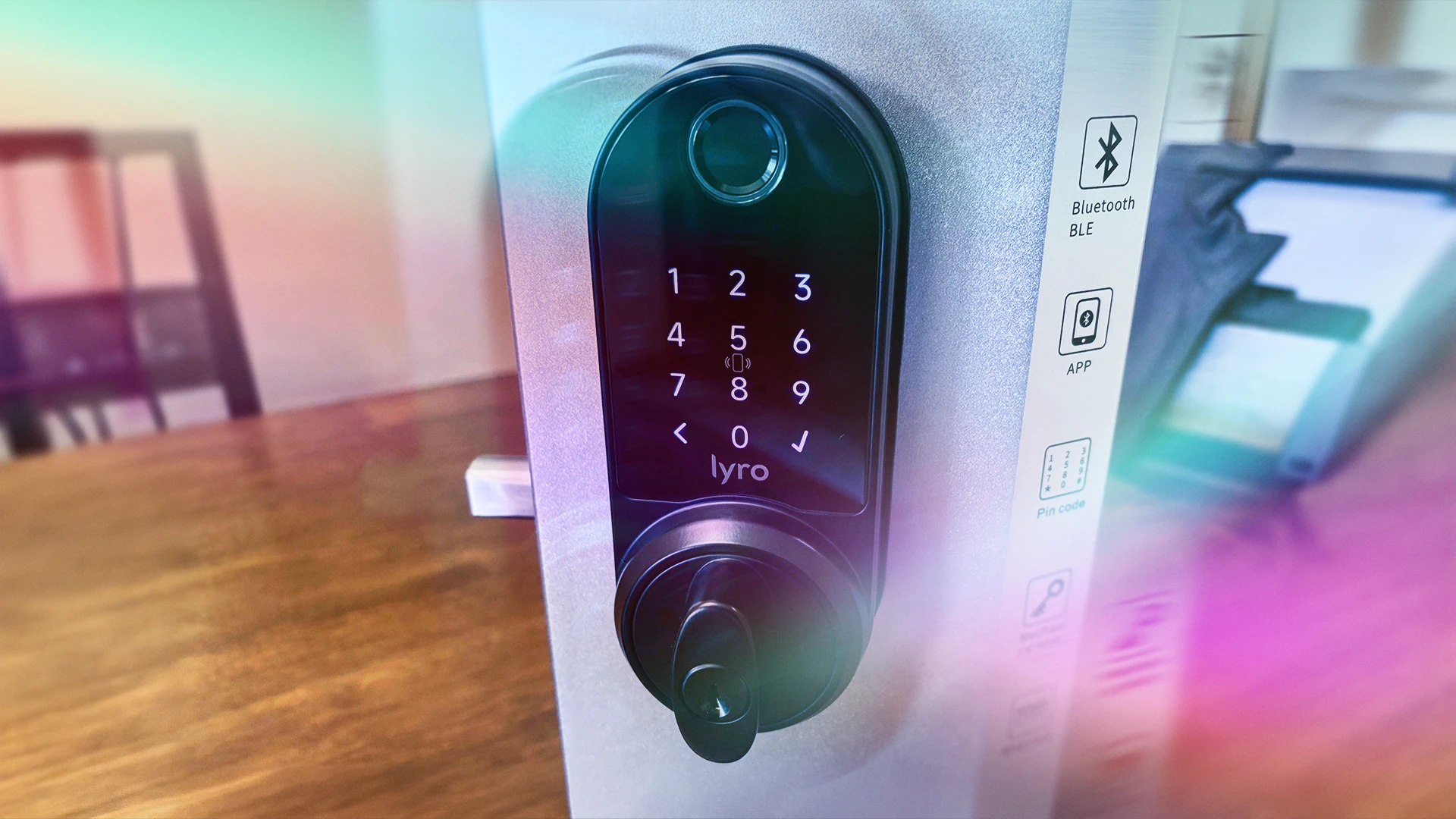
While much of the smart home security market in 2026 has fixated on flashy, high-end consumer innovations—such as integrated solar-charging panels and hyper-precise ultrawideband (UWB) proximity sensing—industry stalwart Lockly has charted an entirely different course. The company has introduced the Lockly Lyro Lasta, a $169 smart lock explicitly engineered to tackle the logistical hurdles of short-term rentals, vacation properties, and multi-tenant housing.
Priced comfortably under the $200 threshold, the Lyro Lasta blends extreme battery efficiency, a rugged physical build, and an innovative guest-communication platform called TapCom. To evaluate its real-world viability, smart home technology critics recently put the device through a rigorous, simulated-guest evaluation to see how it handles the unique operational pressures of the rental market.

Main Facts: What Is the Lockly Lyro Lasta?
The Lockly Lyro Lasta is a keyless, internet-connected smart lock that bypasses the need for a separate Wi-Fi hub, communicating natively while prioritizing low power consumption.
- Price Point: Retails at $169, making it highly competitive for property managers and independent landlords outfitting multiple doors.
- Power Architecture: Powered by eight AA batteries—double the industry standard of four—housed within an expanded interior casing.
- Battery Longevity: Claimed operational lifespan of up to three years on a single set of batteries, supplemented by an aggressive sleep mode for vacant properties.
- Weather Resistance: The exterior assembly boasts an IP65 weatherproof rating, ensuring reliable functionality against heavy rain, snow, and extreme temperatures.
- Access Methods: Supports a biometric fingerprint reader (storing up to 99 prints with sub-second response times), Lockly’s proprietary touchscreen keypad, physical backup keys, NFC/RFID tags, and smartphone app control.
- Standout Ecosystem Feature: Integration with TapCom, an NFC-and-QR-code-based guest communication and coordination interface.
Chronology: The Evolution of Rental-Focused Smart Tech
The release of the Lyro Lasta marks a distinct shift in how security companies approach the secondary housing and hospitality market.

- Early Smart Locks (Pre-2020): Most smart locks were designed strictly for single-family owner-occupants. Rental properties relied on basic mechanical keypads or standalone code boxes, which offered zero remote management, audit trails, or integration with booking platforms like Airbnb and VRBO.
- The Connected Era (2020–2024): Smart locks gained Wi-Fi and Bluetooth capabilities, allowing remote code generation. However, these features introduced a major bottleneck: high power consumption. Continuous network polling meant batteries frequently drained within three to six months, creating heavy maintenance overhead for landlords managing properties remotely.
- The 2026 Shift Toward Niche Specialization: As short-term rentals matured into a massive global economy, manufacturers recognized that generic consumer locks no longer sufficed. Innovations began targeting long idle periods, off-seasons, and frictionless guest onboarding. Lockly developed the Lyro line specifically to address these operational pain points, culminating in the Lasta model.
Supporting Data & Hardware Performance
Evaluating the Lyro Lasta requires a close look at how its physical components and software systems perform under simulated stress conditions.
The Power Paradigm: Eight AA Batteries
The most immediately noticeable design divergence is the oversized interior housing. By doubling the standard battery allocation to eight AA cells, Lockly targets a three-year maintenance-free lifecycle. For vacation homeowners whose properties sit vacant for months during the off-season, this eliminates the dreaded "low battery beep" greeting incoming guests. Furthermore, an onboard sleep mode reduces power drain to an absolute minimum during prolonged periods of inactivity.

Unlocking Mechanics: A Double-Edged Sword
In testing, the Lyro Lasta’s biometric fingerprint scanner proved exceptionally fast, registering entries in well under a second and capable of retaining up to 99 distinct fingerprints. The unit also accommodates RFID cards, temporary numerical codes, and traditional keys.
However, reviewers noted a peculiar mechanical quirk: unlike the vast majority of consumer smart locks that automatically retract the deadbolt upon electronic authentication, the Lyro Lasta unlocks internally while requiring a manual thumbturn rotation (either inside or outside) to physically move the deadbolt. While this likely preserves battery longevity and reduces mechanical wear over tens of thousands of cycles, it runs counter to years of consumer conditioning. Property managers will need to include explicit instructions for incoming guests to avoid confusion at the door.

TapCom: Bridging the Communication Gap
Perhaps the most potent weapon in the Lyro Lasta’s arsenal is TapCom. Utilizing an NFC-enabled, card-sized physical plate placed near the lock, TapCom facilitates instant interaction between guests and hosts without requiring cumbersome app downloads.
When a visitor arrives, they simply scan a printed QR code or tap their smartphone directly against the TapCom plate. This initiates a browser-based portal where guests can:

- Communicate arrival status directly with the host via audio or video calls.
- Request remote unlocking assistance.
- Access localized house rules, Wi-Fi passwords, and payment integrations.
- Utilize geofencing parameters that restrict communication availability strictly to when the guest’s mobile device is physically present at the property threshold.
Official Responses and Industry Perspective
Lockly’s product strategy centers on the philosophy that vacation rental owners face distinct liabilities and logistical headaches that standard homeowners never encounter.
Industry analysts point out that while consumer-facing smart locks focus on seamless aesthetic integration into designer front doors, rental-focused hardware must solve the "turnover problem." Property managers juggle hundreds of unique access codes weekly, suffer from dead batteries during peak rental weekends, and spend countless hours troubleshooting guest lockouts over the phone.

By combining an IP65-rated exterior chassis, multi-layered access protocols (fingerprint, NFC, keypad, app), and an on-demand communication bridge (TapCom), Lockly is positioning the Lyro Lasta not merely as a security device, but as an operational node in the hospitality ecosystem.
Implications for Landlords, Hosts, and the Smart Home Market
The arrival of the Lockly Lyro Lasta signals broader implications for the future of residential access control and property management:

- Lower Maintenance Overhead for Remote Hosts: For property managers overseeing units hours away from their primary office, the combination of an eight-battery power reserve and robust sleep modes drastically reduces truck rolls and emergency service calls for dead locks.
- The Rise of "Frictionless" Hospitality: Tools like TapCom hint at a future where physical lockboxes and messy keypad code handoffs become obsolete. By embedding communication tools directly into the access point, hosts can streamline check-ins and enhance guest satisfaction.
- Niche Specialization Over Universal Design: The smart home market is maturing past the era of the "one-size-fits-all" gadget. Just as indoor cameras differ from outdoor floodlight cams, smart locks are increasingly fragmenting into specialized categories—such as rental-optimized units (Lockly Lyro), luxury architectural locks, and multi-family commercial-grade systems.
Final Verdict
The Lockly Lyro Lasta ($169) proves that solving hyper-specific use cases does not require a luxury price tag. While its manual-turn deadbolt mechanism may catch seasoned smart home users off guard, its extraordinary battery longevity, comprehensive access suite, and innovative TapCom guest-management system make it an exceptionally strong contender for anyone operating an Airbnb, vacation home, or rental property. As the short-term rental market continues to expand, hardware engineered specifically for its unique demands is bound to set a new industry benchmark.
