

By Terrence O’Brien
Published September 13, 2026
Main Facts
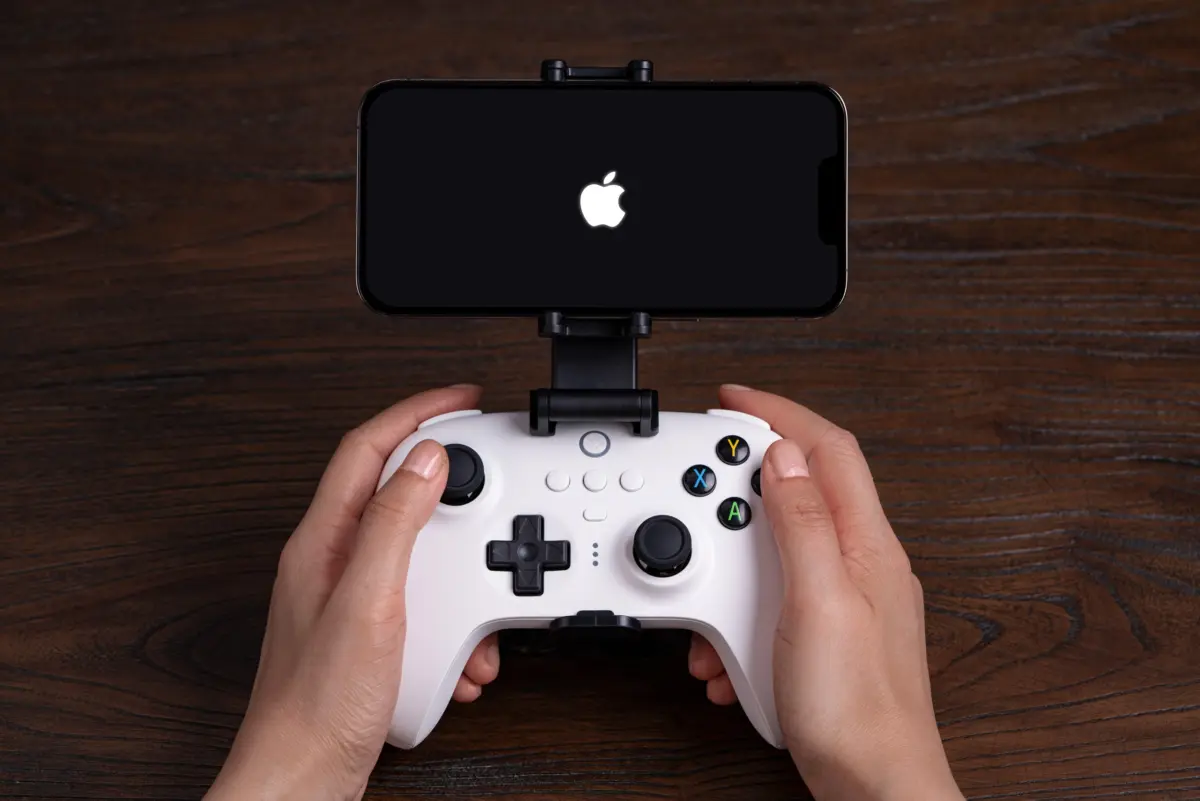
Apple is significantly expanding its footprint in the interactive entertainment ecosystem by developing two dedicated first-party game controllers tailored specifically for the iPhone. According to industry reports and recent software discoveries, these upcoming peripherals will likely bypass the core Apple brand, instead being marketed and distributed under Apple’s subsidiary, Beats.
The initiative marks Apple’s most aggressive move into mobile gaming hardware since the early days of iOS controller support frameworks. While Apple has long supported third-party gamepads—ranging from standard PlayStation and Xbox controllers to specialized mobile-first options like the Backbone One and Razer Kishi—it has never released a proprietary gaming hardware solution.
Industry insiders, including Bloomberg’s Mark Gurman, indicate that the development is being spearheaded directly by Beats executives. This strategic positioning allows Apple to experiment with a new product category while maintaining the pristine, premium branding of its flagship iPhone and Mac lineups. By utilizing the Beats moniker, Apple can target a broader, more casual, and lifestyle-oriented demographic of mobile gamers without the pricing and material constraints traditionally associated with core Apple-branded accessories.
Chronology
To understand how Apple arrived at the doorstep of the mobile gaming hardware market, it is essential to trace the evolution of its gaming strategy over the past decade:
- Late 2013 (iOS 7): Apple introduces official MFi (Made for iPhone/iPad/iPod) controller support, allowing third-party hardware manufacturers to build standardized gamepads for iOS devices.
- September 2019: Apple launches Apple Arcade, its subscription-based gaming service, putting a renewed emphasis on high-quality, controller-compatible mobile gaming experiences across iOS, iPadOS, tvOS, and macOS.
- iOS 14.5 and macOS Big Sur (2021): Apple expands its operating system capabilities to natively support next-generation console hardware, including the Sony DualSense and Microsoft Xbox Series X/S controllers.
- September 4, 2026: MacRumors discovers explicit code references within early builds of macOS 26.7 pointing to two unreleased, first-party game controller devices.
- September 13, 2026: Bloomberg’s Mark Gurman confirms that Apple is actively developing two mobile game controllers intended for the iPhone, revealing that the hardware will be sold under the Beats brand.
Supporting Data
While official hardware specifications, pricing structures, and release dates have not yet been formally announced by Apple, data gleaned from recent software developments and market trends provides a clear picture of what consumers can expect.
The Code Discovery
The initial breadcrumbs leading to this hardware reveal were uncovered in the developer code of macOS 26.7. Although the references were found in desktop operating system software—likely due to internal testing frameworks or shared controller driver architectures—analysts confirm that the hardware targets mobile users. The identifiers point to two distinct controller models, suggesting Apple may release a standard portable gamepad alongside a more feature-rich or ergonomic alternative.
The Beats Advantage
Beats has increasingly served as Apple’s innovation and price-testing sandbox. A comparative look at the accessory market highlights the strategic utility of the Beats brand:
| Feature / Metric | Core Apple Accessories | Beats Accessories |
|---|---|---|
| Design Language | Minimalist, aluminum, glass, high-end polymers | Vibrant colors, youth-oriented, lifestyle-focused |
| Pricing Strategy | Premium / Luxury tier | Mid-tier / Mass market competitive |
| Material Usage | Premium metals, tight tolerances | Durable plastics, rubberized grips, comfort-focused |
| Product Categories | Chargers, adapters, FineWoven cases | Audio gear, casual cables, casual cases, and now potentially game controllers |
By leveraging Beats, Apple avoids the luxury markup expectations that consumers place on products bearing the Apple logo, giving the company pricing flexibility to compete with established mobile controller giants.

Official Responses
As is customary with unreleased hardware, Apple has declined to officially comment on the leaks or confirm the existence of the Beats-branded game controllers. Representatives for the company maintained their standard policy of not discussing future product roadmaps.
However, industry analysts and supply chain observers have shared widespread commentary on the development. Speaking on the strategic cultural alignment, market watchers note that gaming culture relies heavily on personal expression, vibrant aesthetics, and ergonomic utility—elements that fit organically within the design philosophy of the Beats brand.
Furthermore, game developers partnering with Apple Arcade have expressed quiet optimism. While third-party controllers have performed admirably, a standardized, Apple-ecosystem-optimized controller could give developers a baseline hardware target to design around, ensuring lower input latency and more cohesive button-mapping integration across iOS titles.
Implications
The introduction of Beats-branded iPhone game controllers carries significant implications for the mobile gaming landscape, Apple’s hardware strategy, and the broader gaming accessory market.
1. Elevating Mobile Gaming Legitimacy
Despite mobile platforms generating the lion’s share of global gaming revenue, traditional core gamers have often dismissed smartphones as platforms for serious play due to touch-screen limitations. By introducing a first-party hardware solution optimized for the iPhone, Apple is signaling that mobile gaming is a primary pillar of its hardware and software ecosystem. This could encourage AAA game publishers to bring more complex console and PC titles directly to iOS, supercharging the value proposition of Apple Arcade and the App Store’s high-end gaming catalog.
2. A Direct Challenge to Third-Party Competitors
Companies like Backbone, Razer, and 8BitDo have built thriving ecosystems by catering to iPhone and Android users seeking tactile controls. A Beats-branded controller backed by Apple’s retail dominance, seamless pairing integration (likely leveraging Apple’s custom silicon for instant pairing and low-latency Bluetooth), and aggressive marketing will instantly reshape the competitive landscape. Third-party manufacturers will need to innovate rapidly on ergonomics, software features, or modular design to retain market share.
3. Expansion of the Beats Ecosystem
Over the past several years, Beats has successfully transitioned from being primarily a headphone manufacturer to a lifestyle brand that includes various iPhone cases and braided USB-C cables. Expanding into gaming peripherals positions Beats as an all-encompassing lifestyle brand for digital natives, teenagers, and young adults who consume entertainment primarily through their smartphones.
Looking Ahead
As development wraps up and software references move from internal testing builds to production-ready frameworks, tech enthusiasts will be watching closely for an official announcement. Whether these controllers debut alongside the next generation of iPhones or arrive via a quiet press release later in the year, Apple’s entry into mobile gaming hardware marks a watershed moment for the industry, bridging the gap between pocket-sized computing and console-quality entertainment.
