

Main Facts: The Unearthing of a Synthpunk Pioneer
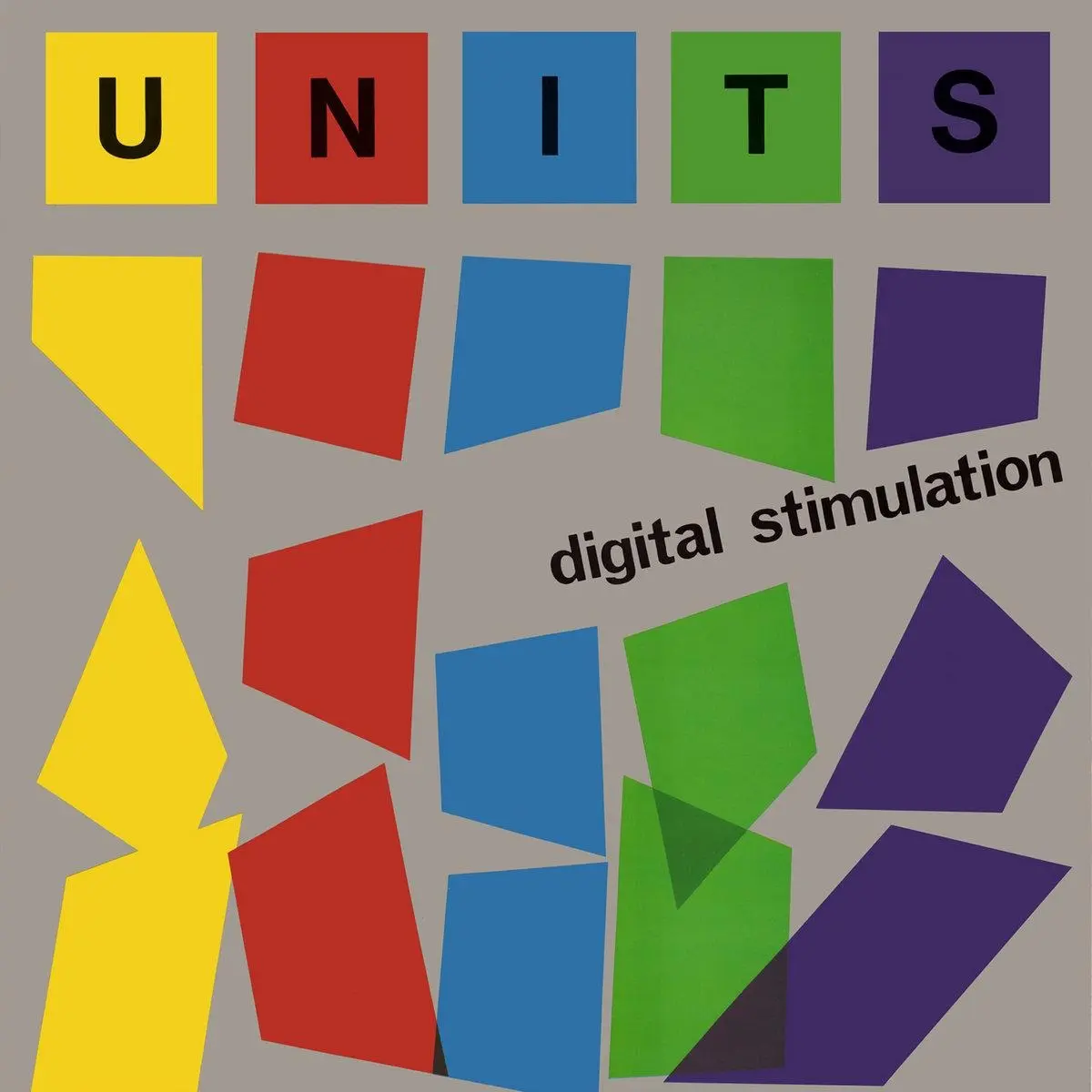
Music history is littered with brilliant anomalies—artists who arrived either too early or too precisely at the intersection of cultural shifts to achieve mainstream commercial success. Among the most fascinating of these forgotten innovators is The Units, a pioneering West Coast synthpunk band whose 1980 debut album, Digital Stimulation, stands as a masterclass in aggressive, electronic-driven underground music.
Long before the early-2000s dance-punk explosion spearheaded by DFA Records, and decades prior to modern internet subgenres bridging the gap between harsh punk aesthetics and pulsing synthesizers, The Units were carving out a radical new path. Armed with keyboards instead of traditional guitars, husband-and-wife songwriting duo Scott Ryser and Rachel Webber forged a sound that married the raw, anti-establishment ethos of California punk with the cold, hypnotic pulse of early synthesizer music.
The rediscovery of this lost gem often happens by accident, as was the case for many modern fans who stumbled upon the band through deep-dive music history resources like the No Dogs in Space podcast. While researching the legendary, chaotic Los Angeles band The Screamers during a miniseries, podcast researchers pointed listeners toward the archival treasure trove known as synthpunk.org. Though the site was temporarily offline, a brief excursion into the Internet Wayback Machine revealed a bare-bones directory highlighting foundational acts of the genre. At the very top of the list was The Units—a band whose name has remained criminally obscure outside of dedicated musicologist circles, yet whose output demands a prominent place in the lineage of alternative electronic music.
Upon tracking down the 40th-anniversary remixed edition of Digital Stimulation, listeners are immediately confronted with a sonic paradox: while the record’s production bears the unmistakable temporal footprint of 1980—particularly in its Devo-esque vocal deliveries—the underlying arrangements, sound palettes, and rhythmic aggressions feel startlingly modern.
Chronology: From the DIY Underground to Digital Stimulation
To understand the trajectory of The Units, one must trace the winding historical lineage of late-1970s and early-1980s underground rock. The band emerged directly from the fertile, highly politicized, and fiercely independent West Coast punk scene.
The Late 1970s: The Genesis of Synthpunk
While punk rock initially positioned itself as a violent rejection of progressive rock’s bloated synthesizer solos and stadium-sized pretensions, it didn’t take long for forward-thinking artists to realize that synthesizers, when stripped of their virtuosity and played with malice, could sound even more dangerous than six-string guitars.
The Talking Heads offered a cleaner, more cerebral and art-damaged take on post-punk, incorporating non-Western percussion, rhythmic keyboards, and avant-garde tape loops. Concurrently, Ohio’s Devo weaponized irony and angular electronic textures on foundational tracks like their breakout single "Mongoloid." However, while Devo shared a philosophical kinship with early electronic acts, they still relied heavily on traditional guitar-and-bass configurations, leaning firmly into the burgeoning art-rock and new wave movements.
The Units, by contrast, threw out the guitar playbook almost entirely. Operating within the gritty ecosystem of the San Francisco Bay Area punk scene, Ryser and Webber aligned themselves ideologically and geographically with contemporaries like the Dead Kennedys, The Mutants, and The Avengers. This wasn’t an art-school experiment conducted from an ivory tower; it was forged in the same sweaty, DIY clubs that birthed West Coast hardcore.
1980: The Release of Digital Stimulation
In 1980, The Units released Digital Stimulation, a record that captured the frayed nerves of the Cold War era through the lens of emerging consumer technology and synthetic sound design. The album functioned as a bridge between two worlds that historically viewed each other with suspicion: the organic, sweat-soaked rebellion of punk rock and the calculated, futuristic precision of electronic music.
Despite the critical acclaim of their debut within tight underground circles, commercial headwinds and the transient nature of the early-80s independent music distribution network kept the band from achieving widespread renown.
1981–2016: The Lost Sophomore Album and Archival Revival
Demonstrating a relentless creative drive, The Units recorded a sophomore full-length album, Animals They Dream About, in 1981. However, due to industry shifts, label complications, and the shifting tides of the commercial music landscape, the record was shelved, remaining entirely unreleased for decades.
It wasn’t until 2016 that Animals They Dream About finally saw the light of day, offering music historians and contemporary electronic fans a crucial missing link in the evolution of synth-driven underground music.
Supporting Data & Musical Anatomy: Decoding The Units
A close structural and sonic analysis of Digital Stimulation reveals a blueprint that foretold several major movements in alternative music over the next twenty-five years.
Cross-Generational Sonic Comparisons
When dissecting the tracks on Digital Stimulation, the modern parallels are striking:
- "High Pressure": Stripping away the vintage vocal processing, the aggressive, driving cadence of the album opener could easily pass for a contemporary track by modern punk-noise provocateurs MSPAINT. It possesses an undeniable earworm quality built on sheer kinetic force.
- "Digital Stimulation": The title track relies on a sped-up, robotic disco stomp that predates the dance-punk revival of the early 2000s. Sonically and structurally, it functions as a spiritual ancestor to the records released by James Murphy’s DFA Records imprint (such as The Rapture’s Echoes) some twenty-three years later.
- Later Tracks: Deep-album cuts and late-era recordings share a stark, minimalist intensity that would find a comfortable home on a record by modern underground standard-bearers like Single Frame.
The Lyrical and Structural Ethos
Unlike the self-indulgent synthesizer experiments of the 1970s arena-rock era, The Units prioritized raw, unpolished energy over technical perfection. Their arrangements were notoriously lean, functioning as models of structural efficiency.
Songs like "Cannibals" and "Bugboy" offer bleak, darkly humorous critiques of an increasingly mechanized, uncaring modern world. Yet, true to the best traditions of Bay Area punk, these tracks never sacrifice melody at the altar of noise. There is an infectious, danceable pulse underlying even their most biting social commentary—transforming potential bleakness into cathartic club anthems like "Warm Moving Bodies."
Official Responses and Archival Preservation
In recent years, the renewed interest in Digital Stimulation and Animals They Dream About has prompted digital reissues, allowing a new generation of musicians and fans to properly evaluate the band’s legacy.
While major mainstream publications largely ignored the underground synthpunk micro-scene of the late 1970s, modern music preservationists, vinyl archival labels, and independent podcast historians have stepped in to fill the gap. Platforms like Bandcamp and retrospective music documentaries have served as official repositories for this forgotten history.
Scott Ryser has frequently noted in retrospective interviews and liner notes that the band’s core mission was never to chase commercial trends, but rather to utilize whatever technology was available to articulate the anxieties of living through the dawn of the digital age. The deliberate shift between Digital Stimulation and the unreleased Animals They Dream About highlights the band’s internal evolution: while the debut was raw, jagged, and heavily tied to bootstrapped punk roots, the 1981 follow-up leaned into far more polished, pop-oriented new wave arrangements, demonstrating a sophisticated range that was simply ahead of its time.
Implications: The Enduring Legacy of Synthpunk
The rediscovery of The Units carries profound implications for how we understand the evolution of electronic music, punk rock, and the underground distribution networks that sustain forgotten art.
- Rewriting Genre Boundaries: The historical narrative often separates the history of punk (Guitar -> Garage -> Hardcore) from the history of electronic music (Kraftwerk -> Synth-pop -> Techno). Bands like The Units, The Screamers, and Suicide prove that this binary is a false construct. Punk and electronic music were intertwined from the very beginning.
- The Power of Archival Preservation: Without digital-era archivist websites (synthpunk.org), streaming platforms, and crowdsourced music history projects, pioneering acts like The Units risked being permanently erased by the physical degradation of master tapes and out-of-print vinyl. Their resurgence proves that the internet, despite its commercial saturation, remains a powerful tool for historical correction.
- A Blueprint for Modern Hybrids: Today’s underground music scene is obsessed with genre-blending. From hyperpop artists sampling hardcore punk breakdowns to industrial techno acts adopting D.I.Y. punk aesthetics, the modern musical landscape is built on the exact synthesis that Scott Ryser and Rachel Webber pioneered in a San Francisco rehearsal space over forty years ago.
For those eager to dive into this foundational chapter of underground music history, Digital Stimulation is currently available across all major streaming platforms—including Apple Music, YouTube Music, and Deezer—as well as directly via the band’s official Bandcamp page, ensuring that The Units’ pioneering digital pulse will continue to stimulate future generations of music fans.
