

By Financial News Wire
Published: October 2026
Main Facts
The regulatory walls are closing in on Atlantic Coast Life Insurance. Just two weeks after South Carolina insurance regulators initiated court proceedings to place the insurer into rehabilitation, Florida Insurance Commissioner Michael Yaworsky has officially suspended the company’s Certificate of Authority (COA).
The emergency action, formalized in an Immediate Final Order signed on Wednesday, September 30, bars Atlantic Coast from issuing new policies or renewing existing contracts across the Sunshine State. The suspension stems from acute financial deterioration, regulatory non-compliance, and heavy, troubled exposure to the collapsed private investment firm 777 Partners.
Atlantic Coast Life, a century-old insurer domiciled in South Carolina and authorized to operate in Florida since 2006, is a key subsidiary of Advantage Capital Holdings (A-Cap). Led by Chief Executive Officer Kenneth King, A-Cap is currently navigating a complex, scheduled corporate takeover by Oaktree Capital Management.
However, the cascading regulatory interventions in Florida and South Carolina threaten to upend those restructuring efforts. Regulators allege that Atlantic Coast and its reinsurance subsidiary, Southern Atlantic Re, funneled policyholder funds into high-risk, illiquid, and poorly disclosed investments tied to affiliated entities and the defunct 777 Partners—leaving both the companies and their policyholders perilously exposed.
Chronology of the Crisis
The unfolding crisis at Atlantic Coast Life is the culmination of months of mounting financial distress and escalating tension between corporate leadership and state regulators.
- September 2025: Atlantic Coast reports an $86 million surplus on paper—sitting roughly $30 million above the statutory minimum. However, regulatory accounting limits on affiliate investments already mask a deeper "impaired surplus" of nearly $140 million.
- Early September 2026: Financial rating agency AM Best downgrades the financial strength ratings of both Atlantic Coast Life and its sister A-Cap insurer, Sentinel Security Life, sounding alarm bells across the industry.
- Mid-September 2026: Prompted by deepening balance sheet vulnerabilities, South Carolina Department of Insurance (SCDOI) Director Michael Wise petitions a state court to place Atlantic Coast and Southern Atlantic Re into administrative rehabilitation, citing financially hazardous conditions and improper high-risk investments.
- Shortly After (Mid-September 2026): In a swift and aggressive countermove, A-Cap files a lawsuit against SCDOI Director Wise, accusing him of reckless regulatory overreach.
- One Day Post-Lawsuit: A-Cap abruptly drops the litigation, agreeing instead to move the fierce dispute into confidential mediation.
- Wednesday, September 30, 2026: Florida Insurance Commissioner Michael Yaworsky issues a final, immediate order suspending Atlantic Coast Life’s Certificate of Authority in Florida, citing both its statutory impairment and the ongoing rehabilitation proceedings initiated in South Carolina.
- Thursday, October 1, 2026: A-Cap leadership issues a public statement expressing strong disagreement with Florida’s decision while committing to good-faith cooperation, policyholder fulfillment, and ongoing capital-raising efforts.
Supporting Data: Inside the Balance Sheet
Commissioner Yaworsky’s detailed final order sheds critical light on the true financial health of Atlantic Coast Life, contrasting the company’s public accounting statements with strict statutory solvency requirements.
Originally founded in 1925 as a family-operated enterprise, the company was acquired in 2015 by New York-based Advantage Capital (not to be confused with a New Orleans investment firm bearing a similar name). In Florida, the insurer’s business footprint has been heavily concentrated in fixed and variable annuities.
According to state data cited in the order, Atlantic Coast maintained a significant portfolio in Florida as of August:
- 6,001 active annuity policies
- 986 individual life insurance policies
- 19 accident and health policies
- Nearly $13 million in total gross premiums collected within the state year-to-date.
The Surplus Mirage
Under Florida insurance law (specifically section 625.151 of the Florida Statutes), state regulators enforce strict caps on the proportion of an insurer’s surplus that can be tied up in subsidiary or affiliated investments. This rule is designed to prevent parent companies from artificially inflating an insurance carrier’s safety net with illiquid or speculative internal assets.
While Atlantic Coast reported a surplus of $86 million in September 2025—which superficially cleared the $56 million statutory minimum—applying Florida’s statutory investment limits revealed an impaired surplus of nearly $140 million.
The situation deteriorated further by the second quarter of 2026. Although the insurer reported an unadjusted surplus of $47 million (falling short of the required $55 million baseline), the deduction of restricted affiliate and subsidiary investments caused its true impaired surplus to balloon to an alarming $170 million.
Consequently, Florida regulators concluded that the insurer not only lacks adequate capital protection but also faces a substantial risk of future insolvency, threatening its capacity to fulfill long-term contractual obligations to policyholders.
Official Responses and Regulatory Posture
The clash between corporate executives and state watchdogs has generated sharply contrasting public stances.
The Regulatory Perspective
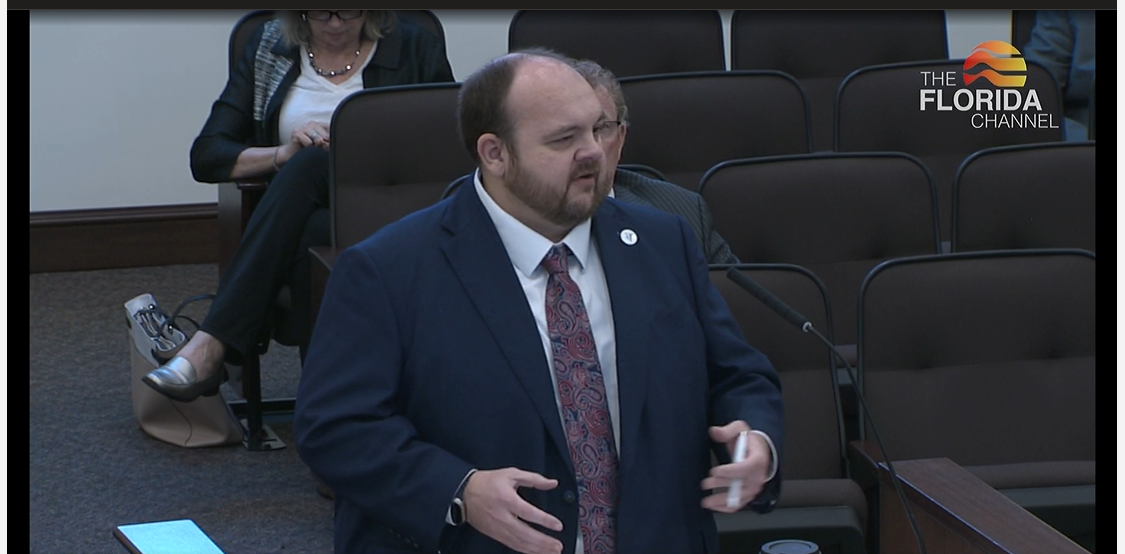
Commissioner Yaworsky emphasized that the Florida Office of Insurance Regulation (OIR) acted decisively to protect local consumers from systemic fallout.
"Atlantic Coast’s concerning financial condition led to our office issuing an Immediate Final Order and urgent notice to insurance agents to halt any further transactions within Florida," Yaworsky said in a statement to Insurance Journal. "The Florida Office of Insurance Regulation has been closely monitoring this matter, and like all states, Florida has a wide array of tools to monitor the financial condition of insurers, and we will continue to take action when necessary."
The Florida order explicitly dictates that Atlantic Coast must:
- Immediately halt the solicitation or writing of any new or renewal business in the state.
- Promptly notify all authorized agents and brokers of the suspension.
- Continue servicing all existing, in-force Florida policies, maintaining full liability for claims, losses, and unearned premiums.
The suspension will remain in strict effect until the OIR is independently satisfied that the insurer has cured its financial impairment.
South Carolina Director Michael Wise shares identical concerns. In the initial rehabilitation petition filed in Columbia, the SCDOI asserted: "Respondents have placed policyholder funds into high-risk and inappropriate investments in violation of South Carolina law and their agreements with the Department."
The Corporate Response
A-Cap and CEO Kenneth King have consistently pushed back against allegations that their investment strategies jeopardize policyholders. Following the Florida suspension, A-Cap released a concise, defiant defense:
"We disagree with the Florida Office of Insurance Regulation’s action and intend to work in good faith to resolve this matter expeditiously. In the meantime, Atlantic Coast Life remains focused on meeting its obligation to policyholders and completing the capital raise and corporate restructuring initiatives now underway."
Company representatives maintain that past linkages to 777 Partners—a private equity and investment firm that collapsed under the weight of regulatory scrutiny and liquidity crunches—will not impair Atlantic Coast’s ultimate ability to make good on its financial promises to annuity holders and families.
Broader Implications for the Insurance Sector
The regulatory crackdown on Atlantic Coast Life is sending shockwaves through the broader insurance and private equity sectors, raising critical questions about asset management, regulatory oversight, and policyholder security.
1. Increased Scrutiny on Private Equity-Backed Insurers
The troubles at Atlantic Coast mirror a wider, growing anxiety among state insurance commissioners regarding private equity firms acquiring life and annuity insurers. Regulators across the United States are increasingly scrutinizing how holding companies manage reserve assets, often questioning whether complex, opaque, or related-party investments offer sufficient liquidity to weather market shocks. The parallels drawn by industry observers to other high-profile regulatory blowups—such as those involving Greg Lindberg’s former life insurance empire—highlight regulators’ heightened vigilance regarding asset-liability matching.
2. The Fate of the Oaktree Capital Takeover
With A-Cap currently undergoing a scheduled acquisition by Oaktree Capital Management, the sudden intervention of multi-state regulators complicates an already delicate corporate transaction. Oaktree will likely need to evaluate the depth of Atlantic Coast’s impaired surplus and the legal liabilities associated with 777 Partners before proceeding with any restructuring or capital injection. Whether institutional buyers will absorb these legacy risks or demand altered terms remains one of the defining questions of the ongoing mediation and regulatory review.
3. Policyholder Protections and Guarantee Associations
For everyday consumers holding annuities or life insurance policies with Atlantic Coast, the immediate impact is a freeze on new sales, but existing guarantees remain legally binding for now. State insurance departments emphasize that policy servicing must continue while rehabilitation and suspension orders are adjudicated. If rehabilitation efforts ultimately fail to stabilize the company, state Guaranty Associations would step in to safeguard policyholder benefits up to statutory limits—though such a process can introduce months of administrative uncertainty for retirees depending on steady annuity payouts.
As mediation proceeds between A-Cap and South Carolina regulators, and as Florida holds firm on its administrative suspension, the coming weeks will prove pivotal in determining whether Atlantic Coast Life can execute a rescue plan or whether state-led liquidation and receivership will become inevitable.
